Bearded dragon enrichment: boost health and behavior in 2026
Many bearded dragon owners believe their pets thrive in simple, minimalist setups. This misconception overlooks how environmental enrichment transforms reptile health and happiness. Research shows that complex habitats promote natural behaviors like climbing, digging, and exploring, which directly improve physical and mental well-being. This guide reveals expert-backed strategies to enrich your bearded dragon’s environment, backed by scientific evidence showing how proper lighting, space, and enrichment elements reduce stress and extend lifespan. You’ll learn practical steps to create an engaging habitat that satisfies your dragon’s instinctive needs.
Table of Contents
- Why Enrichment Matters For Your Bearded Dragon’s Health And Behavior
- How Enclosure Design Influences Natural Behaviors And Welfare
- Practical Strategies To Enrich Your Bearded Dragon’s Environment
- Understanding Reptile Cognition And Its Implications For Enrichment
- Enhance Your Bearded Dragon Care With Expert Resources
- Frequently Asked Questions
Key takeaways
| Point | Details |
|---|---|
| Enrichment reduces stress | Complex environments with climbing structures and hides decrease anxiety behaviors and promote natural activity patterns. |
| Larger enclosures matter | Tanks over 100 gallons allow expression of species-specific behaviors and improve appetite and exploration. |
| UVB lighting is essential | Proper ultraviolet exposure for 12-14 hours daily supports vitamin D3 synthesis and prevents metabolic bone disease. |
| Foraging stimulates cognition | Food puzzles and varied feeding methods increase active exploration by up to 40% and reduce boredom. |
Why enrichment matters for your bearded dragon’s health and behavior
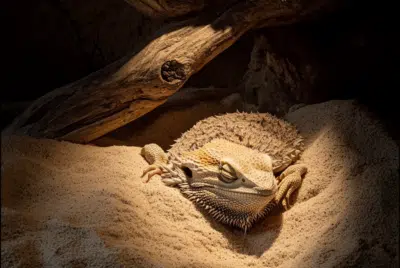
Environmental enrichment isn’t optional for bearded dragons. It’s a fundamental requirement for their physical health and psychological welfare. UVB lighting supports vitamin D3 synthesis to prevent metabolic bone disease, one of the most common health issues in captive reptiles. Without adequate ultraviolet exposure, dragons cannot properly metabolize calcium, leading to skeletal deformities and organ failure.
Beyond lighting, enriched environments reduce stress and increase activity in bearded dragons. Studies consistently show that dragons housed in complex habitats display more natural behaviors and fewer signs of distress. When your dragon can climb, burrow, and thermoregulate effectively, it maintains better physical condition and shows improved immune function.
Stress manifests in subtle ways that many owners miss. Glass surfing, darkened beard coloration, and reduced appetite often signal inadequate enrichment. Behavior signs in bearded dragons help you identify when your pet needs environmental improvements. Recognizing bearded dragon stress marks early allows you to intervene before health problems develop.
Complex environments allow expression of species-specific behaviors and reduce stress markers. Wild bearded dragons spend hours basking, hunting, and exploring their territory. Captive dragons retain these instincts, and denying them appropriate outlets creates chronic stress that shortens lifespan.
Healthy dragons actively engage with their environment throughout the day. They move between temperature zones, investigate new objects, and display alert, curious behavior. When you see your dragon climbing branches, digging in substrate, or basking with eyes open and body relaxed, you’re witnessing the direct benefits of proper enrichment.
“Reptiles housed in enriched environments demonstrate measurably lower stress hormones and higher activity levels compared to those in barren enclosures.”
The connection between enrichment and welfare isn’t theoretical. Observable behavior changes occur within days of improving habitat complexity. Dragons become more active, eat more consistently, and show brighter coloration when their environment meets their biological needs.
How enclosure design influences natural behaviors and welfare
Enclosure size and design directly shape how your bearded dragon behaves daily. Adult bearded dragons in 100+ gallon tanks show more exploration and reduced pacing compared to those in smaller spaces. Size alone doesn’t guarantee enrichment, but it provides the foundation for creating diverse habitat zones that support natural behaviors.
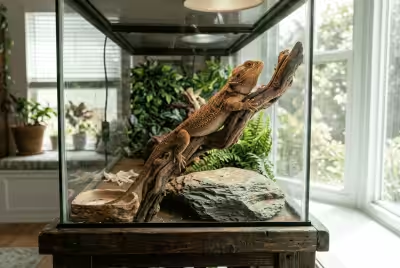
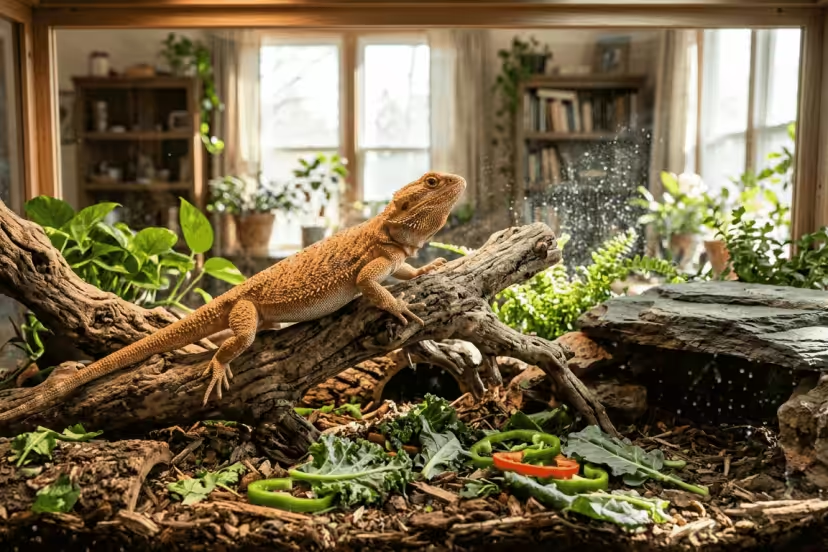
Naturalistic resources promote climbing, digging, and hiding behaviors that standard setups often lack. When you incorporate branches at multiple heights, substrate deep enough for burrowing, and strategically placed hides, your dragon can thermoregulate effectively and express instinctive behaviors. These elements transform a simple tank into a functional habitat.

Familiarity influences enclosure preference in surprising ways. Dragons initially prefer familiar environments, even if they’re less enriched. Over time, exposure to naturalistic features changes this preference, and dragons begin choosing complex areas for basking and resting. This adaptation period typically takes two to three weeks as your pet learns to use new enrichment elements.
| Feature | Standard Enclosure | Naturalistic Enclosure |
|---|---|---|
| Substrate depth | 1-2 inches | 4-6 inches for digging |
| Climbing options | Single basking platform | Multiple branches and levels |
| Temperature zones | Two zones | Three or more microclimates |
| Hide availability | One hide | Multiple hides at different temperatures |
| Enrichment rotation | Static setup | Regular changes to maintain novelty |
Proper substrate choice significantly impacts activity levels. Reptile carpet offers easy cleaning but prevents natural digging behaviors. Calcium sand or topsoil mixtures allow burrowing, which many dragons engage in for thermoregulation and stress relief. Choose substrates that balance safety with behavioral opportunities.
Climbing structures serve multiple functions beyond exercise. Dragons use elevated perches to survey their territory, regulate body temperature, and feel secure. Position branches to create pathways between heat sources and cooler areas, allowing your dragon to move naturally between temperature zones throughout the day.
Pro Tip: Rotate enrichment items every two weeks to maintain environmental novelty. Swap hide locations, add new branches, or introduce safe objects for investigation to keep your dragon mentally stimulated.
The difference between adequate and optimal enclosure design often comes down to understanding types of bearded dragon habitats explained. Bioactive setups, for example, incorporate live plants and cleanup crews that create self-sustaining ecosystems. These advanced habitats provide continuous enrichment through changing scents, textures, and visual complexity.
Setting up natural habitat elements requires planning but delivers measurable welfare improvements. Start with foundational features like proper lighting and temperature gradients, then layer in enrichment elements based on your dragon’s behavior and preferences. Observe which areas your pet uses most and adjust accordingly.
Practical strategies to enrich your bearded dragon’s environment
Implementing effective enrichment doesn’t require expensive equipment or complex installations. Follow these steps to create diverse substrate zones that encourage natural behaviors:
- Layer substrate to varying depths across the enclosure, creating shallow areas for easy movement and deeper sections for digging.
- Mix substrate types in different zones, such as calcium sand in basking areas and topsoil in cooler sections.
- Bury hides partially to encourage excavation behaviors that wild dragons display regularly.
- Monitor substrate moisture in different areas to create humidity gradients that support shedding and hydration.
- Replace substrate sections monthly to maintain hygiene while preserving established digging tunnels.
Integrating climbing branches and hides requires strategic placement for maximum benefit. Position sturdy branches diagonally across the enclosure to create highways between temperature zones. Ensure all climbing surfaces can support your dragon’s full weight without flexing or breaking. Natural wood branches offer better grip than smooth plastic alternatives.
Hides should exist in both warm and cool zones, allowing your dragon to feel secure regardless of its thermoregulation needs. Multiple hide options reduce territorial stress in shared enclosures and give dragons choices about their environment. Caves, cork bark, and rock formations all serve this purpose effectively.
Use UVB lighting for 12-14 hours daily to support bone health through vitamin D3 synthesis. Position UVB bulbs 12-18 inches from basking spots, depending on bulb strength and manufacturer recommendations. Mercury vapor bulbs provide both heat and UVB, simplifying setup while ensuring adequate exposure.
Foraging enrichment increases active exploration by up to 40% compared to bowl feeding alone. Scatter live insects throughout the enclosure rather than offering them in one location. This approach mimics natural hunting and extends feeding time, providing both physical exercise and mental stimulation.

Pro Tip: Create feeding puzzles by placing insects inside paper towel tubes or hiding vegetables under leaves. Your dragon will spend more time foraging, which naturally reduces boredom and associated stress behaviors.
Provide ample enclosure space tailored to your dragon’s age and size. Juveniles thrive in 40-gallon tanks that prevent overwhelming stress from excessive space. Adults require minimum 75-gallon enclosures, with 120 gallons or larger being ideal for full enrichment implementation. Vertical space matters as much as floor area for climbing species.
Enrichment layers build upon each other to create complex habitats. Start with proper lighting and temperature control as your foundation. Add substrate depth and climbing structures as your second layer. Introduce foraging opportunities and rotating novel objects as your third layer. This systematic approach ensures you address all enrichment categories effectively.
Bearded dragon enrichment activities extend beyond habitat design to include supervised exploration outside the enclosure. Allowing your dragon to explore safe spaces under supervision provides novel sensory experiences and strengthens your bond. Always monitor temperature and potential hazards during these sessions.
Understanding social needs of bearded dragons helps you provide appropriate interaction without causing stress. While dragons are largely solitary, they benefit from regular handling and environmental changes that prevent monotony. Balance alone time with gentle interaction to support psychological health.
Understanding reptile cognition and its implications for enrichment
Recent research challenges outdated assumptions about reptile intelligence and emotional capacity. Reptiles demonstrate active sleep, learning, and social cognition, implying consciousness beyond simple stimulus response. These findings fundamentally change how we approach enrichment, revealing that reptiles have psychological needs requiring attention alongside physical care.
Studies show reptiles can experience pain, stress, and pleasure through measurable physiological and behavioral markers. Stress hormones elevate in barren environments and decrease when enrichment is added. Dragons show preference for certain enrichment types, suggesting they experience positive emotions when engaging with preferred elements.
Active sleep phases in reptiles mirror REM sleep in mammals, suggesting complex neural processing during rest. This discovery indicates that reptiles may process experiences and learning during sleep, making environmental stimulation even more important for cognitive development. Your dragon’s brain remains active even during rest periods.
Associative learning in reptiles demonstrates cognitive flexibility beyond instinct. Bearded dragons learn to associate specific locations with food, recognize individual humans, and modify behavior based on past experiences. This learning capacity means enrichment should include opportunities for problem solving and novel experiences.
Social cognition and self-recognition may occur in lizards, though research continues to explore these abilities. Some studies suggest reptiles can distinguish between familiar and unfamiliar individuals and adjust behavior accordingly. While dragons are solitary, they process social information more complexly than previously understood.
These insights support enriching environments for psychological well-being, not just physical health. When you provide varied stimuli, problem-solving opportunities, and environmental complexity, you’re supporting cognitive function and emotional health. Mental stimulation prevents cognitive decline and maintains neural plasticity throughout your dragon’s life.
“The presence of consciousness in reptiles obligates us to consider their subjective experiences when designing captive environments and care protocols.”
Enrichment helps satisfy cognitive needs and reduces anxiety by providing appropriate mental stimulation. Bored dragons develop stereotypic behaviors like repetitive pacing or glass surfing. These behaviors indicate unmet psychological needs rather than simple restlessness. Addressing the root cause through enrichment eliminates these stress indicators.
Handling bearded dragons safely becomes more important when you recognize their capacity for stress and learning. Gentle, consistent handling teaches your dragon that human interaction is safe, reducing fear responses over time. This learned trust demonstrates cognitive processing and memory formation.
The implications for captive care are profound. Every aspect of your dragon’s environment either supports or hinders its psychological state. Temperature, lighting, space, and enrichment all contribute to subjective experience. Optimizing these factors creates conditions where your dragon can thrive mentally and physically.
Enhance your bearded dragon care with expert resources
Creating an enriched environment represents just one aspect of comprehensive bearded dragon care. Your dragon’s health depends on multiple factors working together, from nutrition to habitat maintenance to preventive health monitoring.

Explore essential bearded dragon care tips to optimize your dragon’s environment and health beyond enrichment basics. These guides cover critical topics like proper feeding schedules, temperature regulation, and recognizing early signs of illness. Discover bearded dragon vitamin supplements reviews that support strong bones and wellness, complementing your enrichment efforts with proper nutrition. Find top bearded dragon food brands for balanced nutrition and enrichment through diet, ensuring your dragon receives optimal nutrition alongside environmental stimulation. These resources help you build a complete care program that addresses every aspect of your pet’s well-being.
Frequently asked questions
What type of substrate is best for bearded dragon enrichment?
Safe substrates like reptile carpet or calcium sand support digging behaviors when used appropriately. Reptile carpet offers easy cleaning but limits natural burrowing, while calcium sand allows digging but requires monitoring to prevent impaction. Avoid substrates that cause respiratory issues like cedar shavings or create impaction risks like loose particle substrates for young dragons. Topsoil and sand mixtures provide the best balance for adult dragons.
How often should UVB lighting be replaced for optimal health?
Replace UVB bulbs every 6-12 months as output declines over time, even when bulbs still produce visible light. Most manufacturers specify replacement schedules on packaging, typically recommending changes every six months for optimal vitamin D3 synthesis. Regular replacement is key to preventing metabolic bone disease and maintaining proper calcium metabolism. Mark replacement dates on your calendar to ensure consistent UVB exposure.
Can foraging toys reduce stress in bearded dragons?
Yes, foraging toys stimulate natural behaviors and increase activity levels by up to 40% compared to standard feeding methods. They can significantly reduce anxiety and boredom in captive dragons by providing mental stimulation and extending feeding time. Simple puzzles like hiding insects in paper tubes or scattering food throughout the enclosure engage hunting instincts. Rotate different foraging methods weekly to maintain novelty and interest.
Why is enclosure size important beyond space alone?
More space allows expression of natural behaviors and lowers stress by providing room for temperature gradients and activity zones. Cramped enclosures can cause pacing, reduced appetite, and health decline even when other care parameters are correct. Larger tanks enable you to create distinct basking, cooling, and hiding areas that support thermoregulation and natural behavior patterns. Space also allows for enrichment rotation without overcrowding the habitat.
Recommended
- Why dragons need climbing branches for health
- Supplements for bearded dragons: 30% fewer bone disease cases
- 6 beardie activity ideas- Go BEARDED DRAGON