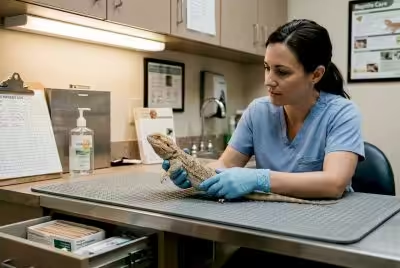
Bearded Dragon Stress Marks – What Owners Must Know
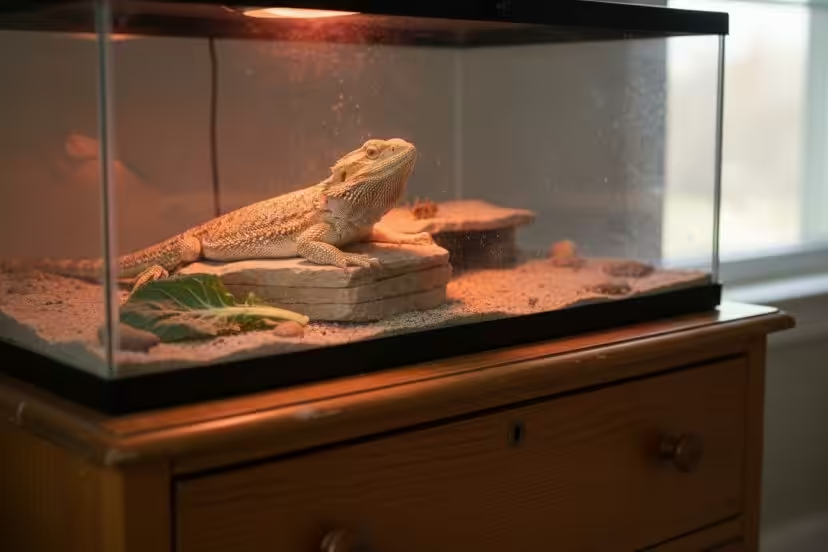
Most reptile enthusiasts are surprised to learn that stress marks in bearded dragons can appear in less than an hour when something feels off in their environment. These striking color changes act as a visible alarm, making it crucial for every owner to understand what they mean. By recognizing the cause and patterns of these marks, you can step in before minor discomfort grows into a serious health concern for your scaly companion.
Table of Contents
- What Are Bearded Dragon Stress Marks?
- Common Causes of Stress Marks in Dragons
- How to Identify Stress Marks Accurately
- Impact of Environment and Husbandry Errors
- Prevention and Calming Techniques for Stress
Key Takeaways
| Point | Details |
|---|---|
| Understanding Stress Marks | Bearded dragon stress marks indicate emotional or physical distress, often caused by environmental factors like temperature and handling methods. |
| Impact of Environment | Proper habitat setup, including temperature regulation and appropriate handling, is crucial to prevent stress marks in bearded dragons. |
| Signs to Monitor | Key indicators such as dark horizontal bands, behavioral changes, and persistent color shifts should be closely observed for signs of stress. |
| Holistic Approach | A well-rounded approach to care that includes habitat stabilization, gentle handling, and environmental enrichment is essential for reducing stress. |
What Are Bearded Dragon Stress Marks?
Bearded dragon stress marks are visual color changes that appear on your scaly friend’s body, acting like a mood ring with scales. These distinct dark patches, typically appearing as dark horizontal bands across the beard area and belly, signal that your reptilian companion is experiencing emotional or physical distress. Think of them as your bearded dragon’s built-in communication system.
Stress marks can manifest in different colors and intensities, ranging from dark brown to black, and they’re not just random color shifts. Physiological triggers like temperature fluctuations, handling techniques, environmental changes, or social interactions can prompt these dramatic color transformations. When a bearded dragon feels threatened, overwhelmed, or uncomfortable, these marks become a clear indication that something isn’t quite right in their world. Proper handling techniques can help minimize these stress responses and keep your scaly companion calm.
Understanding these stress marks requires keen observation and knowing your specific bearded dragon’s unique personality. Some dragons might display stress marks more frequently than others, and the intensity can vary based on individual temperament. Factors like age, habitat setup, social interactions, and overall health play significant roles in how and when these marks appear. Younger bearded dragons, for instance, tend to show stress marks more dramatically compared to mature reptiles who might have developed more resilient responses to environmental stimuli.
The appearance of stress marks doesn’t always indicate a severe problem. Sometimes, they’re simply your bearded dragon’s way of communicating temporary discomfort or emotional state. However, persistent or frequently recurring stress marks could signal underlying issues that require closer attention from a reptile veterinarian. By learning to read these fascinating color changes, you’ll become more attuned to your bearded dragon’s emotional landscape and be better equipped to provide a comfortable, secure environment for your scaly companion.
Common Causes of Stress Marks in Dragons
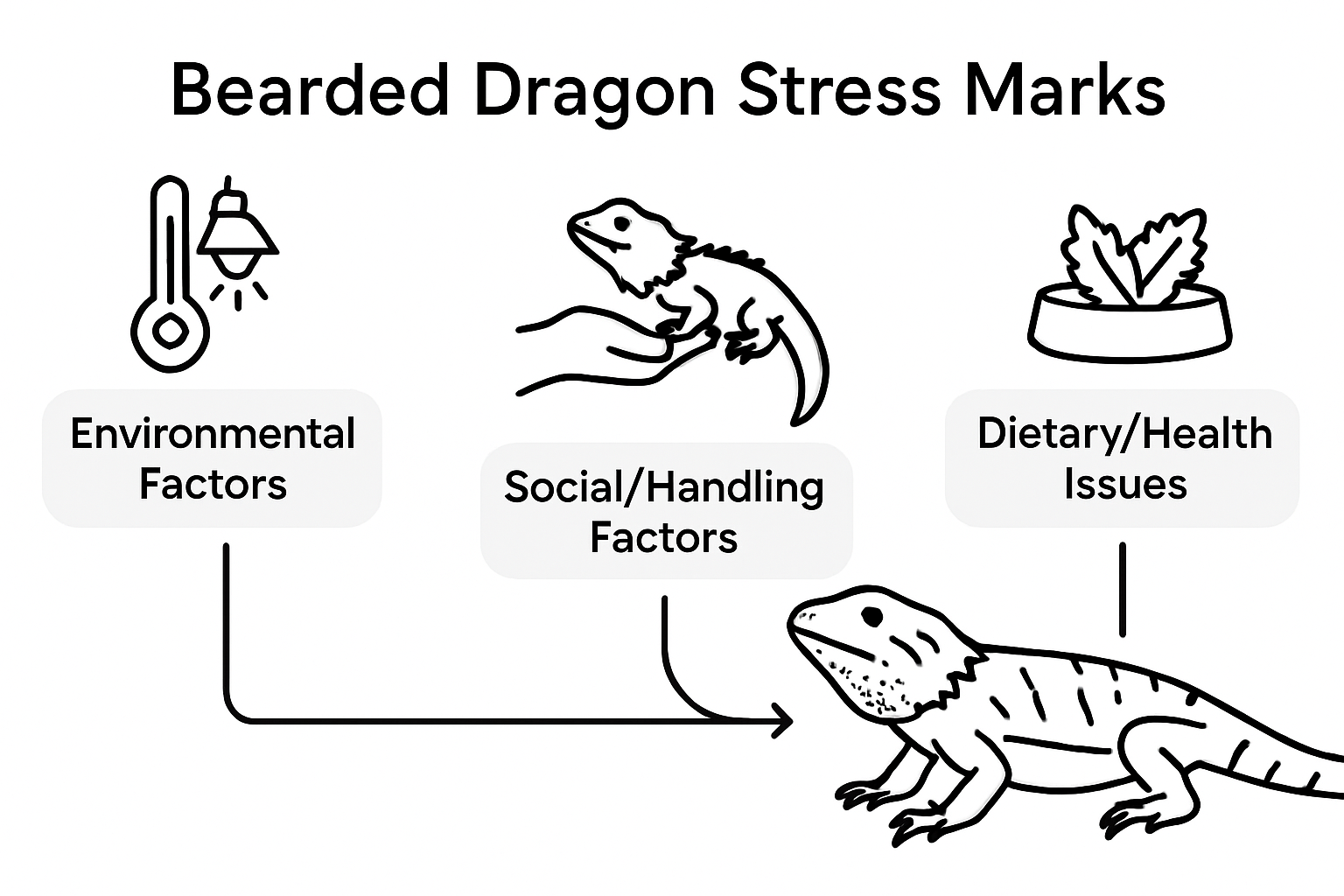
Stress marks in bearded dragons are complex signals that emerge from multiple environmental and physiological triggers. Temperature fluctuations represent one of the most significant sources of stress, with dragons being incredibly sensitive to their surrounding thermal conditions. When the habitat temperature falls outside their preferred 75-85 degree range, bearded dragons will quickly develop stress marks as a physiological response. Why bearded dragons hide can often be directly linked to these uncomfortable thermal environments.
Social interactions and handling techniques also play crucial roles in generating stress marks. Inappropriate handling, sudden movements, presence of predatory animals, or unfamiliar human interactions can trigger these color changes. Young bearded dragons tend to be more reactive, displaying more intense stress marks compared to mature reptiles who have developed more resilient behavioral responses. Factors like cage placement, proximity to loud noises, vibrations, and sudden light changes can all contribute to their emotional state and subsequent stress mark appearance.
Diet and health conditions represent another critical realm of stress mark generation. Nutritional imbalances, improper diet composition, or underlying medical conditions can manifest through these color changes. Bearded dragons experiencing digestive issues, parasitic infections, or metabolic disorders might display persistent stress marks as their body communicates internal discomfort. The frequency and intensity of these marks can serve as an early warning system for potential health complications that require veterinary attention.
Ultimately, understanding stress marks requires a holistic approach to bearded dragon care. By creating a stable, comfortable environment with consistent temperature gradients, minimal disruptions, proper nutrition, and gentle handling techniques, owners can significantly reduce the occurrence of stress marks. Recognizing these color changes as communication rather than just a visual phenomenon allows dragon owners to become more attuned to their scaly companion’s emotional and physical well-being.
How to Identify Stress Marks Accurately
Identifying stress marks in bearded dragons requires a keen eye and understanding of their unique communication system. Signs of stress in bearded dragons typically manifest as sudden dark lines or spots appearing on specific body areas, primarily the belly and chin. These marks are more than just random color changes – they’re your dragon’s way of signaling emotional or physical discomfort.
The location and intensity of stress marks provide critical insights into your bearded dragon’s state of mind. Visual indicators include dark horizontal bands across the beard area, which may darken from light brown to deep black depending on the stress level. Pay close attention to accompanying behavioral cues like glass surfing, excessive hiding, reduced appetite, or unusual lethargy. These additional symptoms, combined with the stress marks, offer a comprehensive picture of your reptilian companion’s emotional landscape.
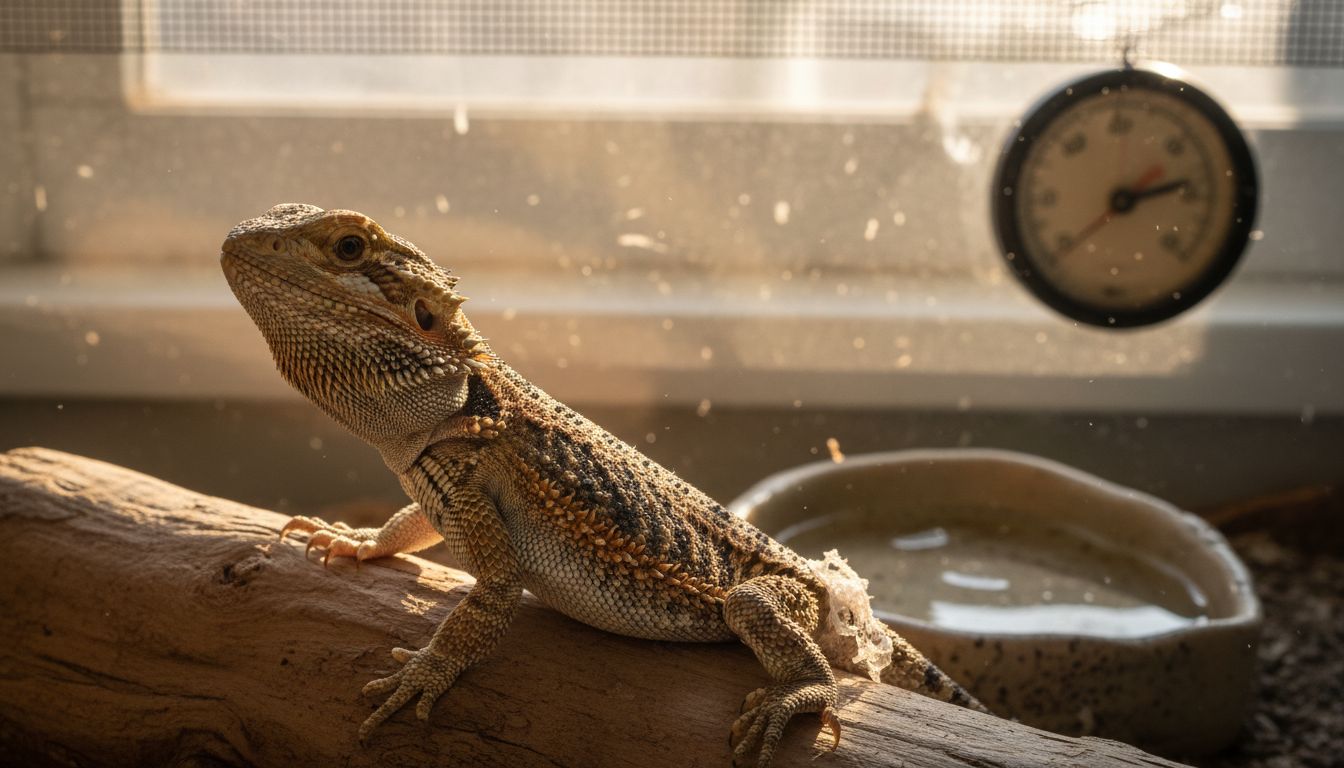
Color intensity and spread are key diagnostic factors when assessing stress marks. Young bearded dragons often display more dramatic color changes compared to mature dragons, with stress marks appearing more pronounced and rapidly shifting. Experienced owners learn to differentiate between temporary stress responses and persistent marks that might indicate underlying health issues. Factors like duration of color change, accompanying behavioral modifications, and overall dragon demeanor help determine whether immediate intervention is necessary.
Developing an accurate stress mark identification strategy involves consistent observation and understanding your individual dragon’s unique temperament. Consider maintaining a daily log of stress mark occurrences, noting environmental conditions, handling techniques, diet, and social interactions. This systematic approach allows you to recognize patterns, identify potential triggers, and create a more comfortable, stress-free environment for your scaly friend. Remember, each bearded dragon communicates differently, and becoming fluent in their visual language is an essential part of responsible reptile companionship.
Impact of Environment and Husbandry Errors
Husbandry errors can significantly impact a bearded dragon’s physiological and psychological well-being, triggering persistent stress marks that signal deeper environmental issues. Inappropriate husbandry practices directly contribute to chronic stress, with temperature inconsistencies, inadequate UVB lighting, and dietary imbalances serving as primary triggers for these visual distress indicators. Thermal gradient management becomes crucial, as bearded dragons require precise temperature zones to regulate their metabolism and emotional state.
Handling techniques play an equally critical role in minimizing stress. Research demonstrates that prolonged or improper handling can dramatically increase anxiety-related behaviors in these reptiles. Owners must develop gentle, consistent handling approaches that respect the dragon’s individual temperament and comfort levels. Young dragons, in particular, are more susceptible to handling-induced stress, requiring extra patience and a nuanced understanding of their body language and communication signals.
Environmental complexity extends beyond basic temperature and handling considerations. Habitat design, noise levels, proximity to potential predators, and visual stimuli can all contribute to a bearded dragon’s stress response. Factors like cage placement, substrate selection, hiding spots, and visual barriers play significant roles in creating a sense of security. A well-designed habitat that mimics their natural environment – with appropriate temperature gradients, multiple hiding spaces, and minimal external disturbances – can dramatically reduce stress mark occurrence.
Ultimately, preventing husbandry-related stress requires a holistic, observant approach. Successful bearded dragon care involves continuous learning, adaptive strategies, and a deep commitment to understanding these complex reptilian companions. By recognizing that stress marks are not just color changes but sophisticated communication signals, owners can create environments that promote physical health, emotional well-being, and a profound interspecies connection.
Prevention and Calming Techniques for Stress
Preventing stress in bearded dragons requires a multifaceted approach that addresses their complex environmental and emotional needs. Habitat stabilization serves as the foundational strategy for minimizing stress, involving precise temperature management, consistent lighting cycles, and creating a predictable, secure living space. How to handle bearded dragons safely becomes critical in developing a low-stress interaction protocol that respects the dragon’s individual comfort levels.
Handling techniques play a pivotal role in stress reduction, demanding patience, gentleness, and a nuanced understanding of your dragon’s unique personality. Successful stress prevention involves gradual acclimation, short initial interaction periods, and reading subtle body language cues. Techniques like supporting their entire body during handling, moving slowly, and maintaining a calm environment can dramatically reduce anxiety. Younger dragons typically require more cautious approaches, with shorter handling sessions and extra attention to their comfort signals.
Environmental enrichment offers another powerful strategy for stress mitigation. Creating a habitat that mimics natural conditions – with varied terrain, appropriate hiding spaces, carefully selected substrate, and opportunities for mental stimulation – helps prevent boredom and reduces anxiety. Consider incorporating elements like climbing branches, different texture zones, and strategically placed visual barriers that allow your bearded dragon to feel secure while maintaining visual engagement with their surroundings. Rotating habitat decorations periodically can provide mental stimulation and prevent environmental monotony.
Ultimately, stress prevention is an ongoing process of observation, adaptation, and compassionate care. Each bearded dragon possesses a unique temperament, requiring owners to develop a personalized approach that evolves with their reptilian companion’s changing needs. By maintaining consistent routines, providing a stable environment, practicing gentle handling, and remaining attuned to subtle behavioral shifts, you can create a sanctuary that promotes your dragon’s physical and emotional well-being.
Understand and Ease Your Bearded Dragon’s Stress with Expert Care
Bearded dragon stress marks reveal your pet’s hidden struggles with their environment and handling. If you notice dark bands or unusual color changes on your dragon’s beard or belly, it is essential to address the causes quickly. These stress signals often point to temperature issues, improper handling, or health concerns you want to resolve immediately to ensure your companion feels safe and comfortable.

Take control of your dragon’s well-being today by exploring proven tips on how to handle bearded dragons safely. Discover how to create an ideal habitat that reduces stress and supports their emotional and physical health. Dive deeper into understanding your dragon’s behavior by learning why bearded dragons hide and what those signals mean for their care. Visit gobeardeddragon.com now for comprehensive advice, expert-backed guides, and everything you need to keep your scaly friend thriving in a stress-free environment.
Frequently Asked Questions
What are bearded dragon stress marks?
Bearded dragon stress marks are dark color changes, usually appearing as horizontal bands on the beard and belly, indicating emotional or physical distress in your pet.
What causes stress marks in bearded dragons?
Stress marks are caused by various factors, including temperature fluctuations, inappropriate handling, environmental changes, and even social interactions, as well as health issues like dietary imbalances or infections.
How can I identify stress marks accurately in my bearded dragon?
Look for sudden dark lines or spots primarily on the belly and chin, with color changes from light brown to deep black. Combine these observations with behavioral cues such as excessive hiding or reduced appetite for better assessment.
What are some effective prevention techniques for bearded dragon stress?
To prevent stress, maintain a stable habitat with proper temperature management, gentle handling, and environmental enrichment that mimics natural conditions. Observing your dragon’s behavior will help you adapt your care to their specific needs.
Recommended
- How to Handle Bearded Dragon Safely for Stress-Free Bonding
- Why Do Bearded Dragons Hide: Complete Guide