How to Set Up Bearded Dragon Habitat Naturally
Over 75 percent of reptile owners report that habitat setup is the single most significant factor affecting their bearded dragon’s long-term health. Choosing the right enclosure means more than just picking a tank—it shapes your pet’s daily life, comfort, and safety. With so much advice out there, learning how to create a proper bearded dragon home ensures your scaly companion thrives in a secure and stimulating environment from day one.
Table of Contents
- Step 1: Choose the Right Enclosure and Materials
- Step 2: Install Proper Heating and Lighting Systems
- Step 3: Add Natural Substrate and Decor Elements
- Step 4: Set Up Hides Climbing and Basking Areas
- Step 5: Verify Habitat Safety and Environmental Conditions
Quick Summary
| Essential Insight | Explanation |
|---|---|
| 1. Choose the Right Enclosure | A spacious 75-gallon glass terrarium with a secure mesh top is ideal for adult bearded dragons. |
| 2. Install Proper Heating and Lighting | Create a temperature gradient of 75°F to 100°F and use essential UVB lighting for health. |
| 3. Use Safe Substrates and Decor | Opt for reptile carpet or ceramic tiles, avoiding loose substrates like sand to prevent impaction. |
| 4. Set Up Hides and Climbing Areas | Ensure at least two hides and climbing structures to support your dragon’s safety and exploration needs. |
| 5. Verify Habitat Safety | Regularly check for hazards and use proper ventilation to maintain a safe environment for your bearded dragon. |
Step 1: Choose the Right Enclosure and Materials
Setting up the perfect home for your scaly pal means selecting an enclosure that mirrors their natural habitat while keeping them safe and comfortable. Your bearded dragon’s habitat isn’t just a cage, it’s their entire world where they’ll spend most of their time basking, exploring, and chilling.
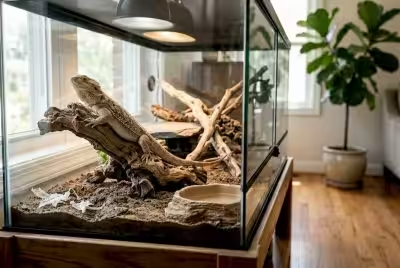
When choosing an enclosure, size matters big time. Adult bearded dragons need a spacious terrarium around 75 gallons to stretch out and feel like kings and queens of their domain. Glass terrariums work best because they provide excellent visibility and heat retention. Look for enclosures with a tight mesh top for proper ventilation and secure enough to prevent any escape artist maneuvers. Pro tip: Avoid wooden enclosures as they absorb moisture and can harbor harmful bacteria that could make your little dinosaur friend sick.
Materials inside the habitat are just as critical as the enclosure itself. Start with a solid substrate like reptile carpet or ceramic tiles that are easy to clean and won’t cause potential impaction issues. Avoid loose substrates like sand that can accidentally be ingested during mealtime. Add some natural rock formations to create climbing spaces and hiding spots that mimic their native Australian desert environments. Remember your bearded dragon is basically a modern day mood ring with scales who needs variety in their living space.
Step 2: Install Proper Heating and Lighting Systems
Creating the perfect temperature and light environment is like becoming a tiny desert climate engineer for your bearded dragon. Getting the heating and lighting systems right means transforming your terrarium into a mini Australian desert paradise that keeps your scaly friend healthy and happy.
Your bearded dragon needs a precise temperature setup that mimics their natural habitat. According to expert reptile care guidelines, you want a daytime temperature gradient ranging from 75°F to 85°F with a specific basking area between 90°F and 100°F. This means installing a basking lamp on one side of the enclosure to create a heat gradient your dragon can move between. Ceramic heat emitters work great for maintaining nighttime temperatures that shouldn’t drop below 70°F.
Lighting is just as crucial as temperature. UVB lighting isn’t optional it’s essential for your dragon’s health. You’ll need a high quality UVB bulb that provides 12 to 14 hours of light daily to prevent metabolic bone disease. Pro tip: Replace these special bulbs every six months, even if they seem to be working fine, because their UV output diminishes over time. Think of it like sunscreen for your little prehistoric buddy who needs that special light to stay strong and vibrant.
Step 3: Add Natural Substrate and Decor Elements
Transforming your bearded dragon’s habitat from a boring glass box into a thrilling desert landscape requires strategic substrate and decor choices. Think of this step as interior design for your scaly roommate who deserves a five star habitat experience.
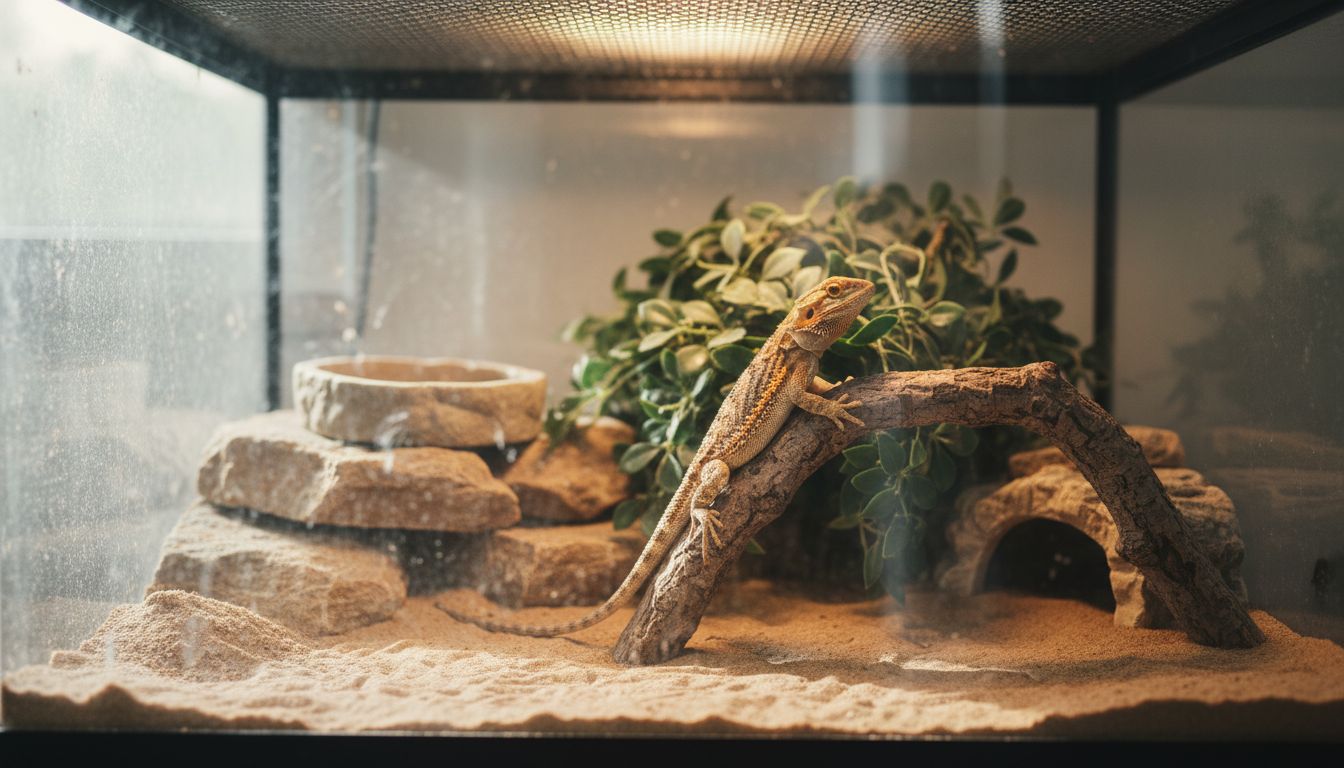
Substrate selection is more than just covering the bottom of the enclosure it’s about creating a safe and comfortable environment. Avoid loose substrates like sand that can cause dangerous impaction issues. Instead, opt for reptile carpet, ceramic tiles, or slate that provide a stable walking surface and are super easy to clean. These materials also help prevent accidental ingestion during mealtime, which can seriously mess with your dragon’s digestive system.
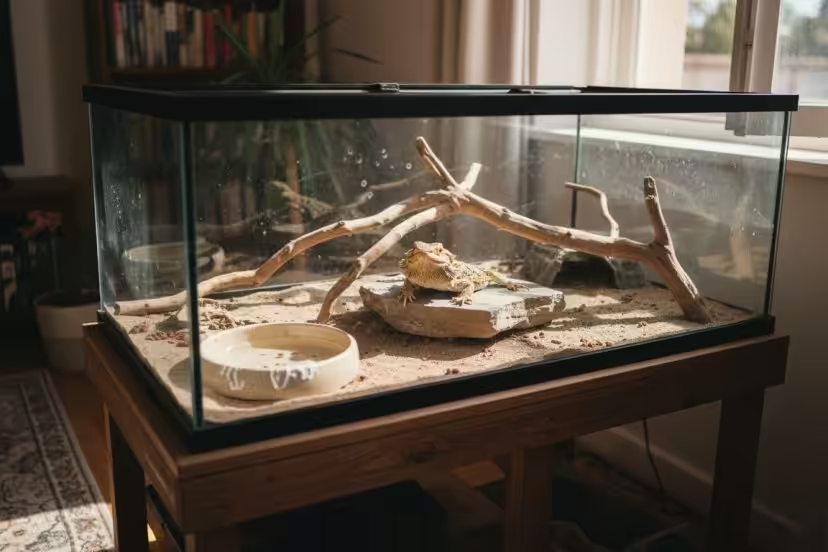
Decor is where you can get creative and mimic your bearded dragon’s native Australian desert environment. Add flat rocks for basking, branches for climbing, and small hide spaces where your little prehistoric buddy can feel secure. Textured backgrounds that resemble rocky terrain can make the habitat feel more natural and stimulating. Pro tip: Ensure all decor elements are securely placed and have no sharp edges that could potentially injure your dragon during their adventurous explorations. Your goal is to create a mini desert paradise that keeps your scaly friend both physically safe and mentally engaged.
Step 4: Set Up Hides Climbing and Basking Areas
Creating the perfect playground for your bearded dragon means designing a habitat that lets them live their best prehistoric life. Think of this step as constructing a miniature adventure zone where your scaly friend can explore, climb, chill, and feel totally secure.
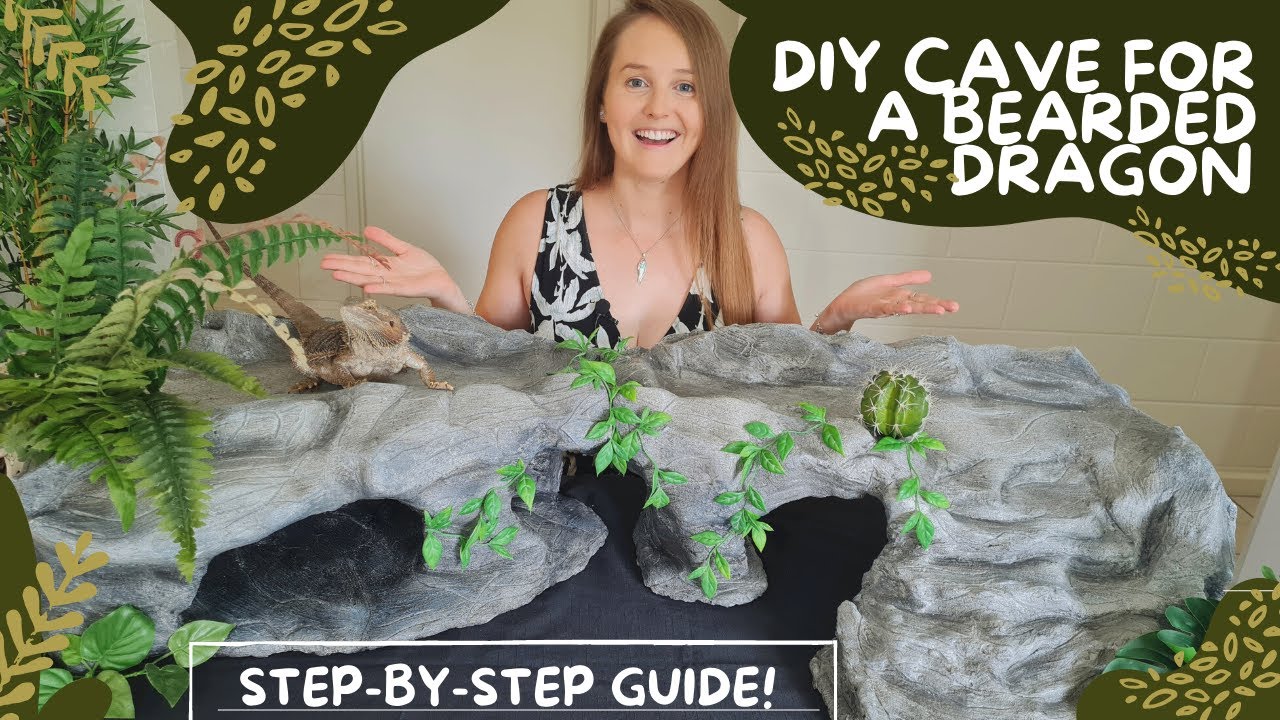
Hides are absolutely crucial for your dragon’s sense of safety and well-being. Place at least two to three hiding spots throughout the enclosure, one on the warm side and another on the cooler side. These can be ceramic cave structures, cork bark tunnels, or commercially designed reptile shelters. The key is providing spaces where your dragon can retreat, feel protected, and regulate their body temperature. Climbing structures are equally important; consider adding sturdy branches, smooth rocks, or specially designed reptile hammocks that allow vertical movement and mimic their natural rocky desert terrain.
Basking areas require careful strategic placement. Position a flat rock or wide branch directly under your basking lamp to create the perfect sunbathing spot. This area should be large enough for your entire dragon to stretch out and soak up heat comfortably. Pro tip: Ensure the basking surface is rough sufficient to provide good grip but smooth enough to prevent potential injury. Your goal is to create a habitat that feels like a five-star resort for your little prehistoric companion, who deserves nothing less than an epic dragon domain.
Step 5: Verify Habitat Safety and Environmental Conditions
Turning your bearded dragon’s habitat into a secure sanctuary requires more than just throwing some rocks and lights together. This final step is about transforming your carefully designed space into a bulletproof paradise that keeps your scaly friend safe, healthy, and totally thriving.
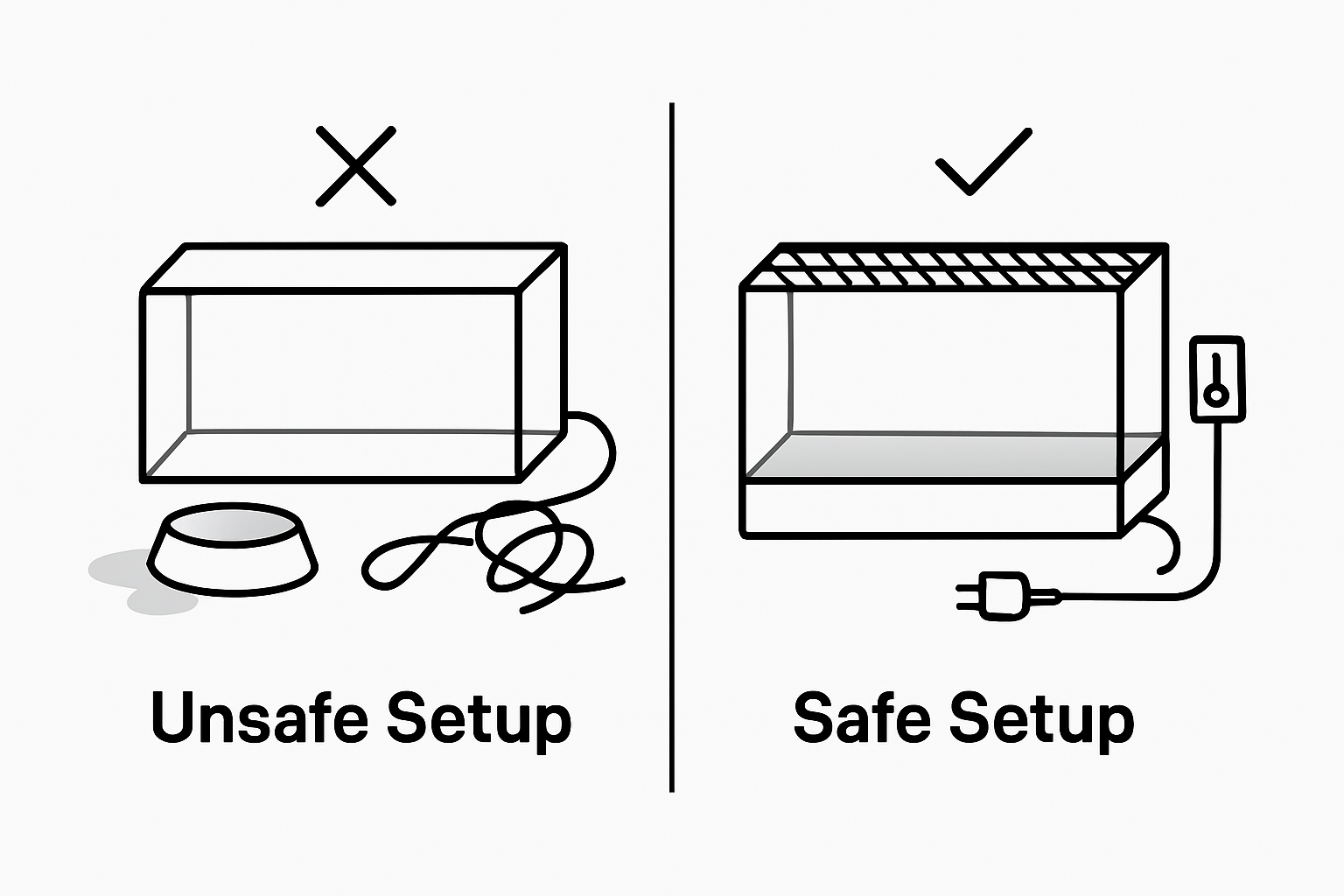
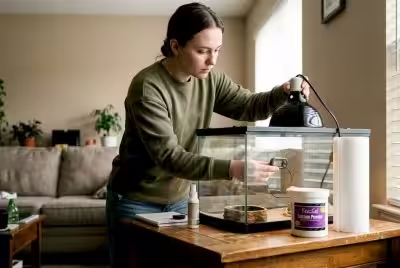
Safety starts with proper ventilation and environmental control. According to expert reptile care guidelines, you want a screen-style top that allows optimal airflow while maintaining heat and light exposure. Invest in a reliable digital thermometer and hygrometer to monitor temperature and humidity levels throughout the enclosure. Check that no electrical cords are exposed and that all decor elements are securely fastened to prevent any potential accidents during your dragon’s adventurous explorations.
Perform a comprehensive safety audit by getting down to your dragon’s eye level and scanning for potential hazards. Look for sharp edges, loose substrate areas where your little prehistoric buddy might get stuck, or items that could topple over during climbing. Pro tip: Take periodic photos of the habitat to track any changes and ensure consistent safety standards. Your goal is creating an environment that feels like a five-star resort meets adventure playground for your bearded dragon, who deserves nothing less than absolute reptilian luxury.
Elevate Your Bearded Dragon Habitat with Expert Guidance and Essential Resources
Building a natural and safe habitat for your bearded dragon can feel overwhelming when you face challenges like choosing the right enclosure size, selecting safe substrates, and maintaining ideal temperature and lighting conditions. This article highlights the importance of precise heating setups, secure hides, and natural decor choices to keep your scaly companion healthy and thriving. If you want to avoid common mistakes that lead to health risks, such as impaction or overheating, having access to trusted care guides and quality products is crucial.

Discover a treasure trove of expert advice, detailed habitat cleaning guides, and essential health checklists at Go Bearded Dragon. Whether you are setting up a new terrarium or upgrading an existing one, unlock the secrets to creating a vibrant, five-star desert paradise for your bearded dragon. Start exploring now and give your pet the thriving environment they deserve with proven tips and resources all in one place. Visit Go Bearded Dragon and take the first step toward perfecting your dragon’s home today.
Frequently Asked Questions
How do I choose the right enclosure size for my bearded dragon?
Selecting an appropriate enclosure size is crucial for your bearded dragon’s comfort. Aim for a terrarium that is at least 75 gallons to provide ample space for basking and exploring. Make sure the enclosure allows your dragon to move freely and feel secure in their environment.
What type of heating system should I install in my bearded dragon’s habitat?
Your bearded dragon needs a basking area with temperatures between 90°F and 100°F, along with a cooler side ranging from 75°F to 85°F. Install a basking lamp on one side of the enclosure and ensure nighttime temperatures do not drop below 70°F. This setup mimics their natural habitat.
What type of substrate should I use for my bearded dragon’s habitat?
Choose a stable substrate like reptile carpet, ceramic tiles, or slate that is easy to clean and prevents impaction issues. Avoid loose substrates such as sand that can be ingested during feeding, compromising your dragon’s health. Ensure the substrate covers the bottom securely for comfort and safety.
How can I create climbing and hiding areas for my bearded dragon?
Incorporate sturdy branches, flat rocks, and specially designed reptile shelters to offer climbing and hiding spaces. Aim for at least two to three hiding spots throughout the enclosure to help your bearded dragon feel safe and secure. Arrange these elements strategically across the habitat for added engagement.
What safety measures should I take before placing my bearded dragon in their habitat?
Conduct a safety audit by inspecting the enclosure for sharp edges, loose substrate, and securely fastened decor elements. Ensure that the habitat has proper ventilation with a screen-style top and monitor the environment for temperature and humidity levels. Make adjustments as needed to keep your dragon safe and comfortable.