7 Essential Types of Bearded Dragon Habitats Explained
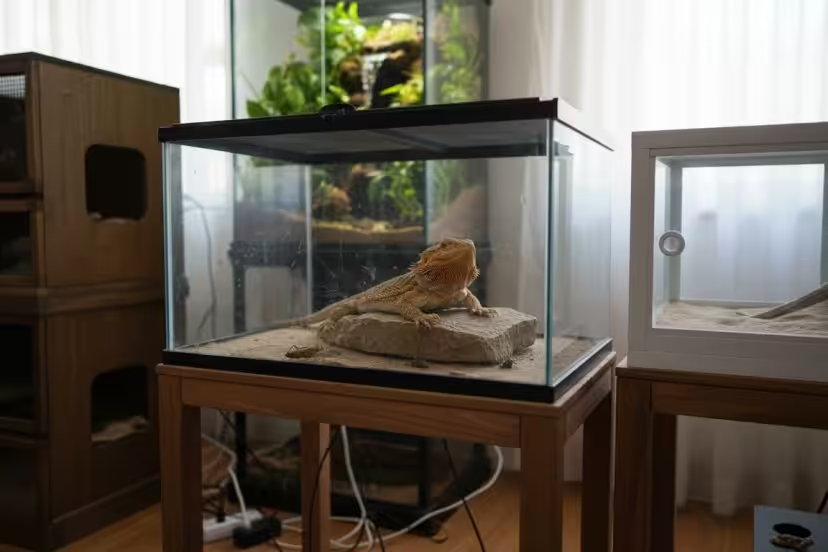
Over 80 percent of bearded dragon owners still choose glass tank habitats as their first setup for a reason. Finding the ideal environment for your scaly friend matters more than you might think since it influences health, stress, and even color. Whether you are new or experienced with reptiles, understanding the real pros and drawbacks of each American housing option will help you pick the best home for your bearded dragon with confidence.
Table of Contents
- Glass Tank Habitats: The Classic Setup Explained
- Wooden Vivariums: Durability and Insulation Benefits
- PVC Enclosures: Lightweight and Easy to Clean
- Bioactive Habitats: Naturalistic and Low Maintenance
- Outdoor Enclosures: Sunlight and Fresh Air Safely
- DIY Custom Builds: Tailoring Habitats to Your Space
- Travel and Temporary Habitats: Safe Moves and Quarantine
Quick Summary
| Takeaway | Explanation |
|---|---|
| 1. Choose the Right Habitat Size | A minimum of 40 gallons for glass tanks and 48 inches for wooden vivariums is essential for adult bearded dragons. |
| 2. Prioritize Proper Heating | Supplement habitats with heating elements like ceramic emitters to maintain optimal temperature for your bearded dragon. |
| 3. Create Microclimates in Outdoor Enclosures | Ensure outdoor habitats have shaded and sunny areas, with a temperature range between 24°C to 43°C for comfort. |
| 4. Select Non-Chemical Materials for DIY | Use untreated hardwoods or reptile-safe materials in DIY builds to create a safe and healthy habitat. |
| 5. Implement a Robust Quarantine Plan | For travel and new dragon introductions, ensure temporary habitats have proper ventilation, size, and secure enclosures to minimize stress. |
1. Glass Tank Habitats: The Classic Setup Explained
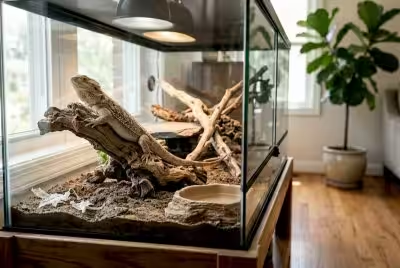
When it comes to housing your scaly pal, glass tank habitats are the tried-and-true method that most bearded dragon owners start with. These transparent enclosures provide a clear view of your little dragon’s world while offering a straightforward housing solution.
Glass aquariums have been a popular choice for reptile enthusiasts due to their widespread availability and affordable pricing. However, they come with some unique considerations that can impact your bearded dragon’s comfort and well-being.
Pros of Glass Tank Habitats:
- Easy to find and purchase
- Transparent design allows full visibility
- Generally affordable for new reptile owners
- Comes in multiple size options
Potential Challenges:
- It can be quite heavy to move
- May not retain heat as effectively as other materials
- It can potentially affect your dragon’s coloration due to heat retention issues
When selecting a glass tank, aim for a minimum size of 85 gallons for an adult bearded dragon. Larger is always better. Look for tanks with secure, well-fitting lids that prevent escape while allowing proper ventilation. Pro tip: Place the tank away from direct sunlight and drafty areas to maintain a consistent temperature.
For optimal dragon living conditions, supplement your glass habitat with proper heating elements like ceramic heat emitters or specialized reptile basking lights. Remember that your glass tank is more than just a container its your bearded dragon’s entire universe.
2. Wooden Vivariums: Durability and Insulation Benefits
If you are looking to upgrade from a basic glass tank, wooden vivariums represent a game-changing habitat option for your bearded dragon. These sturdy enclosures offer significant advantages that can transform your reptile’s living experience.
Why Wooden Vivariums Rock:
- Superior heat retention capabilities
- Enhanced insulation compared to glass tanks
- More stable internal temperature
- Natural wood aesthetic blends with home decor
- Typically lighter and easier to move than glass
Wooden vivariums create a microclimate that mimics your bearded dragon’s natural desert habitat. Their solid wood construction helps maintain consistent temperatures better than transparent glass enclosures. Think of it like a cozy thermal blanket for your scaly friend.
Key Selection Criteria:
- Choose enclosures made from untreated hardwoods
- Ensure proper ventilation with strategically placed mesh panels
- Look for sealed wood to prevent moisture absorption
- Minimum recommended size: 48 inches long for adult dragons
Pro tip: When selecting a wooden vivarium, prioritize construction quality. A well-built habitat can last years and provide a stable environment that helps your bearded dragon thrive. Avoid cheap particle board or chemically treated woods that might release harmful fumes.
Remember that your habitat is more than just a container. Its an ecosystem designed to keep your modern day dinosaur comfortable and healthy. Wooden vivariums offer that perfect blend of functionality and natural aesthetic that both you and your dragon will appreciate.
3. PVC Enclosures: Lightweight and Easy to Clean
Welcome to the world of modern bearded dragon housing, where PVC enclosures are stealing the spotlight. These sleek habitats are like the sports cars of reptile homes lightweight, durable, and seriously impressive.
Why PVC Enclosures Are a Game Changer:
- Incredibly lightweight and portable
- Moisture resistant design
- Simple to clean and maintain
- Excellent temperature stability
PVC enclosures offer something special that other habitat materials cannot. These plastic powerhouses provide superior moisture resistance and temperature control, making them perfect for creating a stable environment for your scaly companion.
Smart Selection Tips:
- Choose enclosures with adjustable ventilation
- Ensure smooth interior surfaces for easy cleaning
- Select sizes that allow a proper temperature gradient
- Look for UV-resistant materials
While PVC enclosures tend to be pricier than traditional glass tanks, their durability and low maintenance make them a worthwhile investment. Think of it as upgrading from a basic smartphone to a smart device your bearded dragon will definitely appreciate the technological leap.
Pro tip: When setting up your PVC habitat, focus on creating multiple temperature zones. Use ceramic heat emitters and strategic lighting to mimic your dragon’s natural desert environment. Your little mood ring with scales will thank you for the thoughtful design.
4. Bioactive Habitats: Naturalistic and Low Maintenance
Imagine a bearded dragon habitat that practically takes care of itself. Welcome to the world of bioactive enclosures a revolutionary approach to reptile housing that turns your dragon’s home into a self sustaining ecosystem.
Bioactive habitats incorporate live plants and a specialized cleanup crew to create an environment that mimics your dragon’s natural desert landscape. Its like bringing a slice of the Australian outback right into your living room.
Key Components of Bioactive Habitats:
- Live desert-appropriate plants
- Microfauna cleanup crew
- Naturalistic substrate layers
- Minimal human maintenance required
- Enriched environmental stimulation
The magic happens with a carefully constructed substrate system. Start with a drainage layer, add a screening barrier, then top with a natural substrate mix that includes organic materials like coconut fiber, sand, and small rocks. Your cleanup crew typically includes tiny organisms like springtails and isopods that break down waste and keep the environment clean.
Smart Implementation Tips:
- Choose drought-tolerant plants like succulents
- Select reptile-safe substrate materials
- Maintain proper humidity levels
- Monitor plant and microfauna health regularly
- Ensure adequate ventilation
Pro tip: Think of your bioactive habitat as a tiny living world. Each element plays a role in creating a balanced ecosystem that keeps your scaly friend happy and healthy. Your bearded dragon will feel like royalty in their own miniature desert kingdom.
5. Outdoor Enclosures: Sunlight and Fresh Air Safely
Ready to give your bearded dragon a taste of the great outdoors? Outdoor enclosures offer an incredible opportunity to provide natural sunlight and enriching environmental experiences for your scaly companion.
Bearded dragons thrive with proper temperature gradients, and outdoor habitats can help you achieve this naturally. The key is creating a safe, controlled environment that mimics their native Australian desert landscape.
Critical Outdoor Habitat Requirements:
- Secure perimeter to prevent escape
- Protection from predators
- Temperature zones between 24°C to 43°C
- Shade and sunny areas
- Wind protection
- Portable design for quick relocation
Outdoor enclosures must provide appropriate temperature regulation and safety while allowing your dragon to enjoy natural sunlight. This means constructing a habitat with multiple microenvironments where your pet can move between warm and cool areas.
Smart Design Strategies:
- Use wire mesh with small openings
- Include multiple hiding spots
- Create elevated basking platforms
- Add temporary shade covers
- Install removable heat lamps for cooler days
Pro tip: Start with short supervised outdoor sessions. Think of it like taking your dragon on a supervised field trip where they can explore safely. Your little modern-day dinosaur will absolutely love the sensory adventure.
6. DIY Custom Builds: Tailoring Habitats to Your Space
Want to become the ultimate bearded dragon architect? DIY custom habitat builds let you transform your scaly friend’s living space into a personalized paradise that fits your home and your dragon’s unique personality.
Why Go Custom?
- Complete design flexibility
- Perfect fit for your specific space
- Budget friendly alternative to premade enclosures
- Opportunity to create a unique habitat
- Full control over materials and features
The secret to an awesome DIY habitat is understanding your bearded dragon’s core needs. You are essentially creating a miniature desert ecosystem that balances temperature, humidity, and enrichment. Think of yourself as a reptilian interior designer with engineering skills.
Essential DIY Habitat Considerations:
- Measure your available space precisely
- Select durable reptile-safe materials
- Plan for proper ventilation
- Design temperature gradient zones
- Include multiple textures and climbing surfaces
- Ensure secure closures and escape-proof design
Pro Builder Tips:
- Use waterproof wood sealants
- Create modular sections for easy cleaning
- Install removable lighting fixtures
- Build with future expansion in mind
- Incorporate natural-looking background elements
Remember that your DIY habitat is more than just a box. It’s a carefully crafted home for your little dragon. Take your time. Plan carefully. Your scaly friend will appreciate the love and effort you put into creating their personal kingdom.
7. Travel and Temporary Habitats: Safe Moves and Quarantine
Every bearded dragon needs a travel plan. Whether you’re moving across town or introducing a new dragon to your reptile family, having the proper temporary habitat can make all the difference between a smooth transition and a stressful experience.
Temporary habitats require careful planning to maintain your dragons health and safety. Think of these mobile homes as first-class travel accommodations for your scaly companion.
Critical Travel Habitat Features:
- Secure enclosed design
- Appropriate size for your dragon
- Proper ventilation
- Temperature regulation capabilities
- Soft non-slip surfaces
- Lightweight and portable
During travel and quarantine, focus on creating a stable environment that minimizes stress. Your temporary habitat should feel like a cozy mobile bedroom that keeps your dragon comfortable and calm.
Smart Quarantine Setup Tips:
- Use clear plastic containers with air holes
- Include a small hide box
- Pack familiar substrate materials
- Carry portable heat sources
- Create separate spaces for new dragons
- Maintain consistent feeding schedule
Pro tip: Treat your travel habitat like a five-star hotel for your bearded dragon. A little extra care during transitions can prevent major stress and potential health issues. Your reptilian friend will thank you for the first-class treatment.
Below is a comprehensive table summarizing various habitat options for bearded dragons, including their pros, challenges, and considerations.
| Habitat Type | Advantages | Challenges/Considerations |
|---|---|---|
| Glass Tank Habitats | Transparent, affordable, easy to find | Heavy, poor heat retention affects coloration |
| Wooden Vivariums | Good insulation, stable temperature | Requires untreated wood, proper ventilation |
| PVC Enclosures | Lightweight, moisture-resistant, easy to clean | Higher cost, requires temperature gradients |
| Bioactive Habitats | Low maintenance, naturalistic | Requires live plants, proper substrate setup |
| Outdoor Enclosures | Natural sunlight, enriching | Needs secure design, temperature control |
| DIY Custom Builds | Design flexibility, budget-friendly | Requires precise measurements, secure features |
| Travel & Temporary Habitats | Portable, secure | Needs consistent temperature, soft surfaces |
Discover the Perfect Habitat for Your Bearded Dragon Today
Choosing the right habitat is one of the biggest challenges every bearded dragon owner faces. Whether you are balancing heat retention, ventilation, or the need for natural sunlight, this guide on “7 Essential Types of Bearded Dragon Habitats Explained” covers the key concepts like glass tanks, wooden vivariums, PVC enclosures, and even bioactive setups. The common goal is clear: keeping your scaly friend comfortable and thriving in a safe environment that supports their health and natural behaviors.

Ready to take your bearded dragon care to the next level Join countless reptile lovers who trust gobeardeddragon.com for comprehensive advice on everything from habitat maintenance to health checklists. Explore detailed guides and practical tips tailored specifically for bearded dragons. Find inspiration for your custom build or get expert insights on travel habitats. Start creating a perfect home your dragon will love today by visiting gobeardeddragon.com and transforming your pet care experience with ease.
Frequently Asked Questions
What are the benefits of using glass tank habitats for bearded dragons?
Glass tank habitats are easy to find, provide a clear view of your pet, and are generally affordable for new reptile owners. Ensure you choose a size of at least 40 gallons for an adult dragon and use proper heating elements to maintain a comfortable environment.
How do I set up a wooden vivarium for my bearded dragon?
To set up a wooden vivarium, select untreated hardwood and ensure proper ventilation. Look for a minimum size of 48 inches long and consider sealing the wood to prevent moisture absorption for a stable, insulated environment.
What should I consider when choosing a PVC enclosure for my bearded dragon?
When selecting a PVC enclosure, prioritize features like adjustable ventilation, smooth interior surfaces for easy cleaning, and UV-resistant materials. Focus on creating multiple temperature zones to mimic your dragon’s natural habitat for optimal comfort.
How do bioactive habitats benefit bearded dragons?
Bioactive habitats create a self-sustaining ecosystem that mimics a bearded dragon’s natural environment, reducing the need for human maintenance. Incorporate live plants and a microfauna cleanup crew to enrich your dragon’s living space, making it feel more natural and stimulating.
What are the essential features of an outdoor enclosure for my bearded dragon?
An outdoor enclosure should have a secure perimeter to prevent escape, temperature zones ranging between 24°C to 43°C, and areas for both shade and sun. Ensure protection from predators and consider a portable design for easy relocation.
How can I create a safe travel habitat for my bearded dragon?
For a safe travel habitat, use a secure enclosed design with proper ventilation and temperature regulation capabilities. Include soft, non-slip surfaces and pack familiar substrate materials to keep your bearded dragon comfortable during the journey.