Bearded Dragon Social Needs – Why Solitude Matters

Every bearded dragon owner has wondered what those strange head bobs or waving arms really mean. Understanding reptile social behaviors can transform how you care for your scaly friend and ensure their health and comfort. With over 70 percent of pet reptiles showing signs of stress from improper housing, recognizing social cues is more than curiosity; it is crucial. You will discover practical ways to help your bearded dragon thrive, reduce stress, and respond to their unique social needs.
Table of Contents
- Understanding Bearded Dragon Social Behaviors
- Solitary Habits Versus Group Housing Risks
- Enrichment Methods To Prevent Social Stress
- Recognizing And Responding To Social Stress
Key Takeaways
| Point | Details |
|---|---|
| Bearded Dragons Communicate Through Body Language | Understanding their signals, like beard inflation and arm waving, helps owners interpret emotional states and manage interactions. |
| Solitary Nature Requires Separate Housing | Housing multiple bearded dragons together can lead to stress and aggression; individual enclosures are essential for their well-being. |
| Environmental Enrichment is Crucial | Providing varied habitats and challenges keeps bearded dragons mentally stimulated and supports their natural behaviors. |
| Recognizing Stress Indicators is Key | Observing subtle behavioral changes can help owners respond effectively to reduce stress and promote a healthy environment. |
Understanding Bearded Dragon Social Behaviors
Bearded dragons are fascinating reptiles with complex social behaviors that might surprise many pet owners. While they aren’t social in the same way mammals are, they communicate through intricate visual signals and display remarkable individual personality traits. Unique communication patterns reveal their sophisticated interaction methods within their environment.
These scaly companions use several distinct body language techniques to express themselves. Beard inflation serves as a primary communication method, where they puff out their throat area to signal different emotional states. Head bobbing indicates dominance or territorial assertions, while arm waving represents submission or recognition. These signals help them establish social hierarchies and communicate potential threats or peaceful intentions.
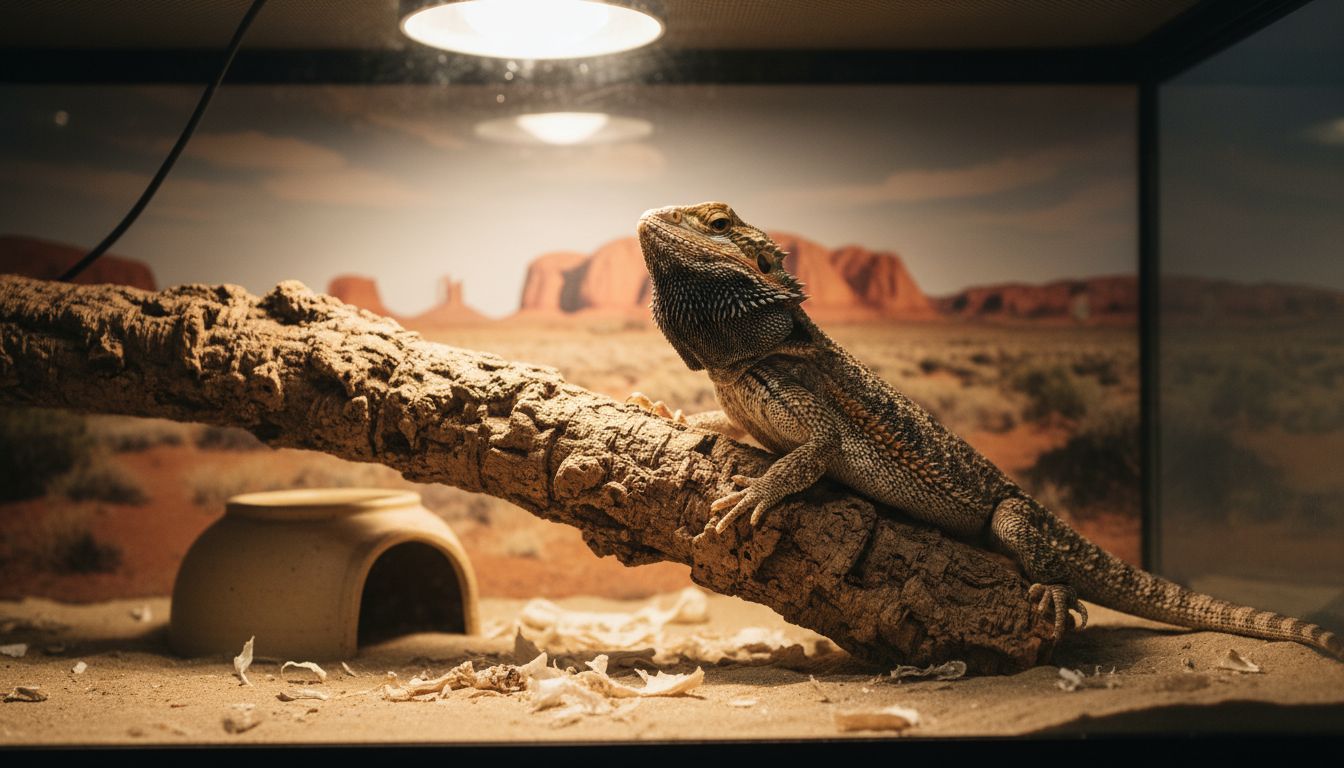
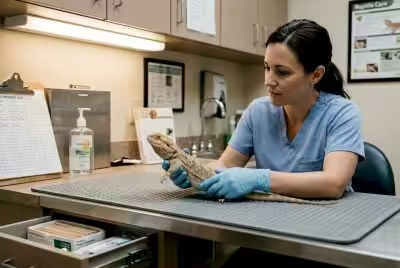
Interestingly, bearded dragons can form nuanced relationships with their human caretakers. Reptile behavioral studies demonstrate that they can recognize individual humans and develop levels of comfort and trust. Some dragons show clear preferences for specific people, responding differently based on familiarity and past interactions. This suggests that, while they may not be cuddly companions, they can develop unique bonds with their owners.
To truly understand your bearded dragon’s social needs, observation is key. Watch for subtle behavioral cues like head positioning, beard coloration changes, and body posture. These signals provide invaluable insights into their emotional state and help you create a more responsive, enriching environment for your scaled companion.
Solitary Habits Versus Group Housing Risks
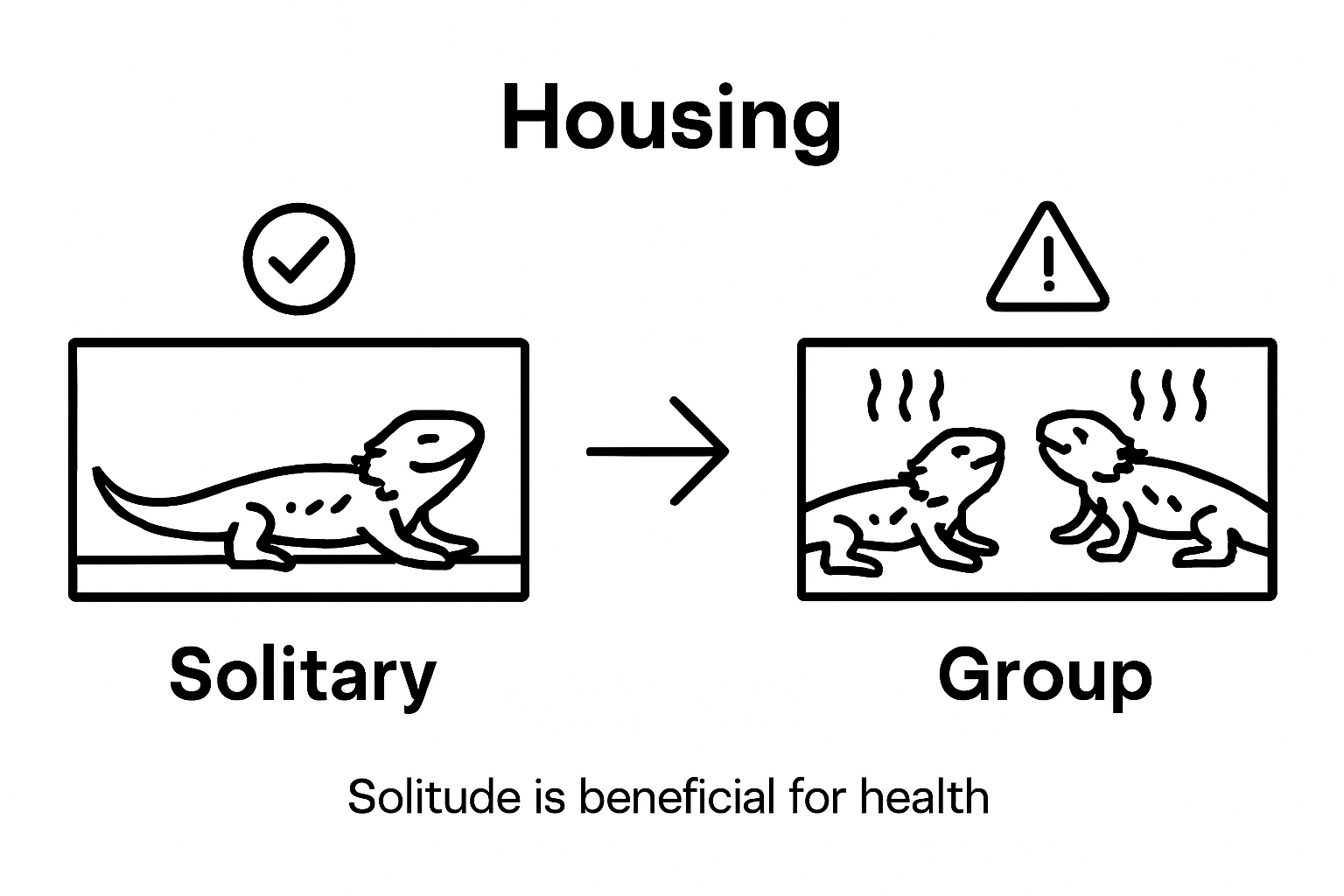
Bearded dragons are naturally solitary creatures with deeply ingrained territorial instincts. Scientific observations reveal that housing multiple bearded dragons together can lead to significant stress, aggressive behaviors, and potential physical harm. Their evolutionary biology simply does not support communal living, making group housing a risky and potentially dangerous proposition for these reptiles.
In the wild, bearded dragons rarely gather except during brief mating encounters or when environmental conditions force temporary proximity. Territorial aggression becomes particularly pronounced when multiple dragons share limited space, with dominant individuals likely to attack or seriously injure subordinate dragons. Competing for resources like basking spots, food, and water can trigger intense confrontations that may result in severe injuries, including bite wounds, tail damage, and chronic stress.
Reptile habitat research indicates that while bearded dragons might occasionally cluster near feeding or basking areas, they do not form social bonds or cooperative groups. Each dragon operates with an individualistic survival strategy, preferring personal space and minimal interaction. This behavioral pattern means that what might seem like social gathering is actually a temporary, circumstantial arrangement driven by environmental necessities rather than genuine social connection.
For responsible bearded dragon owners, the key takeaway is clear: separate enclosures are not just recommended, they are essential. Keeping individual dragons in their own habitats prevents potential physical conflicts, reduces stress, and allows each reptile to maintain its natural behavioral patterns. When housing multiple bearded dragons, owners must be prepared to provide entirely separate living spaces with distinct territories, heat sources, and enrichment opportunities.
Enrichment Methods to Prevent Social Stress
Bearded dragon enrichment techniques play a crucial role in maintaining their mental and physical well-being, despite their solitary nature. Understanding that these reptiles do not experience loneliness like social mammals helps owners develop targeted strategies to keep them stimulated and content. These methods focus on creating engaging environments that mimic their natural habitats and provide mental challenges.
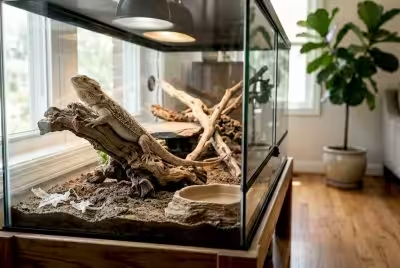
Environmental enrichment for bearded dragons involves multiple approaches. Habitat complexity is key, which means creating enclosures with varied terrain, multiple hiding spots, and different textures. Introducing branches, rocks, and different substrate areas allows them to explore and engage their natural climbing and investigating instincts. Rotating decorative elements periodically prevents monotony and encourages exploratory behaviors, helping reduce potential stress from predictable surroundings.
Interaction with their human caretakers can also serve as a form of enrichment. Regular, gentle handling, supervised exploration outside their enclosure, and structured interaction times help stimulate their cognitive abilities. Consider introducing puzzle feeders to make obtaining food more challenging, or creating obstacle courses to encourage problem-solving and physical movement. These activities tap into their natural hunting and exploration instincts, providing mental stimulation without forcing unwanted social interactions.
Some practical enrichment strategies include providing different temperature zones within their habitat, offering varied dietary experiences, and creating opportunities for physical challenge. Introducing safe objects they can climb, dig around, or investigate can significantly enhance their quality of life. The goal is not to simulate social connection, but to provide a dynamic, engaging environment that meets their instinctual needs for exploration, challenge, and individual territory management.
Recognizing and Responding to Social Stress
Bearded dragon stress indicators reveal complex behavioral signals that owners must learn to interpret accurately. Recognizing social stress early can prevent potential health complications and ensure your reptilian companion remains comfortable and healthy. These stress signals are nuanced, ranging from subtle body language shifts to more pronounced aggressive displays that signal underlying environmental or emotional challenges.
Body language interpretation becomes crucial in understanding your bearded dragon’s emotional state. Reptile communication techniques demonstrate that behaviors like arm waving, beard darkening, and unusual positioning can indicate significant stress levels. Arm waving typically signals submission or attempts to avoid confrontation, while a darkened beard might represent defensive posturing or extreme discomfort. Rapid color changes, excessive hiding, reduced appetite, and abnormal lethargy are additional warning signs that suggest your bearded dragon is experiencing heightened stress.
Responding to social stress requires a multi-faceted approach focused on environmental management and careful observation. Immediate actions should include removing potential stressors, ensuring proper habitat conditions, and providing a calm, predictable environment. This might mean adjusting temperature gradients, reducing external disturbances, or reorganizing their living space to create more secure territories. Regular, gentle interaction combined with respecting their individual space can help mitigate stress and build trust between you and your scaly companion.
Prevention remains the most effective strategy in managing social stress for bearded dragons. Maintain consistent routines, provide enrichment activities that simulate natural behaviors, and avoid situations that might trigger territorial responses. Monitoring your dragon’s behavior, maintaining optimal habitat conditions, and understanding their unique personality will help you create a supportive environment that minimizes stress and promotes overall well-being.
Prioritize Your Bearded Dragon’s Need for Solitude and Well-Being
Understanding the solitary nature of bearded dragons is essential for their health and happiness. The article highlights critical challenges such as territorial aggression and social stress that arise from improper housing arrangements. If you want to create a safe space that respects your pet’s instincts and enhances their quality of life, knowing the right habitat setup and enrichment techniques is vital. Concepts like territorial aggression, individual territory management, and stress indicators are key to preventing harm and nurturing trust.

Discover detailed care guides, habitat maintenance tips, and stress relief strategies at gobeardeddragon.com. This go-to resource empowers you to meet your bearded dragon’s unique social needs with practical solutions and expert advice. Start creating a calm and enriched environment now to ensure your pet thrives. Visit Bearded Dragon Social Needs – Why Solitude Matters and explore comprehensive support for your dragon’s natural lifestyle.
Frequently Asked Questions
Why are bearded dragons solitary creatures?
Bearded dragons are naturally solitary due to their territorial instincts and evolutionary biology, which means they prefer personal space and do not thrive in communal living arrangements.
How do I recognize social stress in my bearded dragon?
Social stress in bearded dragons can be indicated by behaviors such as arm waving, beard darkening, excessive hiding, reduced appetite, and abnormal lethargy.
What are some effective enrichment methods for bearded dragons?
Effective enrichment methods include creating habitat complexity with varied terrain, providing climbing opportunities, rotating decorative elements, and engaging in gentle handling or supervised exploration outside their enclosure.
Can bearded dragons develop social bonds with their owners?
Yes, bearded dragons can develop unique bonds with their human caretakers by recognizing familiar individuals and showing different responses based on past interactions, even though they are not social in the traditional sense.