7 Essential Bearded Dragon Care Tips Every Owner Should Know
Nearly every reptile owner wants their bearded dragon to thrive, not just survive. These unique pets need more than a basic tank and some crickets to enjoy a healthy, happy life. With the right care, habitat, and nutrition, even a beginner can create a comfortable environment where their scaly companion can flourish. Discover practical tips backed by expert advice to help your bearded dragon live its best life from habitat setup to daily routines.
Table of Contents
- Choose The Right Enclosure For Your Bearded Dragon
- Provide Proper Heating And UVB Lighting
- Offer A Balanced And Nutritious Diet
- Keep The Habitat Clean And Safe
- Recognize Signs Of Common Health Issues
- Handle Your Bearded Dragon Safely
- Enrich Their Environment With Fun Accessories
Quick Summary
| Takeaway | Explanation |
|---|---|
| 1. Choose a spacious enclosure | Your bearded dragon needs an enclosure at least 1.5 meters wide for proper movement and comfort. |
| 2. Maintain a proper temperature gradient | Create a warm basking area of 95-105°F and a cooler area of 80-85°F to allow your dragon to self-regulate. |
| 3. Provide a varied and balanced diet | Offer a mix of protein-rich insects and leafy greens, adjusting as your dragon matures to ensure proper nutrition. |
| 4. Keep the habitat clean | Regularly clean the enclosure to prevent illness and stress, ensuring a safe environment for your bearded dragon. |
| 5. Monitor for health issues | Watch for signs like unusual lethargy or abnormal shedding, which may indicate nutritional deficiencies or health problems. |
1. Choose the Right Enclosure for Your Bearded Dragon
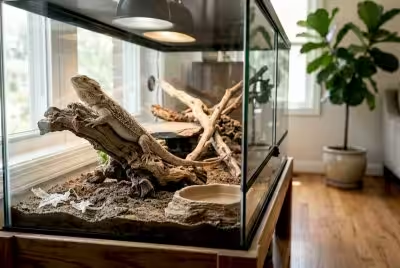
Welcome to Bearded Dragon Habitat 101. Your scaly pal needs a home that feels like a five-star reptile resort, not a cramped studio apartment. Choosing the proper enclosure isn’t just about looks; it’s about creating a comfortable living space that supports your dragon’s health and happiness.
Size matters big time when it comes to bearded dragon habitats. Adult bearded dragons require spacious environments that allow them to move, explore, and thermoregulate. According to veterinary research, you’ll want an enclosure that’s at least 1.5 meters wide and 1 meter high to give your dragon room to roam.
The ideal enclosure provides more than just square footage. Ventilation is crucial. Your habitat needs a secure top that prevents escapes while allowing proper air circulation. Think of it like creating a mini Australian desert ecosystem right in your home, a place where your bearded dragon can feel safe and comfortable.
When selecting materials, glass terrariums or custom wooden enclosures work best. Avoid wire cages that can injure your dragon or compromise temperature control. Transparent sides allow your pet to observe its surroundings while feeling secure, a perfect balance of visibility and protection.
Pro tip: Measure your bearded dragon before purchasing an enclosure. Aim for a habitat at least three times its body length to ensure ample space for movement and exploration.
2. Provide Proper Heating and UVB Lighting
Your bearded dragon isn’t just another lizard. These little mood rings with scales are basically miniature solar collectors that depend entirely on environmental temperature and light for survival. Getting their habitat’s heating and lighting right isn’t an option; it’s absolutely critical for their health and happiness.
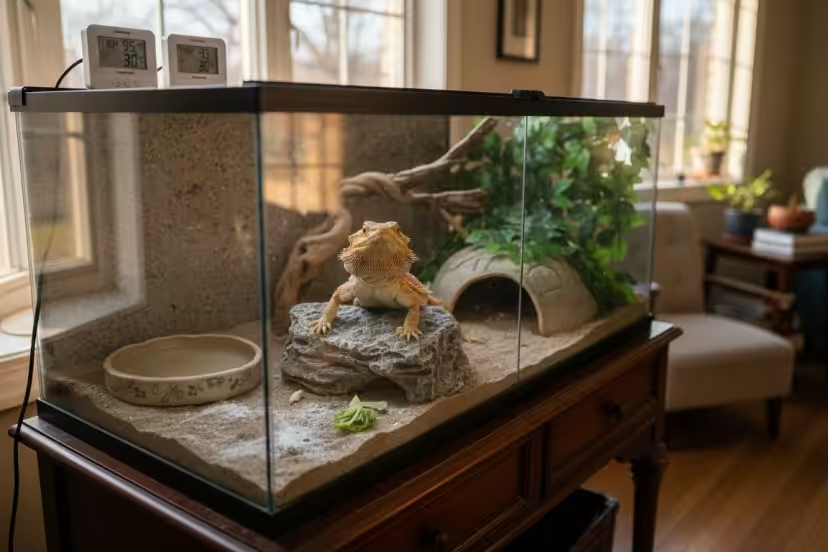
Temperature Gradient is the magic word in bearded dragon care. Your scaly friend needs a habitat with distinct temperature zones a warm basking area and a cooler retreat. The basking spot should reach about 95 to 105 degrees Fahrenheit during the day, while the cooler end can hover around 80 to 85 degrees. This allows your dragon to regulate its body temperature by moving between warm and cool areas, just like they would in their natural desert habitat.
UVB lighting isn’t just decorative, it’s life-sustaining. These special lights help bearded dragons synthesize vitamin D3, which is crucial for calcium absorption and bone health. Without proper UVB exposure, your dragon can develop severe metabolic bone disease, a condition that can cause painful deformities and long-term health problems.
When setting up lighting, aim for a 12-hour day-and-night cycle. Use a high-quality UVB bulb designed explicitly for desert reptiles, and replace it every six months, even if it still appears to be working. The bulb’s UV output diminishes over time, reducing its effectiveness.
Pro tip: Use a digital thermometer with probe sensors to monitor different areas of the enclosure and ensure your bearded dragon always has appropriate temperature zones to choose from.
3. Offer a Balanced and Nutritious Diet
Feeding your bearded dragon isn’t just about tossing some crickets into their habitat; it’s about crafting a culinary experience that keeps them healthy and thriving. These reptilian gourmets need a carefully balanced diet that mimics their natural eating patterns in the wild.
Protein is King for younger bearded dragons. According to scientific research, juvenile dragons need protein-rich insects every 1 to 2 days to support their rapid growth. Crickets, mealworms, and dubia roaches are the superstars of their protein world. As your dragon ages, you’ll want to reduce insect intake and increase vegetable consumption gradually.
Vegetables aren’t just side dishes; they’re essential nutrition. Aim to provide a colorful mix of leafy greens, such as collard, mustard, and dandelion. Think of these as the multivitamin salad bar for your scaly friend. Squash, bell peppers, and occasional fruits can add variety and additional nutrients.
Supplementation is critical. Dust insects with calcium powder and use a reptile multivitamin to prevent nutritional deficiencies. Younger dragons will need more frequent supplementation compared to adults. Watch their eating habits, the amount they consume will change as they grow from playful juveniles to mature adults.
Pro tip: Create a feeding schedule that gradually transitions from high protein to more vegetable-based nutrition as your bearded dragon matures, helping them maintain optimal health through every life stage.
4. Keep the Habitat Clean and Safe
Your bearded dragon’s home isn’t just a living space; it’s a microcosm of their entire world. Maintaining a clean and safe habitat isn’t just about aesthetics; it’s about preventing illness, reducing stress, and ensuring your scaly companion stays happy and healthy.
Substrate Selection plays a crucial role in habitat maintenance. Avoid loose substrates, such as sand, that can cause dangerous impaction if accidentally ingested. Instead, opt for reptile carpet, ceramic tiles, or newspaper that is easy to clean and replace. Think of the substrate as your dragon’s living room floor, which always needs to be pristine and safe.
Daily and weekly cleaning routines are your secret weapon against potential health risks. Remove uneaten food immediately to prevent bacterial growth. Spot-clean droppings daily and perform a thorough habitat deep clean every 2 to 4 weeks. This means removing all decorations, washing them with reptile-safe disinfectant, and thoroughly cleaning the entire enclosure surface.
Watch for signs of potential habitat hazards. Sharp edges, loose decorations, or objects that could potentially fall and injure your dragon need immediate removal. Your bearded dragon depends on you to create a safe environment where they can explore, bask, and feel secure.
Pro tip: Create a cleaning schedule and stick to it religiously. Set reminders on your phone to ensure you never miss a habitat maintenance session, keeping your bearded dragon’s home as pristine as a five-star reptile resort.
5. Recognize Signs of Common Health Issues
Bearded dragons might look tough, but they can be surprisingly delicate creatures. Learning to spot early warning signs of health problems can mean the difference between a minor issue and a serious medical emergency for your scaly companion.
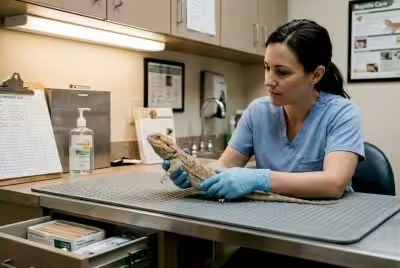
Metabolic Bone Disease is the dragon world’s most notorious villain. Watch for signs like soft or bowed limbs, swollen joints, tremors, or difficulty moving. These symptoms suggest your dragon isn’t getting enough calcium or proper UVB exposure. Unusual lethargy or decreased appetite often accompany this condition and should trigger an immediate veterinary consultation.
Skin and mouth health provide critical clues about your dragon’s overall wellness. Abnormal Shedding can indicate nutritional deficiencies or underlying health problems. Look for patches of skin that don’t shed completely, discoloration, or unusual texture changes. Mouth rot presents as white or yellowish patches around the mouth, swelling, or reluctance to eat. These are red flags that require professional attention.
Scientific research on bearded dragon physiology highlights the importance of understanding subtle health indicators. Male and female dragons can display different physiological markers, so knowing your specific dragon’s typical appearance helps you recognize when something seems off.
Parasitic infections can lurk beneath the surface. Unexplained weight loss, runny droppings, visible worms in stool, or dramatic changes in eating habits might signal an internal parasite problem. Regular fecal tests with a reptile veterinarian can catch these issues early.
Pro tip: Maintain a weekly body condition log with photos and notes about your bearded dragon’s appearance, weight, and behavior. This documentation can help veterinarians diagnose potential health issues more quickly and accurately.
6. Handle Your Bearded Dragon Safely
Your bearded dragon isn’t a teddy bear or a stress ball. These delicate reptiles require gentle handling that respects their unique physiology and emotional state. Learning to handle them correctly isn’t just about preventing injury; it’s about building trust and creating a strong bond.
Approach Technique matters more than you might think. Always move slowly and predictably. Sudden movements can startle your scaly friend, triggering their fight-or-flight response. When picking up your bearded dragon, slide your hand underneath their body from the side, supporting their entire body weight. Never grab them from above. This mimics predator behavior and can cause significant stress.
Temperature plays a crucial role in safe handling. Bearded dragons are cold-blooded creatures who rely on external heat to regulate body temperature. Before handling, ensure your hands are warm and the room is comfortable. Cold hands can shock their system and make them feel vulnerable. Safe handling techniques involve creating a calm environment where your dragon feels secure.
Watch their body language closely. A puffed-up beard, dark coloration, or aggressive posturing means your dragon wants to be left alone. Respect their boundaries. Some days they might be more social, while other times they need space. Younger dragons tend to be more skittish and require extra patience during handling sessions.
Pro tip: Create a consistent handling routine that occurs during the same time of day when your bearded dragon is most calm, typically after basking when they are warm and relaxed. Start with short 5-minute sessions and gradually increase duration as they become more comfortable.
7. Enrich Their Environment With Fun Accessories
Your bearded dragon’s habitat isn’t just a living space; it’s their entire universe. Making this world engaging and stimulating can transform a simple enclosure into a reptilian paradise that keeps your scaly friend mentally and physically active.
Climbing Opportunities are essential for these semi-arboreal lizards. Habitat research confirms that bearded dragons absolutely love vertical spaces. Incorporate sturdy branches, smooth driftwood, and stable rock formations that mimic their natural Australian desert environment. These accessories aren’t just decorative they provide exercise, mental stimulation, and territories for your dragon to explore.
Think beyond basic furniture. Your dragon needs multiple hiding spots to feel secure. Please include at least two different caves or hide areas where they can retreat when feeling stressed or simply want some alone time. These spaces should vary in temperature zones, allowing your dragon to thermoregulate while feeling protected. Ceramic caves, cork bark tunnels, and flat slate stones can create fascinating landscapes that encourage natural behaviors.
Texture variety matters. Smooth surfaces, rough rocks, and soft substrate areas create sensory experiences that keep your bearded dragon engaged. Avoid anything with sharp edges or unstable structures that could potentially cause injury. Every accessory should serve a purpose supporting your dragon’s physical and psychological well-being.
Pro tip: Rotate accessories every few weeks to prevent boredom. Introducing new climbing structures or rearranging existing ones can provide mental stimulation and prevent your bearded dragon from becoming too comfortable in a static environment.
Below is a comprehensive table summarizing key points on the care and maintenance of bearded dragons discussed throughout the article.
| Topic | Description | Key Considerations |
|---|---|---|
| Choosing the Right Enclosure | A spacious environment is crucial, ideally 1.5m wide by 1m high. Secure top for ventilation. Glass or custom wood recommended. | Avoid wire cages; ensure the habitat size is three times the dragon’s length. |
| Proper Heating and UVB Lighting | Essential for temperature regulation and vitamin D3 synthesis. Temperature zones: 95-105°F basking, 80-85°F cooler areas. | Replace UVB bulbs every six months. Use digital thermometers to monitor zones. |
| Balanced Diet | Young dragons need high protein; older dragons require more vegetables. Essential greens include collard and mustard greens. | Supplement diet with calcium powder and multivitamins—transition from high protein to more vegetables as dragons age. |
| Habitat Cleanliness | Use safe substrates, such as reptile carpet or tiles. Daily and weekly cleaning is needed to prevent illness. | Spot-clean daily and deep-clean every 2 to 4 weeks. |
| Health Monitoring | Watch for signs of metabolic bone disease and abnormal shedding. Regular veterinary check-ups are recommended. | Maintain logs of the dragon’s condition and behavior to aid diagnosis. |
| Safe Handling | Requires gentle, slow approaches. Support their full weight when picking them up. | Handle them when warm and observe body language to avoid stress. |
| Environmental Enrichment | Include climbing structures and multiple hide areas for mental stimulation and exercise. | Rotate or rearrange accessories regularly to prevent boredom and mimic natural environments. |
Elevate Your Bearded Dragon Care With Expert Resources and Support
Caring for a bearded dragon involves understanding crucial details such as habitat size, temperature gradients, UVB lighting, balanced nutrition, and safe handling techniques. If you want to ensure your scaly friend thrives while avoiding common challenges such as metabolic bone disease or improper enclosure setup, you need trusted guidance tailored to these specific needs. Our comprehensive guides on bearded dragon health, habitat maintenance, and enrichment ideas can help you create the perfect environment that keeps your pet healthy and happy.

Start transforming your bearded dragon’s life today by exploring expert advice and practical tips at gobeardeddragon.com. Visit now to access detailed care guides, cleaning schedules, feeding plans, and proven handling methods. Don’t wait until a health issue arises; take control of your dragon’s wellbeing with trusted information and resources designed just for you.
Frequently Asked Questions
What size enclosure do I need for my bearded dragon?
Your bearded dragon needs an enclosure that is at least 1.5 meters wide and 1 meter high to allow for comfortable movement and exploration. Measure your dragon and ensure the habitat is three times its body length for optimal space.
How do I create a proper temperature gradient in my bearded dragon’s habitat?
To create a proper temperature gradient, establish a basking area between 95 and 105 degrees Fahrenheit and a cooler retreat around 80 to 85 degrees. Use a digital thermometer to monitor temperatures and ensure your bearded dragon can thermoregulate by moving between different zones.
What should I include in my bearded dragon’s diet?
Provide a balanced diet that includes protein-rich insects for younger dragons and a variety of leafy greens and vegetables for adults. Transition from high-protein foods to more vegetable-based nutrition as your dragon matures, adjusting their diet within a few months based on their age and health.
How often should I clean my bearded dragon’s habitat?
Clean your bearded dragon’s habitat daily by removing uneaten food and spot cleaning droppings. Perform a thorough deep clean every two to four weeks to keep their environment safe and healthy.
How can I identify signs of common health issues in my bearded dragon?
Look for signs like soft limbs, trouble moving, or abnormal shedding, which may indicate health problems. Keep a weekly log of your dragon’s appearance and behavior to help catch issues early and consult a veterinarian if you notice any concerning changes.
What’s the best way to handle my bearded dragon safely?
To handle your bearded dragon safely, approach them slowly and support their entire body weight when picking them up. Establish a handling routine during calm times, such as after basking, starting with short sessions and gradually increasing the time as they become more comfortable.