Bearded Dragon UV Index: Ensuring Optimal Health
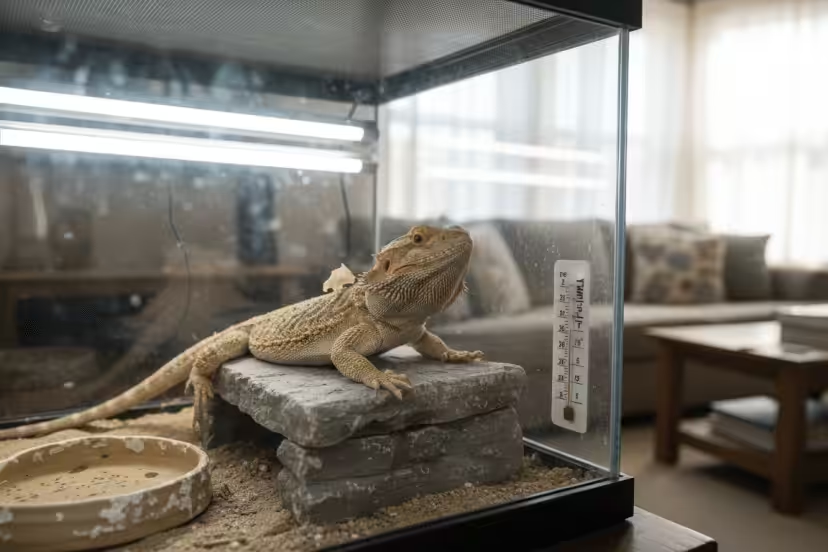
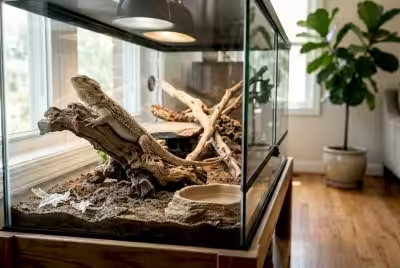
Choosing the right lighting for your bearded dragon often feels confusing for new pet owners. The health and happiness of these unique reptiles depend on a balance of ultraviolet light, especially UV Index management, to support strong bones and natural behavior. Learning about the UV Index ensures you can create a habitat that mimics real sunlight and protects your dragon from common health issues while promoting healthy growth throughout its life.
Table of Contents
- Bearded Dragon UV Index Defined And Demystified
- Types Of UVB Lighting For Reptile Habitats
- Ideal UVB Levels For Different Life Stages
- Benefits Of Proper UV Index For Dragons
- Risks From Incorrect UV Exposure And Solutions
Key Takeaways
| Point | Details |
|---|---|
| Understanding UV Index | The UV Index is essential for bearded dragon health, as it helps manage UV-B light exposure critical for vitamin D synthesis and calcium metabolism. |
| UVB Lighting Options | Choose the right UVB lighting type (Fluorescent, Mercury Vapor, or LED) for your dragon’s habitat, and replace bulbs regularly to maintain effectiveness. |
| Life Stage Requirements | Adjust UVB exposure based on your bearded dragon’s life stage to promote optimal growth and health: 8-10 for hatchlings, 6-8 for juveniles, and 4-6 for adults. |
| Health Risks of UV Imbalances | Both underexposure and overexposure to UV radiation can lead to serious health issues; therefore, regular monitoring and adjustments are vital. |
Bearded Dragon UV Index Defined and Demystified
Understanding the UV Index is crucial for maintaining your bearded dragon’s health and ensuring they receive appropriate light exposure. The UV Index measures ultraviolet light intensity, specifically focusing on the critical UV-B radiation that plays a fundamental role in reptile physiological processes. Ultraviolet radiation types directly impact how your scaly companion synthesizes vitamin D and maintains overall wellness.
Bearded dragons require specific UV-B light exposure to metabolize calcium and maintain robust bone structure. The UV Index helps reptile owners quantify and manage light intensity, ensuring their pets receive optimal radiation levels. Different ranges of UV Index correspond to varying potential health benefits and risks:
- UV Index 0-2: Minimal exposure, insufficient for reptile vitamin D synthesis
- UV Index 3-5: Moderate exposure, potentially beneficial with controlled duration
- UV Index 6-7: High exposure, requiring careful monitoring
- UV Index 8-10: Very high exposure, risk of potential harm if not managed properly
- UV Index 11+: Extreme exposure, potentially dangerous without proper protection
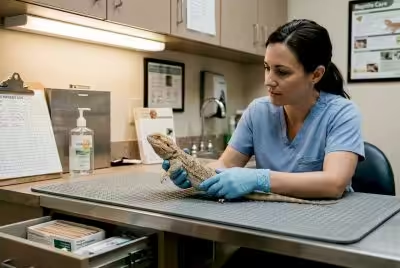
Professional reptile veterinarians recommend using specialized UVB bulbs designed for bearded dragons, which provide controlled, consistent radiation levels. These bulbs mimic natural sunlight spectrums and help prevent metabolic bone disease, a common health issue in captive reptiles. How to Set Up Bearded Dragon Habitat Naturally can provide additional insights into creating the perfect lighting environment.
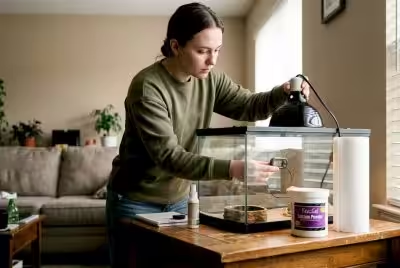
Pro tip: Position your UVB light approximately 12 inches from your bearded dragon’s basking area to ensure optimal radiation absorption without risking potential skin damage.
Types of UVB Lighting for Reptile Habitats
When creating the perfect habitat for your bearded dragon, selecting the right UVB lighting is paramount. Reptile lighting requirements involve understanding the nuanced differences between various lamp types and their specific benefits for your scaly companion. Not all UVB lights are created equal, and each type offers unique advantages for maintaining your bearded dragon’s health.
The most common types of UVB lighting for reptile habitats include:
-
- Affordable and widely available
- Provide consistent, moderate UVB output
- Ideal for smaller enclosures
- Require regular replacement to maintain effectiveness
-
- Provide both UVB radiation and heat
- Excellent for larger enclosures
- Emit a more intense UVB spectrum
- Combine lighting and heating functions
-
- Emerging technology in reptile lighting
- Energy-efficient
- Longer lifespan compared to traditional bulbs
- Still being researched for optimal reptile use
Professional reptile veterinarians emphasize the importance of positioning and replacing UVB lights regularly. The effectiveness of these lights diminishes over time, even when they appear to be functioning normally. How to Set Up Bearded Dragon Habitat Naturally can provide additional guidance on creating the optimal lighting environment for your bearded dragon.
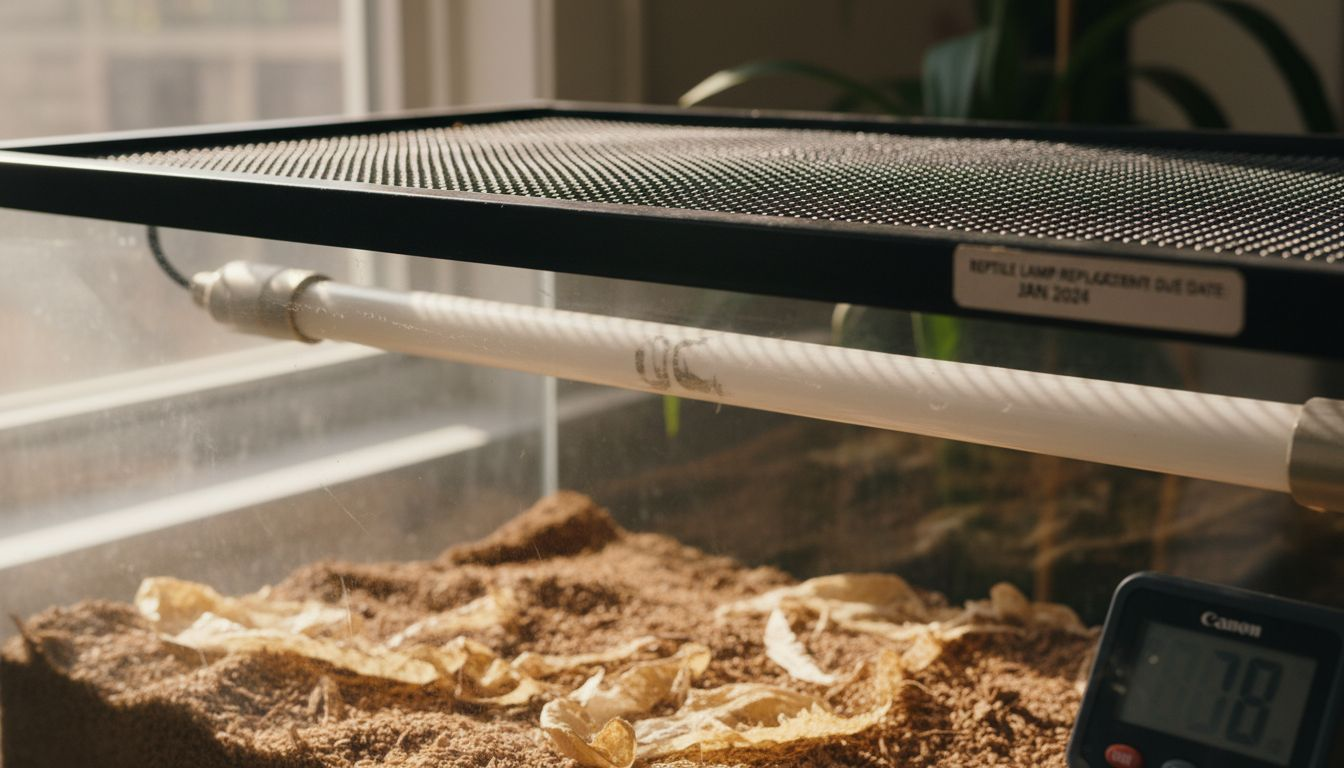
Pro tip: Replace your UVB bulbs every 6-12 months, even if they seem to be working, to ensure your bearded dragon receives optimal radiation levels.
Here’s a concise comparison of UVB lighting options for bearded dragon habitats:
| Lighting Type | Lifespan Estimate | Typical UV Output Zone | Maintenance Frequency |
|---|---|---|---|
| Fluorescent Tube | 6-12 months | Moderate, even distribution | Replace every 6-12 months |
| Mercury Vapor Lamp | 12-18 months | High, concentrated area | Replace annually |
| LED UVB Light | 2-5 years | Variable, experimental results | Replace every 2-5 years |
Ideal UVB Levels for Different Life Stages
Bearded dragons have unique UV radiation requirements that change dramatically throughout their life cycle. Bearded dragon care guidelines emphasize the critical importance of tailoring UVB exposure to match each developmental stage, ensuring optimal health and preventing potential metabolic complications.
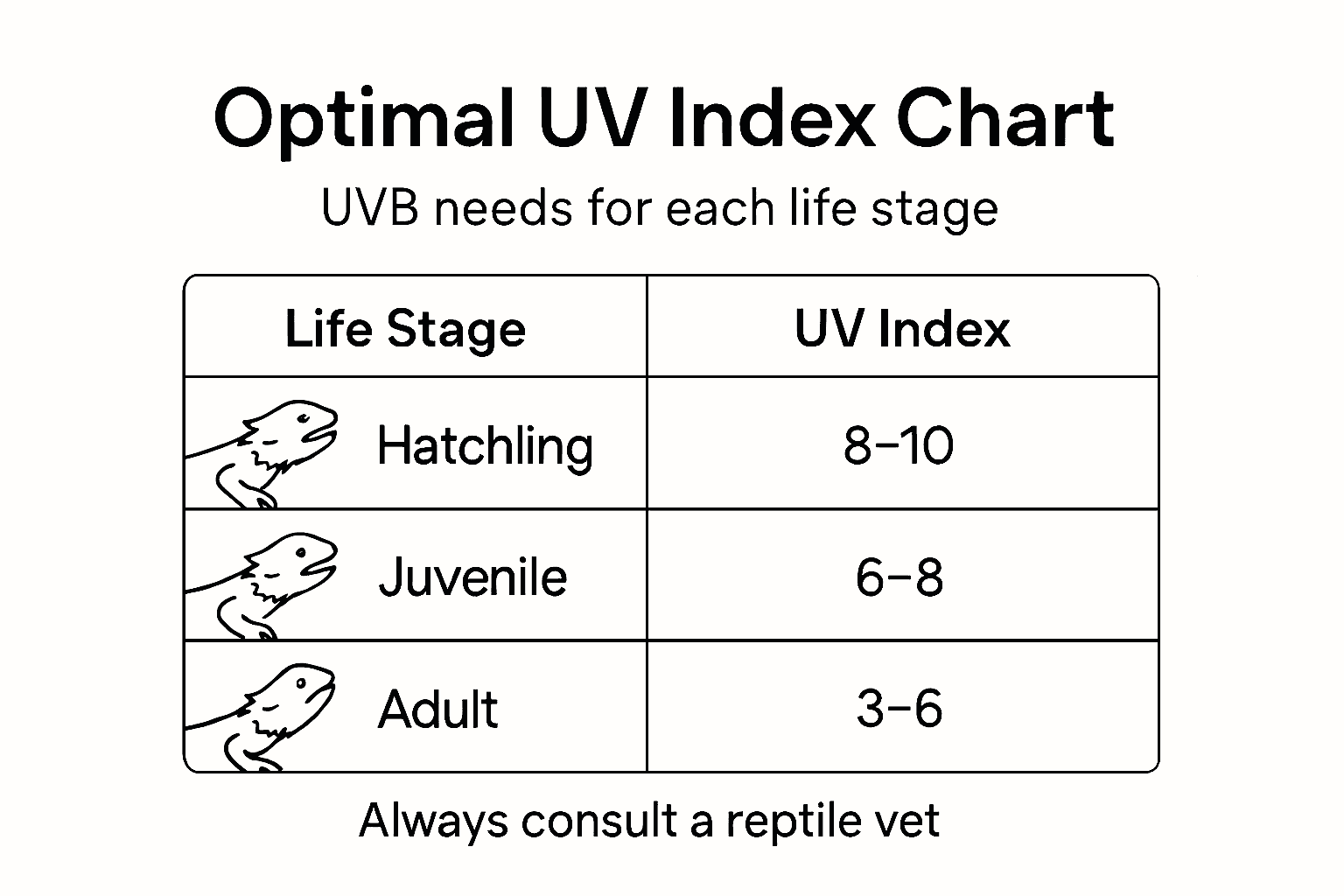
The UVB needs for bearded dragons vary significantly across different life stages:
-
Hatchling Stage (0-6 months):
- Highest UVB requirements
- Need intense UVB exposure for rapid bone development
- Recommended UVB index: 8-10
- Critical period for vitamin D3 and calcium metabolism
-
Juvenile Stage (6-18 months):
- Moderate to high UVB requirements
- Continuing bone growth and development
- Recommended UVB index: 6-8
- Gradual reduction in UVB intensity compared to hatchling stage
-
Adult Stage (18+ months):
- Maintenance UVB levels
- Focus on overall health preservation
- Recommended UVB index: 4-6
- Reduced metabolic demands compared to younger stages
Consistent and appropriate UVB exposure is crucial in preventing metabolic bone disease, a serious health condition that can significantly impact your bearded dragon’s quality of life.
How to Set Up Bearded Dragon Habitat Naturally provides additional insights into creating an optimal lighting environment that supports these changing UVB requirements throughout your pet’s life stages.
Pro tip: Consult with a reptile veterinarian annually to fine-tune your UVB lighting setup and ensure it matches your bearded dragon’s specific developmental needs.
Here’s a summary of UV Index recommendations for bearded dragons at each life stage:
| Life Stage | Recommended UV Index | Key Health Focus | Adjustments Needed |
|---|---|---|---|
| Hatchling (0-6m) | 8-10 | Rapid bone growth & metabolism | Frequent UV level checks |
| Juvenile (6-18m) | 6-8 | Continuing growth & development | Gradual reduction in intensity |
| Adult (18m+) | 4-6 | Maintenance and wellness | Annual vet consultation |
Benefits of Proper UV Index for Dragons
UV radiation is far more than just light for bearded dragons – it’s a critical component of their physiological and psychological well-being. Bearded dragon UV perception reveals that proper ultraviolet exposure impacts nearly every aspect of their health and behavior, transforming their habitat from a simple enclosure into a life-sustaining environment.
The key benefits of maintaining an optimal UV index for your bearded dragon include:
-
Metabolic Health:
- Enables efficient vitamin D3 production
- Supports calcium absorption
- Prevents metabolic bone disease
- Regulates critical bodily functions
-
Behavioral Regulation:
- Mimics natural environmental cues
- Triggers natural feeding behaviors
- Supports thermoregulation
- Enhances overall activity levels
-
Psychological Wellness:
- Reduces stress
- Promotes natural circadian rhythms
- Supports reproductive instincts
- Maintains mental stimulation
Proper UV exposure is essentially a biological symphony that orchestrates your bearded dragon’s entire physiological performance.
7 Essential Bearded Dragon Care Tips can provide additional context for comprehensive dragon care. Understanding these UV benefits transforms your role from a mere pet owner to a critical life support manager for your scaly companion.
Pro tip: Invest in a quality UV meter to precisely monitor and adjust your dragon’s light exposure, ensuring they receive the optimal radiation levels throughout their life stages.
Risks from Incorrect UV Exposure and Solutions
Bearded dragons are sensitive creatures whose health can be dramatically impacted by UV radiation imbalances. UV exposure guidelines demonstrate that both insufficient and excessive ultraviolet light can lead to serious health complications, making precise management critical for your scaly companion’s well-being.
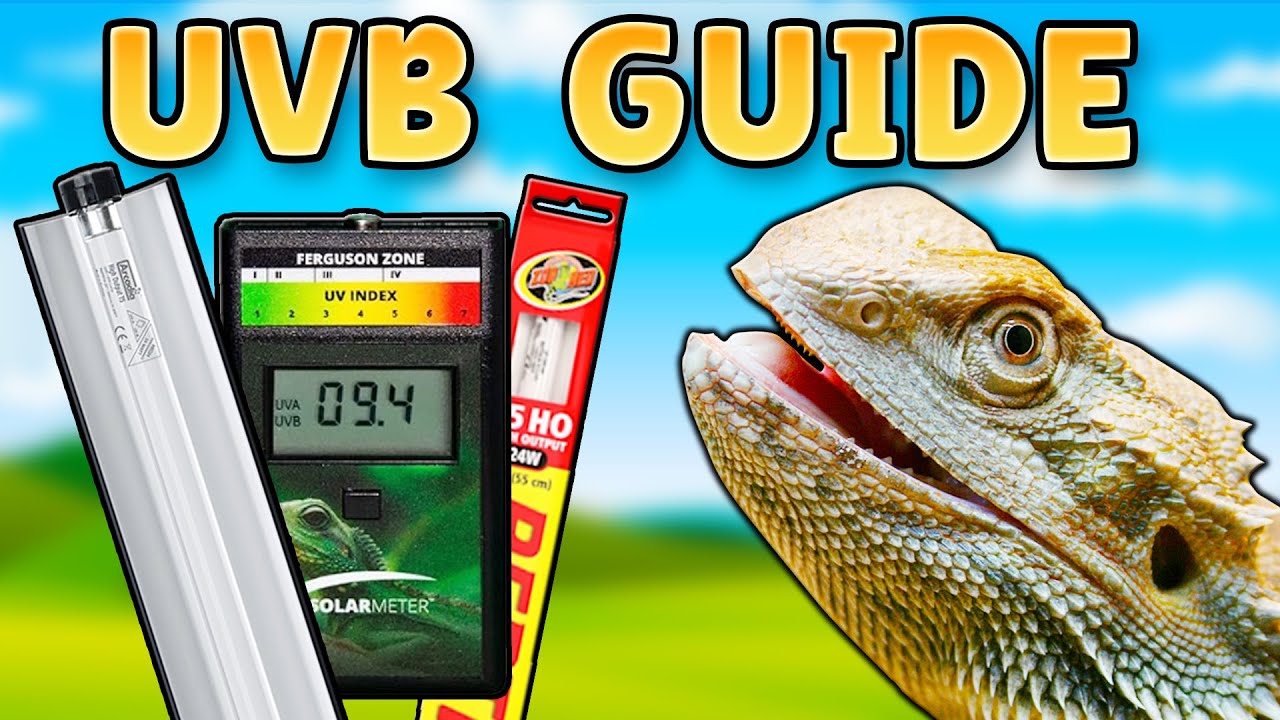
The potential risks of incorrect UV exposure include several critical health concerns:
Underexposure Risks:
- Metabolic bone disease
- Weakened immune system
- Stunted growth
- Calcium metabolism dysfunction
- Reduced vitamin D3 production
Overexposure Risks:
- Skin damage
- Eye problems
- Cellular mutations
- Suppressed immune response
- Potential thermal stress
Balancing UV exposure is like conducting a delicate biological orchestra – one missed note can disrupt the entire performance.
To mitigate these risks, reptile owners should implement strategic solutions that ensure optimal UV management. Bearded Dragon Enclosure Basics provides comprehensive insights into creating a safe lighting environment that minimizes potential health hazards.
Pro tip: Rotate your UVB bulbs every six months and use a UV meter to regularly check radiation levels, even if the bulb appears to be functioning normally.
Ensure Your Bearded Dragon Thrives with Optimal UV Care
Understanding the delicate balance of UV Index for your bearded dragon is essential to prevent serious health issues like metabolic bone disease and skin damage. If you want to confidently provide the right UV exposure tailored to every life stage, it all starts with expert advice and practical solutions. Maintaining proper UV levels is not only about bulbs but about creating a habitat that supports your dragon’s well-being and happiness.

Experience peace of mind by exploring detailed guides such as How to Set Up Bearded Dragon Habitat Naturally and other essential care tips available at gobeardeddragon.com. Take control now and optimize your pet’s environment with accurate UV information and proven care strategies designed to promote strong bones, vibrant behavior, and long-lasting health. Visit us today and transform your bearded dragon’s life with expert knowledge and trusted resources.
Frequently Asked Questions
What is the UV Index and why is it important for bearded dragons?
The UV Index measures ultraviolet light intensity, particularly UV-B radiation, which is essential for bearded dragons to synthesize vitamin D and maintain health. Proper UV exposure aids in calcium metabolism and prevents health issues like metabolic bone disease.
How much UVB exposure do bearded dragons need at different life stages?
Hatchlings (0-6 months) need a UV Index of 8-10, juveniles (6-18 months) require a UV Index of 6-8, and adults (18 months and older) should have a UV Index of 4-6 to maintain optimal health and prevent metabolic complications.
What types of UVB lighting are suitable for a bearded dragon habitat?
The most common UVB lighting options include fluorescent tubes (affordable, moderate output), mercury vapor lamps (intense UVB and heat), and LED UVB lights (energy-efficient, longer lifespan) that cater to different enclosure sizes and needs.
What are the consequences of incorrect UV exposure for bearded dragons?
Incorrect UV exposure can lead to serious health issues, such as metabolic bone disease from underexposure or skin damage and eye problems from overexposure. Proper management of UV levels is crucial to avoid these risks.
Recommended
- Role of Humidity for Bearded Dragons – Why It Matters
- Why Bearded Dragons Need Baths for Health
- 7 Essential Bearded Dragon Care Tips Every Owner Should Know
- How to Set Up Bearded Dragon Habitat Naturally