Bearded Dragon Enclosure Explained: What Owners Need
Setting up a proper bearded dragon enclosure is one of the first challenges every new owner faces. Many reptile keepers are surprised to learn that the size and design of their pet’s home can directly impact their dragon’s health and lifespan. Crafting an authentic slice of the Australian desert at home takes more than just a tank and a lamp. This guide highlights what really matters when designing a comfortable, safe, and stimulating environment for your pet.
Table of Contents
- Defining A Bearded Dragon Enclosure
- Indoor Vs Outdoor Enclosures Compared
- Key Features And Material Options
- Essential Equipment And Setup Process
- Costs, Maintenance, And Common Pitfalls
Key Takeaways
| Point | Details |
|---|---|
| Ideal Enclosure Features | A bearded dragon enclosure should provide appropriate temperature gradients, adequate space, and a secure design to support the reptile’s health and behavior. |
| Indoor vs Outdoor | Indoor enclosures offer better climate control, while outdoor setups provide natural sunlight but require careful management to protect against predators and weather extremes. |
| Material and Equipment | Glass terrariums are popular for heat retention, though high-quality plastic options can be viable; key equipment includes heating elements and UVB lights for optimal care. |
| Common Care Mistakes | Avoid using loose substrates and ensure proper UVB lighting, as these mistakes can lead to serious health issues in bearded dragons. |
Defining a Bearded Dragon Enclosure
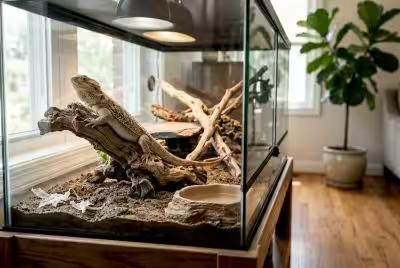
A bearded dragon enclosure is far more than just a container – it’s a carefully designed habitat that mimics the reptile’s native Australian desert environment. Specialized terrariums are engineered to provide your scaly companion with essential elements like warmth, security, and space to thrive.
Enclosures come in multiple styles, but glass tanks remain the gold standard for bearded dragon homes. These habitats typically feature solid walls that help retain heat, mesh tops for ventilation, and enough floor space to allow natural movement and exploration. The right enclosure isn’t just about dimensions – it’s about creating a miniature ecosystem that supports your dragon’s physical and behavioral needs.
Key features of an ideal bearded dragon enclosure include precise temperature gradients, adequate lighting zones, secure walls, and enough vertical and horizontal space for climbing, basking, and hiding. Most adult bearded dragons require a minimum 70 to 85-gallon tank, with recommendations favoring larger spaces that enable more natural behaviors. Considerations like material durability, heat retention, and safety play crucial roles in selecting the perfect habitat.
Pro tip: When choosing an enclosure, prioritize quality and functionality over aesthetics – your bearded dragon’s comfort and health are the top priorities.
Indoor vs Outdoor Enclosures Compared
Bearded dragon habitats can be strategically designed as either indoor or outdoor environments, each offering unique advantages and challenges. Specialized enclosure designs must carefully balance the reptile’s complex environmental needs with safety and comfort considerations.
Indoor enclosures provide unparalleled environmental control, allowing precise temperature and lighting management. Glass or plastic tanks equipped with dedicated heating lamps, UVB lights, and carefully monitored humidity levels create a stable microclimate that mimics the dragon’s native Australian desert landscape. These controlled settings protect against predators, extreme weather fluctuations, and potential health risks associated with unpredictable outdoor conditions.
Outdoor enclosures, while more challenging to maintain, offer natural benefits like direct sunlight exposure and expanded living space. However, these setups demand meticulous planning to prevent escape, protect from local wildlife, and shield the dragon from temperature extremes. Outdoor habitats require robust, secure screening, protection from direct midday sun, and quick access points for monitoring and feeding. They work best in regions with consistent, mild temperatures and low predator populations.
Pro tip: Before transitioning to an outdoor enclosure, gradually acclimate your bearded dragon and always supervise outdoor time to ensure their safety and comfort.
Here’s a quick comparison of indoor and outdoor bearded dragon enclosures:
| Aspect | Indoor Enclosure | Outdoor Enclosure |
|---|---|---|
| Climate Control | Precise, easy to regulate | Weather dependent |
| Exposure to Sunlight | Artificial via UVB lamps | Direct, natural sunlight |
| Predator Protection | Secure from predators | Requires extra measures |
| Maintenance Needs | Frequent cleaning required | Protection from wildlife |
Key Features and Material Options
Designing the perfect bearded dragon habitat requires careful consideration of specific enclosure features and materials. The right combination of design elements can dramatically impact your reptile’s health, comfort, and overall quality of life.
Material selection plays a crucial role in creating an optimal environment. Glass terrariums remain the most popular choice, offering excellent heat retention and visibility. Alternatively, high-quality plastic enclosures offer lightweight durability and ease of transport. Each material brings unique advantages: glass offers superior temperature stability, while plastic options may offer more affordable, lightweight alternatives. Critical features to prioritize include robust ventilation systems, secure locking mechanisms, and sufficient structural integrity to withstand a bearded dragon’s natural curiosity and potential climbing.
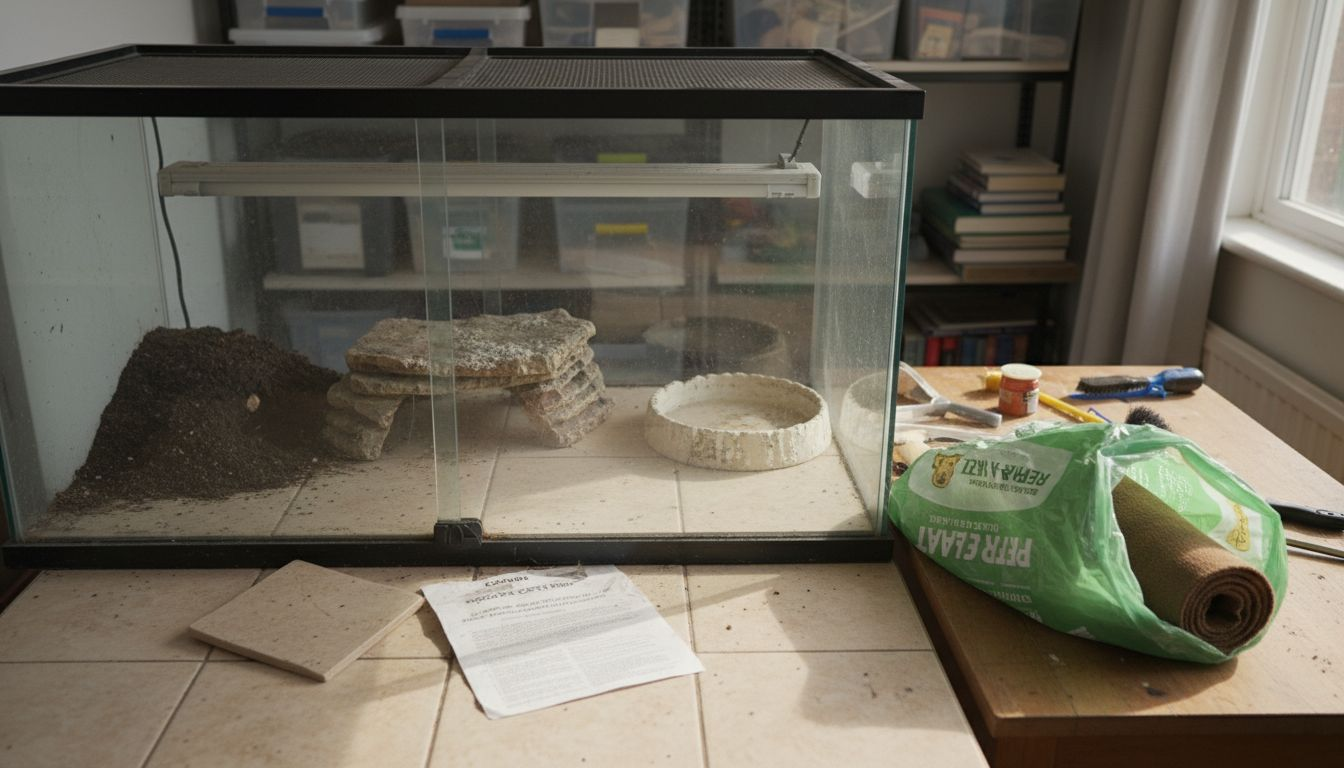
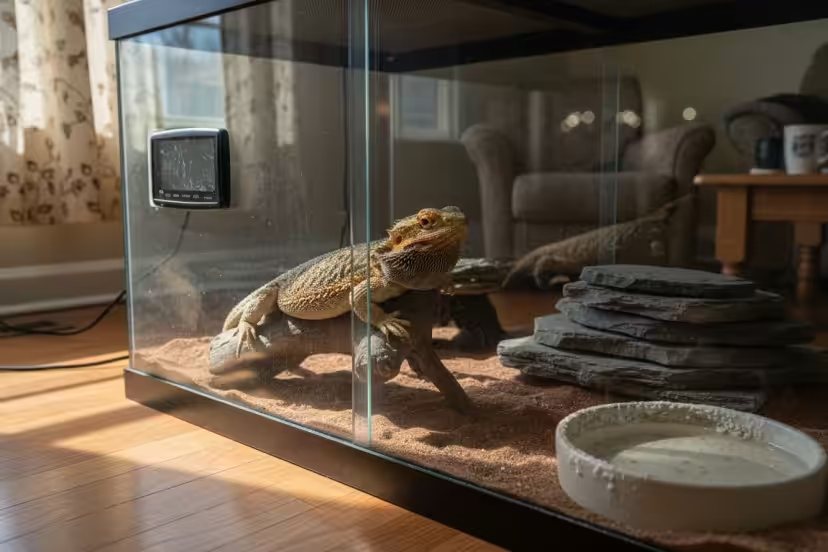
The interior of the enclosure demands equally strategic planning. Essential features include a dedicated basking zone with precise temperature control, UVB lighting for vitamin D synthesis, and a carefully designed temperature gradient that allows the dragon to self-regulate body heat. Substrate choices range from simple paper towels and ceramic tiles to more complex bioactive soil mixes, each with specific benefits for hygiene, moisture control, and environmental enrichment. Ventilation and lid security are non-negotiable elements that prevent escape and effectively manage humidity levels.
Pro tip: Invest in a digital thermometer with multiple probes to accurately monitor different temperature zones within your bearded dragon’s enclosure, ensuring optimal thermal gradients.
Essential Equipment and Setup Process
Setting up a bearded dragon habitat requires meticulous planning and specialized equipment for optimal reptile care. The foundation of a successful enclosure begins with selecting the right components that mimic the dragon’s natural Australian desert environment.
The primary equipment list includes critical elements for temperature and lighting management. Heating elements are paramount, with ceramic heat lamps or specific reptile heating panels designed to create a precise basking area between 38-42°C (100-108°F). Complementing heat sources, UVB lighting is non-negotiable – dragons require 10-12 hours of specialized UV radiation daily to synthesize vitamin D and maintain bone health. Digital thermometers with multiple probes become essential tools, allowing precise monitoring of temperature gradients across different enclosure zones.
Substrate and habitat enrichment represent another crucial dimension of setup. Safe substrate options range from ceramic tiles and paper towels to specialized bioactive soil mixes, each offering unique benefits for hygiene and environmental simulation. Climbing structures, hiding spots, and basking platforms transform a simple enclosure into a dynamic habitat that supports natural behaviors. Recommended minimum dimensions for adult bearded dragons hover around 4’x2’x2’, providing ample space for movement, thermoregulation, and mental stimulation. Ensuring proper ventilation, secure lid mechanisms, and strategically placed accessories can transform a basic enclosure into a thriving miniature ecosystem.
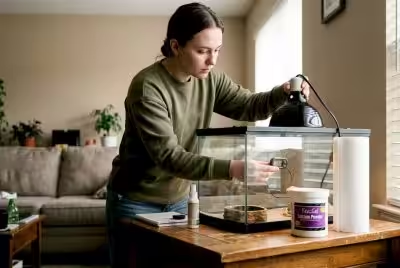
Pro tip: Create a dedicated “setup station” with all equipment pre-tested and calibrated before introducing your bearded dragon to minimize stress during the initial habitat transition.
Costs, Maintenance, and Common Pitfalls
Navigating the financial and practical landscape of bearded dragon care requires understanding the comprehensive costs and maintenance challenges associated with creating a healthy habitat. Initial setup expenses can range significantly, with smart investments proving crucial for long-term reptile health.
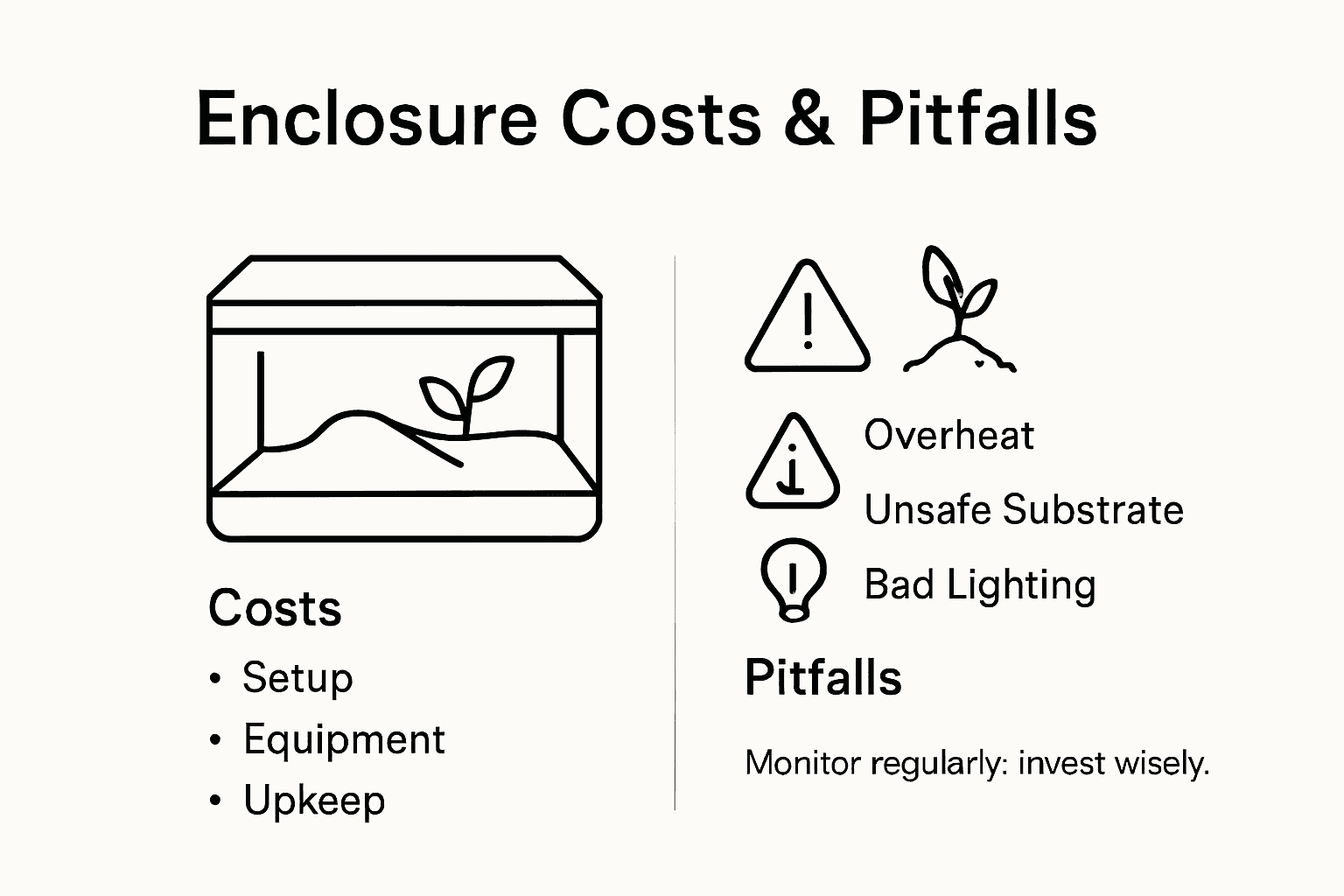
The financial breakdown of a bearded dragon enclosure involves several key components. Initial setup costs typically include the enclosure ($100-$300), specialized heating elements ($50-$150), UVB lighting ($30-$100), substrate materials ($20-$50), thermometers and humidity gauges ($25-$75), and decorative habitat accessories ($50-$150). Recurring expenses include bulb replacements every 4-6 months, substrate refreshing, and potential veterinary check-ups. Investing in high-quality equipment upfront can prevent more expensive health complications down the line, making initial expenses a critical preventative measure.
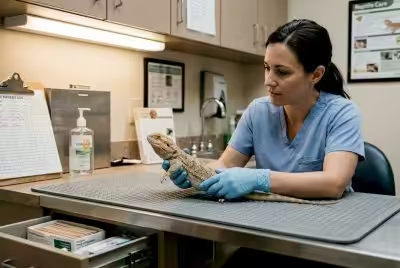
Common pitfalls can transform a well-intentioned habitat into a potential health hazard. Dangerous mistakes include using inappropriate substrates like loose sand (which can cause fatal impaction), inadequate temperature gradients, insufficient UVB lighting, and enclosures too small to support natural behaviors. Metabolic bone disease, respiratory infections, and stress-related conditions often stem from these environmental missteps. Regular maintenance becomes paramount – this means weekly spot cleaning, monthly deep cleans, consistent temperature monitoring, and quarterly comprehensive habitat assessments to ensure optimal living conditions.
Here is a summary of common mistakes and their impact in bearded dragon habitats:
| Mistake | Potential Consequence | Prevention Tip |
|---|---|---|
| Improper substrate | Risk of fatal impaction | Use tiles or paper towels |
| Insufficient UVB light | Bone disease risk | Replace bulbs every 4-6 months |
| Small enclosure | Behavioral and health problems | Minimum 70-85 gallon tank |
| Poor temperature zones | Stress, illness, low activity | Use multi-probe thermometers |
Pro tip: Create a maintenance calendar with specific dates for equipment checks, bulb replacements, and deep cleaning to prevent overlooking critical habitat management tasks.
Create the Perfect Home Your Bearded Dragon Deserves
Building an ideal bearded dragon enclosure means more than picking a tank. This article highlights the key challenges owners face, including establishing precise temperature zones, ensuring proper UVB lighting, selecting safe substrates, and providing sufficient space to encourage natural behaviors. If you want to avoid common pitfalls like bone disease and stress from inadequate environments, it is essential to have accurate guidance and trustworthy resources at your fingertips.

Explore expert care advice and detailed setup guides at gobeardeddragon.com. Immerse yourself in comprehensive tips on habitat maintenance, temperature monitoring, and substrate choices so you can create a thriving desert oasis for your bearded dragon. Don’t wait until small mistakes become costly health issues. Visit gobeardeddragon.com now and turn your enclosure into a safe, healthy sanctuary that supports your pet’s well-being every day.
Frequently Asked Questions
What size enclosure do adult bearded dragons need?
Most adult bearded dragons require at least a 70- to 85-gallon tank, with larger tanks preferred to accommodate natural behaviors.
What are the key features to include in a bearded dragon enclosure?
Key features include precise temperature gradients, adequate lighting zones, secure walls, and enough vertical and horizontal space for climbing, basking, and hiding.
Should I choose an indoor or outdoor enclosure for my bearded dragon?
Indoor enclosures offer better climate control and safety, while outdoor enclosures provide natural sunlight but require careful planning to protect against predators and extreme weather.
What materials are best for a bearded dragon enclosure?
Glass terrariums are popular due to their excellent heat retention and visibility, while high-quality plastic enclosures offer lightweight durability. Each material has its advantages, so consider your specific needs.