Why Bearded Dragons Need Baths for Health
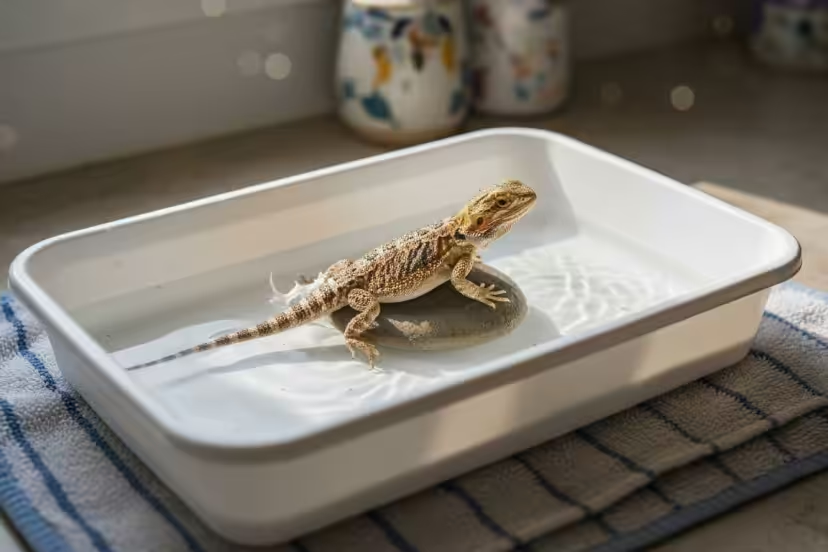
Most households with reptiles overlook the importance of bathing for bearded dragons. Proper hydration practices help prevent dehydration while supporting critical skin and shedding processes. For new owners in Canada, the United Kingdom, Australia, and beyond, understanding these bath routines is vital for your dragon’s health. You will discover practical tips, safety rules, and proven strategies that set your pet up for comfort, cleanliness, and stress relief every time you reach for that water bowl.
Table of Contents
- What Bathing Means For Bearded Dragons
- Hydration And Shedding Support From Baths
- Baths For Cleanliness And Skin Health
- Stress Relief And Behavioral Benefits
- Safe Bathing Practices And Common Mistakes
Key Takeaways
| Point | Details |
|---|---|
| Bathing is Essential for Hydration | Regular bathing helps maintain skin hydration and prevent dehydration in bearded dragons. |
| Supports Healthy Shedding | Warm water baths help loosen old skin, prevent stuck-on shed skin and related complications. |
| Promotes Cleanliness and Health | Bathing aids in removing dirt and potential parasites while allowing for close health inspections. |
| Reduces Stress and Encourages Bonding | Bathing provides mental stimulation and strengthens the bond between the owner and the dragon through gentle interaction. |
What Bathing Means for Bearded Dragons
Bathing for bearded dragons is much more than a simple water activity. Reptile health experts recommend systematic hydration practices that mimic their natural desert habitat requirements while supporting critical physiological functions.
For these scaly companions, bathing serves multiple essential purposes beyond basic cleanliness. It helps with skin hydration, assists in shedding processes, promotes circulation, and provides an opportunity for owners to conduct subtle health checks. Bearded dragons absorb moisture through their skin and vents, making shallow water soaks a strategic health maintenance technique.
The bathing process reflects a nuanced understanding of their biological needs. Unlike mammals, bearded dragons don’t require frequent washing but benefit from controlled, intentional hydration sessions. These brief immersions help prevent dehydration, support skin health during shedding periods, and can stimulate natural behaviors like drinking and regulating body temperature.
Pro Tip: Always monitor water temperature during bath time, ensuring it’s lukewarm (around 85-90°F) and never deeper than your dragon’s shoulders to prevent stress or potential drowning risks.
Hydration and Shedding Support From Baths
Bearded dragons experience unique skin shedding challenges that targeted bathing techniques can effectively manage. Unlike other reptiles, these desert dwellers require strategic moisture intervention to maintain healthy skin renewal processes.
During shedding periods, warm-water baths are a critical intervention strategy. The gentle moisture helps soften scales, making it easier for old skin to separate and preventing potential complications like stuck shed around toes, tail tips, and eye regions. Shallow water soaks support natural skin renewal by providing just enough hydration without overwhelming the dragon’s natural adaptation to arid environments.
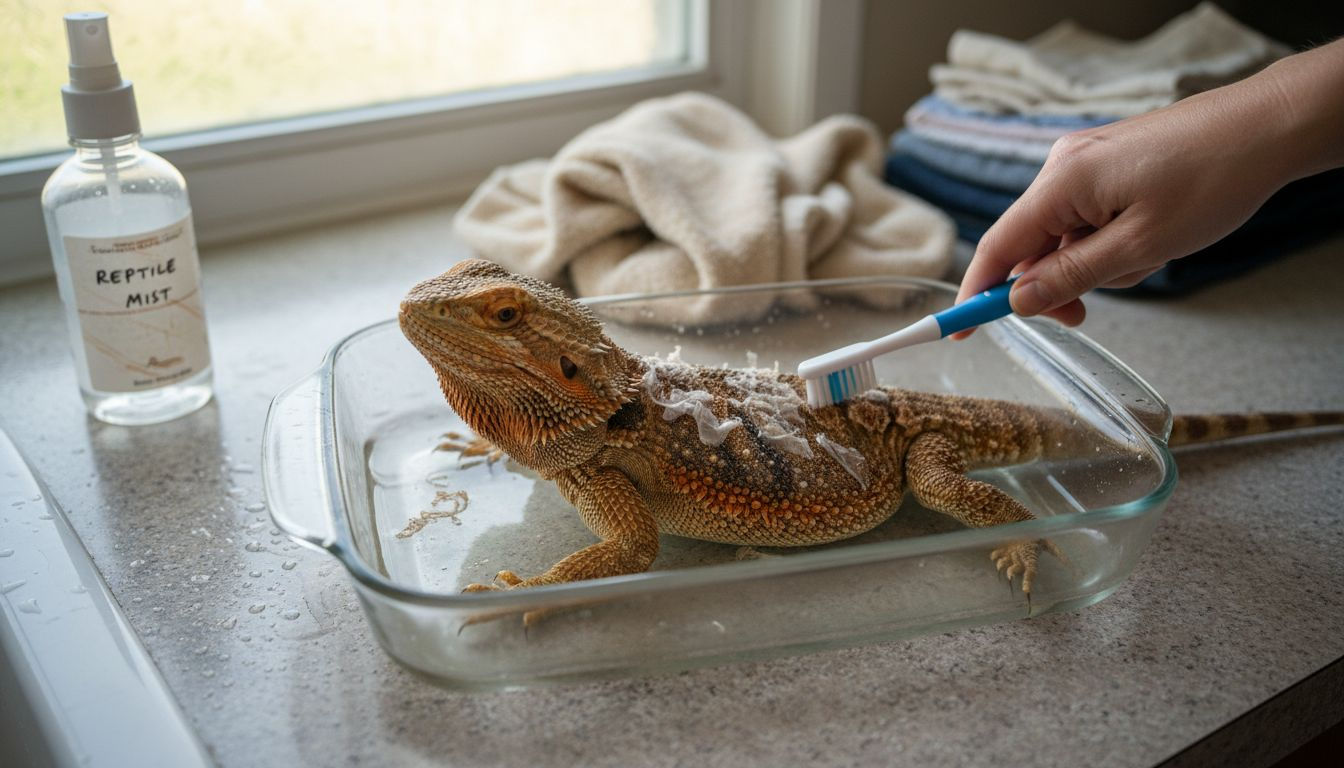
The hydration process goes beyond surface-level benefits. By carefully controlling bath duration and water temperature, owners can help their bearded dragons maintain optimal skin elasticity and prevent potential health issues related to shedding. Proper bathing supports blood circulation, helps remove dead skin cells, and provides a moment for close visual inspection of the dragon’s overall skin condition.
Pro Tip: Observe your bearded dragon’s skin during and after bathing, looking for any unusual patches, discoloration, or incomplete shedding that might indicate underlying health concerns.
Baths for Cleanliness and Skin Health
Regular bathing supports comprehensive hygiene practices that are critical for maintaining a bearded dragon’s overall health. These strategic cleaning sessions go far beyond simple water exposure, serving as a critical preventative health maintenance routine.
The cleansing process helps remove accumulated dirt, shed skin fragments, and potential parasites that might otherwise compromise the dragon’s delicate skin ecosystem. Warm water baths create an environment that gently dislodges debris from scales, nail beds, and hard-to-reach areas while preventing potential skin infections that can develop from accumulated grime or microscopic organisms.
Bearded dragons are naturally equipped to manage their hygiene, but captive environments require additional support. Bathing allows owners to conduct thorough visual inspections, checking for any unusual skin discolorations, potential mite infestations, or early signs of dermatological issues. The controlled water environment provides a perfect opportunity to ensure your scaly companion remains clean, healthy, and free from potential skin-related complications.
Pro Tip: Use a soft, clean toothbrush during bath time to gently help remove stubborn shed skin, being extremely careful and gentle around sensitive areas like eyes and nose.
Stress Relief and Behavioral Benefits
Bearded dragons exhibit complex behavioral patterns that require thoughtful environmental enrichment. Bath time serves as more than just a hygiene routine, acting as a critical opportunity for mental stimulation and stress reduction for these fascinating reptiles.
During bath sessions, bearded dragons experience a sensory-rich environment that breaks the monotony of their typical enclosure. The warm water, gentle movement, and tactile sensations provide a form of psychological engagement that can help reduce anxiety and promote natural exploratory behaviors. This controlled interaction allows dragons to experience a simulation of the occasional moisture in their native habitat, triggering instinctive responses that contribute to their overall mental well-being.
Beyond physical cleansing, bathing offers a unique bonding opportunity between dragon and owner. The careful handling, gentle water temperature, and focused attention create a positive interaction that can help build trust and reduce stress. These brief, intentional moments of connection can significantly impact a bearded dragon’s emotional state, helping them feel secure and mentally stimulated in their captive environment.
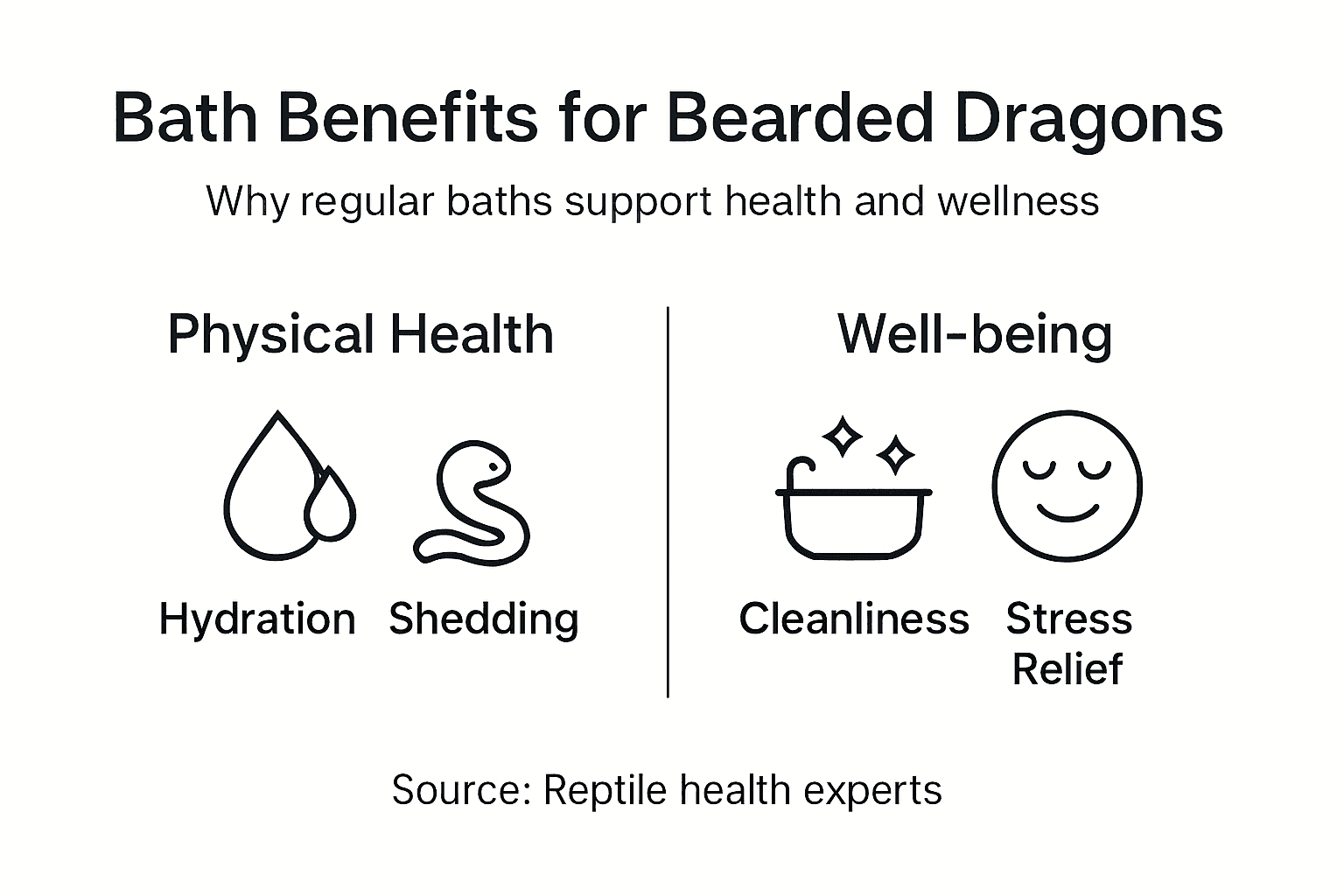
The table below summarizes the physiological and behavioral benefits of regular bathing for bearded dragons:
| Benefit Type | Key Outcomes | Care Considerations |
|---|---|---|
| Hydration | Moist skin, less dehydration | Use warm, shallow water |
| Shedding Support | Loosens old skin, prevents stuck shed | Monitor for complications |
| Cleanliness | Removes dirt and parasites | Inspect skin often |
| Stress Relief | Reduces anxiety, mental stimulation | Calm, gentle interaction |
Pro Tip: Maintain a consistent, calm demeanor during bath time to help your bearded dragon associate water experiences with safety and positive interaction.
Safe Bathing Practices and Common Mistakes
Bearded dragon bathing requires careful attention to prevent potential health risks and ensure a positive experience. The most critical aspects involve understanding water temperature, depth, duration, and handling techniques that protect your reptilian companion’s delicate physiology.
Common mistakes can transform a beneficial bath into a stressful or dangerous situation. Owners frequently err by using water that is too cold or too deep, which can shock the dragon’s system or create drowning risks. Never submerge a bearded dragon beyond its shoulders, and maintain water temperatures between 85 and 90 degrees Fahrenheit. Avoid using soaps, chemical additives, or rough handling that might cause unnecessary stress or skin irritation.
Professional reptile care emphasizes the importance of supervised, intentional bathing sessions. This means staying present throughout the entire process, watching for signs of distress, and limiting bath time to approximately 10 to 15 minutes. Some dragons might demonstrate discomfort through specific body language such as attempting to climb out, excessive squirming, or changes in color, which signal that the bath should be immediately concluded.
Here’s a quick comparison of common bearded dragon bathing mistakes and their safer alternatives:
| Common Mistake | Safer Alternative | Potential Consequence |
|---|---|---|
| Water too deep | Shallow water to shoulders | Risk of drowning |
| Water too cold | Lukewarm (85-90°F) | Shock, stress |
| Using soaps/chemicals | Plain, clean water only | Skin irritation |
| Prolonged bath time | Limit to 10-15 minutes | Chilling, stress |
| Rough handling | Gentle, secure support | Increased anxiety |
Pro Tip: Always have a soft, clean towel prepared before bath time to quickly and gently dry your bearded dragon, preventing potential chilling and ensuring a smooth, stress-free experience.
Keep Your Bearded Dragon Healthy and Happy With Proper Bathing
Bathing is an essential care step that supports your bearded dragon’s hydration, shedding, cleanliness, and stress relief needs. If you want to master safe bathing practices and understand how to prevent common mistakes, like improper water temperature or depth, reliable information and expert tips are a must. Address your pet’s unique skin and behavioral health challenges with confidence by learning the best methods to keep them comfortable and thriving.

Explore comprehensive guides and actionable advice at GoBeardedDragon.com, where passionate owners find everything from detailed health support to habitat maintenance tips. Discover how effective bathing ties into overall well-being and access valuable resources that enhance your dragon’s quality of life. Start transforming bath time into a safe, stress-free routine today and give your companion the care they deserve.
Frequently Asked Questions
Why is bathing important for bearded dragons?
Bathing is crucial for bearded dragons as it supports hydration, aids shedding, promotes skin cleanliness, and allows owners to observe their health.
How often should I bathe my bearded dragon?
Bearded dragons do not need frequent baths; a good practice is to bathe them once a week or during shedding periods to help with hydration and skin health.
What temperature should the water be for my bearded dragon’s bath?
The water should be lukewarm, ideally between 85 and 90 degrees Fahrenheit, to ensure a comfortable experience and prevent stress or shock.
How long should I let my bearded dragon soak in the bath?
Limit bath time to 10 to 15 minutes to avoid stress and ensure your bearded dragon remains comfortable while benefiting from the bath.
Recommended
- How to Bathe a Bearded Dragon Safely and Effectively
- Role of Humidity for Bearded Dragons – Why It Matters
- Bearded Dragon Social Needs – Why Solitude Matters