Why quarantine new dragons for healthy bearded pet care

Nearly 18% of captive reptiles carry coccidia parasites without showing any symptoms. Your new bearded dragon might look perfectly healthy at the pet store or breeder, yet still harbor dangerous infections that could spread to your existing pets. Quarantine serves as your first line of defense against hidden health threats. This practice gives you time to observe new dragons for signs of illness before introducing them to your collection. Understanding why quarantine matters and how to implement it properly protects both your new pet and any dragons you already own.
Table of Contents
- Key takeaways
- Understanding health risks new bearded dragons may bring
- Why quarantine is crucial despite lack of visible symptoms
- Comparing quarantine methods and durations for new dragons
- Monitoring and integrating your new bearded dragon safely after quarantine
- How Go Bearded Dragon helps with dragon care and health
- FAQ
Key Takeaways
| Point | Details |
|---|---|
| Quarantine protects existing pets | Quarantine provides time to observe new dragons for signs of illness before mixing with your current reptiles. |
| Parasites are common | Nearly 18 percent of captive reptiles carry coccidia without symptoms, making parasite screening essential for every new dragon. |
| Asymptomatic carriers hide illness | Stress and asymptomatic infections can delay symptom appearance, so visual checks alone are unreliable. |
| Quarantine duration varies by pathogen | Bacteria and parasites typically reveal themselves within 30 to 60 days, while viral diseases may require 90 days or more. |
| Fecal testing advised early | Request fecal testing from your veterinarian within the first week of quarantine to catch parasites before they spread. |
Understanding health risks new bearded dragons may bring
New bearded dragons commonly carry parasites and infections that pose serious threats to your existing pets. Common threats like coccidia affect nearly one in five captive reptiles, making parasite screening essential for every new dragon. These microscopic organisms damage intestinal walls and cause severe dehydration if left untreated. Other frequent parasites include Isospora amphiboluri, pinworms, and external mites that spread rapidly between dragons sharing the same habitat.
Mycoplasma pogonae represents another significant concern for bearded dragon collections. This bacterial infection causes respiratory distress and can persist in asymptomatic carriers for months. Dragons from pet stores, breeders, and reptile expos face particularly high exposure risks due to crowded conditions and stress during transport. The combination of multiple animals in close quarters creates ideal conditions for reptile parasites to spread unchecked.
Transport stress compounds these health challenges by suppressing immune function and masking symptoms. A dragon that appears active and alert at purchase might be fighting off an infection that only becomes visible days or weeks later. Stress hormones temporarily hide signs of illness, making visual inspection unreliable for health assessment. This delayed symptom presentation explains why apparently healthy dragons can suddenly decline after arriving home.
The hidden nature of many reptile diseases makes quarantine your most effective protection strategy:
- Parasites reproduce inside hosts without causing immediate visible symptoms
- Bacterial infections may incubate for weeks before showing clinical signs
- Viral pathogens can remain dormant during the initial observation period
- Immune suppression from stress delays symptom appearance
Pro Tip: Request fecal testing from your veterinarian within the first week of quarantine to catch parasites before they multiply and spread to other dragons in your care.
Many owners underestimate parasite prevalence because infected dragons often maintain normal appearance and behavior initially. By the time weight loss or lethargy becomes obvious, the infection has already progressed significantly. Early detection through proper quarantine and testing prevents this scenario entirely.
Why quarantine is crucial despite lack of visible symptoms
Asymptomatic carriers represent the greatest challenge in maintaining healthy bearded dragon collections. These dragons harbor infectious organisms without displaying any outward signs of illness, making them silent spreaders of disease. Asymptomatic carriers are common, with some viral infections like adenovirus potentially taking years to surface in clinical form. During this extended incubation period, infected dragons can transmit pathogens to every other reptile they contact.
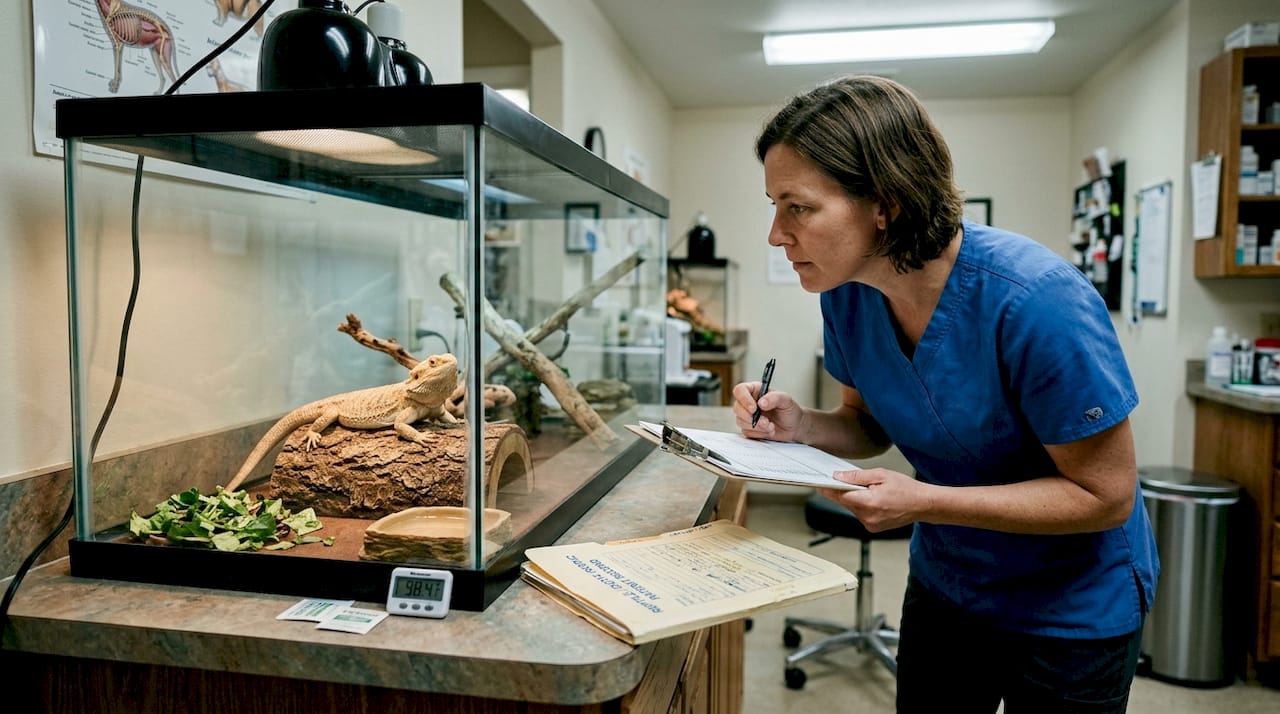
Quarantine duration must match the specific pathogen risks your new dragon faces. Bacterial and parasitic infections typically reveal themselves within 30 to 60 days of observation. Viral diseases require considerably longer monitoring periods, sometimes extending to 90 days or more. This timing allows the dragon’s immune system to either clear minor infections or develop symptoms that indicate treatment needs.
The stress of relocation and environmental change actually helps reveal hidden health issues during quarantine. As your new dragon adjusts to different temperatures, lighting, and feeding schedules, any underlying weaknesses become more apparent. This makes the quarantine period doubly valuable for both disease detection and acclimation assessment. Following a structured bearded dragon health check routine helps you spot problems early.
Implement these monitoring steps throughout the quarantine period:
- Record daily food intake and appetite changes
- Document stool appearance, consistency, and frequency
- Measure weight weekly to track any unexplained loss
- Observe activity levels and basking behavior patterns
- Check for respiratory sounds during quiet periods
- Inspect skin and scales for mites or abnormalities
- Note any changes in color or eye clarity
Temperature and humidity fluctuations during quarantine can trigger symptom appearance in subclinical infections. Maintain consistent environmental conditions while watching for any health changes. This controlled setting makes it easier to identify problems compared to the chaos of introducing a new dragon directly into an established habitat.
Pro Tip: Never rush the integration process even if your new dragon appears perfectly healthy. The few extra weeks of quarantine provide insurance against devastating outbreaks that could affect your entire collection.
Some owners question whether quarantine is necessary for dragons from reputable breeders. The answer remains yes, regardless of source. Even the most careful breeders cannot guarantee pathogen-free animals, and transport stress alone can activate latent infections. Protecting your existing pets requires treating every new arrival as a potential health risk until proven otherwise through proper quarantine protocols.
Comparing quarantine methods and durations for new dragons
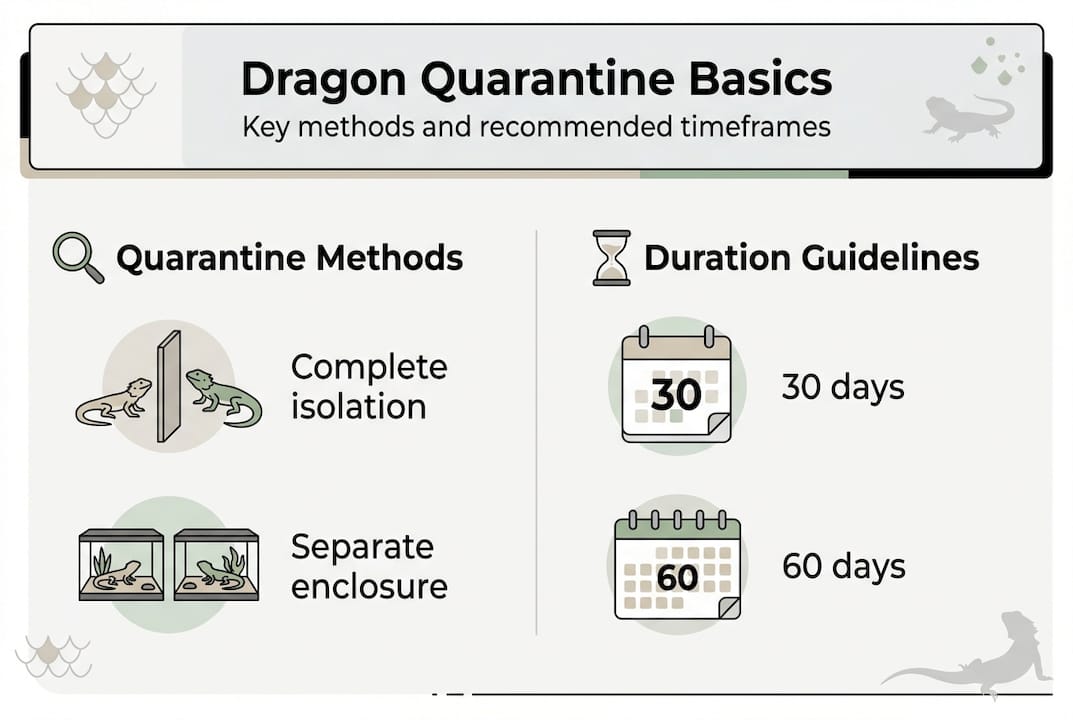
Empirical data shows high parasite prevalence in captive reptiles, supporting strict quarantine protocols regardless of where you acquire your dragon. Different quarantine approaches offer varying levels of protection and convenience. Your choice depends on available space, number of existing pets, and specific health concerns.
| Method | Setup Requirements | Duration | Pros | Cons |
|---|---|---|---|---|
| Complete isolation | Separate room, dedicated equipment | 60-90 days | Maximum disease prevention | Requires extra space and supplies |
| Tank separation | Different enclosure, same room | 45-60 days | Easier monitoring, shared utilities | Airborne pathogen risk remains |
| Minimal protocol | Separate tank, shared tools | 30-45 days | Lower cost, less space needed | Higher cross-contamination risk |
| Extended quarantine | Isolated setup, repeated testing | 90+ days | Catches slow-developing viruses | Time-intensive, delays integration |
Complete isolation provides the gold standard for quarantine effectiveness. This method requires housing your new dragon in a completely separate room with dedicated equipment, separate feeding tools, and individual cleaning supplies. Handle your established dragons first, then care for the quarantined animal last to prevent accidental pathogen transfer. Change clothes and wash hands thoroughly between animal care sessions.
Tank separation within the same room offers a practical middle ground for owners with limited space. Place the quarantine enclosure at least six feet from existing dragon habitats to minimize airborne transmission risks. Use separate thermometers, water dishes, and food bowls for the isolated dragon. This setup works well for bacterial and parasitic concerns but provides less protection against respiratory viruses.
Key quarantine setup elements include:
- Dedicated heat lamp and UVB bulb to prevent equipment sharing
- Simple substrate like paper towels for easy cleaning and stool monitoring
- Minimal decorations to reduce hiding spots where parasites could persist
- Separate cleaning tools stored away from main dragon supplies
- Hand sanitizer and disposable gloves for handling sessions
Minimal protocols suit experienced owners who understand the risks and can recognize early disease symptoms. This approach still requires a separate enclosure but may involve shared room space and careful tool sanitization between uses. Reserve this method only for situations where space constraints make complete isolation impossible.
Pro Tip: Effective quarantine supports later bonding with bearded dragons by ensuring your new pet is healthy and stress-free before introduction to your existing collection.
Quarantine duration for parasitic infections typically runs 30 to 60 days with fecal testing at the beginning and end of the period. Viral concerns demand 90 days or longer since some pathogens remain dormant for extended periods. Schedule veterinary checkups at the quarantine midpoint and conclusion to verify health status before integration.
Monitoring and integrating your new bearded dragon safely after quarantine
Daily health monitoring during quarantine helps you establish baseline behaviors and catch problems early. Monitoring during quarantine keeps all pets healthy by identifying issues before they spread. Spend at least 10 minutes each day observing your quarantined dragon’s activity patterns, feeding response, and general demeanor. This consistent attention builds your understanding of what normal looks like for this specific animal.
Watch for these early warning signs during the quarantine period:
- Decreased appetite lasting more than two consecutive days
- Runny or discolored stool indicating digestive problems
- Lethargy or reduced basking time compared to initial behavior
- Gaping mouth or labored breathing suggesting respiratory issues
- Unexplained weight loss exceeding 5% of body weight
- Swollen limbs or joints that could indicate metabolic bone disease
- Eye discharge or cloudiness affecting vision
Document your observations in a simple log to track changes over time. Note feeding amounts, stool frequency, and any unusual behaviors. This record becomes invaluable if health problems develop, giving your veterinarian concrete data about symptom progression. Photography helps capture subtle changes in color or body condition that might otherwise go unnoticed.
Safe integration begins only after the full quarantine period passes without any health concerns. Rushing this process risks undoing all your careful prevention work. Following these steps ensures smooth introduction while maintaining health security:
- Schedule final veterinary checkup with fecal testing before integration
- Deep clean and disinfect the quarantine enclosure completely
- Allow new dragon to explore neutral territory before habitat sharing
- Introduce dragons visually through tank walls for several days
- Supervise initial physical contact sessions closely
- Watch for aggressive or stress behaviors during interactions
- Separate immediately if fighting or dominance issues emerge
- Gradually increase contact time over two to three weeks
Temperature and lighting adjustments help reduce integration stress. Ensure both dragons experience identical basking temperatures and UVB exposure to prevent competition for optimal spots. Provide multiple basking areas and hiding spots so each dragon can establish personal space. Resource competition triggers most integration conflicts, making abundant food, water, and territory essential.
Monitor both dragons closely for the first month after integration ends. Stress from social changes can reactivate latent infections or suppress immune function. Watch for changes in eating habits, activity levels, or stool quality in both animals. Some dragons never accept cohabitation and require permanent separation despite successful quarantine completion. Recognizing signs of a healthy bearded dragon helps you assess whether integration is working.
Gradual socialization works better than immediate full contact. Start with brief supervised sessions and slowly extend interaction time as both dragons demonstrate calm acceptance. This patient approach reduces stress hormones that could trigger health problems in either animal. Remember that successful integration depends on individual personality compatibility, not just disease-free status.
How Go Bearded Dragon helps with dragon care and health
Successfully quarantining your new bearded dragon is just the beginning of providing excellent reptile care. Go Bearded Dragon offers comprehensive resources to support every aspect of dragon ownership, from initial setup through long-term health maintenance. Our detailed guides cover everything you need to create optimal living conditions and recognize potential problems before they become serious.

Explore our bearded dragon safety guide for essential tips on creating a secure environment that prevents common household hazards. Regular bearded dragon health checks help you maintain vigilance even after quarantine ends. We also provide expert recommendations for bearded dragon heating equipment to ensure your dragons enjoy comfortable temperatures year-round. These resources complement your quarantine efforts by supporting ongoing wellness and disease prevention throughout your dragon’s life.
FAQ
How long should I quarantine a new bearded dragon?
Standard quarantine lasts at least 30 to 90 days depending on the specific health risks involved. Parasitic infections typically reveal themselves within 60 days, while viral pathogens may require 90 days or longer to surface. Extended quarantine periods provide better protection for your existing dragon collection, especially when dealing with animals from unknown sources or crowded breeding facilities.
What signs should I watch for during quarantine?
Monitor for lethargy, decreased appetite, weight loss, and changes in stool appearance or frequency. Respiratory symptoms like gaping mouth, wheezing, or mucus discharge indicate potential infections requiring immediate veterinary attention. Early detection during quarantine prevents these problems from spreading to other pets and allows faster treatment intervention.
Can I skip quarantine if the new dragon looks healthy?
No, visual health assessment cannot detect asymptomatic carriers that commonly spread diseases. Many dangerous pathogens remain hidden for weeks or months while still being transmissible to other dragons. Quarantine protects all your pets regardless of how healthy a new dragon appears, making it a non-negotiable part of responsible reptile ownership.
How can I make quarantine less stressful for my new dragon?
Maintain proper temperature gradients between 95 to 105 degrees Fahrenheit for basking and 75 to 85 degrees for the cool side. Provide appropriate UVB lighting on a consistent 12-hour schedule to support calcium metabolism and natural behaviors. Minimize handling during the first week, then gradually introduce gentle interaction to build trust. Offer hiding spots like half logs or cork bark to help your dragon feel secure while adjusting to the new environment. Following proper handling techniques reduces stress throughout the quarantine period.
When is it safe to introduce my new dragon to existing pets?
Introduction becomes safe only after completing the full quarantine period with no illness signs and receiving veterinary clearance. Schedule final fecal testing and physical examination before ending isolation. Begin integration gradually through visual contact before allowing physical interaction, monitoring both dragons closely for stress or aggression. Some dragons require permanent separation despite successful quarantine if personality conflicts emerge during the introduction process.
Recommended
- Why Bearded Dragons Need Baths for Health
- 胡须龙寄生虫解析:健康危害与护理要点 – Go BEARDED DRAGON
- How to Introduce New Bearded Dragon Safely Step-by-Step