How to Introduce New Bearded Dragon Safely Step-by-Step
Most first-time American and international bearded dragon owners underestimate the challenges of adding a new pet to an established habitat. Aggression and stress can lead to serious health issues if not managed from the start. Creating a safe environment and following structured steps makes the difference between a harmonious home and constant tension. This guide breaks down expert strategies to prevent conflict and promote lasting peace between your bearded dragons.
Table of Contents
- Step 1: Prepare The Habitat For Safe Introduction
- Step 2: Quarantine The New Bearded Dragon Properly
- Step 3: Monitor Initial Visual Introductions Closely
- Step 4: Arrange Supervised Face-To-Face Interactions
- Step 5: Verify Successful Integration And Well-Being
Quick Summary
| Key Point | Explanation |
|---|---|
| 1. Setup Proper Habitat | Ensure the terrarium is spacious, with specific temperature zones and UVB lighting for optimal health. |
| 2. Quarantine New Reptile | Isolate the new bearded dragon for 30 to 45 days to monitor health and avoid disease transmission. |
| 3. Observe Initial Interactions | Carefully monitor visual introductions for signs of stress or aggression, documenting behaviors for future analysis. |
| 4. Supervised Face-to-Face Meetings | Conduct controlled meetings in a neutral space to minimize territorial behavior and ensure safe interactions. |
| 5. Monitor Integration Progress | Regularly check for signs of compatibility and well-being post-introduction, being ready to separate if needed. |
Step 1: Prepare the habitat for safe introduction
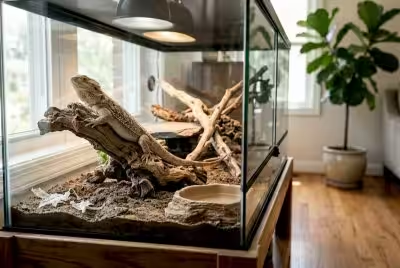
Before welcoming your new scaly companion home, you need to create a welcoming reptile sanctuary that feels like a mini desert paradise. Your bearded dragon’s habitat setup is crucial for their health and happiness.
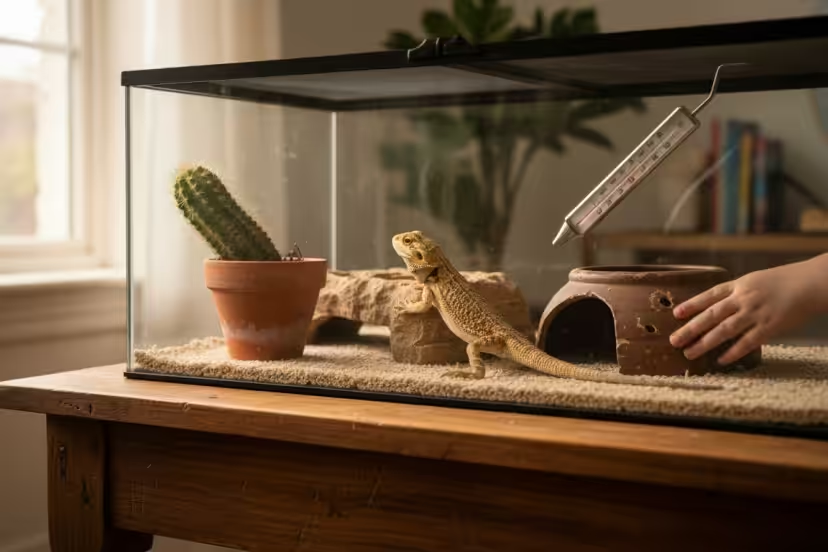
Start by selecting a terrarium that is appropriately sized to mimic their natural environment. Reputable reptile research suggests creating a spacious enclosure with specific environmental features. For an adult bearded dragon, aim for a tank around 60 to 85 gallons with plenty of vertical and horizontal space for exploring, basking, and hiding. Include multiple substrate options, such as reptile carpet or ceramic tiles, to provide safe walking surfaces.
Create temperature-gradient zones within the habitat that are essential for thermoregulation. Position a basking spot with a heat lamp generating 95 to 105 degrees Fahrenheit on one side, while maintaining a cooler area around 80 to 85 degrees. Include multiple hiding spots using rocks, branches, and artificial caves where your dragon can feel secure. Install full-spectrum UVB lighting to support their vitamin D and calcium metabolism.
Pro Tip: Before introducing your bearded dragon, run the habitat setup for 24 hours to ensure all heating and lighting systems function perfectly and maintain stable temperatures.
Here’s a summary of essential habitat setup features for a healthy bearded dragon environment:
| Feature | Recommended Option | Purpose |
|---|---|---|
| Tank Size | 60–85 gallons | Provides ample movement space |
| Substrate Choice | Reptile carpet, tile | Safe, easy-to-clean surfaces |
| Temperature Gradient | 95–105°F basking, 80–85°F cool zone | Supports thermoregulation |
| UVB Lighting | Full-spectrum bulb | Aids calcium and vitamin D needs |
| Hiding Spots | Rocks, branches, caves | Offers security and stress relief |
Step 2: Quarantine the new bearded dragon properly
When bringing home a new bearded dragon, quarantine is a critical step to protect both your new scaly friend and any existing pets. The Centers for Disease Control recommends comprehensive isolation protocols to prevent potential disease transmission and ensure your dragon’s health.
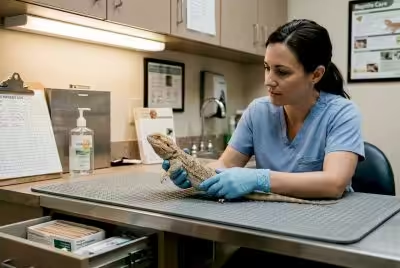
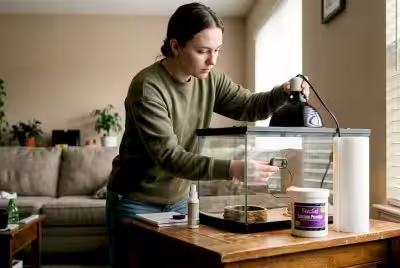
Set up a separate enclosure completely isolated from other reptiles or pets. This dedicated space should mimic the habitat setup you created earlier, but be entirely distinct. University research protocols suggest maintaining quarantine for at least 30 to 45 days. During this period, monitor your new dragon closely for signs of illness such as lethargy, unusual skin conditions, changes in appetite, or abnormal droppings. Use separate cleaning tools, wear disposable gloves when handling, and wash your hands thoroughly after each interaction to minimize cross-contamination.
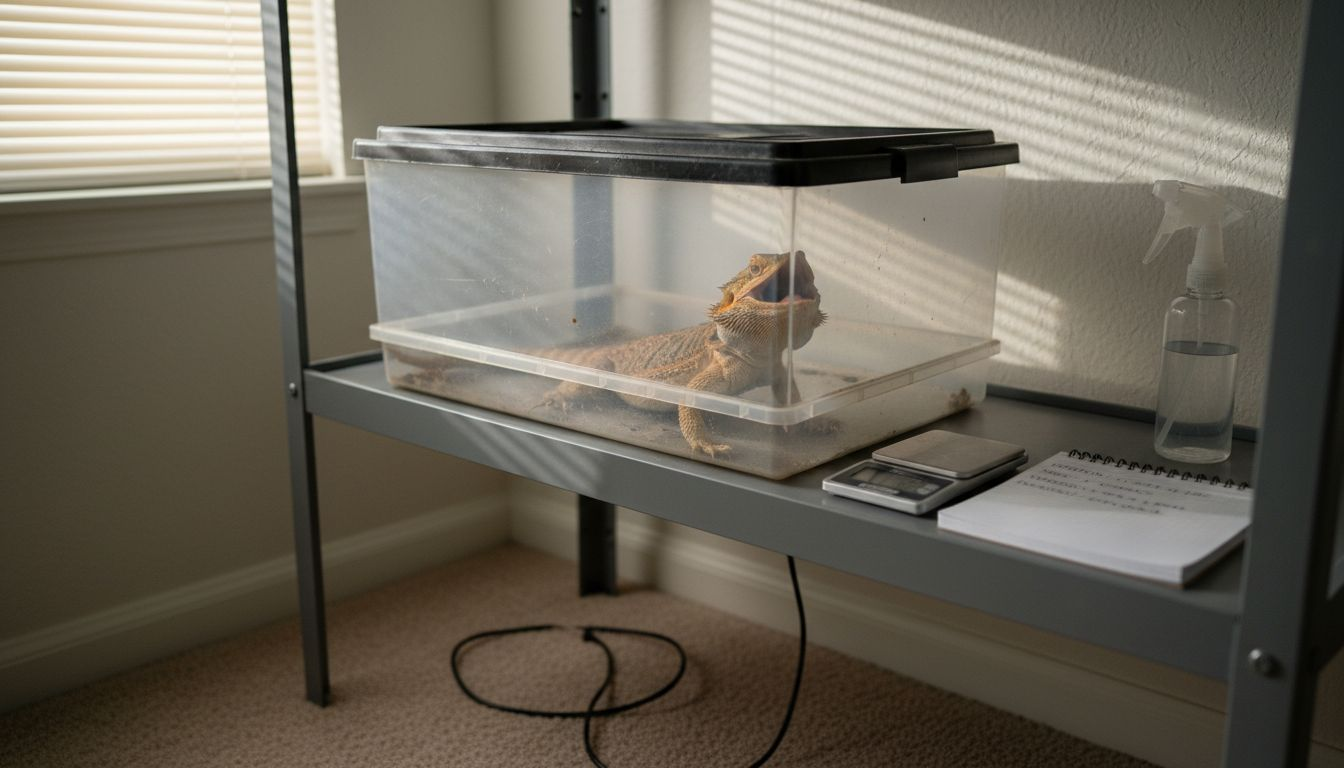
Keep detailed health records during quarantine. Observe your dragon’s eating habits, track weight, and note any behavioral changes. If possible, schedule a veterinary checkup specific to reptile health within the first week of arrival to ensure your new companion is in optimal condition.
Pro Tip: Consider placing the quarantine enclosure in a low-traffic area with a consistent temperature to minimize stress and help your new bearded dragon acclimate smoothly.
Step 3: Monitor initial visual introductions closely
Introducing two bearded dragons requires patience, careful observation, and understanding of their complex social behaviors. Your primary goal is to ensure a peaceful first encounter that minimizes potential aggression or territorial disputes.
Position the dragons in separate but adjacent enclosures where they can see each other without physical contact. Watch their body language closely during these initial visual interactions. Signs of stress or aggression include beard darkening, head bobbing, arm waving, or aggressive posturing. Neutral or curious behaviors like slow head movements or calm exploration suggest a potentially positive interaction. Keep these visual introductions brief at first, about 10 to 15 minutes per session, and observe how each dragon responds to the other’s presence.
Document each interaction in a journal, noting specific behaviors, duration, and any signs of tension or comfort. This record will help you understand their individual temperaments and predict potential compatibility. If either dragon shows persistent signs of stress or aggression, such as excessive beard darkening or defensive posturing, separate them immediately and consult a reptile veterinarian for professional guidance.
Pro Tip: Use a neutral space like a supervised play area for short, controlled interactions to minimize territorial tensions during initial meetings.
Step 4: Arrange supervised face-to-face interactions
Now that your bearded dragons have had visual introductions, you are ready to orchestrate their first physical encounter carefully. Specialized husbandry guidelines recommend a meticulously controlled approach to minimize potential conflicts and ensure both dragons feel safe.
Choose a neutral territory completely separate from their primary enclosures. This could be a clean, open area with minimal distractions, like a large playpen or supervised floor space. Ensure the area is warm enough to keep them comfortable and has multiple hiding spots or visual barriers. Place each dragon at opposite ends of the space and watch their initial reactions carefully. Supervise every moment of interaction while wearing protective gloves, and keep a long-handled tool nearby to separate them if aggressive behavior emerges gently.
Look for specific body language signals that indicate their comfort or stress levels. Positive interactions might include curious head movements, slow approaches, or parallel basking. Warning signs include aggressive beard puffing, rapid head bobbing, arm waving, or charging behaviors. Keep these first face-to-face sessions extremely brief, about 5 to 10 minutes, and gradually increase duration if they show peaceful coexistence. Always be prepared to separate them immediately if tension escalates.
Use this quick guide to recognize and compare body language during bearded dragon introductions:
| Behavior Sign | Meaning | Recommended Action |
|---|---|---|
| Beard darkening | Stress/aggression | End session, separate dragons |
| Slow head movement | Curiosity/neutral | Continue supervised session |
| Arm waving | Submission/uncertainty | Monitor closely, observe both |
| Rapid head bobbing | Territorial response | Prepare to intervene quickly |
| Parallel basking | Relaxed acceptance | Gradually extend sessions |
Pro Tip: Schedule interactions during their most calm time of day, typically mid-morning, when they are alert but not overly energetic.
Step 5: Verify successful integration and well-being
After initial interactions, your mission is to thoroughly assess how well your bearded dragons are adapting to each other. Comprehensive husbandry protocols recommend a systematic approach to evaluating their social dynamics and individual health.
Observe their shared living environment for consistent behavioral patterns. Positive signs of successful integration include peaceful basking near each other, taking turns accessing shared resources like heat lamps or hiding spots, and displaying relaxed body language. Watch for any persistent signs of stress, such as one dragon consistently avoiding the other, reduced appetite, unusual lethargy, or aggressive territorial behaviors. Monitor their individual weight weekly and track any changes in eating habits or physical condition that might indicate underlying tension or health issues.

Create a detailed observation log documenting each interaction, including duration, body language, eating patterns, and overall demeanor. If you notice any recurring negative interactions or signs of chronic stress, be prepared to separate them and consult a reptile veterinarian. Remember that not all bearded dragons will become compatible companions. Patience and careful monitoring are key to ensuring their mutual well-being and happiness.
Pro Tip: Take photographs and videos during interactions to help you objectively track their relationship progression over time.
Ensure a Smooth and Safe Introduction for Your Bearded Dragons
Introducing a new bearded dragon can feel overwhelming as you work to create the perfect habitat and navigate quarantine and social behaviors. Key challenges include managing temperature gradients, monitoring stress signals like beard darkening and head bobbing, and creating peaceful interactions that protect both your dragons’ health and happiness. At gobeardeddragon.com, we understand your goal to provide a safe, welcoming environment that fosters trust and comfort for your new pets.

Discover expert guides on habitat setup, quarantine best practices, and behavioral insights to introduce your bearded dragons confidently. With detailed health checklists and step-by-step care advice, you can avoid common pitfalls and ensure a successful integration. Visit gobeardeddragon.com now to access comprehensive resources and practical tips tailored for every stage of your bearded dragon’s journey. Take action today and make the introduction process a positive experience for your scaly companions.
Frequently Asked Questions
How do I prepare a habitat for a new bearded dragon?
Creating a suitable habitat involves selecting a terrarium that is 60 to 85 gallons and mimics their natural environment. Ensure you include a basking spot with temperatures between 95 to 105 degrees Fahrenheit, a cooler area around 80 to 85 degrees, and proper UVB lighting. Arrange the habitat in advance and let it run for 24 hours before introducing your new pet.
What are the steps to properly quarantine a new bearded dragon?
To quarantine your new bearded dragon, set up a separate enclosure distinct from your other pets and keep it isolated for at least 30 to 45 days. During this time, closely monitor their health for signs of illness and maintain strict hygiene practices by using separate cleaning tools and washing hands afterward. Schedule a veterinary checkup within the first week for optimal health assurance.
How can I introduce my bearded dragons safely?
Start by placing your bearded dragons in adjacent enclosures where they can see each other without direct contact, and observe their body language for signs of stress or aggression. Limit these visual introductions to 10 to 15 minutes at a time, and document each interaction to track behavior. If either dragon displays persistent signs of distress, separate them immediately.
What should I do during the first face-to-face meeting of my bearded dragons?
Choose a neutral space for the face-to-face meeting and ensure the area has hiding spots and is warm enough for comfort. Keep the initial interaction brief, around 5 to 10 minutes, while observing for positive or negative body language signals. Be prepared to intervene if aggressive behaviors arise by keeping protective gloves and a long-handled tool nearby.
How do I determine if my bearded dragons have successfully integrated?
Monitor their interactions for signs of peaceful coexistence, like relaxed basking together and taking turns using resources. Document their behaviors and physical condition weekly to spot any signs of stress or health issues. If you notice persistent negative behaviors, be ready to separate them and adjust their living arrangements as needed.
What actions can I take if one of my bearded dragons shows signs of stress?
If a bearded dragon shows signs of stress, such as beard darkening or a decreased appetite, immediately separate them from the other dragon to alleviate the situation. Provide a calm environment and consider consulting a reptile veterinarian if the behavior persists beyond a few days, as patience during this adjustment period is crucial.