Why bearded dragons eat greens: essential guide 2026
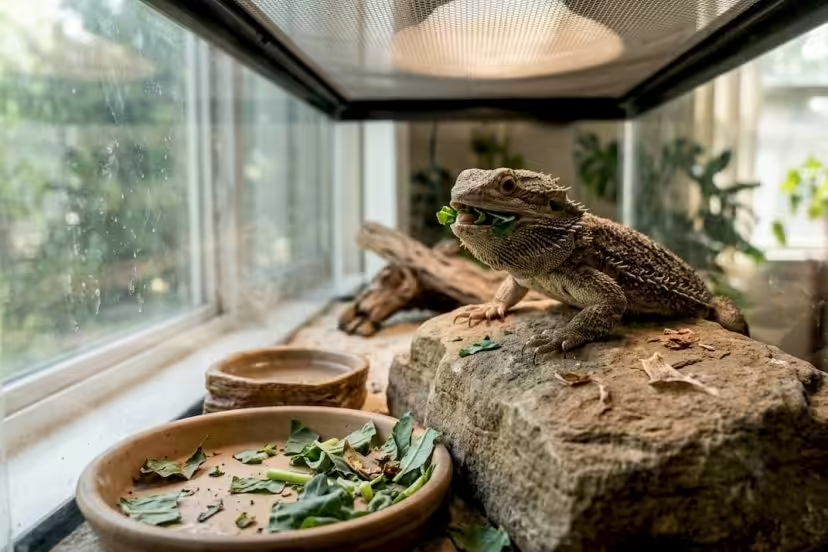
Many new bearded dragon owners believe their pets primarily need insects and will naturally avoid greens. This misconception leads to serious nutritional gaps that can compromise your dragon’s health over time. In reality, leafy greens form the foundation of a healthy adult bearded dragon’s diet, providing essential vitamins, minerals, fiber, and hydration that insects alone cannot deliver. Understanding why greens matter and how to incorporate them properly transforms your pet’s vitality, bone strength, and longevity. This guide reveals the science behind greens nutrition, identifies the safest options, and shows you exactly how to balance your dragon’s diet at every life stage.
Table of Contents
- Why Bearded Dragons Need Greens For Nutrition
- Types Of Greens Suitable For Bearded Dragons And Safety Considerations
- How To Incorporate Greens Into Your Bearded Dragon’s Diet Effectively
- Health Benefits And Common Signs Of Proper Greens Consumption
- Discover Top Resources For Bearded Dragon Care
- Frequently Asked Questions
Key takeaways
| Point | Details |
|---|---|
| Essential nutrients | Greens deliver vitamins A, C, and K plus calcium that insects lack, preventing deficiency diseases. |
| Life stage balance | Juveniles need 30% greens while adults thrive on 80% greens for optimal health. |
| Safety matters | Collard, mustard, and dandelion greens are ideal, but spinach and iceberg lettuce cause problems. |
| Health indicators | Bright eyes, active behavior, and regular digestion signal proper greens consumption. |
| Preparation basics | Wash thoroughly, chop finely, and introduce new greens gradually to avoid digestive upset. |
Why bearded dragons need greens for nutrition
Leafy greens pack concentrated nutrition that transforms your bearded dragon’s health from adequate to exceptional. Vitamins A, C, and K support immune function, maintain sharp vision, and enable proper blood clotting, creating the foundation for disease resistance. Without these plant-based nutrients, your dragon faces increased infection risk and slower wound healing.
Calcium absorption represents the most critical benefit greens provide. Metabolic bone disease strikes bearded dragons fed primarily insects because prey items contain high phosphorus that blocks calcium uptake. Greens naturally balance this ratio, delivering bioavailable calcium that strengthens bones, prevents deformities, and supports muscle function. Young dragons develop properly while adults maintain skeletal integrity throughout their 10 to 15 year lifespan.
Fiber from leafy vegetables promotes healthy digestion by creating bulk that moves through the intestinal tract efficiently. Regular bowel movements prevent impaction, a dangerous condition where undigested material blocks the digestive system. The water content in fresh greens also contributes significantly to hydration, especially important for desert-adapted reptiles prone to dehydration in captivity.
Pro Tip: Rotate at least three different green varieties weekly to prevent nutrient imbalances and keep your dragon interested in eating. This variety ensures comprehensive vitamin and mineral coverage while reducing the risk of accumulating anti-nutrients from any single plant source.
Key nutritional components in greens:
- Vitamin A maintains eye health and skin integrity
- Vitamin C strengthens immune response and tissue repair
- Vitamin K enables blood clotting and bone metabolism
- Calcium builds strong bones and prevents metabolic disorders
- Fiber supports digestive motility and gut health
- Water provides essential hydration for organ function
“Plant matter forms the cornerstone of adult bearded dragon nutrition, delivering nutrients insects simply cannot provide in adequate amounts. Owners who prioritize greens see dramatic improvements in their pets’ energy levels, bone density, and overall vitality compared to insect-heavy diets.”
The nutrition and supplements expert guide explains how greens work synergistically with proper supplementation to create complete nutrition. While calcium and vitamin D3 powders remain important, they enhance rather than replace the natural nutrients greens deliver. Think of greens as the main course and supplements as the finishing touch that optimizes absorption.
Types of greens suitable for bearded dragons and safety considerations
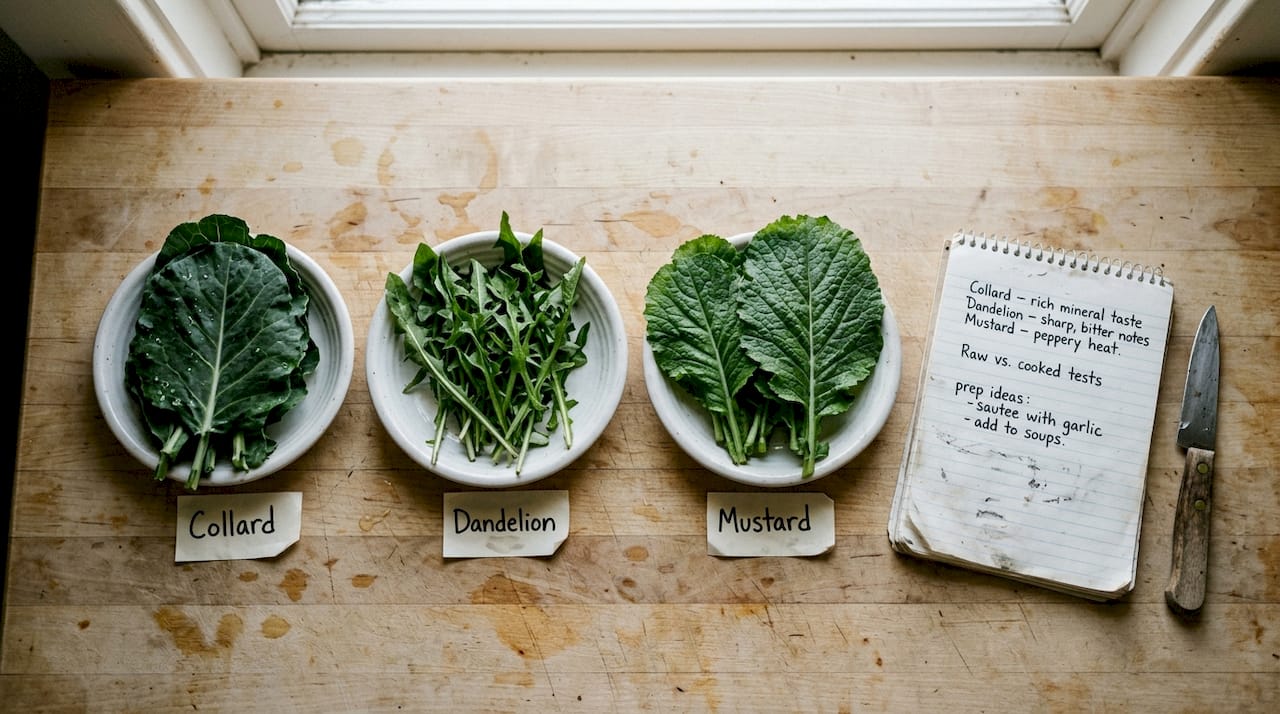
Selecting the right greens separates thriving bearded dragons from those struggling with hidden deficiencies. Collard greens, mustard greens, and dandelion greens rank highest for their exceptional calcium to phosphorus ratios and dense vitamin content. These powerhouse options should form 60 to 70% of your greens rotation because they deliver maximum nutrition with minimal risk.
Turnip greens, endive, and escarote provide excellent variety while maintaining nutritional quality. Kale works in moderation despite containing goitrogens that can interfere with thyroid function when overfed. Arugula adds peppery flavor that many dragons enjoy, though its slightly higher oxalate content means it should appear less frequently than collards or mustard greens.
Avoid spinach and iceberg lettuce entirely despite their availability. Spinach contains oxalates that bind calcium and prevent absorption, directly counteracting your efforts to prevent metabolic bone disease. Iceberg lettuce offers virtually no nutritional value beyond water, filling your dragon’s stomach without delivering needed vitamins or minerals. Cabbage and broccoli cause gas and digestive discomfort when fed regularly.
| Green Type | Calcium:Phosphorus | Benefits | Cautions |
|---|---|---|---|
| Collard greens | 14.5:1 | Exceptional calcium, vitamin A, low oxalates | None, feed freely |
| Mustard greens | 2.4:1 | High vitamins A and C, good calcium | None, excellent staple |
| Dandelion greens | 2.8:1 | Rich calcium and iron, natural variety | Ensure pesticide free |
| Kale | 2.4:1 | Dense nutrients, vitamin K | Goitrogens, rotate regularly |
| Spinach | 0.5:1 | Some vitamins present | High oxalates block calcium |
| Iceberg lettuce | 0.4:1 | Hydration only | Nutritionally empty, avoid |
Toxicity signs require immediate attention and dietary adjustment. Watch for lethargy, loss of appetite, unusual stool color or consistency, and swelling around the jaw or limbs. These symptoms can indicate either toxic plant consumption or severe nutritional imbalance from improper greens selection. Remove any suspected problem foods immediately and consult a reptile veterinarian if symptoms persist beyond 24 hours.
Warning signs of improper greens or toxicity:
- Sudden refusal to eat previously accepted foods
- Diarrhea or unusually watery stools
- Tremors or difficulty walking
- Swollen or soft jaw indicating metabolic bone disease
- Darkened skin color or lethargy lasting multiple days
Pro Tip: Source dandelion greens from your pesticide-free yard or organic markets to avoid chemical contamination. Wild-collected greens offer natural variety but only from areas you know are untreated with herbicides or fertilizers.
The reptile safe plants explained guide provides comprehensive details on identifying safe versus toxic plants. Cross-reference any new green you consider adding to ensure it meets safety standards. When in doubt, stick with proven staples like collards and mustard greens rather than experimenting with unfamiliar plants that might harm your pet.
Organic greens reduce pesticide exposure but require the same thorough washing as conventional options. Rinse all greens under cool running water for at least 30 seconds, paying special attention to leaf crevices where dirt and chemicals accumulate. Pat dry or use a salad spinner before chopping to prevent excess water from diluting your dragon’s digestive enzymes.
How to incorporate greens into your bearded dragon’s diet effectively
Feeding schedules must shift dramatically as your bearded dragon matures from protein-hungry juvenile to plant-focused adult. Juvenile dragons under six months need 70% insects and 30% greens to fuel rapid growth and bone development. Their small bodies require concentrated protein and fat from prey items like crickets and dubia roaches, with greens playing a supporting nutritional role.
Subadult dragons between six and twelve months transition to a 50/50 split as growth rates slow and digestive systems mature. This gradual shift prevents metabolic shock while teaching your dragon to accept greens as a primary food source. Adults over one year thrive on 80% greens and 20% insects, reversing the juvenile ratio to match their lower protein needs and higher fiber requirements.
| Life Stage | Age Range | Greens Percentage | Insects Percentage | Feeding Frequency |
|---|---|---|---|---|
| Juvenile | 0 to 6 months | 30% | 70% | 3 times daily |
| Subadult | 6 to 12 months | 50% | 50% | 2 times daily |
| Adult | 12+ months | 80% | 20% | Once daily |
Preparation technique directly impacts how much nutrition your dragon extracts from greens. Chop leaves into pieces no larger than the space between your dragon’s eyes to prevent choking and aid digestion. Smaller pieces also mix better with any supplements you dust onto the greens, ensuring even distribution of calcium and vitamins.
Daily feeding routine for adult bearded dragons:
- Prepare fresh greens every morning by washing and chopping a variety of three types
- Lightly dust the mixture with calcium powder three times per week
- Place greens in a shallow dish that prevents substrate contamination
- Remove uneaten greens after two hours to prevent bacterial growth
- Offer insects in late afternoon, dusted with calcium and vitamin D3 twice weekly
- Monitor eating patterns and adjust portions based on body condition
Common feeding mistakes sabotage even well-intentioned care efforts. Overfeeding insects to adults causes obesity, fatty liver disease, and shortened lifespan. Neglecting calcium supplementation leads to metabolic bone disease despite feeding appropriate greens. Offering the same single green type daily creates nutrient imbalances and feeding boredom that reduces intake.
Mistakes that compromise greens nutrition:
- Feeding only one type of green instead of rotating varieties
- Offering greens at the wrong temperature, too cold from refrigerator
- Using dishes that are too deep, making greens hard to access
- Failing to remove wilted greens that lose nutritional value
- Overfeeding treats like fruits that displace greens consumption
Pro Tip: Observe your dragon’s individual preferences by offering small amounts of new greens separately before mixing them into the main salad. Some dragons strongly prefer certain textures or flavors, and accommodating these preferences increases overall greens consumption.
The feeding guide and diet balance resource offers detailed portion guidelines based on your dragon’s size and activity level. Adjust quantities if you notice weight gain or loss, using body condition rather than arbitrary amounts as your guide. A healthy adult should have a rounded but not bulging belly with visible but not prominent hip bones.
Supplement timing matters as much as greens selection. Dust greens with calcium powder without vitamin D3 three times weekly, then use calcium with D3 twice weekly. This rotation prevents vitamin D toxicity while ensuring adequate calcium absorption. The supplements and bone disease prevention guide explains the science behind this schedule and how to adjust for special needs like breeding females or recovering dragons.
Health benefits and common signs of proper greens consumption
The transformation in bearded dragons fed appropriate greens becomes obvious within weeks of dietary improvement. Enhanced bone strength shows in confident movement, powerful limbs that support body weight easily, and absence of tremors or weakness. Proper calcium metabolism prevents the devastating bone deformities and fractures that plague dragons fed insect-heavy diets.
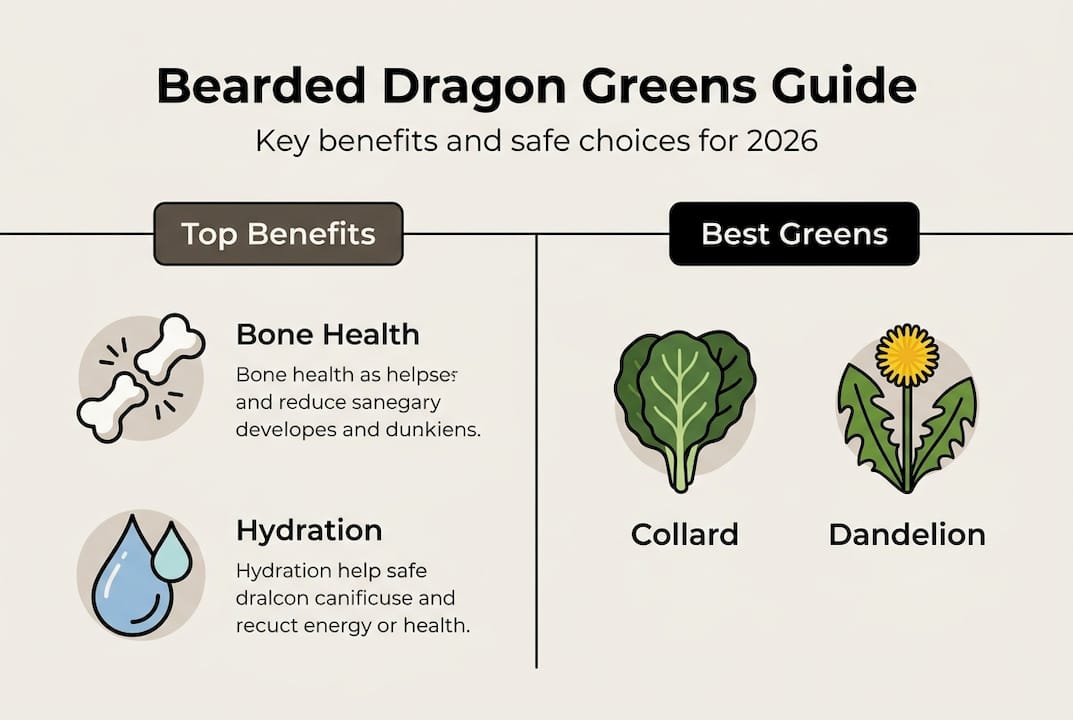
Hydration status improves dramatically when fresh greens supply consistent moisture. Well-hydrated dragons produce formed but not hard stools, maintain elastic skin that returns quickly when gently pinched, and show bright, clear eyes without sunken appearance. The water in greens absorbs more gradually than drinking water, providing steady hydration that supports kidney function and prevents urinary issues.
Immune function strengthens with adequate vitamin intake from varied greens. Dragons consuming proper greens resist infections, heal wounds faster, and maintain vibrant coloration that signals robust health. Their skin appears smooth and supple rather than dull or flaky, and they shed completely in large pieces rather than patchy bits that indicate nutritional stress.
Digestive health represents one of the clearest indicators of adequate greens consumption. Regular bowel movements every one to three days, formed stools that hold shape, and absence of impaction or diarrhea all point to proper fiber intake. The bulk from greens keeps intestinal muscles active and prevents the sluggish digestion common in dragons fed mostly insects.
Observable signs your dragon eats enough greens:
- Alert, active behavior with strong appetite at feeding times
- Bright, clear eyes without discharge or sunken appearance
- Smooth skin with vibrant colors and complete, regular sheds
- Firm, well-formed stools passed consistently every 1 to 3 days
- Strong limbs that support body weight without tremors
- Healthy body condition with visible but not prominent hip bones
Poor greens intake manifests in subtle then severe symptoms that demand immediate dietary correction. Lethargy and reduced activity signal inadequate energy from nutrition. Swollen or soft jaw bones indicate metabolic bone disease from calcium deficiency. Constipation or impaction results from insufficient fiber, while dehydration causes sunken eyes and wrinkled skin.
Warning signs of inadequate greens consumption:
- Lethargy and reluctance to move or bask normally
- Swollen limbs or jaw indicating metabolic bone disease
- Difficulty walking or tremors when moving
- Constipation lasting more than four days
- Sunken eyes or loose skin indicating dehydration
- Weight loss despite regular insect feeding
“The difference between dragons fed primarily insects versus those eating mostly greens is striking. Greens-focused adults maintain ideal body condition, strong bones, and active personalities well into their teens, while insect-heavy diets often lead to obesity, metabolic disorders, and shortened lifespans by age eight or nine.”
When symptoms appear, adjust your feeding approach immediately rather than waiting for improvement. Increase greens variety and quantity while reducing insect portions. Add calcium supplementation if not already providing it. Ensure proper UVB lighting that enables vitamin D3 synthesis necessary for calcium absorption. The healthy bearded dragon signs checklist helps you monitor progress and catch problems early.
Long-term health outcomes depend entirely on consistent greens consumption throughout your dragon’s life. Dragons eating appropriate plant matter maintain stable weight, avoid metabolic diseases, and often exceed typical 10 year lifespans by several years. Their quality of life remains high with strong mobility, good appetite, and active engagement with their environment well into senior years.
Discover top resources for bearded dragon care
Elevating your bearded dragon’s nutrition goes beyond just feeding greens. You need high-quality commercial foods that complement fresh vegetables and supplements that fill any remaining nutritional gaps. Our comprehensive reviews of top bearded dragon food brands help you select products that match your dragon’s life stage and health needs.

The right vitamin supplements make the difference between adequate and optimal health. Our detailed analysis of bearded dragon vitamin supplements reviews formulations specifically designed for reptile calcium absorption and bone health. Pair these supplements with the feeding strategies outlined in our bearded dragon feeding guide to create a complete nutrition program. These resources transform confusion into confidence, giving you expert-backed information that keeps your dragon thriving for years.
Frequently asked questions
What nutrients do greens provide for bearded dragons?
Greens deliver essential vitamins A, C, and K that support immune function, vision, and blood clotting. They provide calcium for bone strength and fiber for healthy digestion. The water content in fresh greens also contributes significantly to hydration.
How often should I feed my bearded dragon greens?
Offer fresh greens daily to bearded dragons of all ages. Juveniles eat smaller portions alongside frequent insect meals, while adults consume large greens servings once daily with occasional insects. Remove uneaten greens after two hours to maintain freshness.
Can bearded dragons eat all kinds of greens?
No, only specific greens are safe and nutritious. Collard greens, mustard greens, and dandelion greens work best as staples. Avoid spinach due to calcium-binding oxalates and skip iceberg lettuce entirely for its lack of nutrients.
What are signs my bearded dragon isn’t getting enough greens?
Lethargy, swollen jaw or limbs from metabolic bone disease, constipation, and sunken eyes indicate inadequate greens intake. Weight loss despite regular feeding and difficulty walking also signal nutritional deficiencies. Increase greens variety and quantity immediately if these appear.
How do greens impact my bearded dragon’s health?
Proper greens consumption strengthens bones, improves hydration, supports immune function, and promotes healthy digestion. Dragons eating adequate greens maintain ideal weight, show vibrant coloration, and often live several years beyond typical lifespans. Greens form the foundation of long-term health and vitality.
Recommended
- Role of supplements in bearded dragon care: expert guide
- Supplements for bearded dragons: 30% fewer bone disease cases
- Why Bearded Dragons Eat Sand – Risks and Solutions
- 须龙食物种类全解:7种推荐食材与健康喂养技巧