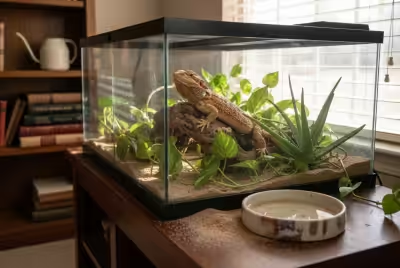
Why Bearded Dragons Eat Sand – Risks and Solutions
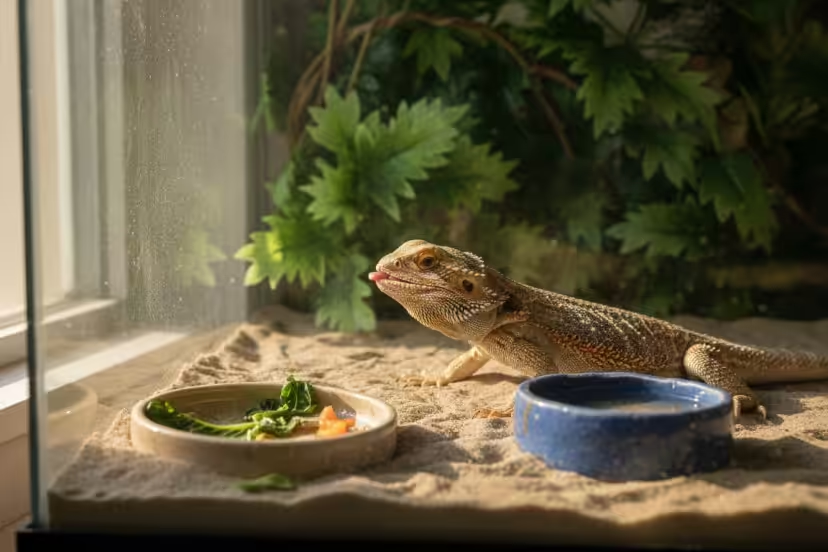
More than sixty percent of first-time reptile owners worry when their bearded dragon starts eating sand. This curious habit raises serious dietary questions and health concerns that go far beyond typical feeding routines. Understanding why bearded dragons consume sand and how you can prevent diet-related issues will help you keep your pet safe, healthy, and thriving in any habitat.
Table of Contents
- Why Bearded Dragons Eat Sand Explained
- Common Myths About Sand Consumption
- Health Risks Linked to Sand Ingestion
- Safer Substrate Options for Owners
- Preventing Harmful Eating Behaviors
Key Takeaways
| Point | Details |
|---|---|
| Understanding Sand Consumption | Bearded dragons may eat sand due to instinctual behaviors, either accidentally or as a way to seek minerals, particularly calcium. Owners should monitor their diet and provide calcium supplements to mitigate this behavior. |
| Debunking Myths | Common misconceptions suggest that sand inevitably causes digestive impaction, but the actual causes are often related to overall nutrition and the quality of care. Proper nutrition and supplementation are crucial for preventing health issues. |
| Health Risks of Excessive Sand Ingestion | Chronic sand consumption can lead to serious health complications such as digestive impaction and nutritional deficiencies, especially in younger dragons. Regular veterinary assessments are recommended if excessive ingestion occurs. |
| Choosing Safe Substrate Options | Owners should consider safer substrate alternatives like paper towels, reptile carpet, or ceramic tiles to reduce health risks associated with sand. Substrate selection and environmental management are key in promoting a healthy habitat. |
Why Bearded Dragons Eat Sand Explained
Bearded dragons possess a fascinating behavior that often puzzles reptile owners: their tendency to eat sand. This seemingly unusual action stems from multiple complex reasons rooted in their natural instincts and environmental adaptations. Researchers at the International Environmental Research Establishment have explored this intriguing phenomenon, revealing that sand ingestion is more nuanced than simple random consumption.
In their native Australian desert habitats, bearded dragons encounter sand as a primary substrate. Their interactions with sand are deeply programmed survival mechanisms. Sand consumption can occur accidentally during feeding or intentionally as a potential mineral supplement. Wild bearded dragons typically consume sand containing organic materials that aid digestion, a key difference from sterile captive environments. Younger dragons are more likely to exhibit this behavior as they explore and understand their surroundings through tactile and oral investigations.
The motivations behind sand eating are multifaceted. Sometimes, dragons consume sand while hunting insects placed directly on the substrate. Other times, they might be attempting to address nutritional deficiencies, particularly calcium shortages. This instinctive behavior suggests their bodies are trying to compensate for potential mineral imbalances. However, captive environments present unique challenges, as the sand lacks the complex mineral composition found in natural desert landscapes.
Pro tip: Monitor your bearded dragon’s diet closely and provide calcium supplements to reduce the likelihood of sand consumption as a mineral-seeking behavior.
Common Myths About Sand Consumption
Bearded dragon owners often encounter numerous misconceptions about sand consumption that can lead to unnecessary panic and misguided care strategies. Research from small-breed rescue organizations reveals that many widespread beliefs about sand are fundamentally inaccurate and can distract from more critical husbandry practices.
One pervasive myth suggests that sand automatically causes digestive impaction in bearded dragons. However, scientific evidence indicates that impaction is rarely about the sand itself, but rather about overall nutrition and care quality. Reptile network experts highlight that bearded dragons have sophisticated feeding mechanisms, including sticky tongues designed to capture prey while minimizing substrate ingestion. The real culprits behind potential health issues are often poor diet, insufficient calcium supplementation, and inadequate environmental conditions.
Another common misconception is that bearded dragons randomly and indiscriminately consume sand. In reality, their sand interactions are nuanced survival behaviors linked to mineral supplementation and environmental exploration. Younger dragons, in particular, use oral investigation as a method of understanding their surroundings. Sand consumption becomes problematic only when it signals underlying nutritional deficiencies or husbandry problems, not as a standalone issue.
Pro tip: Conduct regular dietary assessments and provide proper calcium supplementation to prevent nutritional behaviors that might lead to excessive sand consumption.
Health Risks Linked to Sand Ingestion
Bearded dragons are susceptible to several potential health complications when sand consumption becomes excessive or chronic. Digestive impaction represents the most serious risk, where accumulated sand particles create blockages in the reptile’s digestive tract. This condition can prevent normal nutrient absorption and cause severe gastrointestinal distress, potentially requiring emergency veterinary intervention.
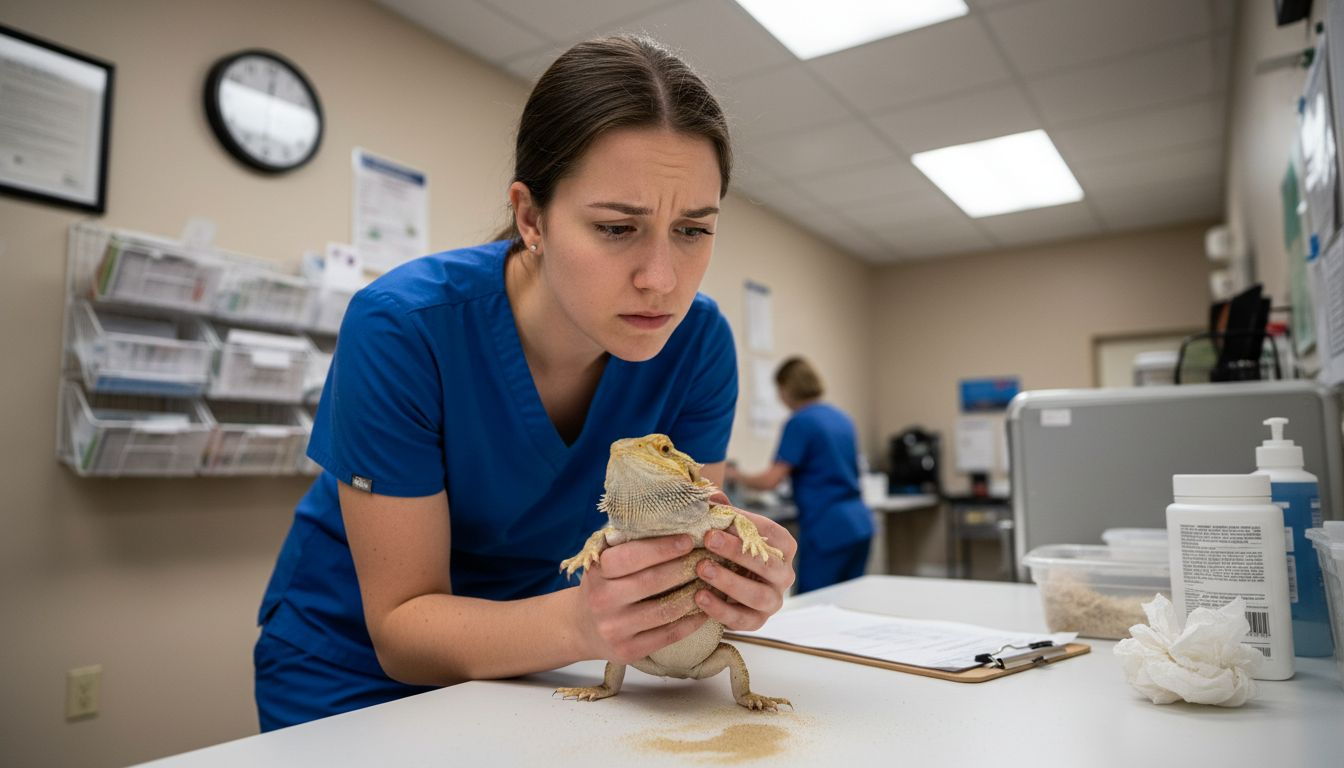
The physiological consequences of sand ingestion extend beyond simple digestive blockages. Sand can cause microscopic abrasions along the dragon’s intestinal lining, leading to inflammation and reduced nutrient absorption capacity. Younger bearded dragons are particularly vulnerable, as their developing digestive systems are less resilient to foreign substrate materials. These microscopic injuries might not be immediately apparent but can compound over time, creating long-term health challenges that compromise the animal’s overall nutritional status.
Chronic sand consumption might also indicate underlying nutritional deficiencies that demand immediate attention. When bearded dragons repeatedly consume sand, it could signal inadequate calcium levels, poor diet composition, or insufficient mineral supplementation. These behavioral indicators suggest the dragon’s body is attempting to compensate for nutritional gaps through substrate ingestion, which ultimately creates a dangerous cycle of potential health complications.
Pro tip: Regularly assess your bearded dragon’s diet and substrate environment, and consult a reptile veterinarian if you observe persistent sand consumption behaviors.
To help owners identify and address possible issues, here’s a summary of warning signs and suggested actions related to sand ingestion:
| Warning Sign | Possible Cause | Recommended Action |
|---|---|---|
| Frequent sand consumption | Calcium deficiency | Begin calcium supplementation |
| Lethargy and appetite loss | Digestive impaction | Seek immediate veterinary care |
| Swollen abdomen | Blockages or inflammation | Remove loose substrate, monitor |
| Unusual feeding behaviors | Stress or environment | Assess habitat and feeding setup |
Safer Substrate Options for Owners
Researchers recommend alternative substrates that dramatically reduce the risks associated with traditional sand environments. Substrate selection plays a crucial role in preventing potential health complications for bearded dragons, especially for younger reptiles whose digestive systems remain more vulnerable to accidental ingestion and potential impaction.
Safer substrate options include a range of materials designed to minimize health risks while providing comfortable habitats. Paper towels offer an excellent temporary solution, particularly for baby dragons, as they are completely ingestible and easy to replace. Reptile carpet provides a more permanent alternative, featuring a textured surface that mimics natural environments without the dangerous particulate matter. Ceramic tiles and slate represent premium options, offering smooth, solid surfaces that are incredibly easy to clean and completely eliminate the risk of substrate consumption.
Each substrate alternative comes with unique advantages for bearded dragon habitats. Ceramic tiles provide excellent heat retention and are easy to sanitize, making them ideal for maintaining consistent environmental temperatures. Reptile carpets allow for some texture and grip, which can be important for your dragon’s movement and comfort. Paper towels, while less aesthetically pleasing, offer the most straightforward approach for owners concerned about potential health risks, especially during quarantine or medical observation periods.
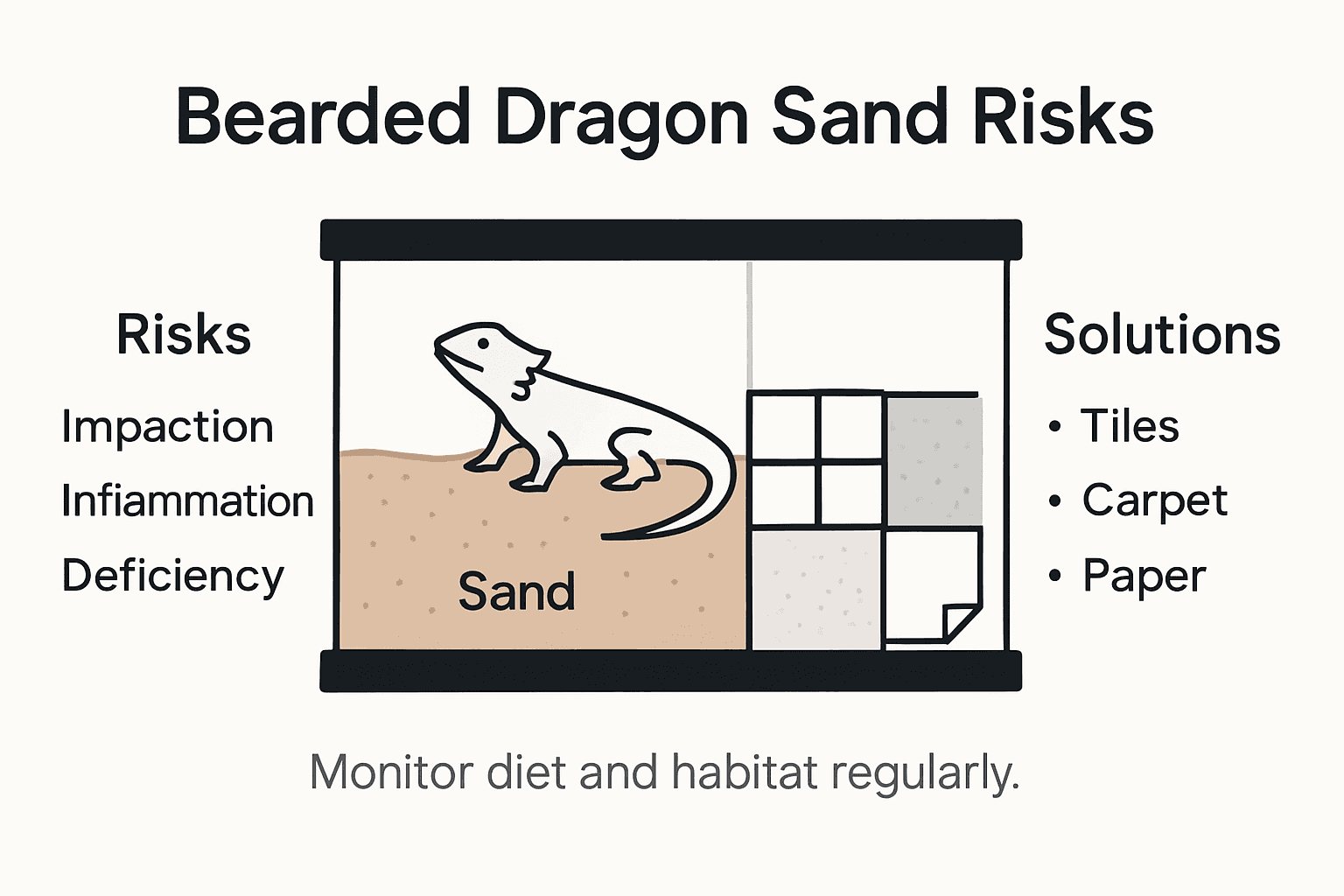
Here’s a comparison of common substrate options for bearded dragons and their practical benefits:
| Substrate Type | Health Risk Level | Cleaning Ease | Additional Benefits |
|---|---|---|---|
| Paper Towels | Very Low | Very Easy | Ideal during illness or quarantine |
| Reptile Carpet | Low | Moderate | Provides grip and comfort |
| Ceramic Tiles | None | Very Easy | Excellent heat retention |
| Loose Sand | High | Difficult | Closest to a natural desert look |
Pro tip: Rotate between different substrate types and monitor your bearded dragon’s behavior to find the most comfortable and safe option for your specific pet.
Preventing Harmful Eating Behaviors
Bearded dragons are complex reptiles with intricate nutritional needs that require careful management to prevent harmful eating behaviors. Dietary intervention becomes crucial in addressing potential substrate consumption and nutritional deficiencies that might drive these problematic patterns. Understanding the underlying motivations for unusual eating habits allows owners to create targeted strategies that promote healthier nutritional intake.
Nutritional supplementation plays a pivotal role in preventing sand and substrate consumption. Calcium deficiency often triggers bearded dragons to seek alternative mineral sources, leading them to consume inappropriate materials. Implementing a comprehensive supplement routine that includes high-quality calcium powders, balanced multivitamins, and ensuring proper UVB lighting helps satisfy their mineral requirements. Regular veterinary consultations can help calibrate supplement dosages specific to your dragon’s age, size, and individual metabolic needs.
Environmental management represents another critical strategy for preventing harmful eating behaviors. Careful feeding practices, such as using separate feeding containers, removing loose substrate during meal times, and creating designated eating zones, can significantly reduce accidental ingestion risks. Owners should also focus on providing a diverse diet rich in leafy greens, appropriate insects, and nutritionally balanced commercial foods that meet the dragon’s complex dietary requirements. Monitoring feeding behaviors, tracking nutritional intake, and maintaining a consistent feeding schedule can help interrupt potential substrate consumption cycles.
Pro tip: Create a detailed feeding log to track your bearded dragon’s diet, supplement intake, and any unusual eating behaviors, enabling early detection of potential nutritional issues.
Protect Your Bearded Dragon From Harmful Sand Eating
Understanding why bearded dragons eat sand and the risks involved is just the first step toward better pet care. If your dragon is showing signs of nutritional deficiencies, digestive impaction, or unusual eating habits like sand consumption, you need practical solutions designed specifically for their unique needs. Avoid the dangers of loose sand and address underlying issues with expert advice on diet, supplements, and safer habitat options.

Visit Go Bearded Dragon for comprehensive guides on optimal nutrition, substrate alternatives, and health checks that can prevent sand-related problems. Discover proven strategies to safeguard your pet’s digestive health and improve their living environment. Take control today using trusted resources to ensure your bearded dragon thrives without the hidden dangers of sand ingestion. Start your dragon’s healthier journey now by exploring Why Bearded Dragons Eat Sand – Risks and Solutions and related care articles.
Frequently Asked Questions
Why do bearded dragons eat sand?
Bearded dragons may eat sand due to instinctive behaviors related to their natural habitat. They might accidentally ingest sand while hunting insects, or intentionally consume it in search of essential minerals, particularly if they have a nutrient deficiency.
What are the risks associated with sand consumption in bearded dragons?
The primary risks include digestive impaction, which can block the digestive tract, and potential inflammation caused by micro-abrasions along the intestinal lining. Excessive sand consumption can also signal underlying nutritional deficiencies.
What alternative substrates are safer for bearded dragons?
Safer substrate options include paper towels, reptile carpet, and ceramic tiles. These alternatives minimize health risks associated with loose sand, making them ideal for bearded dragons, especially younger ones.
How can I prevent my bearded dragon from eating sand?
To prevent sand consumption, focus on providing a balanced diet rich in calcium and nutrition, use separate feeding zones to limit accidental ingestion, and monitor their behavior to identify any underlying issues affecting their eating habits.