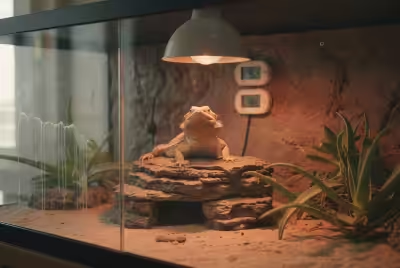
Vitamin D3 for bearded dragons: why it matters in 2026
Many bearded dragon owners believe oral vitamin D3 supplements alone will keep their pet healthy. This is a dangerous myth. Over 70% of captive dragons develop metabolic bone disease when UVB lighting is missing or inadequate. Vitamin D3 is critical for calcium absorption, bone strength, and muscular function. Without proper UVB exposure, your dragon cannot synthesize the vitamin D3 it needs to thrive. This guide explains how vitamin D3 works, why UVB lighting is essential, and how to balance natural synthesis with safe supplementation to prevent deficiency and toxicity.
Table of Contents
- Introduction To Vitamin D3 And Its Importance For Bearded Dragons
- How Vitamin D3 Works In Bearded Dragons’ Bodies
- Sources Of Vitamin D3 For Bearded Dragons: Uvb Lighting Vs. Supplements
- Common Misconceptions About Vitamin D3 In Bearded Dragon Care
- Recognizing Vitamin D3 Deficiency And Toxicity In Bearded Dragons
- Practical Guidelines For Providing Vitamin D3 To Your Bearded Dragon
- Conclusion: Ensuring Healthy Vitamin D3 Levels For Your Bearded Dragon’s Longevity
- Enhance Your Bearded Dragon Care With Expert Nutrition And Habitat Guides
Key takeaways
| Point | Details |
|---|---|
| Vitamin D3 enables calcium absorption | Without it, bearded dragons cannot absorb dietary calcium, leading to weak bones and metabolic bone disease. |
| UVB lighting is the primary source | Natural synthesis from UVB exposure provides up to 80% of required vitamin D3 in captive dragons. |
| Oral supplements cannot replace UVB | Supplements help but relying solely on them increases risk of deficiency and health complications. |
| Deficiency causes metabolic bone disease | Symptoms include lethargy, swollen limbs, bone deformities, and decreased appetite requiring veterinary care. |
| Balance prevents overdose and deficiency | Combine quality UVB lighting, moderate supplementation, and regular health monitoring for optimal levels. |
Introduction to vitamin D3 and its importance for bearded dragons
Vitamin D3 functions as a hormone that regulates calcium absorption in the intestines, making it essential for bone mineralization and muscular function. Bearded dragons depend on adequate calcium metabolism to maintain skeletal strength and support vital muscle contractions. Without sufficient vitamin D3, calcium from food passes through the digestive system unused, leaving bones brittle and muscles weak.
Reptiles face unique vulnerability to calcium-related disorders because they cannot produce vitamin D3 without UVB light exposure. Metabolic bone disease is one of the most common health problems in captive bearded dragons, often stemming from vitamin D3 deficiency. This condition causes severe bone deformities, paralysis, and can be fatal if untreated.
Vitamin D3 plays several critical roles in your dragon’s body:
- Promotes intestinal absorption of dietary calcium from food
- Regulates calcium and phosphorus balance in the bloodstream
- Supports bone mineralization and skeletal development
- Maintains normal muscle contraction and nerve function
- Prevents calcium depletion from bones to meet metabolic needs
Understanding these functions helps you recognize why proper vitamin D3 provision is not optional but fundamental to bearded dragon care. Every aspect of skeletal and muscular health depends on maintaining adequate levels through appropriate UVB exposure and supplementation practices.
How vitamin D3 works in bearded dragons’ bodies
When UVB rays contact your dragon’s skin, they trigger a chemical conversion process that transforms a cholesterol compound into vitamin D3. This initial form travels to the liver and kidneys where it becomes activated into calcitriol, the biologically active hormone form. Calcitriol then circulates through the bloodstream to target organs.
In the intestines, activated vitamin D3 stimulates specialized cells to produce calcium-binding proteins. These proteins act like molecular shuttles, capturing calcium from digested food and transporting it across intestinal walls into the bloodstream. Research shows vitamin D3 facilitates absorption of approximately 30-40% of dietary calcium in reptiles. Without adequate vitamin D3, this absorption rate plummets to nearly zero.
The process continues as vitamin D3 directs calcium to bones for mineralization, creating the hard structure that supports your dragon’s body. It also regulates calcium levels available to muscles, enabling proper contraction and movement. This intricate system maintains a delicate balance between calcium absorption, bone deposition, and muscular function.
Key steps in the vitamin D3 pathway include:
- UVB exposure triggers vitamin D3 synthesis in the skin
- Liver and kidney enzymes convert it to active calcitriol
- Calcitriol stimulates intestinal calcium absorption proteins
- Calcium enters bloodstream for bone building and muscle function
- Excess calcium stores in bones as reserve for future needs
Pro Tip: Regular moderate UVB exposure is crucial. Too little limits calcium absorption and causes deficiency, while excessive exposure without retreat areas can stress your dragon and potentially contribute to other health issues. Balance is key.
Understanding this pathway reveals why both UVB lighting and proper nutrition matter. You can provide calcium-rich foods, but without vitamin D3 from UVB exposure or carefully dosed supplements, that calcium remains unavailable to your dragon’s body.
Sources of vitamin D3 for bearded dragons: UVB lighting vs. supplements
Bearded dragons obtain vitamin D3 primarily through two routes: natural synthesis from UVB light exposure and oral supplementation. Each source offers distinct advantages and potential risks that responsible owners must understand.
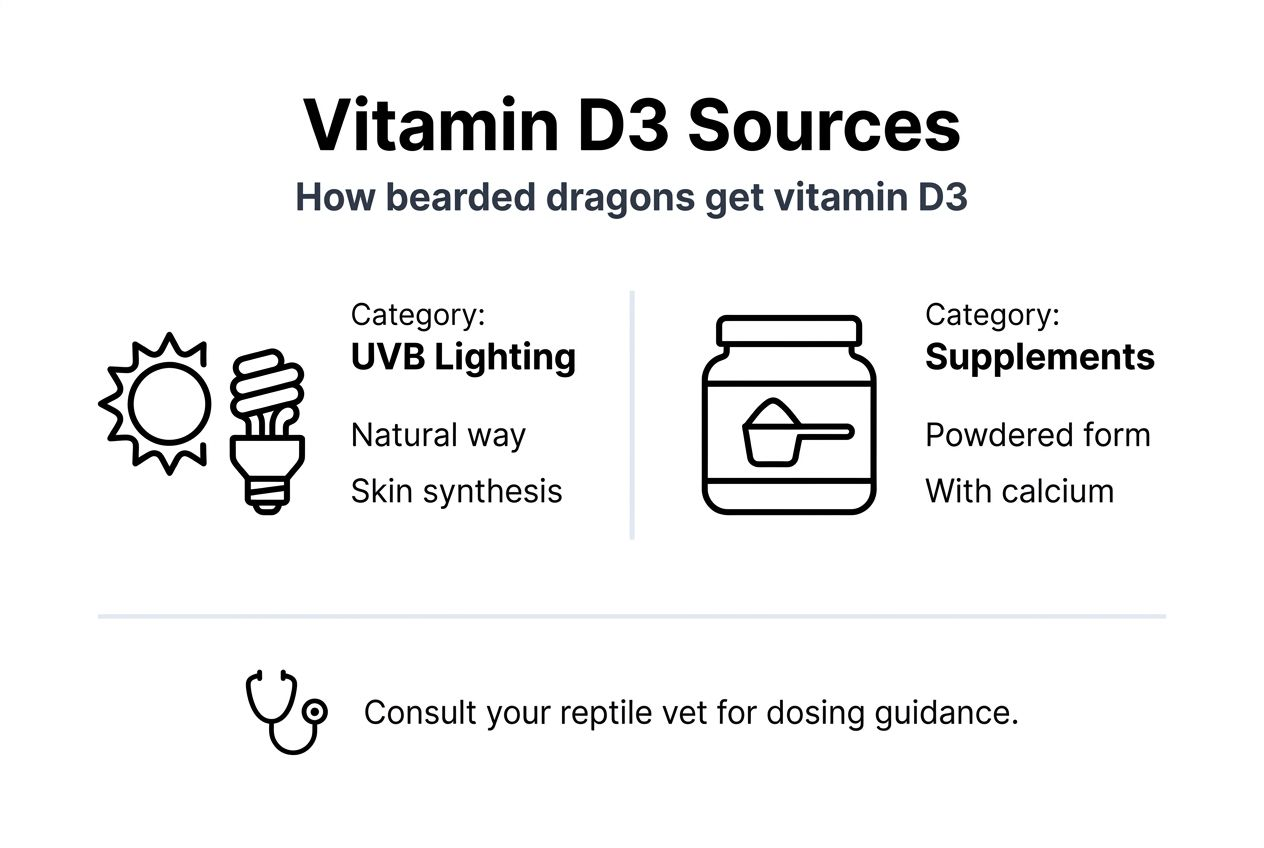
UVB lighting stimulates natural vitamin D3 production in your dragon’s skin, mimicking how wild dragons synthesize it under the Australian sun. Studies indicate up to 80% of required vitamin D3 comes from UVB-induced synthesis in captive bearded dragons. This method provides a self-regulating mechanism because dragons can moderate their exposure by moving between basking and shaded areas.
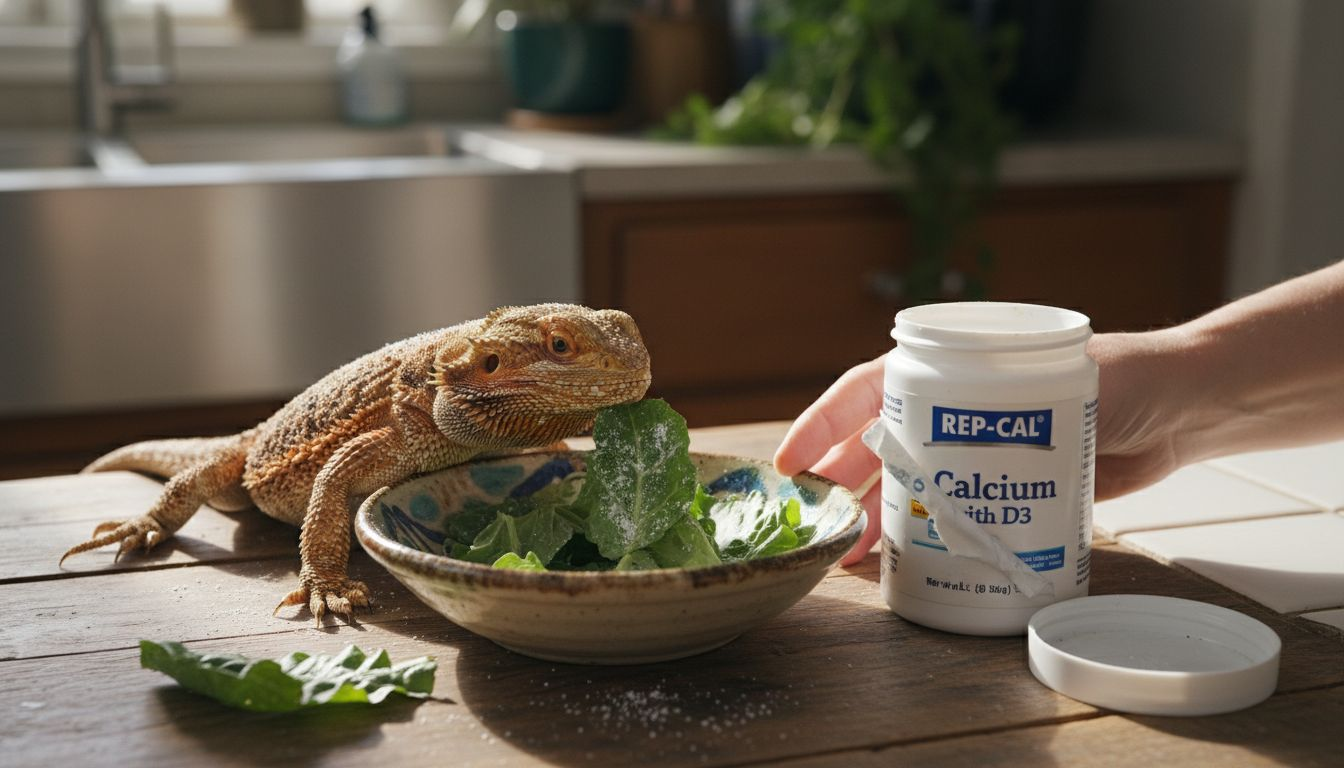
Oral supplements deliver vitamin D3 directly through the digestive system, typically combined with calcium powder dusted on feeder insects or vegetables. While convenient, supplements carry higher overdose risk because you control the dose, not your dragon’s natural behavior. Vitamin D3 is fat-soluble, meaning excess accumulates in body tissues rather than being excreted, potentially causing toxicity.
| Source | Benefits | Risks | Usage Notes |
|---|---|---|---|
| UVB Lighting | Natural synthesis, self-regulating exposure, supports overall health | Bulbs lose effectiveness over time, initial setup cost, requires proper distance and duration | Use quality UVB bulbs rated 10-12% UVB for 10-12 hours daily |
| Oral Supplements | Convenient, dose control, helpful during illness or recovery | Overdose risk, cannot fully replace UVB, requires accurate measurement | Use combined calcium and D3 products, follow vet recommendations for dosing frequency |
Combining both sources provides optimal safety and effectiveness. UVB lighting serves as the foundation, while moderate supplementation fills any gaps. This approach mimics natural conditions where wild dragons get most vitamin D3 from sunlight but also consume small amounts through prey items.
Pro Tip: Avoid high-dose pure vitamin D3 powders sold for other pets. These concentrated products make accurate dosing nearly impossible and frequently cause toxicity in bearded dragons. Instead, choose reptile-specific calcium supplements with appropriate D3 ratios, and always consult a reptile veterinarian for personalized dosing guidance based on your dragon’s age, size, and health status.
Understanding the interplay between these sources empowers you to create a safe, effective vitamin D3 provision strategy that prevents both deficiency and overdose.
Common misconceptions about vitamin D3 in bearded dragon care
Several persistent myths about vitamin D3 supplementation can seriously harm your dragon’s health. Clearing up these misunderstandings helps you make informed care decisions based on scientific evidence rather than folklore.
The most dangerous misconception is that oral supplements alone adequately replace UVB lighting. While supplements provide vitamin D3 directly, they cannot replicate the full spectrum of benefits that UVB exposure offers, including natural synthesis regulation and overall metabolic health support. Dragons relying solely on oral vitamin D3 frequently develop metabolic bone disease despite supplementation.
Another common error involves confusing vitamin D2 with vitamin D3. Vitamin D2, found in plant sources, is essentially useless for bearded dragons. Reptiles lack the enzyme systems needed to convert D2 into active forms. Only vitamin D3, the animal-derived form, works effectively in their metabolism.
Many owners accidentally overdose their dragons by using pure vitamin D3 powders intended for other animals or by supplementing too frequently. Unlike water-soluble vitamins that flush out through urine, excess vitamin D3 accumulates in fatty tissues and organs, slowly building to toxic levels. Symptoms may not appear immediately, making it easy to continue harmful practices unknowingly.
Confusion also exists around distinguishing deficiency from toxicity signs:
- Deficiency symptoms include lethargy, swollen or curved limbs, reluctance to move, decreased appetite, and visible bone deformities
- Toxicity symptoms include lethargy, vomiting, constipation, calcium deposits visible under the skin, and organ dysfunction
- Both conditions cause lethargy, but deficiency affects bones while toxicity damages soft tissues and organs
Some owners delay seeking veterinary care, thinking they can correct vitamin D3 imbalances at home through supplementation adjustments. However, accurate diagnosis requires blood tests to measure calcium and vitamin D3 levels. Guessing based on symptoms often worsens the situation because incorrect treatment for suspected deficiency can push a borderline case into toxicity, or vice versa.
Veterinarians play a crucial role in managing vitamin D3 status. They can test blood levels, diagnose underlying causes, recommend appropriate UVB lighting improvements, and prescribe safe supplementation protocols tailored to your dragon’s specific needs. Never attempt to treat suspected vitamin D3 problems without professional guidance.
Recognizing vitamin D3 deficiency and toxicity in bearded dragons
Early detection of vitamin D3 imbalances prevents permanent damage and improves treatment outcomes. Both deficiency and toxicity present distinct clinical signs that attentive owners can learn to recognize.
Vitamin D3 deficiency develops gradually as calcium absorption declines and the body begins pulling calcium from bones to maintain blood levels. Early symptoms include:
- Lethargy and reduced activity levels compared to normal behavior
- Swollen, soft, or visibly bent limbs indicating weakening bones
- Decreased appetite and reluctance to eat favorite foods
- Tremors or twitching due to inadequate calcium for muscle function
- Bone deformities such as curved spine, shortened jaw, or swollen joints
Research indicates signs of vitamin D3 deficiency include lethargy, swollen limbs, and decreased appetite, strongly correlating with low bone density. Advanced cases develop metabolic bone disease with severe skeletal deformities, fractures from normal movement, and paralysis.
Over 70% of bearded dragons with vitamin D3 deficiency show clear clinical symptoms before bone density drops below critical levels, making early intervention possible.
Vitamin D3 toxicity results from excessive supplementation or rarely from extreme UVB overexposure without retreat areas. Toxic levels cause hypercalcemia, where too much calcium circulates in the blood. Warning signs include:
- Lethargy and weakness despite adequate diet and temperature
- Vomiting or regurgitation after meals
- Constipation or difficulty passing waste
- Visible calcium deposits forming under the skin or around joints
- Organ dysfunction affecting kidneys, heart, or other systems
Both conditions require veterinary testing for accurate diagnosis because symptoms overlap and visual assessment alone cannot distinguish between deficiency and toxicity. Blood tests measure calcium, phosphorus, and vitamin D3 levels to determine which imbalance exists and its severity.
Prompt veterinary care is essential when you notice any concerning symptoms. Metabolic bone disease from deficiency becomes irreversible once severe deformities develop, while toxicity can cause fatal organ damage. Early treatment dramatically improves prognosis, often reversing problems completely when caught in initial stages.
Monitoring your dragon’s behavior, appetite, mobility, and physical appearance helps you detect subtle changes early. Compare current condition to signs of a healthy bearded dragon regularly, and document any deviations to share with your veterinarian.
Practical guidelines for providing vitamin D3 to your bearded dragon
Implementing safe, effective vitamin D3 provision requires attention to UVB lighting quality, supplementation practices, and ongoing health monitoring. Follow these steps to maintain optimal levels:
-
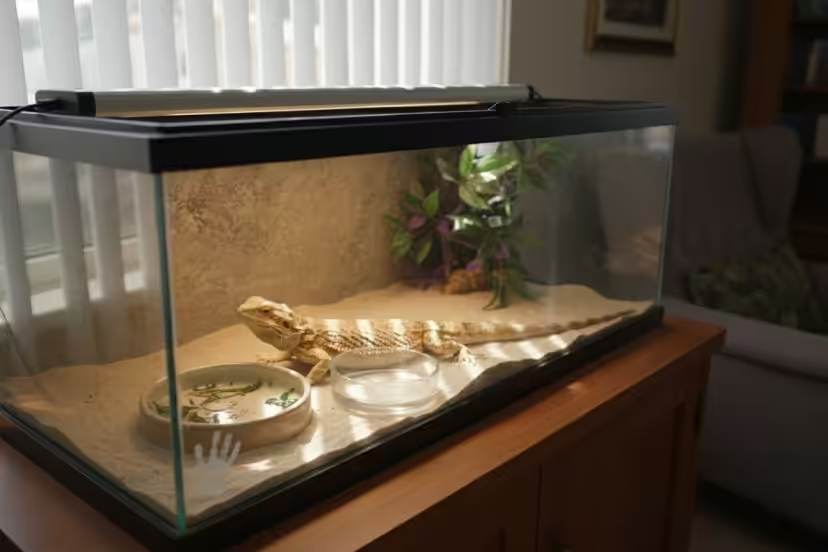
Install proper UVB lighting that provides UV index 3-5 in your dragon’s basking area. Position the bulb according to manufacturer distance recommendations, typically 12-18 inches from the basking spot. Operate the light for 10-12 hours daily to mimic natural day-night cycles. Use appropriate UVB bulbs rated specifically for desert reptiles.
-
Replace UVB bulbs every 6-12 months regardless of whether they still emit visible light. UVB output degrades significantly before the bulb burns out, leaving your dragon without adequate vitamin D3 synthesis despite appearing functional. Mark replacement dates on your calendar to maintain consistent UVB exposure.
-
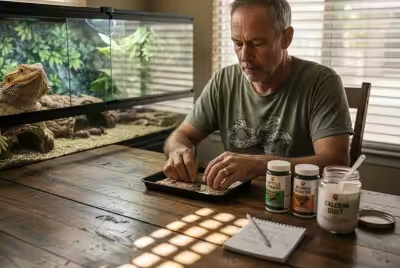
Use combined calcium and vitamin D3 supplements as recommended by a reptile veterinarian. Dust feeder insects lightly with supplement powder 2-3 times weekly for adults, more frequently for growing juveniles. Never use pure vitamin D3 products or supplements formulated for other animal species.
-
Monitor your dragon’s behavior, appetite, physical appearance, and activity levels regularly. Watch for any changes in limb shape, movement quality, eating habits, or energy levels. Check UV index levels periodically with a UV meter to verify your lighting setup maintains appropriate intensity.
Pro Tip: Avoid pure vitamin D3 powders completely. These concentrated products designed for livestock or other pets contain doses far too high for bearded dragons, making accurate portioning impossible even with careful measurement. Stick with reptile-specific calcium supplements containing appropriate vitamin D3 ratios, typically around 2:1 calcium to phosphorus with moderate D3 content.
Additional best practices include providing basking and shade areas so your dragon can self-regulate UVB exposure, maintaining proper temperatures for vitamin D3 activation, and ensuring adequate dietary calcium through appropriate feeder insects and vegetables. The combination of quality lighting, sensible supplementation, and attentive monitoring creates the foundation for long-term skeletal and metabolic health.
Consult resources on supplements and bone disease prevention to deepen your understanding of how nutrition, lighting, and supplementation work together. Every element of your care routine contributes to maintaining the delicate vitamin D3 balance your dragon needs.
Conclusion: ensuring healthy vitamin D3 levels for your bearded dragon’s longevity
Maintaining optimal vitamin D3 levels requires balancing UVB lighting with moderate supplementation while monitoring your dragon’s health consistently. This three-pronged approach prevents the extremes of deficiency and toxicity that threaten your pet’s wellbeing.
Avoid common mistakes that undermine vitamin D3 status:
- Never rely solely on oral supplements without adequate UVB lighting
- Replace UVB bulbs on schedule before output drops below effective levels
- Resist the temptation to use pure vitamin D3 powders or products designed for other species
- Do not guess at supplementation needs, consult a reptile veterinarian for personalized guidance
Regularly observe your dragon for early warning signs of imbalance, including changes in activity, appetite, limb appearance, or movement quality. Seek veterinary care promptly when concerns arise rather than attempting home treatment for suspected vitamin D3 problems.
Commit to proactive care practices that prevent metabolic bone disease and support overall health. Invest in quality UVB lighting, use appropriate supplements, and maintain consistent husbandry routines. These efforts extend your bearded dragon’s healthy lifespan and prevent the suffering associated with preventable calcium metabolism disorders. Your attention to vitamin D3 provision represents one of the most impactful investments you can make in your dragon’s long-term quality of life.
Enhance your bearded dragon care with expert nutrition and habitat guides
Providing optimal vitamin D3 is just one component of comprehensive bearded dragon care. Proper nutrition, habitat setup, and supplement selection all work together to support your pet’s health and longevity.
Explore detailed guides on bearded dragon nutrition and supplements to understand how diet impacts calcium absorption and vitamin D3 utilization. Learn how habitat setup influences health outcomes, including proper temperature gradients that support vitamin D3 activation and overall metabolism.

Review vitamin supplement options to choose products formulated specifically for reptile needs with appropriate vitamin D3 ratios. Our comprehensive resources help you make informed decisions backed by research and practical experience from the bearded dragon care community.
FAQ
How often should I replace UVB bulbs for my bearded dragon?
Replace UVB bulbs every 6 to 12 months regardless of whether they still produce visible light. UVB output declines significantly before bulbs burn out, leaving your dragon without adequate vitamin D3 synthesis. Check manufacturer recommendations for your specific bulb model, as some lose effectiveness faster than others. Consider using a quality UVB lighting system designed for longevity.
Can I rely solely on vitamin D3 supplements without UVB lights?
Oral supplements alone cannot replicate the natural vitamin D3 synthesis triggered by UVB light exposure. Dragons depending only on supplements face significantly higher risk of developing metabolic bone disease despite regular supplementation. UVB lighting provides up to 80% of required vitamin D3 and supports overall metabolic health in ways that oral supplements cannot match. Always combine appropriate supplement protocols with quality UVB lighting for optimal health.
What are the signs that my bearded dragon has too much vitamin D3?
Toxicity symptoms include persistent lethargy, vomiting or regurgitation, constipation, and visible calcium deposits forming under the skin or around joints. Severe cases develop organ dysfunction affecting kidneys and heart. Overdose typically results from excessive supplementation with pure vitamin D3 powders or too-frequent dusting with concentrated products. Prevent toxicity by following veterinarian dosing recommendations and choosing appropriately formulated reptile supplements. Monitor your dragon for signs of good health and seek veterinary care immediately if toxicity symptoms appear.
How can I tell if my bearded dragon is getting enough vitamin D3?
Healthy dragons exhibit normal activity levels, strong appetite, straight limbs without swelling or bending, and smooth coordinated movement. Regular veterinary checkups including blood tests provide definitive confirmation of adequate vitamin D3 status. Home monitoring should focus on behavioral and physical indicators compared to your dragon’s normal baseline. Any changes in activity, appetite, or physical appearance warrant veterinary evaluation to catch imbalances early before permanent damage occurs.
Recommended
- Supplements for bearded dragons: 30% fewer bone disease cases
- Role of supplements in bearded dragon care: expert guide
- Heat lamps for bearded dragons: essential guide 2026
- Bearded Dragon UV Index: Ensuring Optimal Health – Go BEARDED DRAGON