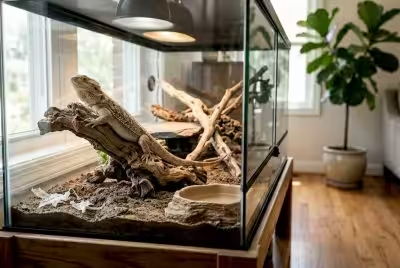
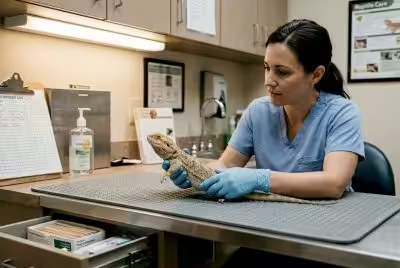
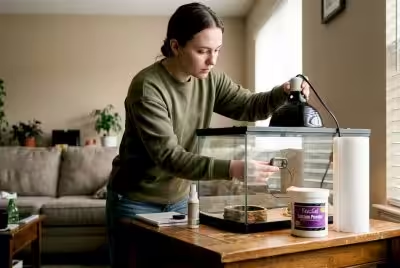
Heat lamps for bearded dragons: essential guide 2026
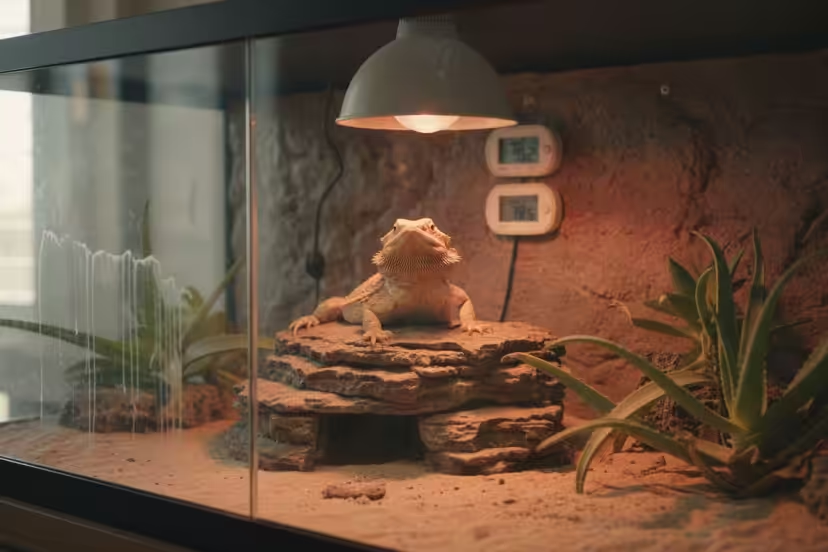
Many bearded dragon owners mistakenly believe heat mats alone can maintain healthy temperatures. This dangerous misconception leads to serious health problems including metabolic bone disease and digestive failure. Heat lamps provide the radiant warmth your dragon needs to thrive, replicating natural sunlight that drives essential biological functions. This guide explains why heat lamps are non-negotiable for your pet’s survival, how they support critical health processes, and exactly how to set them up correctly to prevent common but devastating mistakes.
Table of Contents
- Introduction To Temperature Regulation In Bearded Dragons
- How Heat Lamps Support Thermoregulation And Metabolic Health
- Types Of Heat Lamps: Features And Best Uses
- Common Misconceptions About Heat Lamp Use For Bearded Dragons
Key takeaways
| Point | Details |
|---|---|
| Heat lamps provide essential radiant heat | Unlike heat mats, lamps create the basking warmth bearded dragons need for digestion and metabolism |
| Proper temperature gradients prevent stress | Basking zones at 95-110°F and cool sides at 75-85°F enable natural thermoregulation behavior |
| Different lamp types serve specific functions | Mercury vapor lamps combine heat and UVB while ceramic emitters provide nighttime warmth without light |
| Common mistakes cause serious health risks | Overheating, 24/7 operation, and relying on mats alone lead to burns, metabolic disease, and digestive problems |
| Regular monitoring ensures habitat safety | Digital thermometers and timers maintain consistent conditions that support immune function and wellbeing |
Introduction to temperature regulation in bearded dragons
Bearded dragons cannot generate their own body heat. They depend entirely on external warmth to maintain the precise internal temperatures their bodies require to function. This biological reality makes proper heating equipment the single most critical aspect of habitat setup.
Bearded dragons are ectothermic animals whose metabolism, digestion, and immune response directly correlate with their body temperature. When temperatures drop below optimal ranges, enzymatic activity slows dramatically. Food sits undigested in the gut. The immune system becomes compromised. Lethargy sets in as metabolic processes crawl to inefficient levels.
Heat lamps replicate the intense overhead sunlight bearded dragons experience in their native Australian habitats. In the wild, dragons start their day by basking on rocks and branches under direct sun exposure. This behavioral pattern raises their core temperature to levels that activate digestion and prepare them for hunting and activity.
Creating a proper temperature gradient in captivity allows your dragon to move between warmer and cooler zones based on biological needs. After eating, they seek intense heat for digestion. When adequately warmed, they move to moderate zones for exploration. This self-regulation behavior is fundamental to reptile health and cannot occur without appropriate heat sources.
Understanding these thermal requirements separates successful dragon care from well-intentioned setups that slowly compromise health. Your heating equipment choices directly impact your pet’s quality of life and lifespan. Why bearded dragons need basking becomes immediately clear when you recognize temperature as the foundation of their entire physiology.
How heat lamps support thermoregulation and metabolic health
Heat lamps provide critical radiant heat that enables efficient digestion by supporting enzymatic activity at optimal body temperatures between 90°F and 100°F. Without sufficient heat, even properly fed dragons suffer malnutrition because their bodies cannot break down and absorb nutrients effectively.
Digestion in bearded dragons requires specific temperature thresholds to function. Stomach acids activate. Pancreatic enzymes break down proteins. Intestinal villi absorb nutrients. All these processes slow or halt when body temperature drops below critical ranges. A dragon eating regularly but housed with inadequate heat essentially starves despite a full stomach.
Providing a temperature gradient with heat lamps from 95-110°F for basking to 75-85°F on the cool side creates thermal zones that enable self-regulation. Your dragon instinctively knows what temperature it needs moment by moment. After meals, it seeks intense basking heat. During rest periods, moderate warmth suffices. This natural behavior pattern requires habitat design that offers choices.
Heat lamps support five critical physiological functions:
- Digestive enzyme activation: Proteins, fats, and carbohydrates require specific temperatures for enzymatic breakdown
- Metabolic rate regulation: Cell respiration and energy production increase proportionally with body temperature
- Immune system function: White blood cell activity and pathogen response depend on optimal thermal conditions
- Calcium metabolism: Vitamin D3 synthesis and calcium absorption processes require adequate warmth
- Behavioral activity: Hunting, exploration, and social behaviors emerge only when dragons reach functional temperatures
Radiant heat from above mimics natural sunlight warming rocks and sand. This top-down heat distribution allows dragons to bask with their backs toward the source, exactly as evolution designed. Conductive heat from below, like heat mats provide, creates unnatural thermal exposure that can confuse thermoregulation instincts.
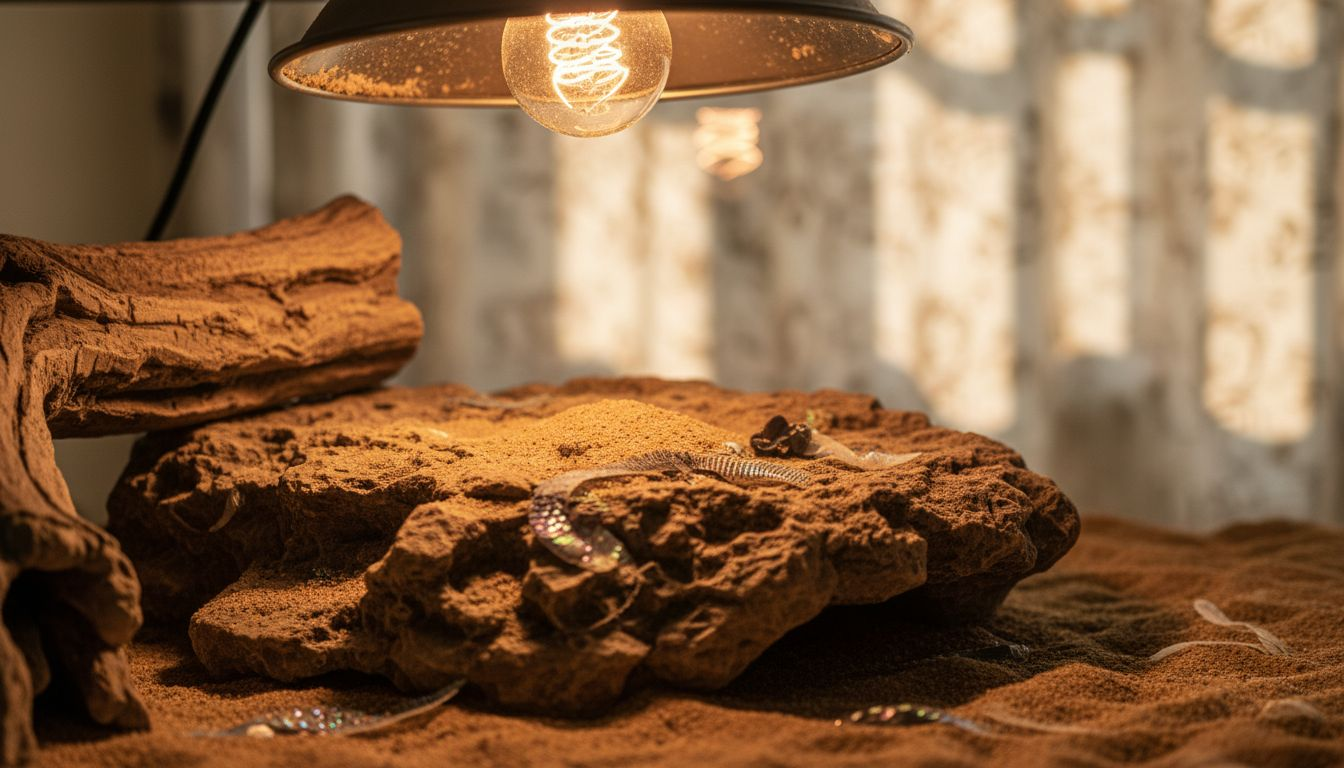
Proper basking temperatures also reduce physiological stress. Dragons housed in chronically cool conditions experience elevated cortisol levels. Chronic stress suppresses immune function, making infections more likely. It interferes with reproduction. It shortens lifespan through cumulative cellular damage.
Pro Tip: Place one digital thermometer directly in the basking zone and another on the cool side at dragon height, not against glass. Monitor both readings daily to ensure your gradient remains stable as seasons change and bulbs age.
Detailed guidance on bearded dragon temperature setup instructions helps you implement these principles correctly from day one. Getting temperature right eliminates the most common cause of preventable health problems in captive bearded dragons.
Types of heat lamps: features and best uses
Selecting appropriate heat lamps requires understanding the distinct characteristics and applications of available options. Each lamp type serves specific habitat needs and scheduling requirements.
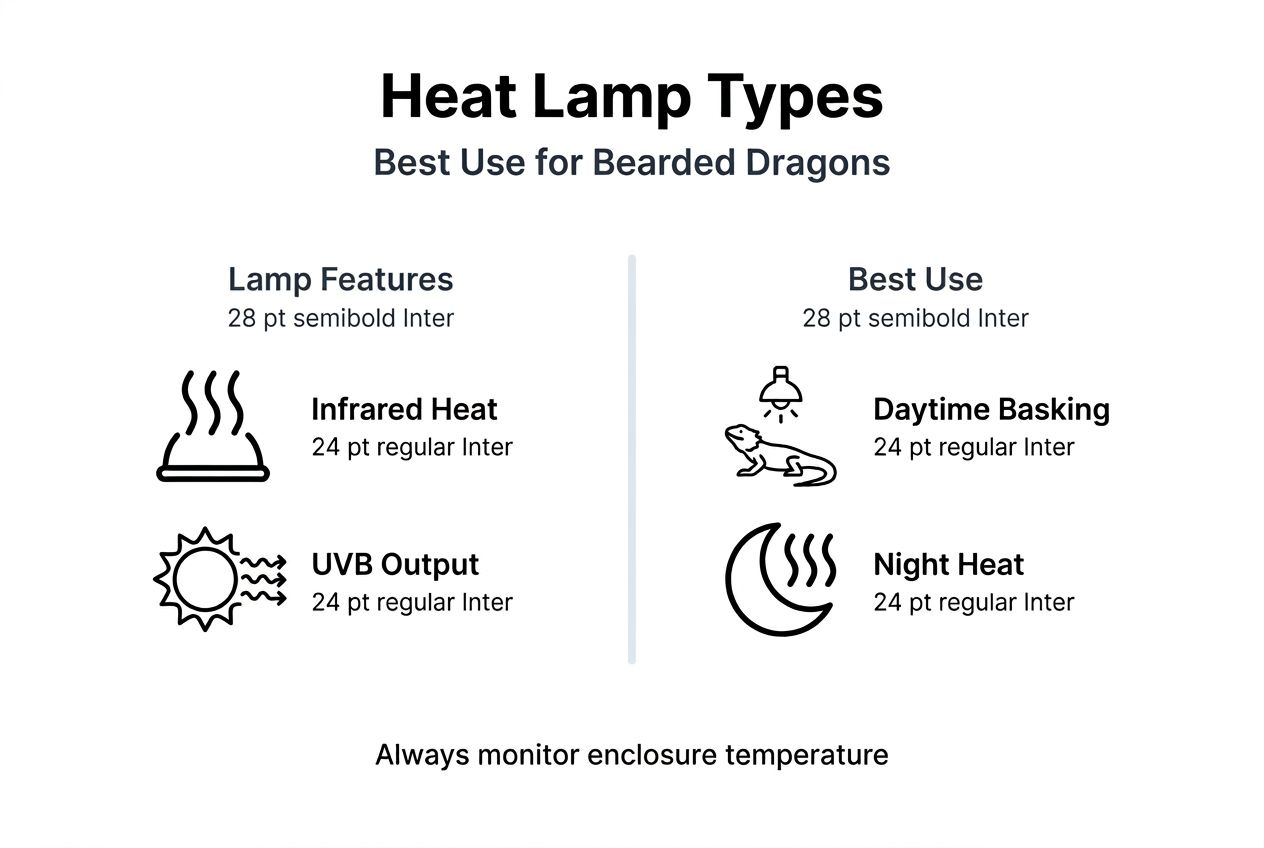
Mercury vapor lamps combine intense heat output with UVB radiation in a single bulb. They excel as all-in-one solutions for smaller enclosures or simplified setups. These lamps produce significant radiant heat while simultaneously providing the ultraviolet light dragons need for vitamin D3 synthesis. They work best for daytime use in habitats where combining heat and UVB makes sense.
Ceramic heat emitters generate infrared heat without visible light. This makes them ideal for nighttime temperature maintenance when darkness is essential for proper circadian rhythms. Ceramic bulbs last longer than incandescent options and provide steady, reliable warmth. They work excellently in thermostatic setups that cycle on and off to maintain precise temperatures.
Heat mats deliver conductive warmth through direct contact but lack the radiant heat component critical for basking. While useful as supplemental belly heat for digestion in some reptile species, they cannot replace overhead heat lamps for bearded dragons. Mats alone create hotspots against the glass without warming the air or providing top-down heat exposure.
| Lamp Type | Heat Output | Visible Light | UVB Provision | Best Use Case | Limitations |
|---|---|---|---|---|---|
| Mercury Vapor | Very High | Yes | Yes | Daytime basking in small to medium enclosures | Expensive, requires careful distance management |
| Ceramic Heat Emitter | High | No | No | Nighttime heating, thermostatic control | No light, requires separate UVB source |
| Incandescent Basking Bulb | Medium to High | Yes | No | Budget daytime basking | Shorter lifespan, requires UVB supplement |
| Heat Mat | Low to Medium | No | No | Supplemental belly warmth only | Cannot replace overhead basking heat |
Halogen flood lamps offer another viable option for basking heat. They produce intense, focused warmth that penetrates effectively. Their color temperature more closely mimics natural sunlight than standard incandescent bulbs. Many experienced keepers prefer halogen bulbs for creating precise basking zones.
Pro Tip: Choose lamp wattage based on enclosure size and ambient room temperature. A 100-watt bulb may overheat a 40-gallon tank but prove insufficient for a 120-gallon setup. Start conservative and upgrade if temperatures fall short rather than risk overheating.
Exploring best heating equipment for bearded dragons provides specific product recommendations and performance comparisons. The right equipment combination eliminates guesswork and ensures your dragon receives optimal thermal support from day one.
Common misconceptions about heat lamp use for bearded dragons
Misunderstandings about proper heat lamp use create preventable health crises. Correcting these misconceptions protects your dragon from serious harm.
Misconception: Heat mats can replace heat lamps for basking needs
Reality: Heat mats provide conductive warmth through belly contact but lack the radiant, overhead heat component bearded dragons require for proper thermoregulation. Basking behavior involves exposing the back and sides to intense top-down heat, exactly as sunlight delivers in nature. Mats cannot replicate this essential heat distribution pattern. Dragons housed with only mat heating often develop metabolic problems despite technically adequate ambient temperatures.
Misconception: Higher temperatures always mean better health
Reality: Overheating causes thermal burns, dehydration, and chronic stress. Basking zones exceeding 115°F create danger rather than benefit. Dragons need temperature gradients with both hot and cool zones, not uniformly high heat. A too-hot habitat eliminates the cooler retreat spaces essential for self-regulation. Proper lamp placement and wattage selection prevent dangerous overheating while maintaining optimal basking temperatures.
Misconception: Heat lamps should run 24 hours daily
Reality: Bearded dragons require natural day/night temperature fluctuations and darkness for healthy circadian rhythms. Continuous lighting disrupts sleep patterns and causes stress. Nighttime temperatures can safely drop to 65-75°F. If your room temperature drops below this range, use a ceramic heat emitter on a thermostat rather than continuing daytime basking lamps through the night.
Misconception: Any warm habitat meets bearded dragon needs
Reality: Dragons require specific temperature ranges in designated zones, not just general warmth. A habitat measuring 80°F everywhere provides inadequate basking heat and no thermal gradient. Specific basking zone temperatures between 95-110°F paired with cool side temperatures of 75-85°F enable the behavioral thermoregulation patterns their physiology demands.
Misconception: Heat lamps only provide warmth
Reality: Proper radiant heat from lamps drives digestion, metabolism, immune function, calcium absorption, and behavioral activity patterns. Heat represents the foundation that enables all other physiological processes. Viewing it as merely
Recommended
- Bearded Dragon Temperature Setup Instructions for Success
- Bearded Dragon Lighting Setup Guide for Safe Habitats
- Best Heating Equipment for Bearded Dragon Enclosures – Go BEARDED DRAGON
Want the complete roadmap for a healthy bearded dragon? Download the Bearded Dragon Care Plan — a comprehensive PDF guide covering nutrition, habitat, lighting, health, and more.