Greens for Bearded Dragons: Best Choices, Amounts and What to Avoid
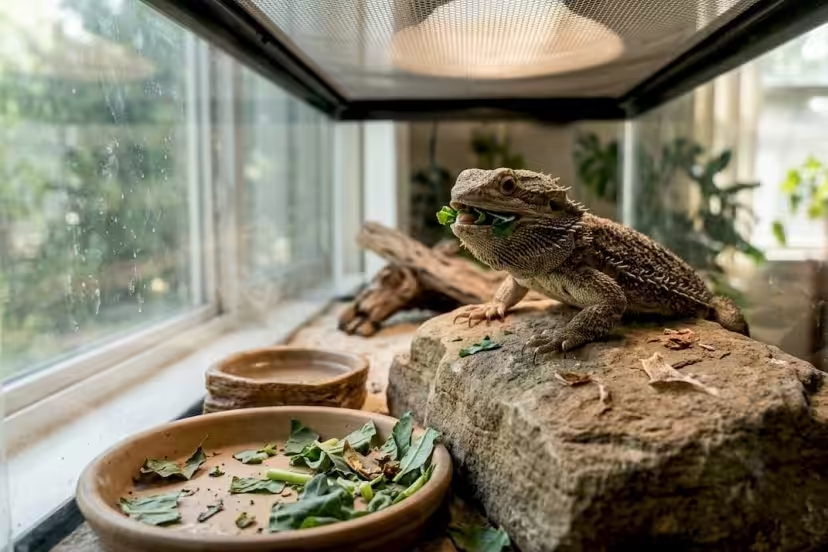
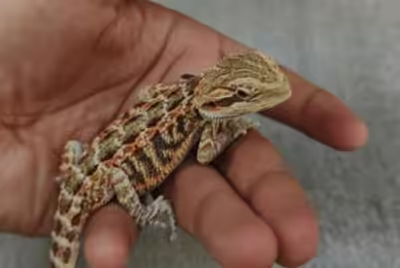
Greens make up about 80 percent of an adult bearded dragon’s diet and about 20 to 30 percent of a baby’s. They supply calcium, vitamin A precursors, fiber and water that insects do not. The best staples are collard, mustard, turnip and dandelion greens, plus endive and escarole. Limit spinach, beet greens and Swiss chard, and skip iceberg lettuce. Offer a fresh salad every day, even to babies.
Table of Contents
- Why Dragons Need Greens
- Which Greens to Feed
- How Much and How Often
- Signs of a Good Diet
- Frequently Asked Questions
🦎 Want all the essentials on one printable page?
The Complete Bearded Dragon Care Plan puts daily routines, feeding charts, safe vs. toxic foods and vet red flags into one 16-page PDF for $7.99.
See the Care Plan →Key takeaways
| Point | Details |
|---|---|
| Why greens | Calcium, beta-carotene, fiber and water. Insects contain more phosphorus than calcium. |
| How much | Babies about 20 to 30 percent of the diet, adults about 80 percent. |
| Best staples | Collard, mustard, turnip and dandelion greens, endive, escarole. |
| Limit or avoid | Spinach, beet greens and Swiss chard as staples, kale and cabbage in large amounts, iceberg lettuce. |
| Preparation | Wash, chop small, serve fresh every day. |
Why Dragons Need Greens
- Calcium: many dark greens contain more calcium than phosphorus. Insects contain the opposite. Greens help balance the diet and protect against metabolic bone disease.
- Beta-carotene: dragons convert it to vitamin A for eyes, skin and immunity.
- Fiber: keeps digestion moving and helps prevent constipation.
- Water: fresh greens are a main water source for many dragons.
- Fewer calories: an adult fed lots of insects gets fat. Greens keep weight healthy.
Greens work together with UVB light and calcium powder. Our supplement overview explains how.
Which Greens to Feed
| Green | How often | Notes |
|---|---|---|
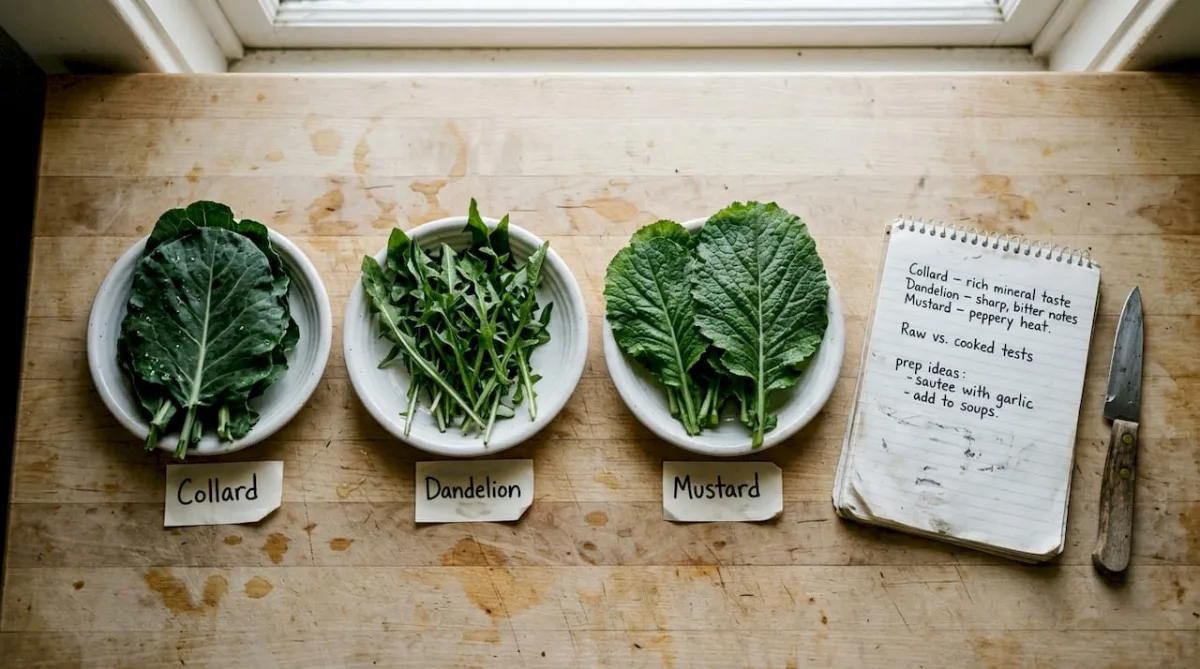
| Collard greens | Staple | High in calcium, easy to find |
| Mustard greens | Staple | Good calcium and beta-carotene |
| Turnip greens | Staple | High in calcium |
| Dandelion greens and flowers | Staple | Pick from areas free of pesticides and dog walkers |
| Endive, escarole | Staple | Good variety |
| Arugula, watercress | Regular | Good variety |
| Kale, bok choy, cabbage | Now and then | Contain goitrogens. Fine in rotation, not as the only green. |
| Spinach, beet greens, Swiss chard | Seldom | High in oxalates, which bind calcium |
| Iceberg lettuce | Avoid | Almost no nutrients |
| Rhubarb, avocado | Never | Toxic |
Rotate at least three greens each week. Check any new plant against our list of reptile-safe plants before you feed it. Wash all greens, organic or not, and pat them damp-dry.
If your dragon becomes lethargic, gets diarrhea or stops eating after a new food, remove that food and call a reptile vet if the signs last more than a day.
How Much and How Often
| Age | Greens | Insects | Insect meals |
|---|---|---|---|
| 0 to 6 months | About 20 to 30% | About 70 to 80% | 2 to 3 times a day |
| 6 to 12 months | About 50% | About 50% | Once a day |
| 12 to 18 months | Rising toward 80% | Falling toward 20% | Every other day |
| Adult | About 80% | About 20% | 2 to 3 times a week |
Daily routine for an adult
- Wash and chop a mix of two or three greens in the morning, pieces no larger than the space between the eyes.
- Add some grated squash or bell pepper for variety.
- Serve in a shallow dish so no substrate sticks to the food.
- Remove leftovers in the evening.
- Feed dusted insects two to three times a week. Dust the insects, not the greens, since powder falls off leaves.
Getting a picky dragon to eat greens
- Cut back on insects. A dragon that gets insects every day has little reason to eat salad.
- Offer greens first thing in the morning, when the dragon is hungry and warm.
- Add a few colorful pieces such as squash, bell pepper or dandelion flowers.
- Put a few live insects on top of the salad so movement draws attention to the dish.
- Serve greens at room temperature, not straight from the fridge.
Our feeding guide has portion guidance and the full supplement schedule.
Signs of a Good Diet
- steady weight, with no large fat pads or bulging belly in an adult
- alert, active behavior and a good appetite
- bright eyes and smooth skin, with sheds that come off well
- formed droppings with a white urate every few days
- strong legs and no tremors
Signs of a poor diet include lethargy, weight loss, constipation, a soft jaw, tremors and an adult that keeps gaining weight. Diet is one of several causes of these signs. Check heat and UVB too, and see a vet if they persist. Compare your dragon with our list of signs of a healthy bearded dragon.
Related Guides

Read our guides on food brands and choosing supplements.
Frequently asked questions
What nutrients do greens provide for bearded dragons?
Calcium, beta-carotene for vitamin A, other vitamins and minerals, fiber and water.
How often should I feed my bearded dragon greens?
Every day, at every age. Babies eat smaller amounts next to their insects. Adults eat a large salad each day and insects two to three times a week.
Can bearded dragons eat all kinds of greens?
No. Use collard, mustard, turnip and dandelion greens, endive and escarole as staples. Limit spinach, beet greens, Swiss chard and kale. Avoid iceberg lettuce, and never feed rhubarb or avocado.
What are signs that a bearded dragon is not getting enough greens?
Constipation, weight gain in an adult, refusal of salad after too many insects and, together with poor calcium and UVB, signs of metabolic bone disease such as tremors or a soft jaw.
How do greens affect a bearded dragon’s health?
They support bones, digestion, hydration and a healthy weight. Together with correct heat, UVB and supplements, they form the base of a long, healthy life.
Recommended
- Supplements for Bearded Dragons: Calcium, D3 and Vitamins
- Preventing Metabolic Bone Disease
- Why Bearded Dragons Eat Sand
Want a complete plan for a healthy bearded dragon? Get the Bearded Dragon Care Plan, a PDF guide covering nutrition, habitat, lighting and health.

Love your beardie? Wear it proudly.
Bearded Dragon Spirit Animal Tote Bag – from $18.48. Our own bearded dragon designs, printed on demand. Every order supports these free care guides.
View this design → Browse all gifts