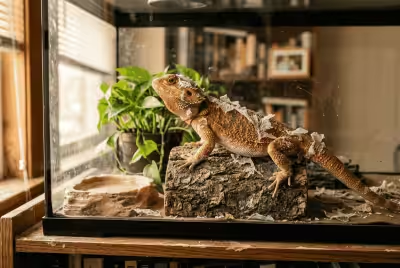
Why Bearded Dragons Flatten Bodies – Key Behaviors Explained

The first time a bearded dragon suddenly flattens its body against the floor, new owners often feel a mix of confusion and concern. Understanding this unique behavior is important because it can signal everything from temperature adjustments to stress, all of which affect your dragon’s health. By learning the real reasons behind body flattening and separating myth from fact, you will feel more confident in caring for your reptile and creating a safe, happy habitat.
Table of Contents
- Bearded Dragon Flattening Explained and Common Myths
- Physical and Environmental Triggers for Flattening
- Signs of Stress or Illness in Flattened Dragons
- Thermoregulation and Defensive Posturing Explained
- Responding Safely to Flattening Behavior
Key Takeaways
| Point | Details |
|---|---|
| Communication Through Flattening | Bearded dragons use body flattening to communicate, regulate temperature, and assert dominance. Understanding the context is crucial for proper care. |
| Health Indicators | Persistent flattening may signal stress or health issues; owners should monitor behavior and consult a veterinarian if necessary. |
| Safe Handling Techniques | Approach flattened dragons calmly and minimize stress by creating a safe environment without sudden movements. Consistent, gentle interaction helps build trust. |
| Environmental Management | Maintaining stable habitat conditions and minimizing disturbances can reduce stress-induced flattening behaviors in bearded dragons. |
Bearded Dragon Flattening Explained and Common Myths
Bearded dragons are nature’s ultimate mood communicators, and their body flattening is one of their most fascinating behaviors. When these scaly pals press their bodies against surfaces, they’re doing much more than just looking dramatic. This behavior serves multiple complex purposes, ranging from temperature regulation to signaling emotional states.
Body flattening is a sophisticated communication technique that helps bearded dragons interact with their environment. By spreading their bodies wide and pressing them down, they can quickly adjust their body temperature and appear larger or more intimidating. This behavior is particularly noticeable when they feel threatened or want to establish dominance. Bearded dragon behavior signals reveal that flattening can signal everything from territorial warnings to heat-absorption strategies.
Contrary to popular myths, bearded dragons don’t flatten their bodies randomly. Each instance is a calculated response to specific environmental or social stimuli. Some owners mistakenly believe that flattening always means aggression, but it’s actually a nuanced form of communication. Temperature regulation is a primary driver: when basking, dragons spread out to maximize heat absorption, creating a wide, pancake-like silhouette that helps them warm up efficiently.
Potential Causes of Body Flattening:
- Temperature regulation
- Territorial display
- Stress response
- Mating behavior
- Defensive posturing
Pro tip: Monitor your bearded dragon’s flattening frequency and context to understand their unique communication style and potential underlying health needs.
Here is a summary of body flattening behaviors and their possible interpretations:
| Body Flattening Context | Likely Reason | Owner’s Recommended Action |
|---|---|---|
| During basking | Regulating body temperature | Confirm the basking spot is appropriate |
| Presence of another dragon | Asserting dominance | Observe for aggression, separate if needed |
| Sudden noise or movement | Feeling threatened | Minimize disturbances, provide hiding places |
| Extended or frequent flattening | Possible stress or illness | Check health; consult a veterinarian |
Physical and Environmental Triggers for Flattening
Bearded dragons are complex creatures with an impressive repertoire of body language, and their flattening behavior is perhaps their most intriguing communication method. Environmental triggers for body flattening reveal a fascinating interplay between physical comfort, temperature regulation, and survival instincts. Their ability to transform their body shape isn’t just random – it’s a calculated response to specific environmental conditions.
Temperature plays a critical role in triggering body flattening. When bearded dragons need to warm up quickly, they’ll spread their bodies wide to maximize surface area exposure to heat. This behavior, often seen during basking, allows them to absorb thermal energy more efficiently. Conversely, when temperatures are too intense, they might flatten to reduce direct heat absorption, demonstrating their remarkable thermal adaptation capabilities.
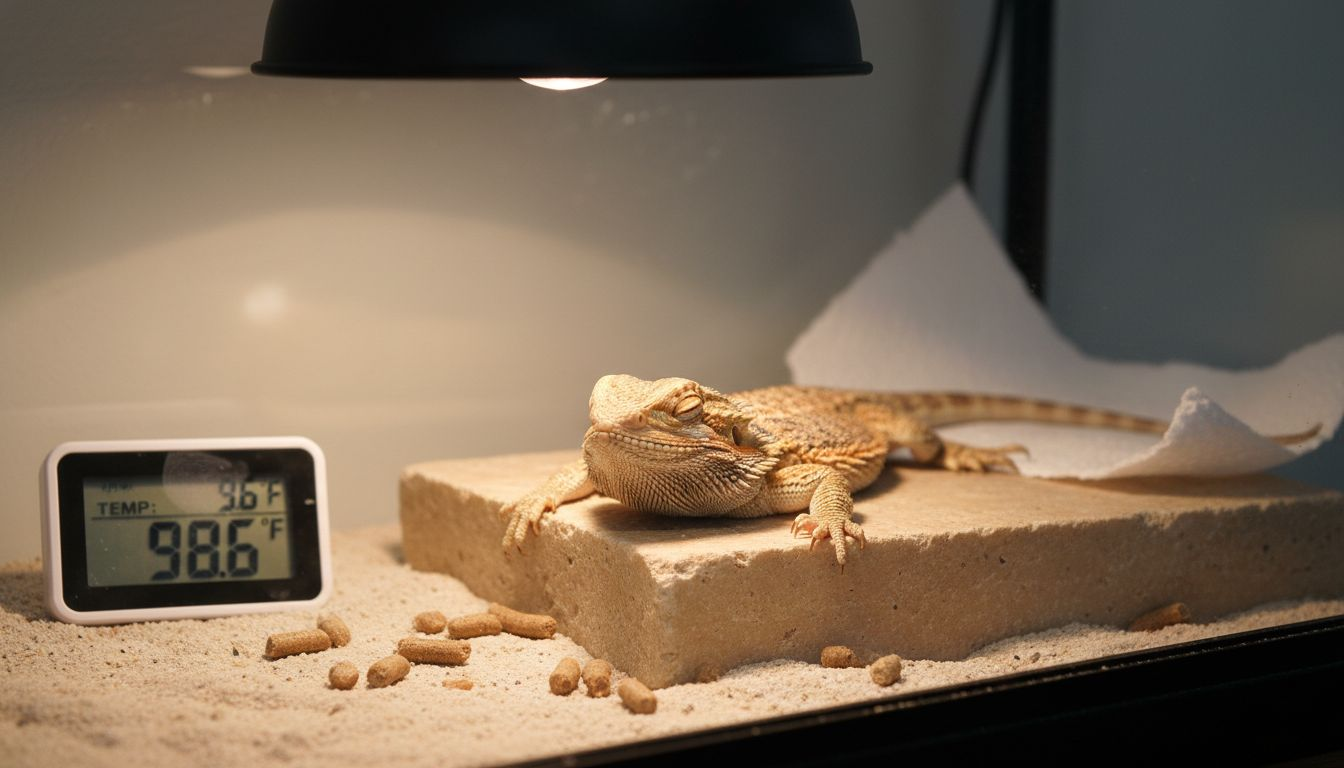
Beyond temperature, territorial and defensive mechanisms strongly influence flattening behavior. When a bearded dragon feels threatened, it will flatten its body to appear larger and more intimidating to potential predators. This visual display serves as a powerful deterrent, making the dragon appear more formidable than its actual size suggests. Habitat disturbances, sudden movements, or the presence of unfamiliar objects can trigger this defensive posturing, signaling the dragon’s heightened state of alertness.
Common Environmental Triggers for Flattening:
- Rapid temperature changes
- Perceived territorial threats
- Unfamiliar objects in habitat
- Potential predator presence
- Stress from environmental disruptions
Pro tip: Maintain a consistent, stable habitat environment with appropriate temperature gradients and minimal unexpected disturbances to reduce stress-induced flattening behaviors.
Signs of Stress or Illness in Flattened Dragons
Bearded dragons communicate through subtle body language, and persistent flattening can be a critical indicator of underlying health issues. Persistent flattening behaviors may signal serious health concerns that require immediate attention from reptile owners. Understanding these warning signs can help prevent potential complications and ensure your scaly companion remains healthy.
Illness manifests through various physical and behavioral changes during body flattening. Lethargy, reduced appetite, and unusual coloration are red flags that something might be wrong. Respiratory infections can cause dragons to flatten as a way of conserving energy, while digestive issues like impaction might trigger defensive body postures. Changes in breathing patterns, mucus around the nose or mouth, and unusual skin discoloration should prompt an immediate veterinary consultation.
Stress represents another significant factor contributing to prolonged flattening. Environmental instability, overcrowding, inappropriate temperature gradients, or aggressive tank mates can trigger chronic stress responses. Bearded dragons are sensitive creatures that require consistent, calm environments to maintain their health. Monitoring their habitat conditions, ensuring proper social interactions, and maintaining stable temperature and humidity levels can significantly reduce stress-induced flattening.
Critical Warning Signs During Flattening:
- Prolonged, uncharacteristic body posture
- Reduced food and water intake
- Abnormal skin coloration
- Labored breathing
- Unusual lethargy
- Visible weight loss
Pro tip: Conduct weekly health checks and maintain a consistent log of your bearded dragon’s behavior to quickly identify potential stress or illness indicators.
Thermoregulation and Defensive Posturing Explained
Bearded dragons are masters of survival, with an incredible ability to communicate and adapt through body language. Thermoregulatory behaviors represent a sophisticated survival mechanism that goes far beyond simple temperature control. By flattening their bodies, these remarkable reptiles can dramatically alter their physiological responses to environmental challenges.
Temperature management is a critical survival strategy for bearded dragons. When basking, they spread their bodies wide to maximize heat absorption, creating a pancake-like silhouette that increases surface area exposure to warmth. Conversely, they can also flatten to reduce heat intake during intense sunlight, demonstrating remarkable thermal flexibility. This dynamic body posturing allows them to maintain optimal internal temperatures, which is crucial for metabolic processes, digestion, and overall health.
Defensive posturing represents another fascinating aspect of their behavioral repertoire. By flattening and expanding their bodies, bearded dragons create an illusion of increased size, effectively deterring potential predators. This visual display is often accompanied by other intimidation tactics like beard puffing and head bobbing. Such complex behavioral patterns showcase their evolutionary adaptations for survival, combining thermal regulation with social and defensive communication strategies.
Key Thermoregulation and Defense Mechanisms:
- Surface area manipulation for heat absorption
- Body expansion as predator deterrent
- Beard puffing during threat displays
- Precise body orientation for optimal temperature
- Dynamic postural adjustments
- Behavioral flexibility in response to environmental stimuli
Pro tip: Observe your bearded dragon’s body language carefully to understand its thermal and emotional state, as each posture tells a unique survival story.
Responding Safely to Flattening Behavior
Understanding how to respond to your bearded dragon’s body language is crucial for maintaining their health and building trust. Handling techniques for stress reduction require a delicate balance of awareness, patience, and gentle interaction. When your scaly companion flattens its body, it’s sending a clear message that demands careful interpretation and respectful response.
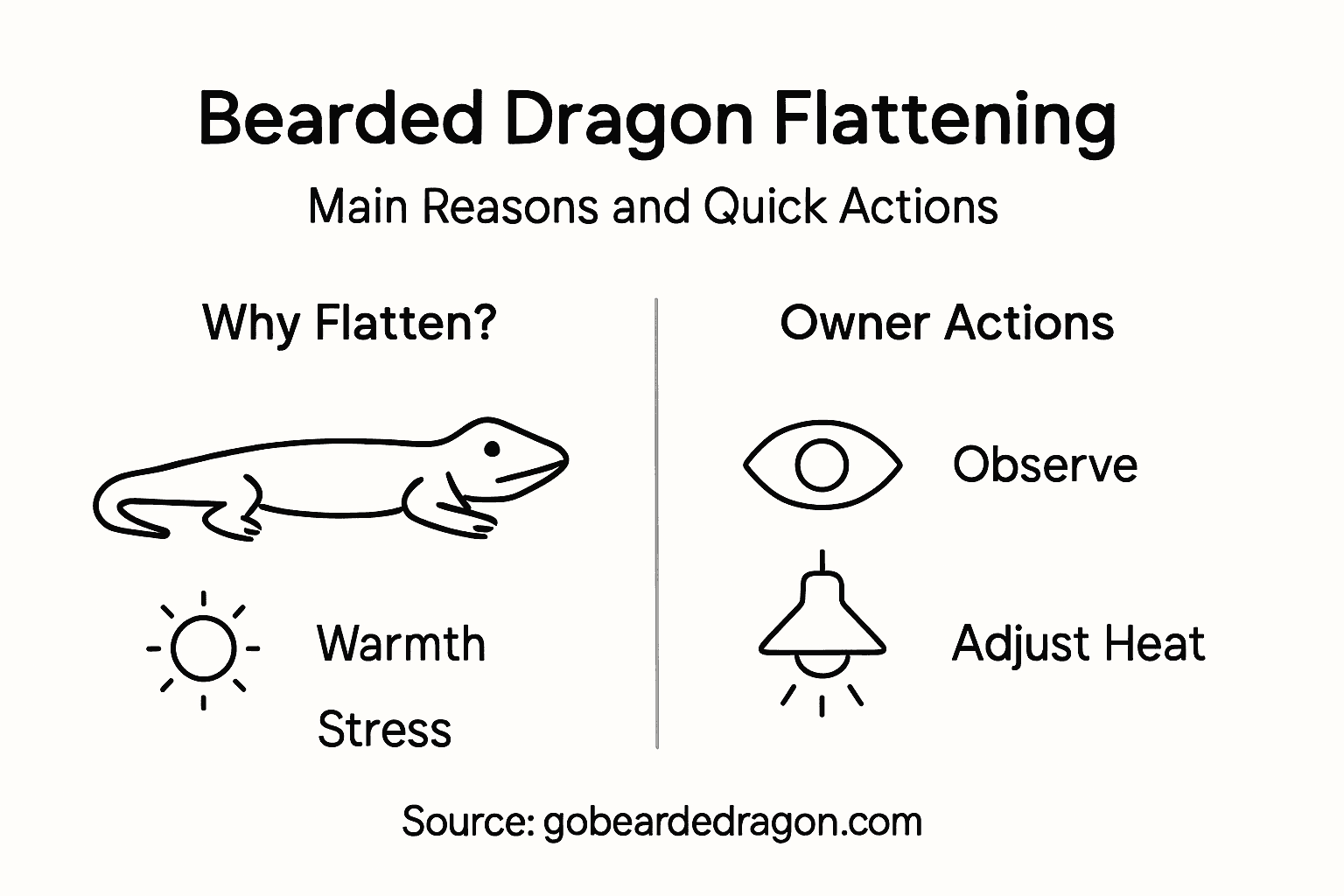
Initial observation is key when encountering a flattened bearded dragon. Rather than immediately attempting to handle or interact, first assess the environmental context. Check the habitat’s temperature, lighting, and potential stressors. A flattened dragon might be regulating body heat, feeling threatened, or experiencing discomfort. Create a calm environment by reducing sudden movements, minimizing loud noises, and ensuring the dragon has clear escape routes and secure hiding spaces.
Handling should be kept to a minimum and strategic when your bearded dragon displays persistent flattening behavior. Approach slowly, avoid direct eye contact, and never force interaction. If handling is necessary, use gentle, predictable movements and support the dragon’s entire body. Keep initial interactions brief, allowing the dragon to become comfortable with your presence. Over time, consistent, short, and positive interactions will help build trust and reduce stress-related flattening responses.
Safe Interaction Guidelines:
- Approach slowly and calmly
- Minimize sudden movements
- Provide clear escape routes
- Use gentle, predictable handling
- Respect the dragon’s personal space
- Monitor body language continuously
Pro tip: Create a consistent handling routine that allows your bearded dragon to gradually become comfortable with human interaction, using short, positive experiences to build mutual trust.
The following table compares safe and unsafe responses to a flattened bearded dragon:
| Response Strategy | Effect on Dragon | Long-Term Impact |
|---|---|---|
| Calm, slow approach | Reduces stress levels | Builds trust over time |
| Immediate handling attempt | Increases fear or aggression | May cause future avoidance |
| Providing hiding spots | Enhances sense of security | Improves wellbeing |
| Ignoring warning signs | Prolongs distress | May lead to health issues |
Understand Your Bearded Dragon’s Body Language and Ensure Their Well-being Today
Bearded dragons flatten their bodies for many important reasons, such as thermoregulation, stress signals, and defensive posturing. If you have noticed your pet adopting this posture frequently or in unusual situations, you may be facing challenges related to their health or habitat environment. Understanding the subtle signs behind body flattening can help you better support their comfort and safety while preventing potential stress or illness.

Explore detailed care guides and health checklists at gobeardeddragon.com to learn how to create the perfect habitat with stable temperature zones and stress-free environments. Discover expert tips on handling, recognizing warning signs, and improving your bearded dragon’s quality of life. Act now to transform your knowledge into confident care by visiting Why Bearded Dragons Flatten Their Bodies and start tailoring your approach to your dragon’s natural communication. Your pet’s trust and health depend on it.
Frequently Asked Questions
Why do bearded dragons flatten their bodies?
Bearded dragons flatten their bodies primarily for temperature regulation, defensive posturing, and territorial displays. This behavior allows them to absorb heat more efficiently when basking, appear larger and more intimidating when feeling threatened, and establish dominance over other dragons.
What should I do if my bearded dragon is frequently flattening?
If your bearded dragon exhibits frequent flattening, monitor the context for signs of stress or illness. Ensure their habitat conditions are stable, with appropriate temperatures and minimal disturbances. If flattening persists, consider consulting a veterinarian to rule out health issues.
Can body flattening indicate stress in bearded dragons?
Yes, body flattening can be a sign of stress in bearded dragons. It may occur in response to environmental changes, perceived threats, or discomfort. Providing a calm environment and monitoring their behavior can help alleviate stress.
How can I help my bearded dragon feel more secure?
To help your bearded dragon feel more secure, create a stable habitat environment with appropriate heating and lighting, minimize sudden movements around them, and provide hiding places where they can retreat. Consistent handling practices that respect their space can also contribute to their overall well-being.
Recommended
- Bearded Dragon Behavior Signs – What Owners Must Know
- Bearded Dragon Beard – What It Means and Signals
- Bearded Dragon Social Needs – Why Solitude Matters
- Bearded Dragon Active vs. Lazy Behavior Explained