Bearded Dragon Beard – What It Means and Signals

Every reptile owner knows the fascination of watching a bearded dragon puff out its spiky throat. This unique display is more than a quirky party trick. In fact, bearded dragons use their expanding ‘beard’ as a complex communication tool, revealing everything from stress to readiness to mate. Understanding what those dramatic beard changes really mean can help American keepers decode their pet’s moods and provide better care.
Table of Contents
- What Is The Bearded Dragon Beard?
- Why Bearded Dragons Puff Their Beard
- Beard Color Changes And Their Causes
- Bearded Beard Displays: Stress, Mating, And Health
- How To Respond To Bearded Dragon Bearding
Key Takeaways
| Point | Details |
|---|---|
| Bearded Dragon Beard | The beard is a communication tool that changes appearance based on the dragon’s emotional state, serving crucial survival and social functions. |
| Reasons for Puffing | Bearded dragons puff their beard for defensive signaling, mating displays, and expressing stress, excitement, or dominance within their environment. |
| Color Changes | Beard color transformations indicate various emotional and physical states, such as stress, aggression, or readiness to mate, requiring attentive monitoring by owners. |
| Response Strategies | Owners should assess stressors and environmental conditions when their dragon’s beard darkens, addressing potential issues and consulting a veterinarian if necessary. |
What Is the Bearded Dragon Beard?
If you’ve spent any time around bearded dragons, you’ve probably noticed their unique and fascinating “beard” – a specialized area of spiky scales located on their throat that can dramatically change appearance. Unlike human beards, this reptilian feature is actually a remarkable communication tool that serves multiple important functions in their social and survival behaviors.
The bearded dragon beard is a distinctive anatomical feature found on the underside of their throat, composed of specialized, expandable scales that can puff out when the dragon experiences certain emotions or wants to send a specific message. According to National Geographic, these spines on their chins and necks form a ‘beard’ that can change based on their mood, making these scaly pals little mood rings with scales.
Bearded dragons can control their beards’ appearance through a fascinating biological mechanism. When feeling threatened, territorial, or wanting to appear larger, they can expand their throat pouch, causing the scales to stand out like a spiky, intimidating display. As reptile experts at Zoocheck note, this expandable throat pouch allows them to look more imposing to potential predators or competitors.
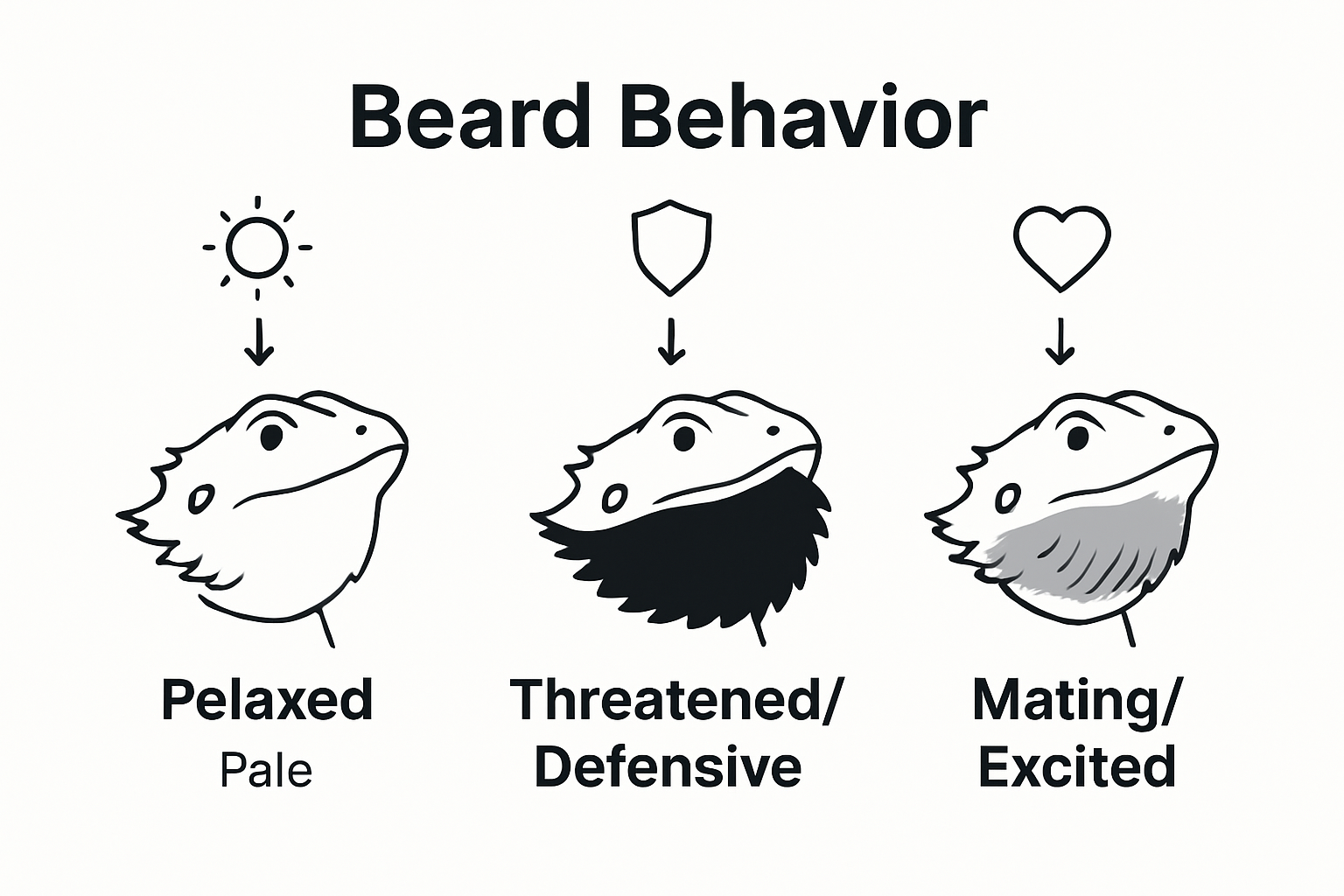
The beard’s color can also change dramatically – from a neutral pale color to a much darker, more intense black when the dragon is experiencing strong emotions. This color transformation is part of their complex communication system, helping them express feelings like:
- Stress or anxiety
- Territorial aggression
- Mating readiness
- Defensive posturing
Whether you’re a new bearded dragon owner or a curious reptile enthusiast, understanding their beard’s language can help you better interpret your scaly friend’s emotional state and needs.
Why Bearded Dragons Puff Their Beard
Bearded dragons aren’t just cute and quirky pets – they’re complex communicators with a sophisticated body language system centered around their remarkable beard. Puffing their beard is not a random action but a strategic communication method that serves multiple crucial survival and social purposes.
One primary reason bearded dragons puff their beard is defensive signaling. When they feel threatened or intimidated, they expand their throat scales to appear larger and more imposing. This biological strategy is essentially a bluff, making them look more dangerous to potential predators or competing dragons. Think of it like a tiny reptilian bodyguard puffing up its chest to ward off threats.
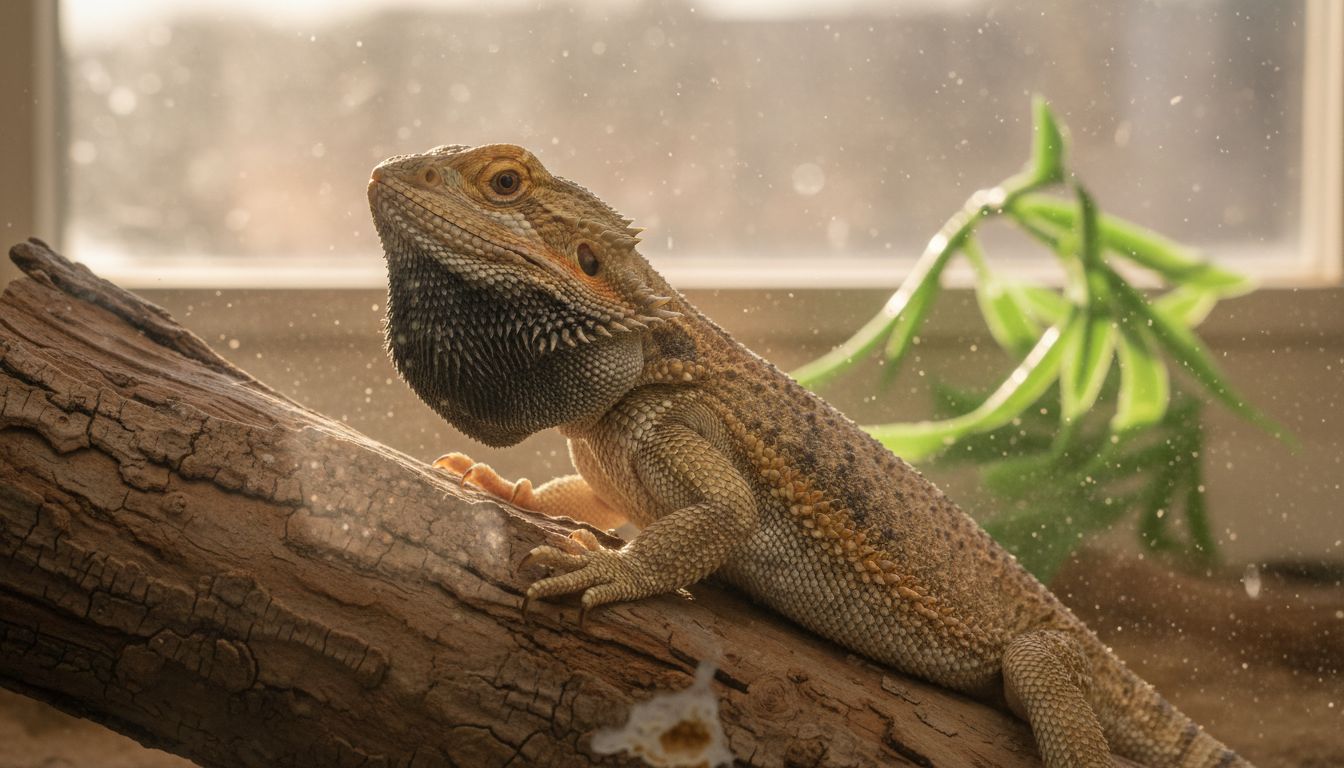
Male bearded dragons especially use beard puffing during mating rituals and territorial displays. By dramatically expanding their beard and often changing its color to a deep, dark black, they communicate dominance, attract potential mates, and establish social hierarchies within their environment. Female dragons also use this technique, though typically less aggressively than males.
The reasons for beard puffing can be surprisingly nuanced and include:
- Expressing stress or anxiety
- Signaling sexual maturity and readiness to mate
- Warning potential predators
- Establishing dominance among other bearded dragons
- Responding to perceived threats in their environment
Interestingly, not all beard puffing indicates negative emotions. Sometimes, your scaly friend might puff slightly when experiencing excitement, curiosity, or even during routine social interactions. As a bearded dragon owner, learning to read these subtle communication signals can help you understand your pet’s emotional state and provide better care.
Beard Color Changes and Their Causes
Bearded dragons are like living mood rings, with their beard color serving as a fascinating communication system that provides instant insight into their emotional and physical state. These remarkable reptiles can transform their beard color from a neutral pale tone to deep, intense black in mere moments, signaling everything from excitement to serious distress.
According to veterinary resources, bearded dragons may turn black due to a complex range of factors, including stress, fear, aggression, illness, or significant environmental changes. The color transformation is more than just a visual display – it’s a sophisticated biological response that helps them communicate their internal experiences and react to their surroundings.
Color changes in a bearded dragon’s beard can be triggered by various emotional and physiological states. A dark or black beard might indicate different scenarios, such as:
- Feeling threatened or scared
- Experiencing territorial aggression
- Responding to a new or unfamiliar environment
- Experiencing physical discomfort or illness
- Preparing for mating rituals
Understanding these color shifts is crucial for any bearded dragon owner. While a temporarily darkened beard might be a normal communication method, prolonged blackness could signal an underlying health issue or chronic stress that requires closer attention and potentially veterinary intervention.
Bearded Beard Displays: Stress, Mating, and Health
Bearded dragons are masters of nonverbal communication, using their remarkable beard as a sophisticated biological signaling system that reveals intricate details about their physical and emotional state. This unique feature goes far beyond simple decoration, serving as a complex communication tool that helps them navigate social interactions, manage stress, and signal significant biological changes.
According to scientific research on Pogona species, bearded dragons utilize their beards for multiple critical purposes including mating displays, aggression communication, and even heat management. The beard display is a nuanced language that experienced owners learn to interpret as a window into their reptilian companion’s inner world.
Stress-related beard displays are particularly important for owners to understand. When a bearded dragon feels threatened or anxious, their beard can transform dramatically, becoming darker and more pronounced. Various factors can trigger these displays:
- Sudden environmental changes
- Presence of perceived predators
- Territorial conflicts
- Inappropriate handling
- Insufficient habitat conditions
During mating seasons, male bearded dragons use their beard as a primary courtship signal, puffing and darkening it to attract females and demonstrate reproductive fitness. Health-related beard changes can also indicate underlying medical conditions, such as respiratory infections or metabolic disorders, making it crucial for owners to monitor these subtle but significant bodily signals closely.
How to Respond to Bearded Dragon Bearding
Understanding how to respond to your bearded dragon’s beard displays is crucial for maintaining their health and emotional well-being. These reptilian mood signals are complex communication tools that require careful observation and thoughtful interpretation from attentive owners.
According to veterinary resources, when a bearded dragon’s beard turns black, owners should systematically assess potential stressors, environmental conditions, and underlying health issues. The bearding response involves a strategic approach to understanding what your scaly friend is trying to communicate.
When confronted with a bearded dragon displaying an agitated or darkened beard, consider these critical steps:
- Remove potential sources of immediate stress
- Check habitat temperature and lighting conditions
- Ensure no direct threats are present (other pets, sudden movements)
- Evaluate recent changes in the environment or routine
- Monitor for additional signs of illness or discomfort
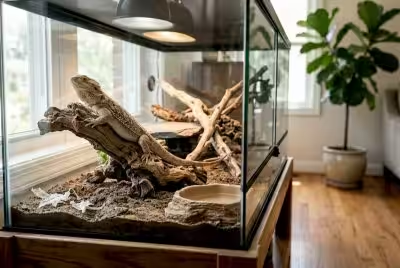
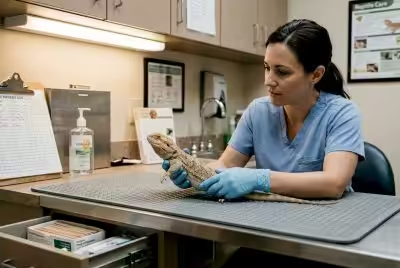
If beard displays persist or are accompanied by other concerning symptoms like lethargy, reduced appetite, or unusual behavior, consulting a reptile veterinarian becomes essential. Professional guidance can help distinguish between normal communication and potentially serious health indicators, ensuring your bearded dragon receives appropriate care and attention.
Understand Your Bearded Dragon’s Beard Like a Pro
Your bearded dragon’s beard is more than just a quirky feature. It is a vital communication tool that signals stress, mating readiness, territorial behavior, and health issues. If you want to confidently interpret these beard signals and respond effectively to your pet’s needs, mastering this knowledge is essential. Don’t let your scaly friend’s important messages go unnoticed.

Explore detailed guides and expert advice at gobeardeddragon.com, where you can learn to read beard color changes, understand beard puffing reasons, and discover how to create a stress-free habitat. Visit https://gobeardeddragon.com now to unlock specialized care tips, health resources, and enrichment ideas that will improve your bearded dragon’s life today. Your pet relies on you to recognize what their beard says, so act now to provide the best care possible.
Frequently Asked Questions
What does it mean when a bearded dragon’s beard puffs up?
Puffing up their beard is a defensive signaling method. Bearded dragons increase the size of their beard to appear larger and more intimidating when they feel threatened or want to establish dominance.
Why do bearded dragons change the color of their beard?
Bearded dragons can change the color of their beard as a response to various emotional and physiological states such as stress, territorial aggression, mating readiness, or physical discomfort. A darker beard usually indicates a heightened emotional state.
How can I respond when my bearded dragon displays a darkened beard?
When your bearded dragon displays a darkened beard, check for potential stressors in their environment, assess their habitat conditions, and ensure they are not in direct threat. If the behavior persists, consult a reptile veterinarian for further evaluation.
What are the common reasons for beard puffing in bearded dragons?
Common reasons for beard puffing include feeling threatened, establishing dominance, signaling sexual readiness, responding to environmental changes, and occasionally expressing excitement or curiosity.