Why Bearded Dragons Change Color – Key Causes and Care
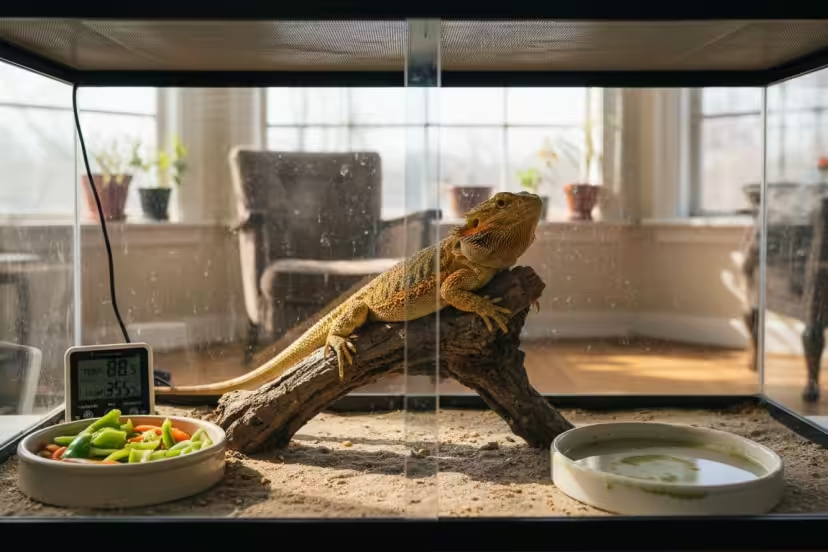
Most new American and international bearded dragon owners are surprised to learn these reptiles can rapidly shift their skin color to manage stress, temperature, or even social signals. This fascinating ability goes far beyond simple appearance, as skin tone changes often reveal your pet’s emotional state or underlying health. By decoding these color shifts, you can respond faster to potential problems and create a safer, more comfortable habitat for your bearded dragon. Studies show color patterns can predict stress or illness before symptoms escalate.
Table of Contents
- Color Change In Bearded Dragons Explained
- Main Reasons Behind Color Shifts
- Common Patterns And Triggers To Watch
- Health Concerns Linked To Color Changes
- Normal Variations Vs. Warning Signs
Key Takeaways
| Point | Details |
|---|---|
| Color changes reflect health | Bearded dragons use color shifts to communicate health status, with dull coloration often indicating serious health concerns. |
| Thermoregulation is vital | Changing skin color aids in heat absorption, allowing bearded dragons to maintain optimal body temperature in varying environments. |
| Social signaling through color | Dramatic color transformations in the beard area serve as important signals during social interactions, particularly in mating and territory defense. |
| Monitor for abnormal shifts | Persistent or unusual color changes should prompt immediate observation for underlying health issues, including stress or infection. |
Color Change in Bearded Dragons Explained
Bearded dragons are masters of color transformation, capable of shifting their appearance based on various environmental and physiological triggers. These remarkable reptiles possess a unique ability to alter skin reflectance across multiple body regions, serving critical functions beyond simple aesthetics.
The color changes in bearded dragons are not random but serve specific purposes including thermoregulation, communication, and social signaling. Their skin can modify heat absorption by changing color intensity, which helps them regulate body temperature in different environments. During social interactions, these color shifts become even more pronounced, particularly in their distinctive beard area, which can turn dramatically black during threat displays or mating rituals.
Understanding these color changes requires recognizing the nuanced signals bearded dragons communicate. Temperature, stress levels, and social context all play significant roles in triggering these remarkable transformations. For instance, a darkening beard might indicate heightened emotional states like aggression or territorial behavior, while lighter color variations could suggest a calm, relaxed reptile.
Pro tip: Monitor your bearded dragon’s color changes as a key indicator of their overall health and emotional state, and pay special attention to sudden or persistent color shifts that might signal underlying stress or medical issues.
Main Reasons Behind Color Shifts
Bearded dragons are incredibly sophisticated creatures with a remarkable ability to modify skin color patterns for multiple biological purposes. Their color shifts are not random but strategic adaptations that serve critical survival and communication functions in their environment.
The primary reasons for color changes revolve around three key biological needs: thermoregulation, social signaling, and stress response. Temperature plays a crucial role in color modification, with darker skin helping dragons absorb more heat in cooler environments. When temperatures drop, bearded dragons can darken their skin to increase heat absorption, effectively turning themselves into living solar panels. These temperature-driven color shifts allow them to maintain optimal body temperature without expending excessive energy.
Social interactions drive another significant aspect of color change. During mating seasons or territorial disputes, bearded dragons use dramatic color transformations to communicate complex messages. Their beard area becomes particularly expressive, turning black to signal aggression, dominance, or sexual readiness. This visual communication method allows them to convey intricate social information without physical confrontation, demonstrating the sophisticated nature of their color-changing abilities.
Pro tip: Carefully observe your bearded dragon’s color changes across different environmental conditions to better understand its physiological and emotional state, which can provide valuable insights into its overall health and well-being.
Common Patterns and Triggers to Watch
Bearded dragons display a fascinating array of color change patterns that serve as critical communication signals and physiological responses. Specific body regions exhibit distinct color change mechanisms, with each shift conveying unique information about the dragon’s internal state and environmental interactions.
Temperature-related color changes are among the most predictable patterns. When temperatures drop, bearded dragons will darken their skin to increase heat absorption, a process known as thermal melanism. Cool environments typically trigger darker pigmentation, while warmer settings might result in lighter coloration. These shifts are most noticeable along the dragon’s dorsal region, where skin can rapidly adjust reflectance to optimize body temperature regulation.
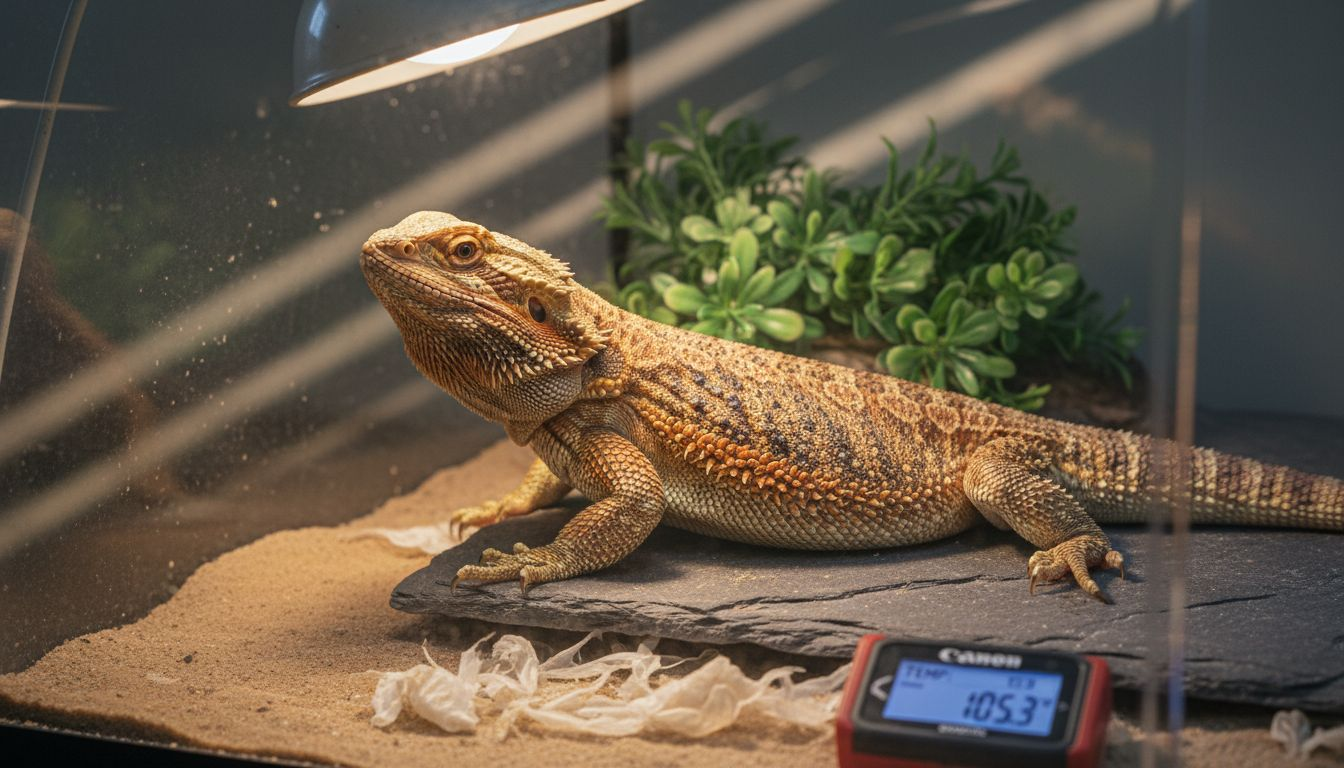
Social and emotional triggers produce more dramatic color transformations. A bearded dragon’s beard becomes a powerful communication tool, turning jet black during moments of stress, aggression, or territorial display. Mating seasons bring particularly intense color shifts, with males using vibrant color changes to attract potential mates and establish dominance. Stress responses can also manifest through rapid color alterations, with sudden darkening or unusual patterns indicating emotional turbulence or potential health concerns.
Pro tip: Keep a detailed color change journal to track your bearded dragon’s unique color shift patterns, which can help you quickly identify potential health issues or emotional distress before they become serious problems.
Health Concerns Linked to Color Changes
Color changes in bearded dragons can be far more than simple visual displays – they often serve as critical indicators of underlying health conditions. Clinical case studies reveal subtle color shifts that can signal potential medical issues requiring immediate veterinary attention.
Persistent dull or muted coloration typically represents the most significant health warning. When a bearded dragon’s typically vibrant skin becomes consistently lackluster, it could indicate serious problems like metabolic disorders, nutritional deficiencies, or systemic infections. Potential red flags include unusual grayish or washed-out skin tone, uneven pigmentation, or color changes accompanied by behavioral changes such as decreased appetite, lethargy, or reduced activity levels.
Specific color abnormalities can point to distinct health challenges. A consistently pale appearance might suggest anemia or extreme stress, while patchy discoloration could indicate skin infections or parasitic issues. Unexplained darkening or unusual color patterns, especially when combined with physical symptoms like weight loss or changes in drinking and eating habits, warrant a comprehensive veterinary evaluation. These color transformations are your bearded dragon’s way of communicating potential internal distress that might not be immediately apparent through other symptoms.
Here’s a summary of how bearded dragon color changes relate to their environment and health:
| Color Change Pattern | Typical Trigger | Communication Purpose | Possible Health Implications |
|---|---|---|---|
| Darkening (especially beard) | Cool temperatures, stress | Threat display, aggression, mating | May indicate stress or illness |
| Lightening | Warm environments | Calm, relaxed states | Persistent paleness could signal anemia |
| Patchy discoloration | Environmental fluctuation or infection | None, often a problem | Could indicate infection or parasites |
| Persistent dull coloration | Often unrelated to the immediate environment | None | Suggests systemic health issue |
Pro tip: Take clear, well-lit photographs of your bearded dragon’s skin color at regular intervals to create a visual health record that can help veterinarians quickly identify subtle changes and potential medical concerns.
Normal Variations vs. Warning Signs
Bearded dragon color changes are complex biological signals that require nuanced interpretation. Clinical diagnostics distinguish healthy from problematic shifts by examining the context and accompanying symptoms of color transformations.
Normal color variations typically occur rapidly and are directly linked to environmental stimuli or emotional states. Temperature-induced changes, such as darkening when cool or lightening when warm, represent standard physiological responses. Social color shifts during mating season or territorial displays are also considered routine. These transitions are usually quick, symmetrical, and accompanied by otherwise normal behavior – eating well, maintaining activity levels, and showing typical engagement with their environment.
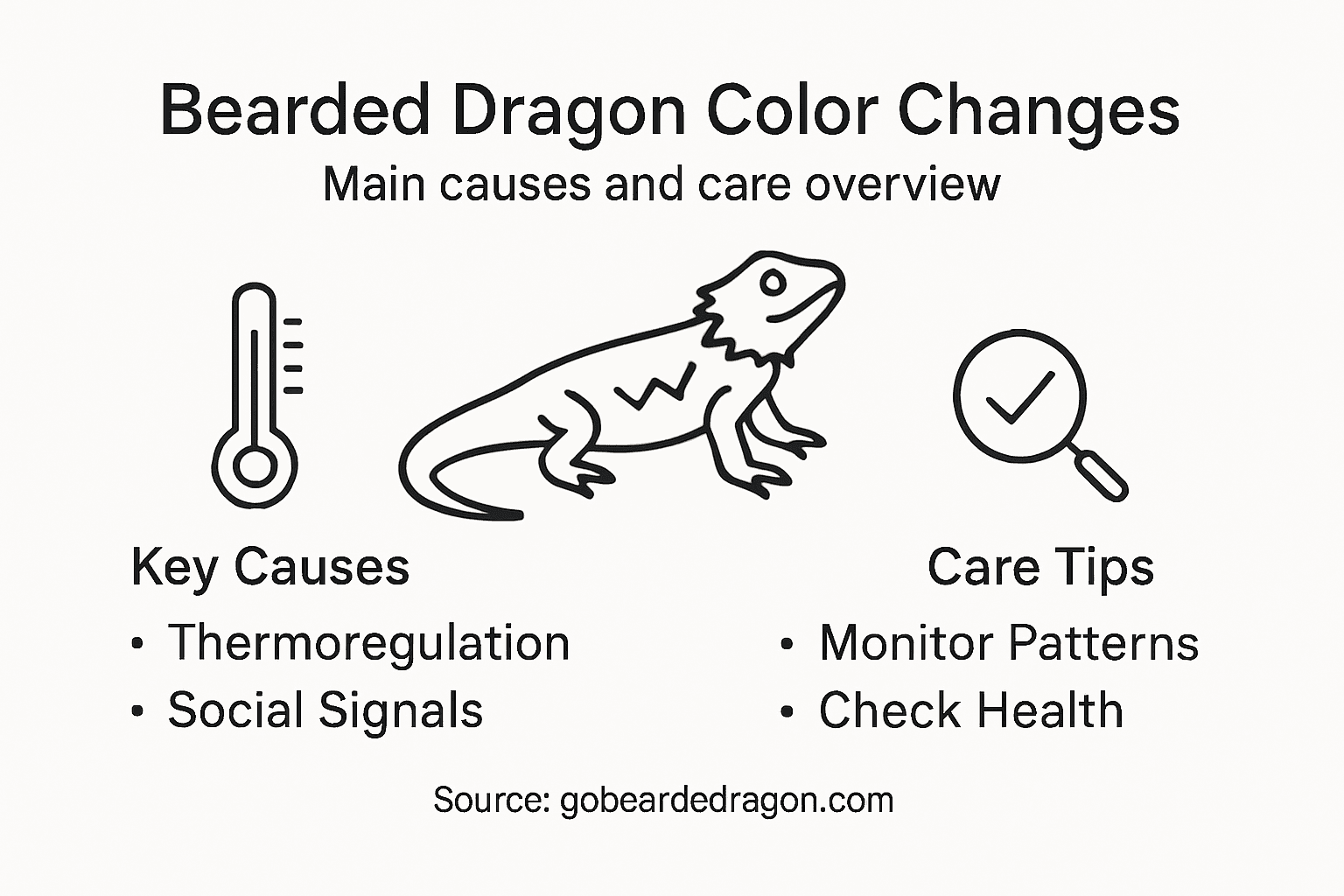
Warning signs emerge when color changes become persistent, asymmetrical, or accompanied by additional symptoms. Unusual coloration that doesn’t quickly resolve, such as prolonged paleness, unusual grayish tones, or patchy discoloration, may signal potential health issues. Red flags include color changes coupled with lethargy, reduced appetite, weight loss, or changes in drinking habits. Unlike normal variations that last moments to hours, these concerning shifts tend to be long-lasting and often indicate underlying metabolic, nutritional, or infectious problems that require professional veterinary assessment.
This table helps distinguish between healthy and concerning bearded dragon color changes:
| Change Duration | Pattern | Associated Behavior | Interpretation |
|---|---|---|---|
| Momentary to hours | Symmetrical | Active, eating well | Normal physiological shift |
| Persistent | Asymmetrical | Lethargic, poor appetite | Possible medical concern |
| Seasonal | Expressive | Mating, territorial display | Normal social signaling |
| Unexplained long-term | Unusual color | Weight loss, reduced activity | Veterinary assessment needed |
Pro tip: Create a baseline color reference chart for your specific bearded dragon, documenting their normal color ranges and typical transition patterns to more easily identify unusual or concerning changes.
Understand Your Bearded Dragon’s Color Changes and Enhance Their Care Today
Bearded dragons communicate vital information through their color changes, signaling everything from temperature needs to emotional states and potential health issues. If you have noticed shifts in your pet’s skin tone and want to decode these signs or prevent health problems related to stress or illness, it is essential to deepen your knowledge about their unique biology and care requirements. This article highlights key concerns like thermoregulation and stress responses that many owners face, helping you recognize normal versus warning color changes.

Discover expert advice and practical guides tailored specifically for bearded dragon owners at gobeardeddragon.com. Explore in-depth resources such as health checklists, habitat maintenance tips, and nutrition strategies designed to keep your reptile vibrant and healthy. Take control now by visiting our site and learning the best ways to support your bearded dragon’s well-being through every color change and behavior. For more detailed care information that directly addresses your concerns, check out our care guides and comprehensive health resources to ensure your pet thrives in its environment.
Frequently Asked Questions
Why do bearded dragons change color?
Bearded dragons change color primarily for thermoregulation, social signaling, and stress responses. Their ability to alter skin color helps them absorb or reflect heat, communicate emotional states, and express aggression or mating readiness.
What triggers color changes in bearded dragons?
Color changes in bearded dragons can be triggered by environmental factors such as temperature, as well as social contexts, including mating interactions or territorial disputes. Stress can also prompt significant color shifts, especially in the beard area.
How can I tell if my bearded dragon’s color change is a health concern?
If your bearded dragon exhibits persistent dull coloration, unusual gray tones, or patchy discoloration, these may signal underlying health issues. Accompanying signs like lethargy, reduced appetite, or behavioral changes also warrant immediate veterinary attention.
What should I do if my bearded dragon’s color changes suddenly?
Monitor the frequency and context of the color changes. If the shifts are accompanied by signs of stress, aggression, or health issues (such as decreased appetite or lethargy), consult with a veterinarian for a thorough evaluation and appropriate care.
Recommended
- Bearded Dragon Beard – What It Means and Signals
- Bearded Dragon Behavior Signs – What Owners Must Know
- Bearded Dragon Stress Marks – What Owners Must Know