Bearded Dragon 3rd Eye: Everything You Need to Know
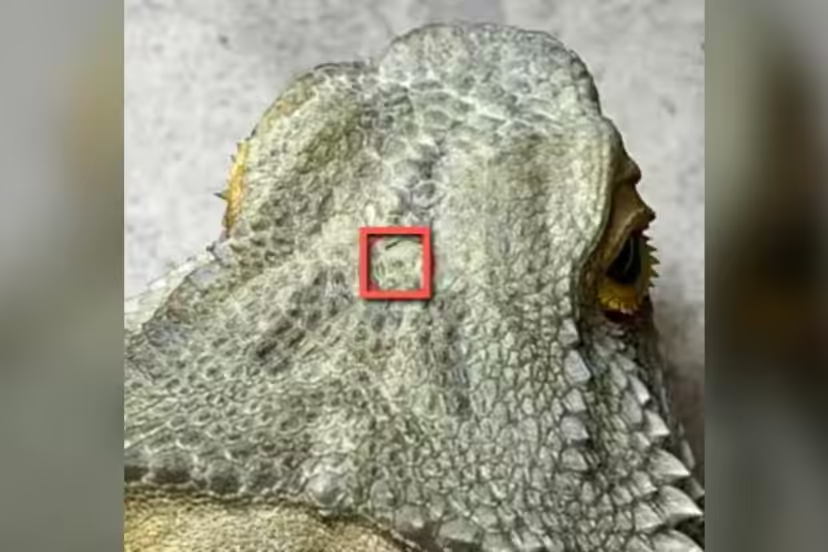
Many owners are surprised to learn that their bearded dragon has a “third eye.” It sounds like a myth, but it is a real organ. This small feature is one of the most misunderstood parts of a bearded dragon. This guide explains what the third eye does and what it means for your dragon’s care.
What Is the Bearded Dragon’s 3rd Eye?
Scientific Name and Location
The third eye, also known as the parietal eye, sits right on top of your bearded dragon’s head, between its two regular eyes. It looks like a small gray or clear scale, almost like a faded dot.
How It Differs from Regular Eyes
Unlike the two eyes on the sides of its head, the third eye doesn’t form images. Instead, it detects light, shadows, and movement from above. Think of it as a built-in motion detector rather than a regular eyeball.
🦎 Want all the essentials on one printable page?
The Complete Bearded Dragon Care Plan puts daily routines, feeding charts, safe vs. toxic foods and vet red flags into one 16-page PDF for $7.99.
See the Care Plan →Why Do Bearded Dragons Have a 3rd Eye?
Evolutionary Purpose
This eye is a survival tool that evolved over millions of years. Many reptiles, amphibians and even some fish have one, which suggests it helps them survive.
Survival Advantages in the Wild
In the wild, a bearded dragon’s third eye helps spot predators like birds swooping down from above. By detecting sudden shadows, it gives them a chance to dart away and hide.
How the 3rd Eye Works
Detecting Shadows and Movement
Ever noticed your beardie suddenly dash when something passes overhead? That’s the third eye at work. It can sense changes in light and shadows instantly.
Role in Temperature and Light Sensing
The parietal eye also helps set their circadian rhythm, the internal body clock. It tells them when it’s day or night and helps with brumation cycles.
Connection to Their Behavior
Sometimes beardies act skittish or stressed when there are quick movements near their enclosure. Their third eye has picked up movement from above, which looks like a bird of prey.
Myths vs. Facts About the 3rd Eye
Common Misconceptions
Some people think the third eye gives beardies “psychic powers” or lets them see the future. Fun as that sounds, it’s not true.
What Science Says
In reality, the third eye is just a specialized organ for light detection. It does not see like regular eyes, but it helps with survival and daily rhythm.
Impact of the 3rd Eye on Captive Bearded Dragons
How It Affects Their Behavior in Tanks
In captivity, beardies don’t need to worry about predators, but their third eye still picks up shadows and changes in light. If you walk past the tank or move something above them, it can trigger their flight response.
Stress Responses and Shadow Detection
If your dragon suddenly darts, flattens out, or darkens its beard when nothing obvious is happening, their third eye may have sensed something above.
Importance of Proper Lighting in Captivity
Since the third eye helps set natural cycles, keep UVB and day-night lighting on a fixed schedule. Without them, your beardie can get stressed or even sick.
How to Care for a Bearded Dragon Considering Its 3rd Eye
Providing the Right UVB and Heat
Make sure you use high-quality UVB bulbs and give your beardie 10–12 hours of consistent light daily. This mimics their natural environment and keeps their biological rhythms in check.
Avoiding Sudden Shadows and Overhead Stressors
Try not to wave your hand over the tank suddenly or place the enclosure where people constantly walk by overhead. That can make them feel like predators are around.
Creating a Comfortable Habitat
Add hides, branches, and basking spots so your beardie feels safe. A comfortable habitat reduces the chance of stress reactions triggered by the third eye.
Observing the 3rd Eye in Action
A Common Example
A typical case: a dragon panics every time someone carries a large object past the top of its tank. The moving shadows trigger the third eye, which reads them as a bird of prey. Moving the tank to a quieter spot, away from busy walkways, often solves the problem.
What Owners Should Pay Attention To
If your beardie seems nervous without reason, consider what’s happening above their enclosure. Ceiling fans, overhead lights, or sudden movements might be stressing them out.
Do All Reptiles Have a 3rd Eye?
Other Species with Parietal Eyes
Yes, other reptiles like iguanas and some lizards also have a parietal eye. Even some fish and amphibians share this fascinating feature.
Why It’s Special in Bearded Dragons
What makes beardies unique is how noticeable their third eye is and how strongly it affects their daily behavior compared to other pets.
The 3rd Eye and Bearded Dragon Health
Can It Get Injured or Infected?
The third eye is covered by a protective scale, so injuries are rare. Still, if you notice swelling, redness, or unusual marks around that area, a vet check is a good idea.
What to Do If You Notice Issues
If your dragon rubs its head excessively or shows signs of discomfort near the third eye, consult a reptile vet. Better safe than sorry.
Why Understanding the 3rd Eye Makes You a Better Owner
Building Trust With Your Beardie
When you understand why your dragon reacts to shadows or sudden movements, you stop taking it personally. This helps you build trust and handle them with more care.
Improving Their Quality of Life
Knowing about the third eye means you’ll design their tank better, handle them more gently, and create a calmer environment. All of this adds up to a healthier, happier beardie.
The bearded dragon’s third eye might seem like a small dot on their head, but it plays a massive role in their survival and well-being. From detecting predators in the wild to regulating their daily rhythms in captivity, this little organ is nothing short of amazing. By respecting its purpose and adjusting how we care for them, we make life easier and more natural for our scaly friends.
FAQs
1. Can bearded dragons see through their third eye?
Not in the usual sense. They cannot see images, but they detect light and shadows.
2. Does the third eye mean my beardie can sense danger?
Yes! In the wild, it helps them detect predators from above.
3. Can I accidentally hurt the third eye while handling my dragon?
It’s protected by a scale, so casual handling won’t hurt it.
4. Why does my beardie freak out when I walk past the tank?
Their third eye may be sensing your shadow as a predator threat.
5. Do all bearded dragons have a third eye?
Yes, all species of bearded dragons have this parietal eye.

Love your beardie? Wear it proudly.
Bearded Dragon Phone Case – from $24.62. Our own bearded dragon designs, printed on demand. Every order supports these free care guides.
View this design → Browse all gifts