Bearded Dragon Natural Habitat: Everything You Need to Know
Knowing where bearded dragons come from helps you understand what they need at home. Understanding the beardeed dragon natural habitat is the secret to creating the perfect home for them in captivity. This guide shows how bearded dragons live in the wild, outside the glass tank.
Where Do Bearded Dragons Come From?
The Wild Origins of Bearded Dragons
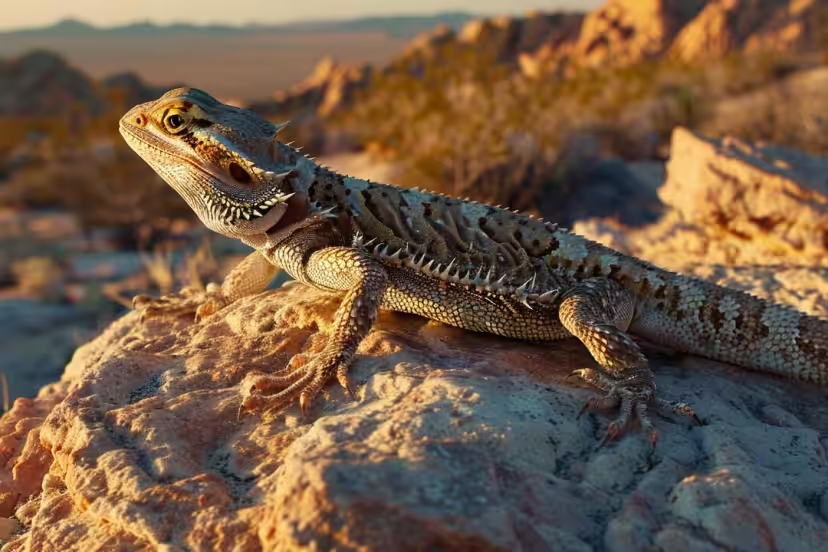
Bearded dragons are native to Australia. These desert reptiles lived in rough, dry country long before people kept them as pets. They are adapted to the hot, dry Australian outback.
Types of Bearded Dragons in Nature
There are several species of bearded dragons in the wild, but the most common one you’ll see in captivity is the Pogona vitticeps. Others like Pogona barbata and Pogona minor also roam the wild, each adapted to specific regions.
Climate and Environment of Their Natural Home
Temperature Ranges in the Wild
The Australian outback gets hot. Daytime temperatures can pass 100°F (38°C), and nights get much cooler. This constant fluctuation teaches us how important proper heating and cooling is for captive dragons.
Natural Lighting and Sun Exposure
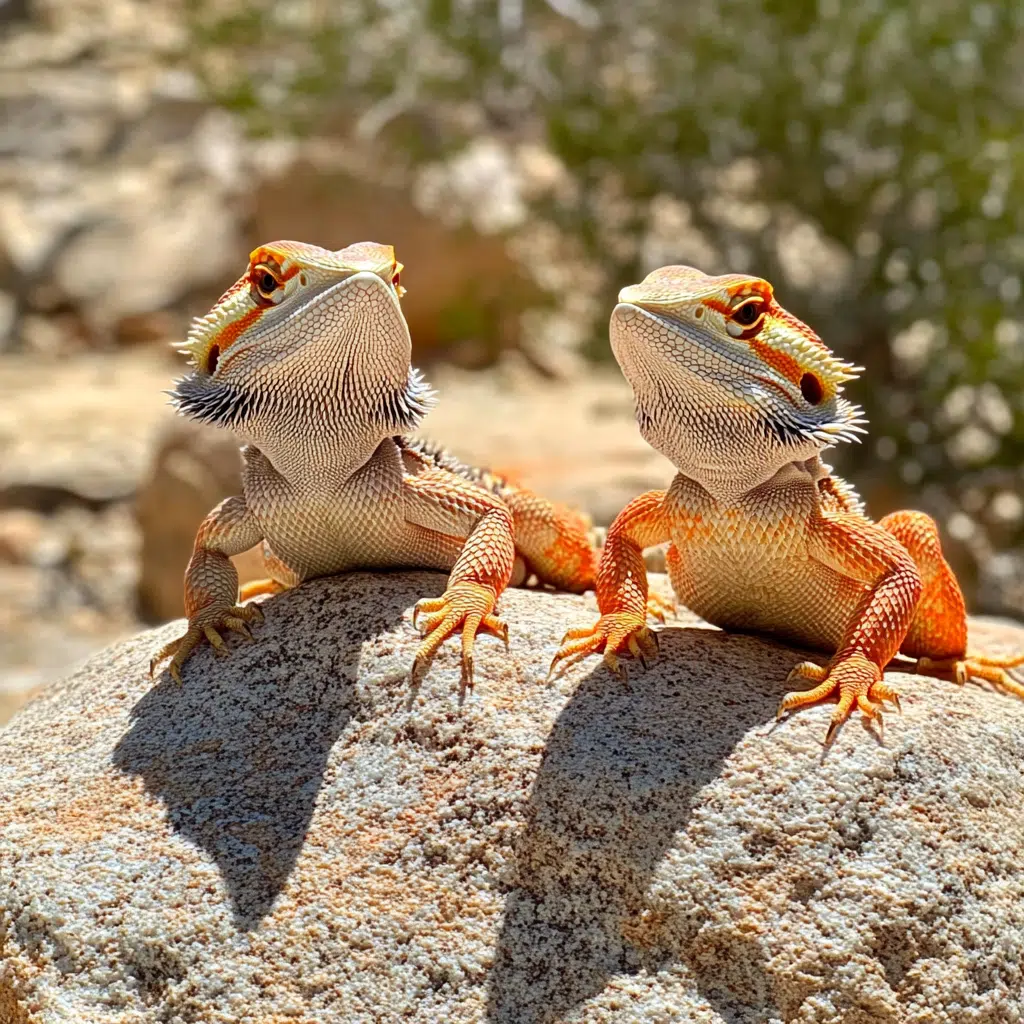
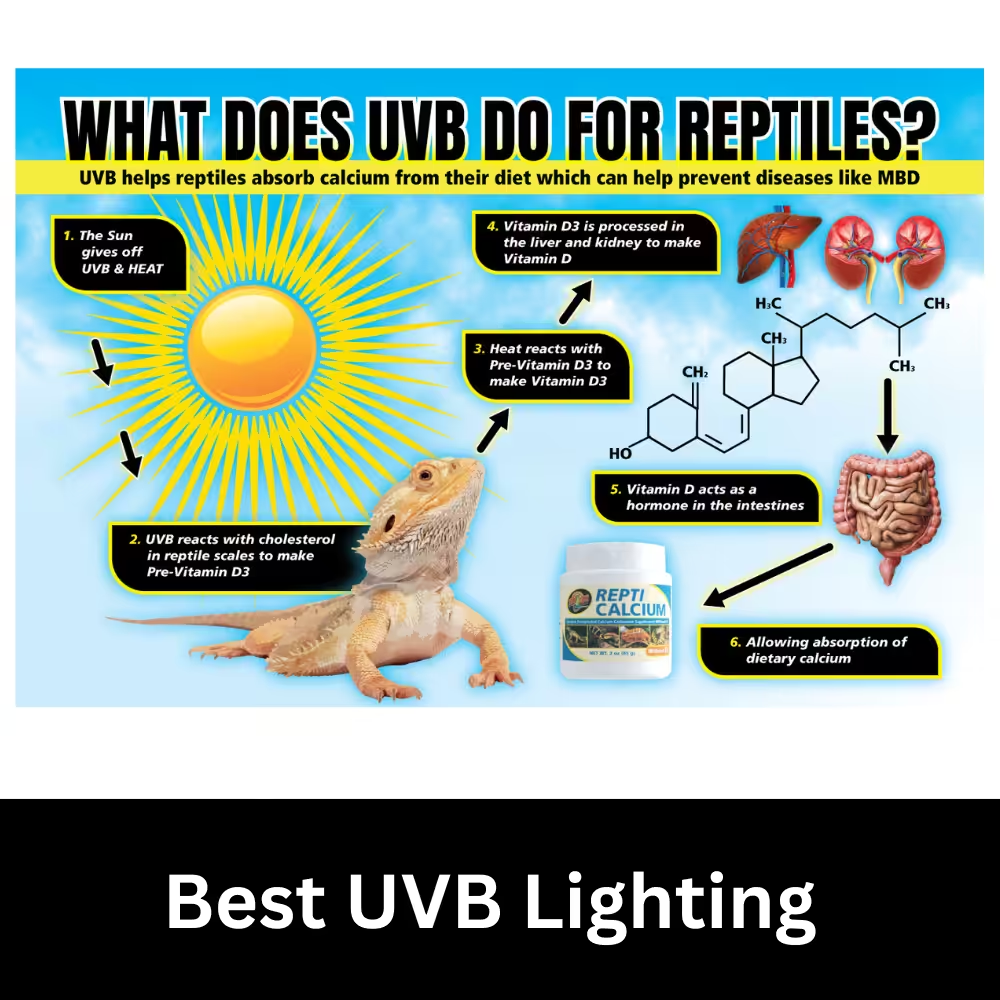
Beardies are sun lovers. In the wild, they bask for hours in the sun and absorb UVB rays, which they need to make vitamin D3. Without it, they can’t process calcium properly.
Seasonal Changes in Their Habitat
Their seasons bring hot summers and cooler winters. During colder months, they often go into brumation, a hibernation-like state, which some pet dragons mimic even in captivity.
🦎 Want the key care facts on one printable page?
The Complete Bearded Dragon Care Plan puts daily routines, feeding charts, safe vs. toxic foods and vet red flags into one 16-page PDF for $7.99.
See the Care Plan →Terrain
Rocky Areas and Desert Plains
Bearded dragons live in semi-arid regions filled with rocks, dirt and sparse plants. Rocks serve as basking spots, while sandy soil gives them room to dig burrows.
Trees, Bushes, and Hiding Spots
They’re not strictly ground-dwellers! In the wild, beardies climb low branches or bushes to bask or keep an eye out for predators.
Water Sources in the Wild
Since they come from dry environments, water is scarce. They’ve adapted to absorb much of their hydration from the food they eat, like insects and leafy greens.
Diet in Their Natural Habitat
What Do They Eat in the Wild?
In the wild, beardies are opportunistic eaters. They munch on insects, small vertebrates, flowers, and leafy plants.
Hunting vs. Foraging Behavior
You’d be surprised how skilled they are at hunting! They’ll chase down crickets or beetles with lightning speed, then casually munch on wild greens.
How Their Diet Differs in Captivity
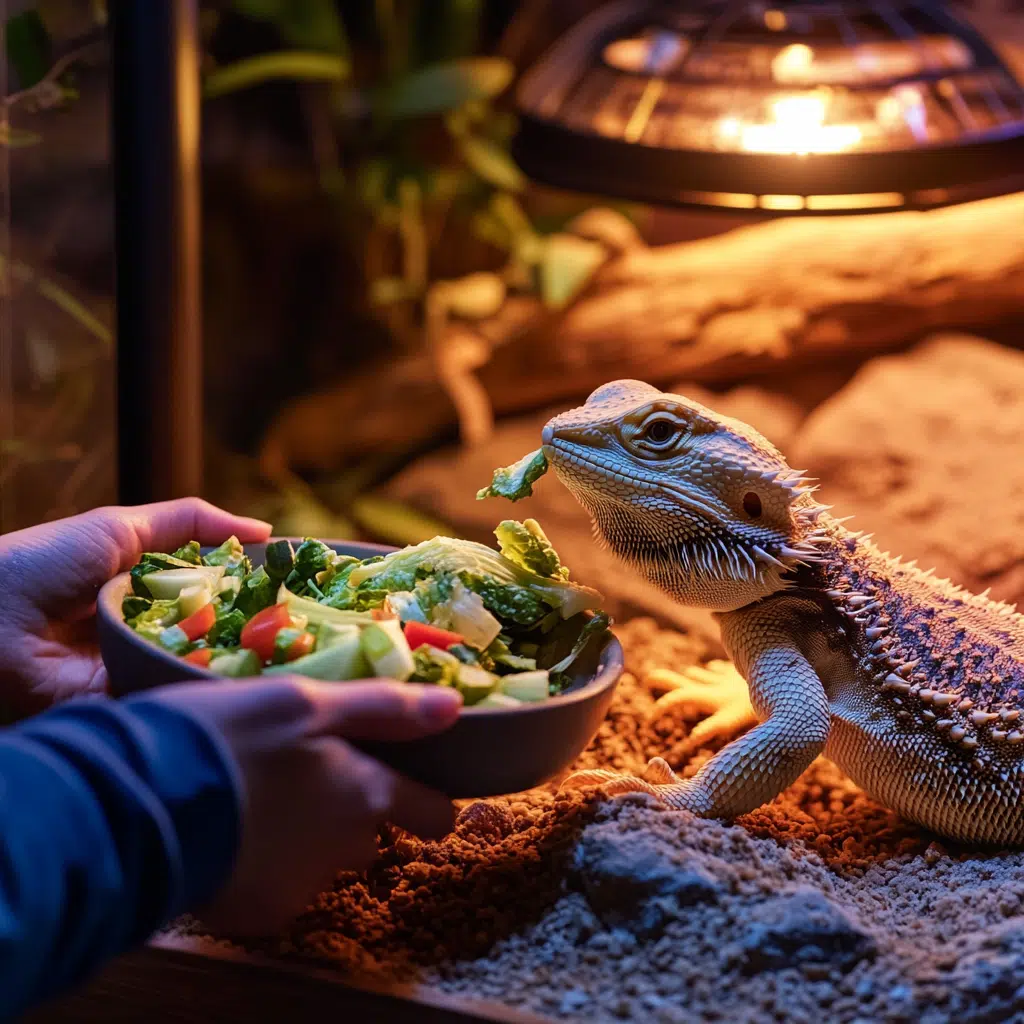
In captivity, we often provide store-bought insects and cultivated veggies. While this works, it’s not as varied as the wild. That’s why offering a mix of protein and greens is key to mimic their natural diet.
Behavior in Their Natural Environment
Basking Habits and Thermoregulation
Beardies soak up heat from the sun to control their body temperature. You’ll often see them sitting on rocks with their mouths open, a natural cooling mechanism.
Social Structure and Territorial Behavior
Bearded dragons are generally solitary. In the wild, males defend territories, while females roam more freely. This is why keeping two dragons in one tank can get tricky.
Natural Predators and How They Survive
Birds of prey, snakes, and larger reptiles all see beardies as snacks. To survive, they rely on camouflage, burrowing, and their iconic beard display.
Reproduction and Life Cycle in the Wild
Mating Season and Courtship Behavior
Spring and summer in Australia mark the breeding season. Males show off head-bobbing, arm-waving, and even darkened beards to impress females.
Egg Laying and Hatchling Survival
Females lay clutches of 15–30 eggs in sandy burrows. Hatchlings face tough odds in the wild, with predators everywhere. Only the strongest survive.
Replicating the Natural Habitat in Captivity
Tank Size and Layout Suggestions
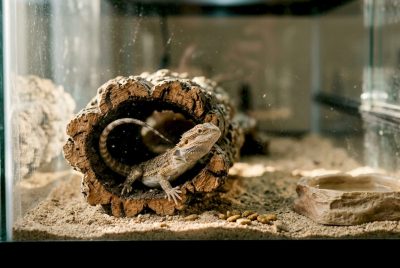
An adult bearded dragon needs an enclosure of at least 120 gallons (4 x 2 x 2 feet), but bigger is better. Add basking rocks, climbing branches, and hideouts to mimic the wild.
Lighting and Heating Tips
Provide UVB lighting for 10–12 hours a day. Create a basking spot around 100–110°F and a cooler area at 75–85°F to allow thermoregulation.
Safe Substrates That Mimic Nature
Avoid loose sand (it can cause impaction). Instead, use reptile carpet, tile, or a mix of soil and clay designed for reptiles. These mimic the natural ground safely.
Common Mistakes Owners Make
Overlooking UVB Lighting
Without UVB, beardies develop metabolic bone disease. Without UVB, they cannot use calcium and develop bone disease.
Using the Wrong Substrate
Loose sand or gravel is a no-go. It might look “natural,” but it’s risky for digestion.
Inconsistent Temperatures
If your tank isn’t properly heated, your dragon won’t digest food well, leading to health problems.
Why Understanding the Natural Habitat Matters
Better Health and Longevity
When you copy their natural environment, your dragon lives a longer, healthier life.
Natural Behaviors in Captivity
A proper setup encourages natural behaviors like basking, burrowing, and climbing, which makes their life in captivity much more enriching.
Conclusion
Bearded dragons may come from the wild deserts of Australia, but with the right care, you can give them a slice of their natural habitat at home. The more we learn about their environment, the better we can care for them.
FAQs
1. Do bearded dragons come from deserts?
Yes. Most live in semi-arid and desert regions of Australia with rocky, dry ground.
2. How hot is their natural habitat?
Daytime temps can reach over 100°F, while nights can drop much cooler.
3. Do wild bearded dragons drink water often?
No. They mostly stay hydrated from food and morning dew.
4. Can I keep two bearded dragons together like in the wild?
Not a good idea. In captivity, they often fight due to limited space.
5. Why is UVB light so important for beardies?
It mimics natural sunlight, helping them produce vitamin D3 for strong bones and overall health.

Love your beardie? Wear it proudly.
Be a Bearded Dragon Scented Candle – from $21.47. Our own bearded dragon designs, printed on demand. Every order supports these free care guides.
View this design → Browse all gifts