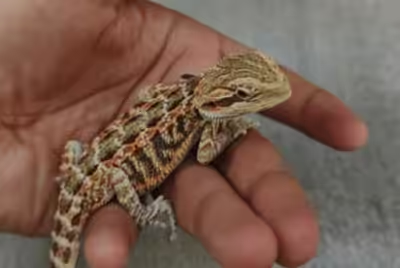
Adenovirus in Bearded Dragons: Symptoms, Testing and Care
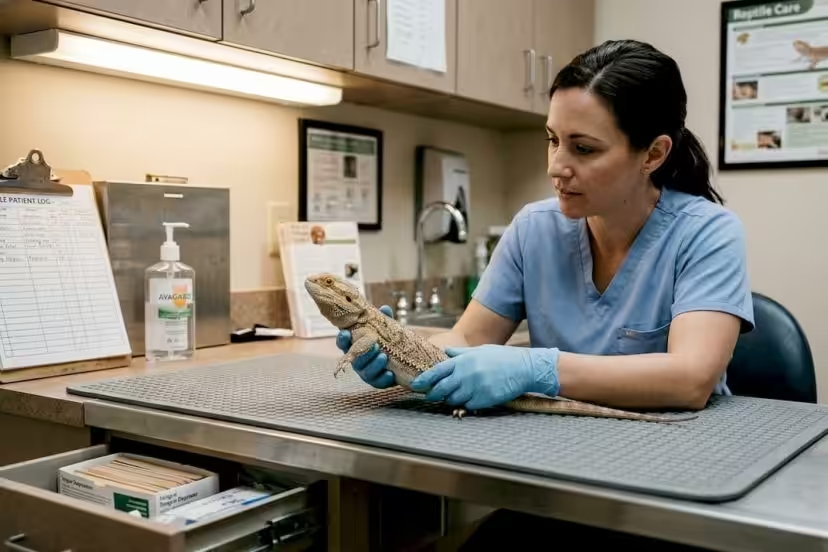
Adenovirus (agamid adenovirus 1) is a common virus in pet bearded dragons. It spreads through droppings, and many infected dragons look healthy while they carry and shed it. In sick dragons, and above all in babies, it can cause poor growth, weight loss, diarrhea, liver disease, neurological signs and sudden death. A PCR test from a reptile vet detects it. There is no cure, so care focuses on good husbandry, treating other infections and keeping the virus away from other dragons.
Table of Contents
- Key takeaways
- What adenovirus is
- Symptoms and testing
- Care and prevention
- What it means for buyers and breeders
- Frequently asked questions
🦎 Want all the essentials on one printable page?
The Complete Bearded Dragon Care Plan puts daily routines, feeding charts, safe vs. toxic foods and vet red flags into one 16-page PDF for $7.99.
See the Care Plan →Key Takeaways
| Point | Details |
|---|---|
| Common in captivity | Studies have found the virus in a large share of captive bearded dragons, including many that look healthy. |
| Spread | Through droppings, shared equipment and contaminated surfaces. |
| Testing | PCR on a cloacal swab or droppings. One negative test does not rule it out, because shedding comes and goes. |
| No cure | Supportive care, correct husbandry and treatment of other infections. |
| Other pets | Agamid adenovirus is not known to infect people, cats or dogs. Other agamid lizards can catch it. |
What Adenovirus Is
Agamid adenovirus 1 is a DNA virus that infects agamid lizards such as the bearded dragon (Pogona vitticeps). It grows in the gut lining and the liver. It is now widespread in captive bearded dragons around the world.
The virus passes in droppings. Other dragons pick it up from shared enclosures, dishes, decor, hands and tools. Adenoviruses have no outer envelope, so they survive well on surfaces and resist many common cleaners.
- Many dragons catch it young and carry it for life.
- Carriers shed the virus on and off, often without any signs.
- Stress and other infections can make disease worse in infected dragons.
Because carriers look healthy, a visual check cannot tell you whether a dragon has the virus. Read more about parasites and health monitoring.
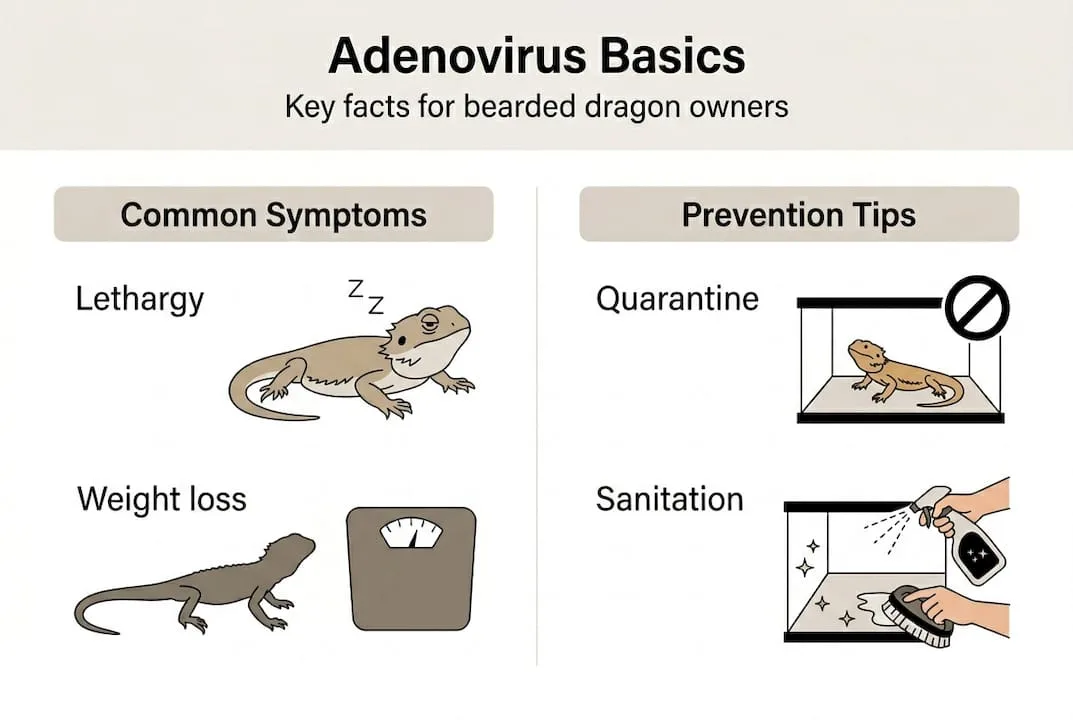
Symptoms and Testing
Signs
- poor growth in a baby or juvenile (“failure to thrive”)
- lethargy and a poor appetite
- weight loss
- diarrhea or regurgitation
- neurological signs such as head tilting, circling or star-gazing
- sudden death in young dragons
These signs also fit parasites, metabolic bone disease and other illnesses, so a vet needs to test.
Tests
- PCR on a cloacal swab or droppings: the standard test. Labs such as Parasitevet offer quantitative PCR.
- Blood work: can show liver damage in sick dragons, but does not confirm the virus.
- Tissue examination after death: confirms the virus in the liver.
Shedding comes and goes, so a single negative test is not proof. Your vet may suggest repeat tests, in particular before breeding or before a new dragon shares a room with others. Our health check guide covers routine checks.
Care and Prevention
Supportive care
No antiviral treatment exists. Your vet treats the symptoms and any other infections, such as coccidia or bacteria, which make adenovirus disease worse. A fecal test for parasites belongs in every workup. At home:
- keep the basking surface at the right temperature and the cool side at 75 to 85°F (24 to 29°C)
- use a linear T5 UVB tube and replace it every 12 months
- offer fresh water every day and lukewarm baths if your dragon is dehydrated
- feed a balanced diet with gut-loaded insects and calcium
- weigh your dragon once a week and keep stress low
- follow your vet’s advice on assisted feeding if your dragon stops eating
Immune-boosting supplements have no proven benefit against adenovirus.
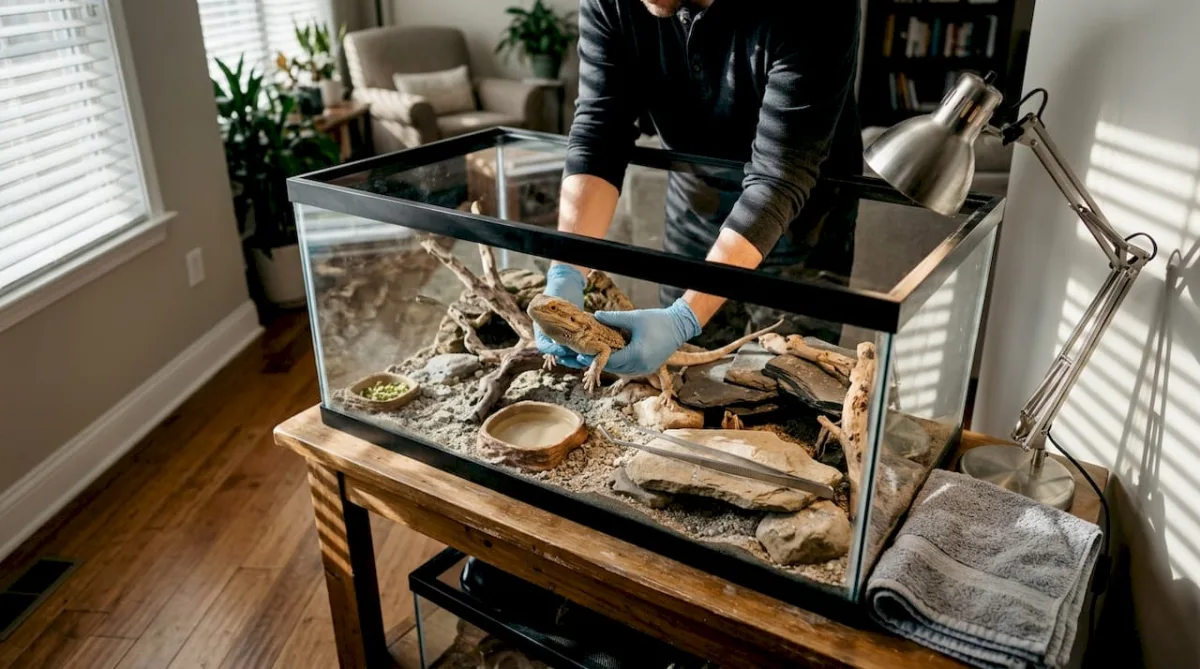
Preventing spread
- Keep each dragon in its own enclosure with its own dishes and tools.
- Quarantine new dragons in a separate room for 60 to 90 days, and ask your vet about PCR testing during that time.
- Wash your hands between enclosures, or use gloves.
- Remove droppings at once and clean surfaces before you disinfect them.
- Use a disinfectant that works against non-enveloped viruses, such as F10 or diluted bleach. Follow the label for strength and contact time, then rinse and air the enclosure until dry.
What It Means for Buyers and Breeders
Labs that test bearded dragons, such as Parasitevet, report positive results in a large share of young dragons, with lower rates in adults. Young dragons also face the highest risk of severe disease. Infected breeding stock passes the virus to hatchlings through the shared environment.
Some breeders test their animals and keep positive dragons out of breeding. Others do not test. When you buy a dragon:
- ask whether the breeder tests for adenovirus and ask to see recent results for the parents
- choose a baby that is active, eats and has grown well
- quarantine the new dragon and book a vet check with a fecal test
Understanding common parasites also helps you pick a healthy dragon.
Related Guides
Good husbandry is the best support for a dragon that carries adenovirus. Read our health check guide, our humidity guide and our feeding guide.

Frequently asked questions
Is adenovirus contagious between bearded dragons?
Yes. It spreads through droppings, shared equipment and contaminated surfaces. Keep each dragon in its own enclosure with its own tools, and quarantine new dragons.
Can a bearded dragon recover fully from adenovirus?
Many infected dragons live normal lives with good care, but most stay carriers and can shed the virus later. Young dragons with severe disease have a poorer outlook.
How often should I test my bearded dragon for adenovirus?
Ask your vet about testing a new dragon during quarantine and before breeding. Test any dragon with unexplained lethargy, weight loss or poor growth. Because shedding comes and goes, your vet may recommend more than one test.
Does stress influence adenovirus infection severity?
Yes. Low temperatures, weak UVB, poor diet, crowding and other infections weaken the immune system and can make disease worse.
What disinfectants work against adenovirus on surfaces?
Products labeled effective against non-enveloped viruses, such as F10, or diluted bleach used at the strength and contact time on the label. Clean off droppings first, then rinse and dry. Many quaternary ammonium and alcohol cleaners work less well against adenovirus.

Love your beardie? Wear it proudly.
King of the Terrarium Tee – from $15.68. Our own bearded dragon designs, printed on demand. Every order supports these free care guides.
View this design → Browse all gifts