Bearded Dragon Parasites: Signs, Testing and Treatment
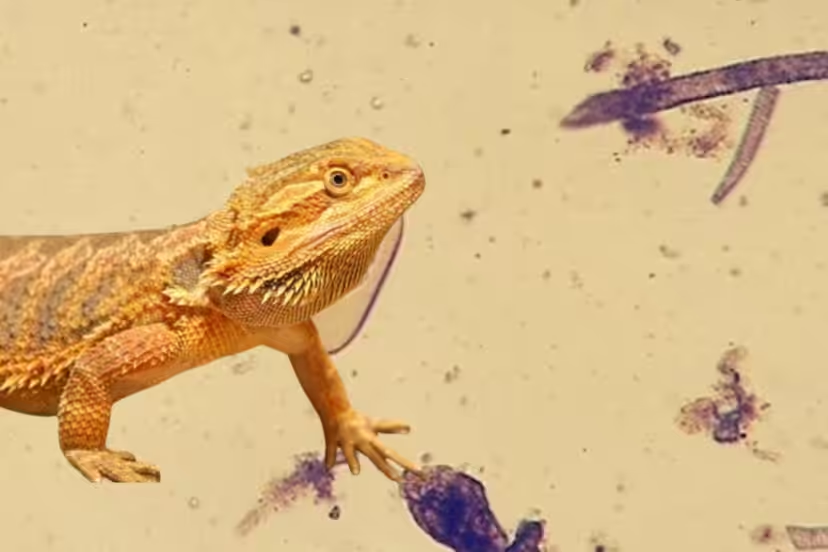
The most common parasites in pet bearded dragons are pinworms, coccidia and other protozoa inside the gut, and mites on the skin. Signs include weight loss, runny or smelly droppings, a poor appetite and lethargy, but many dragons show no signs at all. A fecal test at a reptile vet is the best way to find internal parasites. Treatment is a prescription medicine matched to the parasite, plus strict cleaning of the enclosure.
Understanding Parasites in Bearded Dragons
What are parasites?
Parasites are organisms that live in or on another animal and take nutrients from it. Internal parasites live in the gut. External parasites, such as mites, live on the skin. A small number of gut parasites may cause no harm, but a heavy load weakens a dragon, in particular a young or stressed one.
How bearded dragons get parasites
Most dragons pick up parasites from other reptiles, from a breeder or pet store, from droppings left in the enclosure, or from wild-caught insects. Many parasites have a direct life cycle: eggs pass in the droppings and the dragon swallows them again. That is why keeping the enclosure clean matters so much.
🦎 Want all the essentials on one printable page?
The Complete Bearded Dragon Care Plan puts daily routines, feeding charts, safe vs. toxic foods and vet red flags into one 16-page PDF for $7.99.
See the Care Plan →Common Types of Parasites
| Parasite | Type | Notes |
|---|---|---|
| Pinworms (oxyurids) | Worm | Very common. Light loads often cause no signs. Heavy loads cause weight loss and poor appetite. |
| Coccidia (Isospora) | Protozoan | Common in young dragons. Causes diarrhea, weight loss and poor growth. Spreads fast through droppings. |
| Flagellates and other protozoa | Protozoan | Often present in small numbers. Overgrowth causes runny, smelly droppings. |
| Cryptosporidium | Protozoan | Serious. Causes weight loss and chronic digestive problems. No reliable cure exists, and it spreads to other reptiles. |
| Mites | External | Tiny red or black specks around the eyes, ears, beard and skin folds. Spread fast between reptiles. |
Symptoms of Parasites
Behavior changes
A dragon with a heavy parasite load may be less active, bask less or hide more. Any change from its normal routine is worth a closer look.
Physical signs
- weight loss, a thin tail base or sunken fat pads on the head
- poor growth in a young dragon
- a bloated belly
- for mites: specks on the skin or in the water dish, rubbing, and soaking for long periods
Digestive signs
Watch for runny, bloody or very smelly droppings, undigested food in the droppings and a poor appetite.
Diagnosis
Why a vet visit matters
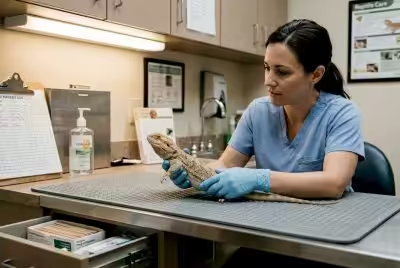
Many signs of parasites also fit other illnesses, and the treatment depends on the parasite. A reptile vet examines your dragon and tests a fresh stool sample.
Fecal exams
The vet looks at the sample under a microscope for eggs and protozoa. Bring a fresh sample, less than 12 hours old, in a sealed bag. Have a test done when you bring a new dragon home and at least once a year after that, more often if your dragon lives near other reptiles or has had parasites before. Cryptosporidium needs a separate lab test.
Treatment
Prescription medicine
The vet picks the drug by parasite. Fenbendazole is a common choice for worms, while coccidia and other protozoa need different drugs. The dose depends on your dragon’s weight, so never use leftover medicine or products meant for dogs, cats or people. Most treatments need a follow-up fecal test to confirm the parasites are gone.
Cleaning during treatment
Treatment fails if your dragon keeps swallowing eggs from the enclosure. During treatment:
- use paper towels as the floor and change them daily
- remove droppings at once
- clean and disinfect decor and dishes with a reptile-safe disinfectant, or replace porous items such as wood
- wash your hands before and after handling
Coccidia eggs resist many disinfectants, so ask your vet which product to use.
Mites
Treat mites with a reptile-safe product your vet recommends. Treat the enclosure as well as the dragon, since most mites hide in the setup. Any other reptiles in the home need checking too.
Supportive care
Correct heat, a fresh UVB tube, clean water and good food help your dragon recover. Ask your vet before giving probiotics. Home remedies do not clear parasites.
Prevention
A clean enclosure
Remove droppings and leftover food every day, rinse the water dish daily and deep-clean the enclosure once a month. Solid floors such as tile are easier to keep clean than loose substrate.
Quarantine new reptiles
Keep any new reptile in a separate room for 60 to 90 days with its own equipment. Have a fecal test done during quarantine before it shares a room with your other reptiles.
Safe insects
Buy feeder insects from a reliable supplier. Do not feed wild-caught insects, which can carry parasites and pesticides.
Regular checkups
Parasites do not always cause visible signs. A yearly vet visit with a fecal test catches them early.
When to Seek Urgent Care
See a vet as soon as possible if your dragon is very weak, stops eating, has bloody or watery diarrhea, or loses weight fast. Young dragons can go downhill within days.
Outlook
Most dragons recover from pinworms, coccidia and mites with the right medicine and strict cleaning. Cryptosporidium is the exception: an infected dragon needs lifelong separation from other reptiles and close vet care.
Conclusion
Parasites are common in bearded dragons, but they are manageable. Test a new dragon, test once a year, keep the enclosure clean and follow your vet’s treatment plan in full.
FAQs
1. How do I know if my bearded dragon has parasites?
Signs include weight loss, runny or smelly droppings, a poor appetite and lethargy. Many dragons show no signs, so a fecal test is the best check.
2. Can I treat parasites at home?
No. The right drug and dose depend on the parasite and your dragon’s weight, so a vet needs to diagnose and prescribe. At home, your job is cleaning and good husbandry.
3. Are parasites contagious between reptiles?
Yes. They spread through droppings, shared equipment and direct contact. Quarantine new reptiles and use separate tools for each enclosure.
4. How often should I test my dragon for parasites?
When you bring a new dragon home, then at least once a year. Test more often if your dragon lives near other reptiles or has had parasites before.
5. What substrate helps prevent parasites?
Paper towels and tile are the easiest to clean and make it simple to remove droppings. Use paper towels during treatment.

Love your beardie? Wear it proudly.
Be a Bearded Dragon Scented Candle – from $21.47. Our own bearded dragon designs, printed on demand. Every order supports these free care guides.
View this design → Browse all gifts