Bearded Dragon Health Checklist: The Ultimate Guide to a Happy, Healthy Beardie
Owning a bearded dragon is an adventure filled with curious head bobs, adorable basking sessions, and a lifetime of companionship. But, as every responsible reptile owner knows, keeping your beardie healthy means being vigilant about their health. This Bearded Dragon Health Checklist is my go-to guide for keeping my scaly buddy thriving — and I’m here to share every tip, trick, and lesson I’ve learned through years of reptile care.
Understanding Bearded Dragon Health Basics
Bearded dragons are hardy reptiles, but even the toughest beardie can run into health issues if not properly cared for. Understanding their basic needs—diet, lighting, hydration, and hygiene—is crucial to maintaining optimal health. Their bodies depend on correct temperatures for digestion, UVB lighting for calcium absorption, and a balanced diet for immunity and bone strength.
In my experience, prevention is the best medicine. Regular monitoring of behavior, eating habits, and appearance helps catch potential health problems early. Remember, reptiles are experts at hiding illness until it’s serious. So, developing an eye for subtle changes in your dragon’s behavior is your best defense.
Knowing What’s Normal: Behavior and Activity Levels
Healthy bearded dragons are curious, alert, and responsive. They explore their habitat, bask under their light, and have a predictable feeding schedule. You’ll notice them bob their heads, wave their arms, and occasionally puff out their beards. These are all signs of normal behavior and socialization.
When something seems off—like lethargy, loss of appetite, or staying in one corner all day—it could be the first sign of a health issue. For instance, a beardie refusing to bask might have an internal problem like impaction or metabolic bone disease. Observing your lizard’s daily rhythm helps establish what “normal” looks like for them, so any deviation becomes obvious right away.
Recognizing Signs of Illness in Bearded Dragons
Spotting illness early can save your bearded dragon’s life. Look for warning signs like:
- Sunken or cloudy eyes
- Open-mouth breathing or wheezing
- Lethargy or weakness
- Loss of appetite or weight loss
- Abnormal stools or diarrhea
- Discolored patches, sores, or wounds on skin
A sick beardie may also show behavioral changes — refusing to bask, hiding excessively, or becoming unusually aggressive. In many cases, these are symptoms of an underlying issue like dehydration, infection, or parasites. Always consult a reptile vet if you’re unsure; time is crucial when treating reptiles.
Common Bearded Dragon Diseases and Health Issues
Even with proper care, bearded dragons can face a variety of health problems. Let’s break down the most common ones:
Respiratory Infections
Caused by low temperatures or high humidity, respiratory infections make your beardie wheeze, breathe with an open mouth, or make clicking noises. If untreated, it can become life-threatening. Keep the basking area warm and humidity moderate to prevent this.
Metabolic Bone Disease (MBD)
This is one of the most preventable but devastating illnesses. MBD stems from calcium deficiency or lack of UVB exposure, leading to soft, deformed bones and tremors. Providing proper UVB lighting and calcium supplementation is non-negotiable.
Parasites and Coccidia
These are internal parasites that affect digestion and energy. Symptoms include runny stools, weight loss, and poor appetite. Regular fecal exams from your exotic vet can catch these early.
Mouth Rot and Scale Rot
Poor hygiene or injury can lead to bacterial infections like mouth rot (inflammation in the gums and mouth) or scale rot (blistered or discolored scales). Keeping your enclosure clean and dry prevents these issues.
Yellow Fungus Disease
A contagious and often fatal skin infection. It starts with yellowish patches that spread quickly. Quarantine infected reptiles immediately and consult a vet for antifungal treatment.
Diet and Nutrition: The Foundation of Bearded Dragon Care
A bearded dragon’s diet is a balance between insects, vegetables, and fruits—but not all foods are equal. Young dragons need more protein (live insects), while adults thrive on leafy greens and veggies. Their nutritional needs shift with age, so knowing their life stage matters.
Feed gut-loaded insects like crickets, dubia roaches, or black soldier fly larvae, and always dust them with calcium and vitamin D3 powder. Avoid feeding too many mealworms or waxworms—they’re like junk food for beardies.
Also, some foods are toxic, such as avocado, rhubarb, and fireflies. Stick to safe foods like mustard greens, squash, and collard greens. A diverse diet ensures proper vitamin and mineral balance, preventing deficiencies and metabolic issues.
Hydration and Bathing: Keeping Your Beardie Healthy
Hydration is one of the most underrated aspects of bearded dragon care. Many owners assume their beardie gets enough water from food, but that’s not always true. Bearded dragons often don’t recognize standing water as drinkable, which means dehydration can sneak up on them.
Signs of dehydration include wrinkled skin, sunken eyes, and lethargy. If you notice these symptoms, it’s time to step up your hydration routine. I personally give my beardie soaks in lukewarm water 2–3 times a week. It’s not just for hydration—it helps with shedding and keeps their skin supple. You’ll often see them drink during baths, which is both adorable and beneficial.
Always keep a shallow water dish in the enclosure, but make sure it’s clean and not too deep. Change it daily to prevent bacterial buildup. You can also mist their vegetables or use a dripper system to encourage hydration naturally. Proper hydration supports digestion, shedding, and kidney function—three pillars of good reptile health.
Habitat and Environment: Building a Proper Setup
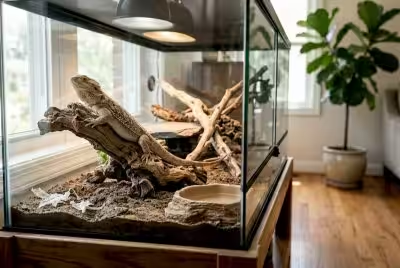
A healthy bearded dragon starts with a proper habitat setup. Their tank isn’t just a home—it’s a carefully balanced ecosystem that mimics their desert environment. Get this wrong, and your beardie’s health will decline fast.
Tank Size and Setup
For a baby dragon, a 40-gallon tank is fine, but adults need at least a 75–120-gallon enclosure. They need room to roam, bask, and explore. Include rocks, branches, and hides to encourage natural behavior.
Temperature Gradient and Basking Spot
Bearded dragons are ectothermic, which means they rely on external heat sources. Maintain a basking spot of 100–110°F and a cool side around 80°F. Use a reliable digital thermometer and thermostat to monitor this. Without the right gradient, digestion slows, and your beardie can become ill.
Humidity and UVB Lighting
Keep humidity levels between 30–40%. High humidity promotes respiratory infections, while low humidity causes shedding problems. UVB lighting is non-negotiable—it helps produce vitamin D3, which allows calcium absorption. Without UVB, metabolic bone disease (MBD) becomes inevitable.
Substrate and Cleaning Practices
Avoid loose substrates like sand or wood chips, which can cause impaction if ingested. I recommend using reptile carpet, paper towels, or tile flooring—easy to clean and safe. Clean the tank weekly, disinfect monthly, and remove uneaten food daily. A hygienic enclosure is your first line of defense against scale rot and infections.
Shedding and Skin Care
Shedding is a natural part of a bearded dragon’s growth, but it can become a problem if humidity is off or if old skin gets stuck. Stuck shed often appears around the toes, tail, or beard area. If ignored, it can restrict blood flow and cause necrosis.
To help with shedding, provide regular baths and gentle misting. Avoid peeling the skin yourself—it can hurt or cause bleeding. Offer a rough rock or branch in the enclosure to help your beardie rub off dead skin naturally. If shedding problems persist, review humidity and check for underlying issues like dehydration or parasites.
Weight and Body Condition: Signs of Obesity or Weight Loss
Weight tells you a lot about your dragon’s health. A healthy bearded dragon has a firm body, full tail, and alert posture. You should be able to see muscle tone but not bony ridges.
Sudden weight loss may signal parasites, poor diet, or an internal illness. Conversely, obesity can lead to liver disease and mobility problems. I weigh my beardie monthly with a kitchen scale—it’s a simple yet effective way to track health trends.
If your dragon is underweight, check its feeding schedule, lighting setup, and stress levels. Overweight beardies may need fewer fatty insects and more greens. Just like humans, balance and moderation are key to reptile health.
Reproductive and Egg-Laying Health
Female bearded dragons can lay eggs—even without mating. This natural process, called infertile egg-laying, can be stressful and dangerous if not managed properly. Watch for signs like swollen belly, restlessness, and digging behavior.
Provide a laying box with moist sand or soil to make egg-laying easier. If your dragon struggles to pass eggs or becomes lethargic, it may have egg binding (dystocia), a serious condition that needs immediate vet attention. Proper calcium levels and hydration prevent this issue in most cases.
Veterinary Care and Preventive Health Checks
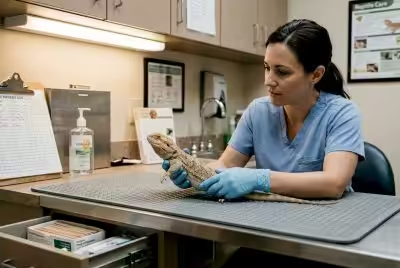
You can be the most attentive reptile parent in the world, but nothing replaces professional veterinary care. Regular checkups with a reptile vet or exotic animal vet ensure your dragon stays in peak condition.
When to Visit a Reptile Vet
Schedule at least one annual exam, even if your dragon seems healthy. Go sooner if you notice abnormal stools, wheezing, or loss of appetite. A qualified vet will catch issues you might overlook.
Fecal Exams, Blood Tests, and X-rays
Routine fecal exams detect parasites early. Blood work helps identify deficiencies, infections, or organ problems. X-rays are invaluable for diagnosing impaction, fractures, or metabolic bone disease. Prevention and early detection always cost less—financially and emotionally—than emergency care.
Handling, Stress, and Behavior Observation
Handling your bearded dragon should be a calm and positive experience. Too much or rough handling can cause stress, which weakens the immune system. Watch for stress signs like dark beard coloring, gaping, or hiding excessively.
Socialization is important but must be done right. Handle them gently, support their body fully, and let them explore safely. Keep handling sessions short, especially for baby or juvenile dragons. A happy, stress-free beardie is more active, eats well, and lives longer.
Brumation: Understanding Seasonal Rest Periods
Brumation is like a reptile’s version of hibernation—a period of low activity during cooler months. Don’t panic if your adult beardie sleeps more, eats less, or hides for weeks. It’s an instinct.
During brumation, reduce feeding and maintain a clean, slightly cooler tank environment. Always ensure your dragon is healthy and parasite-free before allowing it to brumate. If your beardie loses excessive weight or doesn’t wake up after a few months, consult your vet.
End of Life and Compassionate Care
Every pet’s journey eventually comes to an end. Recognizing signs of aging—like reduced mobility, cloudy eyes, or lethargy—helps you offer comfort and dignity in their final days. Consult your exotic vet about end-of-life care or euthanasia if your beardie is suffering.
Remember, providing compassionate care is the ultimate act of love. You’ve given your dragon a safe, healthy, and happy life—that’s something to be proud of.
Conclusion: Bearded Dragon Health is in Your Hands
Caring for a bearded dragon means more than feeding and cleaning—it’s about observation, consistency, and love. From proper diet and UVB lighting to regular vet visits, every detail matters. When you follow this Bearded Dragon Health Checklist, you’re giving your scaly friend the best shot at a long, vibrant life.
Your beardie’s health truly rests in your hands—so handle it with care, patience, and commitment.
FAQs About Bearded Dragon Health
1. How often should I take my bearded dragon to the vet?
At least once a year for a routine exam, or immediately if you notice signs of illness like wheezing, lethargy, or loss of appetite.
2. Why is my bearded dragon’s beard black?
A black beard often signals stress, dominance, or discomfort. Check the environment, temperature, and handling habits.
3. Can bearded dragons get colds or flu?
They can get respiratory infections due to poor temperatures or high humidity, but not human viruses.
4. How do I know if my beardie is dehydrated?
Look for wrinkled skin, sunken eyes, and dry stools. Regular soaks and fresh greens help prevent dehydration.
5. What is the average lifespan of a healthy bearded dragon?
With proper care, a beardie can live 10–15 years or even longer in captivity.