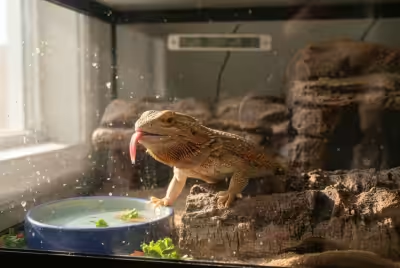
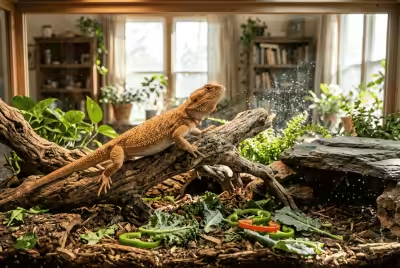
Why Bearded Dragons Stop Eating – Key Causes and Solutions
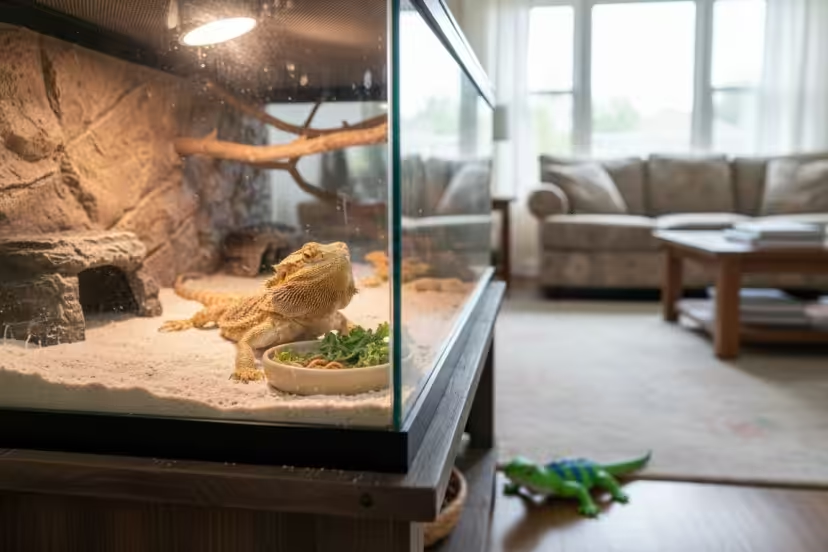
Over 60% of American and European reptile owners report appetite loss as their bearded dragon’s most distressing health concern. When a pet that usually devours its meals suddenly turns away from food, panic sets in fast. Understanding the critical factors behind appetite changes can help you act quickly, protecting your dragon’s well-being and giving you peace of mind as a responsible pet owner.
Table of Contents
- Loss of Appetite in Bearded Dragons Explained
- Medical Conditions That Cause Appetite Loss
- Environmental and Behavioral Eating Triggers
- How Diet and Nutrition Impact Feeding Habits
- When to Seek Veterinary Help for Your Dragon
Key Takeaways
| Point | Details |
|---|---|
| Identify Causes of Appetite Loss | Monitor environmental factors such as temperature and lighting that may contribute to reduced food intake. |
| Veterinary Consultation is Crucial | Seek professional help if appetite loss persists beyond a few days to rule out serious health issues. |
| Dietary Management is Key | Ensure a balanced diet with appropriate nutritional ratios specific to the bearded dragon’s life stage. |
| Maintain Consistent Habits | Create a stable environment and routine to minimize stress and promote healthy eating behaviors. |
Loss of Appetite in Bearded Dragons Explained
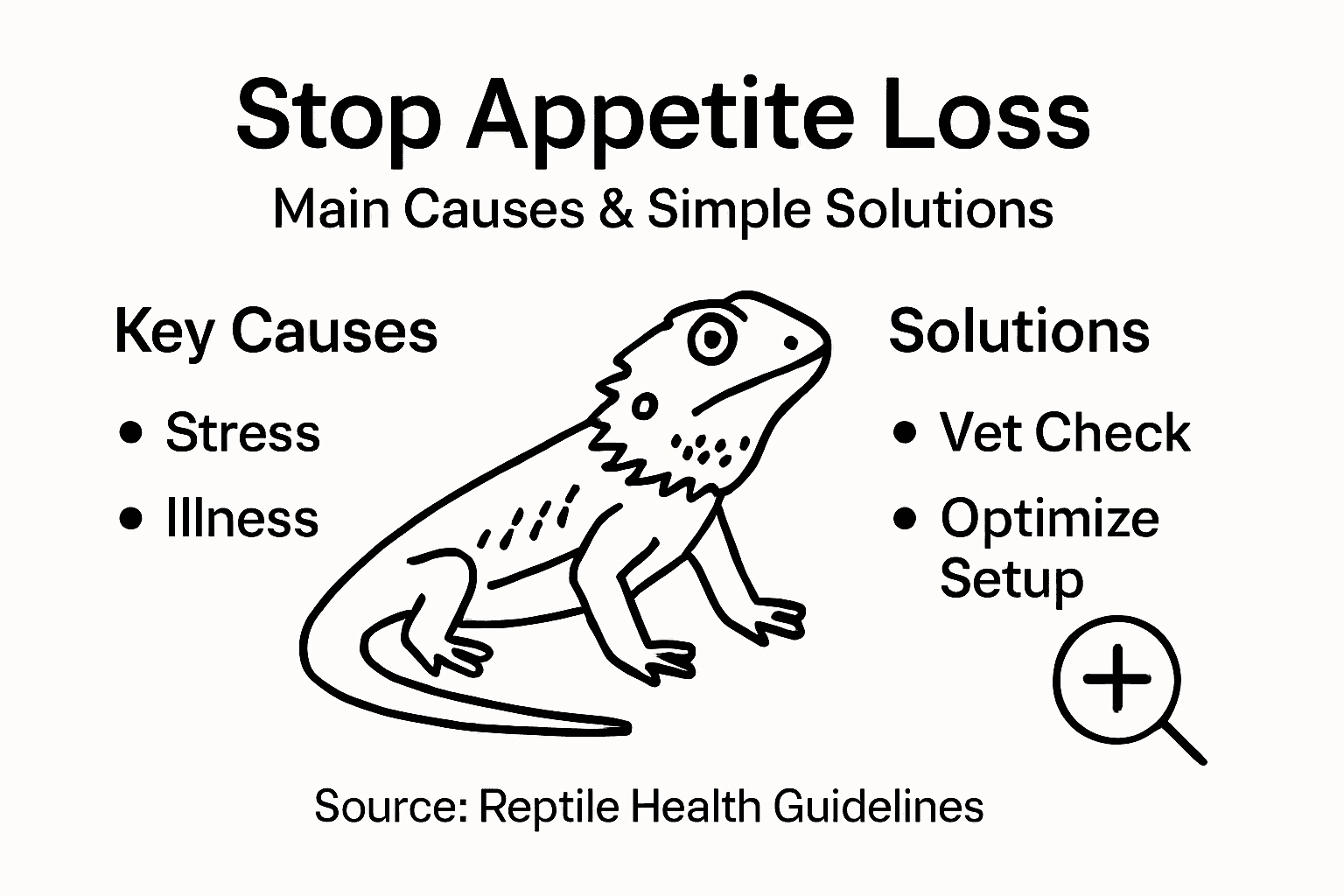
Bearded dragons are typically enthusiastic eaters, so when they suddenly stop consuming food, it raises serious concerns for reptile owners. Veterinary clinical research indicates that appetite loss often signals underlying health issues requiring careful investigation.
Multiple factors can contribute to a bearded dragon’s reduced food intake. Stress, environmental changes, improper temperature gradients, incorrect lighting, and potential medical conditions such as metabolic disorders or parasitic infections may trigger appetite suppression. Understanding these potential causes helps owners respond quickly and appropriately to their scaly companion’s health needs.
Identifying the root cause involves examining multiple aspects of your bearded dragon’s habitat and physical condition. Temperature plays a critical role; basking areas must maintain consistent warmth between 95-105 degrees Fahrenheit, while cool zones should range from 80-85 degrees. Insufficient heating can dramatically reduce metabolism and appetite. Similarly, inadequate UVB lighting disrupts vitamin D3 synthesis, potentially causing nutritional complications that further suppress eating behaviors.
Professional veterinary examination becomes crucial when appetite loss persists beyond a few days. Diagnostic procedures might include blood tests, fecal analysis, and comprehensive physical assessments to rule out systemic infections or metabolic disturbances that could be silently impacting your reptile’s health.
Pro tip: Maintain a detailed food and behavior journal to help veterinarians quickly diagnose potential issues when your bearded dragon experiences appetite changes.
Here’s a summary of common triggers and their effect on bearded dragon appetite:
| Trigger Type | Example Causes | Impact on Appetite |
|---|---|---|
| Environmental Stress | Temperature shifts, loud noise | Sudden decrease in food intake |
| Medical Condition | Parasites, metabolic disease | Persistent lack of eating, lethargy |
| Dietary Factors | Unbalanced nutrition, dehydration | Gradual loss of interest in food |
| Behavioral Changes | New tank mate, brumation | Temporary or cyclical appetite loss |
Medical Conditions That Cause Appetite Loss
Bearded dragons are susceptible to various medical conditions that can dramatically impact their appetite and overall health. Lymphoid leukemia represents a serious concern for reptile owners, potentially causing significant metabolic disruptions and appetite suppression.
Several critical medical issues can trigger appetite loss in these unique reptiles. Parasitic infections pose a significant threat, as intestinal worms such as pinworms and roundworms can interfere with nutrient absorption and cause digestive distress. Metabolic bone disease, characterized by calcium deficiencies, can lead to muscle weakness and reduced food intake. Respiratory infections might also cause systemic inflammation, making eating uncomfortable and challenging for your scaly companion.
Endocrine disorders, such as thyroid dysfunction or adrenal gland problems, can profoundly affect a bearded dragon’s metabolism and appetite. Kidney and liver diseases often manifest through reduced eating behaviors, with symptoms including lethargy, weight loss, and changes in waste elimination. Viral infections like adenovirus can compromise the immune system, creating complex health challenges that directly impact nutritional intake.
Cancer represents another potential underlying cause of appetite suppression. Tumors in various organs can disrupt normal physiological functions, leading to systemic inflammation and metabolic changes that diminish a bearded dragon’s desire to eat. Regular veterinary screenings and comprehensive blood tests can help detect these conditions early, providing opportunities for more effective interventions and treatment strategies.
Pro tip: Schedule biannual veterinary check-ups to catch potential health issues before they significantly impact your bearded dragon’s appetite and overall wellness.
Environmental and Behavioral Eating Triggers
Bearded dragon husbandry practices reveal intricate connections between environmental conditions and feeding behaviors. Temperature, lighting, enclosure design, and social dynamics play pivotal roles in determining a bearded dragon’s appetite and nutritional intake.
Temperature gradients are critical for metabolic function and digestion. Basking areas must provide consistent warmth between 95-105 degrees Fahrenheit, while cooler zones should range from 80-85 degrees. Thermal stress can dramatically suppress appetite, causing lethargy and reduced food consumption. Inadequate UVB lighting further compounds these issues, disrupting vitamin D3 synthesis and calcium metabolism, which directly impact a bearded dragon’s willingness to eat.

Behavioral triggers encompass a wide range of psychological and environmental factors. Stress from frequent handling, sudden environmental changes, or the introduction of new tank mates can create significant anxiety. Brumation periods naturally reduce feeding activity, mimicking hibernation cycles where metabolic rates slow dramatically. Social dynamics within enclosures also influence eating behaviors, with dominant dragons potentially intimidating smaller or more submissive companions and limiting their access to food resources.
Enclosure setup plays a crucial role in appetite stimulation. Proper habitat design includes providing multiple hiding spots, appropriate substrate, and enrichment elements that reduce stress and promote natural behaviors. Consistent feeding schedules, varied diet presentation, and minimizing environmental disruptions can help maintain a stable, appetizing environment for your scaly companion.
Pro tip: Create a consistent daily routine with minimal environmental changes to help your bearded dragon feel secure and maintain a healthy eating pattern.
How Diet and Nutrition Impact Feeding Habits
Bearded dragon feeding guidelines highlight the critical relationship between nutrition and appetite. A balanced diet plays a fundamental role in maintaining a healthy eating pattern, with nutritional composition directly influencing a bearded dragon’s willingness to consume food.
Diet composition varies dramatically across different life stages. Young bearded dragons require a protein-rich diet predominantly consisting of insects, with approximately 80% of their intake from live prey like crickets, dubia roaches, and mealworms. As they mature, the dietary ratio shifts, with adult dragons needing approximately 20-30% protein and 70-80% vegetable matter. Nutritional imbalances can trigger appetite suppression, making precise dietary management crucial for maintaining consistent feeding behaviors.
Micronutrient supplementation represents another critical factor in dietary health. Calcium and vitamin D3 supplements are essential for preventing metabolic bone disease and supporting overall physiological function. Improper supplementation can lead to significant health complications, including reduced appetite, weakened immune response, and potential organ dysfunction. Gut-loading insects with nutrient-rich foods before feeding and using high-quality calcium powders can help mitigate these risks and support optimal nutritional intake.
Hydration plays an equally important role in feeding behaviors. Fresh, clean water should be available constantly, with some bearded dragons preferring water droplets misted on vegetation over traditional water dishes. Dehydration can quickly suppress appetite and lead to serious health complications, making consistent access to water and occasional misting critical components of dietary management.
Pro tip: Rotate protein sources and vegetable varieties weekly to maintain your bearded dragon’s interest and ensure comprehensive nutritional coverage.
The table below compares key dietary needs for young and adult bearded dragons:
| Life Stage | Protein Ratio | Vegetable Ratio | Supplement Focus |
|---|---|---|---|
| Juvenile (<12 mo.) | 80% insects | 20% greens | Higher calcium, vitamin D3 |
| Adult (12+ mo.) | 20-30% insects | 70-80% greens | Balanced minerals, hydration |
When to Seek Veterinary Help for Your Dragon
Bearded dragon care recommendations emphasize the critical importance of recognizing early warning signs that indicate professional medical intervention is necessary. Prolonged appetite loss represents one of the most significant red flags for potential serious health complications.
Immediate veterinary consultation becomes essential when specific symptoms emerge. These include dramatic weight loss, persistent lethargy, abnormal fecal consistency, respiratory difficulties, unusual swelling, or significant behavioral changes. Diagnostic indicators such as sunken eyes, wrinkled skin, discolored mucous membranes, or unexplained lethargy suggest potential dehydration or underlying systemic issues that require professional assessment.
Certain medical conditions demand urgent attention. Respiratory infections characterized by wheezing, mucus discharge, or labored breathing represent critical scenarios requiring immediate intervention. Metabolic bone disease, manifesting through weak limbs, tremors, or unusual bone deformities, can rapidly progress without proper medical treatment. Parasitic infections, often detected through changes in appetite, stool consistency, or overall energy levels, also necessitate professional diagnostic procedures and targeted treatments.
Timely veterinary intervention can dramatically improve prognosis and prevent potentially life-threatening conditions. Reptile-specialized veterinarians possess the expertise to conduct comprehensive examinations, including blood tests, fecal analyses, and advanced diagnostic imaging. These professionals can identify subtle health issues that might escape untrained observation, providing targeted treatments that address the root causes of appetite suppression and overall health decline.
Pro tip: Maintain a detailed health journal documenting your bearded dragon’s eating habits, weight, and behavior to provide veterinarians with comprehensive diagnostic information.
Take Control of Your Bearded Dragon’s Health and Appetite Today
If your bearded dragon has stopped eating due to stress, medical conditions, or environmental factors, you are not alone. Loss of appetite is a critical warning sign that demands your immediate attention. At GoBeardedDragon.com, we understand how overwhelming it can be to identify the root cause and implement the right solutions. Whether you are concerned about temperature stress, dietary imbalances, or possible illnesses like metabolic bone disease or parasites, we offer expert guides and detailed care resources to support you every step of the way.

Don’t wait until minor issues turn into serious health problems. Explore our comprehensive health guides and habitat advice to restore your dragon’s appetite and vitality. Visit GoBeardedDragon.com now to get practical tips, track your pet’s progress, and find the best care solutions designed exclusively for bearded dragon enthusiasts like you.
Frequently Asked Questions
What are the common causes of appetite loss in bearded dragons?
Common causes include environmental stress, improper temperature gradients, inadequate UVB lighting, dietary imbalances, and various medical conditions, such as metabolic disorders or parasitic infections.
How can I determine if my bearded dragon’s appetite loss is due to a medical condition?
Look for signs such as persistent weight loss, lethargy, abnormal fecal consistency, respiratory issues, or unusual swelling. Consulting a veterinarian for diagnostic tests is essential if these symptoms are observed.
What role does temperature play in my bearded dragon’s eating habits?
Temperature significantly impacts metabolism and digestion. Basking areas should be maintained at 95-105 degrees Fahrenheit, while cooler zones should be 80-85 degrees. Improper temperatures can lead to appetite suppression.
When should I seek veterinary help for my bearded dragon’s appetite issues?
Seek veterinary help if your bearded dragon experiences prolonged appetite loss for more than a few days, shows severe weight loss, has abnormal behaviors, or displays symptoms of dehydration or respiratory distress.
Recommended
- Why Bearded Dragons Eat Sand – Risks and Solutions
- Why Are Bearded Dragons Lethargic? Causes and Solutions
- Why Do Bearded Dragons Hide: Complete Guide
- Beard Hair Loss: Causes, Tracking, and Solutions 2025 | MyHair