Why Are Bearded Dragons Lethargic? Causes and Solutions
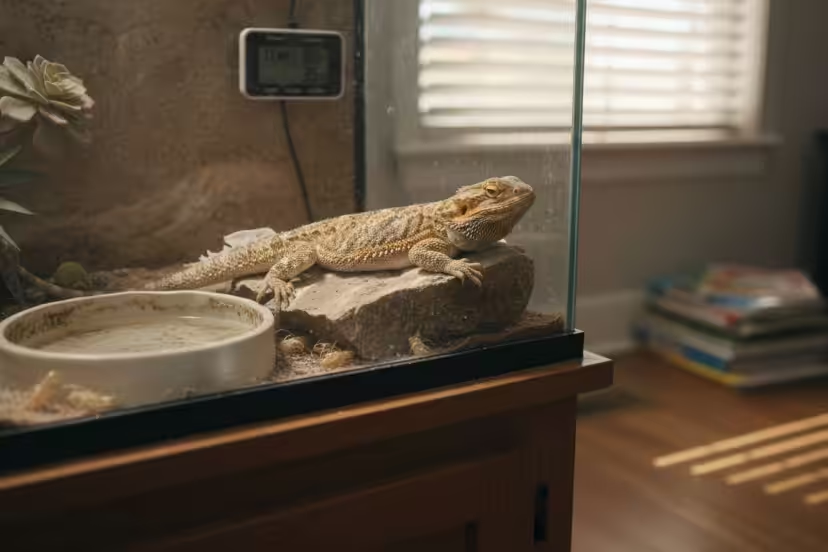
Most bearded dragon owners are startled to learn that lethargy is among the top concerns reported to reptile veterinarians each year. When your usually curious pet spends hours motionless, it is easy to worry and wonder if something is seriously wrong. Recognizing the real signs of lethargy helps you take action early, protecting your dragon from preventable health issues and avoiding unnecessary stress for both you and your scaly friend.
Table of Contents
- Defining Lethargy in Bearded Dragons
- Common Health Causes for Lethargy
- Environmental and Habitat Related Triggers
- Nutritional Deficiencies and Metabolic Issues
- Warning Signs Necessitating Veterinary Care
Key Takeaways
| Point | Details |
|---|---|
| Understanding Lethargy | Lethargy in bearded dragons signals a significant reduction in activity and responsiveness, indicating potential health issues. Regular monitoring of behavior is essential for early detection. |
| Causes of Lethargy | Common triggers include infectious diseases, metabolic disorders, and environmental stressors, such as improper habitat conditions. Owners should maintain optimal living environments and consult veterinarians regularly. |
| Nutrition Matters | Nutritional deficiencies, particularly imbalances in calcium and vitamin D3, can lead to serious health problems. A balanced diet and supplementation are crucial for preventing lethargy. |
| Warning Signs | Persistent lethargy combined with symptoms like weight loss or labored breathing requires immediate veterinary attention. Owners must stay vigilant and document changes in their pet’s behavior. |
Defining Lethargy in Bearded Dragons
Lethargy in bearded dragons represents an abnormal reduction in typical activity levels and responsiveness, signaling potential underlying health concerns. Unlike normal periods of rest, lethargy indicates a prolonged state of decreased movement, reduced interaction, and diminished energy that deviates from a bearded dragon’s standard behavior patterns.
Understanding lethargy requires recognizing the nuanced difference between natural resting behaviors and genuine health issues. Neurological examination protocols for inland bearded dragons reveal that while these reptiles have natural variability in activity, persistent inactivity could indicate more serious problems. Healthy bearded dragons typically alternate between periods of active exploration and calm resting, maintaining an overall engaged demeanor.
A lethargic bearded dragon might exhibit several distinctive characteristics: significantly reduced movement, lack of interest in food, minimal response to environmental stimuli, unusual sleeping patterns, and an overall listless appearance. These symptoms can manifest differently depending on the underlying cause, which might range from environmental stress to metabolic disorders or potential infections.
Pro tip: Track your bearded dragon’s typical daily activity levels in a journal to quickly identify significant changes in behavior that might indicate emerging health concerns.
Common Health Causes for Lethargy
Bearded dragons can experience lethargy due to several serious health conditions that demand careful veterinary attention. Infectious diseases represent one of the most common underlying causes, potentially compromising the reptile’s overall systemic health and energy levels. Clinical case studies of systemic infections reveal complex interactions between disease processes and the bearded dragon’s physiological response.
Metabolic disorders frequently contribute to lethargy in these scaly companions. Conditions like metabolic bone disease, which results from calcium and vitamin deficiencies, can dramatically reduce a bearded dragon’s activity levels. Hormonal imbalances, thyroid dysfunction, and improper nutritional intake may also trigger prolonged periods of reduced movement and engagement. These health challenges often manifest through subtle changes in behavior, making regular veterinary check-ups crucial for early detection.
Environmental factors play a significant role in bearded dragon lethargy. Incorrect habitat temperatures, inadequate lighting, poor humidity levels, and inappropriate enclosure setups can stress these reptiles, leading to decreased activity. Specific issues like respiratory infections, parasitic infestations, and digestive complications can further compromise their energy levels. Chronic stress from suboptimal living conditions may suppress their natural behaviors and immune responses.
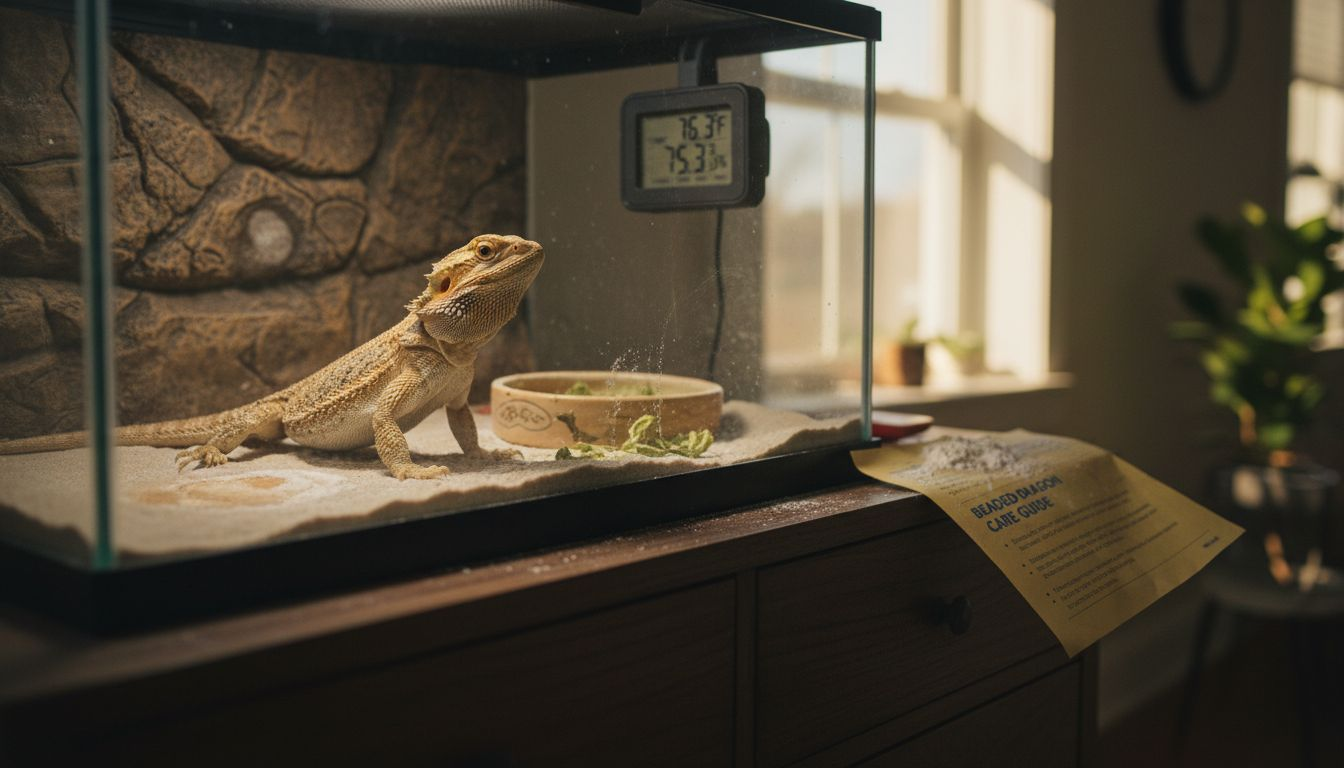
Pro tip: Maintain a consistent temperature gradient in your bearded dragon’s habitat and schedule bi-annual veterinary wellness exams to proactively identify and address potential health issues before they escalate.
Here is a summary of major health and environmental factors that can trigger lethargy in bearded dragons:
| Trigger Type | Example Cause | Potential Effect |
|---|---|---|
| Infectious Disease | Viral or bacterial infection | Compromised immune system |
| Metabolic Disorder | Calcium deficiency | Weakened muscles, bones |
| Habitat Temperature | Insufficient basking heat | Reduced activity, sluggish |
| Improper Lighting | Lack of UVB exposure | Metabolic complications |
| Stress Factors | Overcrowding or poor hygiene | Chronic stress, lethargy |
Environmental and Habitat Related Triggers
Bearded dragons are highly sensitive to their environmental conditions, with thermoregulatory behaviors playing a critical role in their overall health and activity levels. As ectothermic reptiles, they rely completely on external heat sources to regulate body temperature, which directly impacts their energy and metabolism. When habitat conditions deviate from their precise requirements, bearded dragons can quickly become lethargic and unresponsive.
Temperature gradients are particularly crucial for maintaining optimal bearded dragon health. Their habitat must include distinct warm and cool zones, allowing them to move between areas and self-regulate their body temperature. Incorrect basking temperatures, insufficient heat lamp positioning, or lack of temperature variation can suppress their natural behaviors, leading to prolonged periods of inactivity. Inadequate UVB lighting further compounds these issues, potentially causing vitamin D deficiencies and metabolic complications that contribute to lethargy.
Habitat hygiene and design significantly influence bearded dragon well-being. Outbreak investigations of reptile infections demonstrate how poor environmental conditions can trigger stress and disease. Overcrowding, inappropriate substrate, insufficient hiding spaces, and improper humidity levels can create chronic stress environments that suppress natural behaviors. Factors like enclosure size, substrate type, background enrichment, and air quality all play intricate roles in maintaining a bearded dragon’s physical and psychological health.
Pro tip: Invest in a high-quality digital thermometer with multiple probe points to create and maintain precise temperature gradients throughout your bearded dragon’s habitat.
Nutritional Deficiencies and Metabolic Issues
Nutritional imbalances represent a critical factor in bearded dragon lethargy, with metabolic bone disease emerging as a primary concern. This complex condition develops from intricate nutritional deficiencies, particularly involving calcium metabolism, vitamin D3 absorption, and overall dietary composition. Bearded dragons require a precisely balanced diet that mimics their natural nutritional intake, with careful attention to protein, calcium, and micronutrient ratios.
The intricate balance of calcium and phosphorus plays a fundamental role in preventing metabolic dysfunction. Imbalanced calcium-to-phosphorus ratios can disrupt bone formation, muscle function, and overall metabolic processes. Insufficient dietary calcium, limited UVB exposure, and inadequate vitamin D3 supplementation can trigger a cascade of physiological complications. These nutritional gaps manifest through progressive symptoms, including muscle weakness, reduced activity levels, bone deformities, and chronic lethargy that can significantly compromise the bearded dragon’s quality of life.
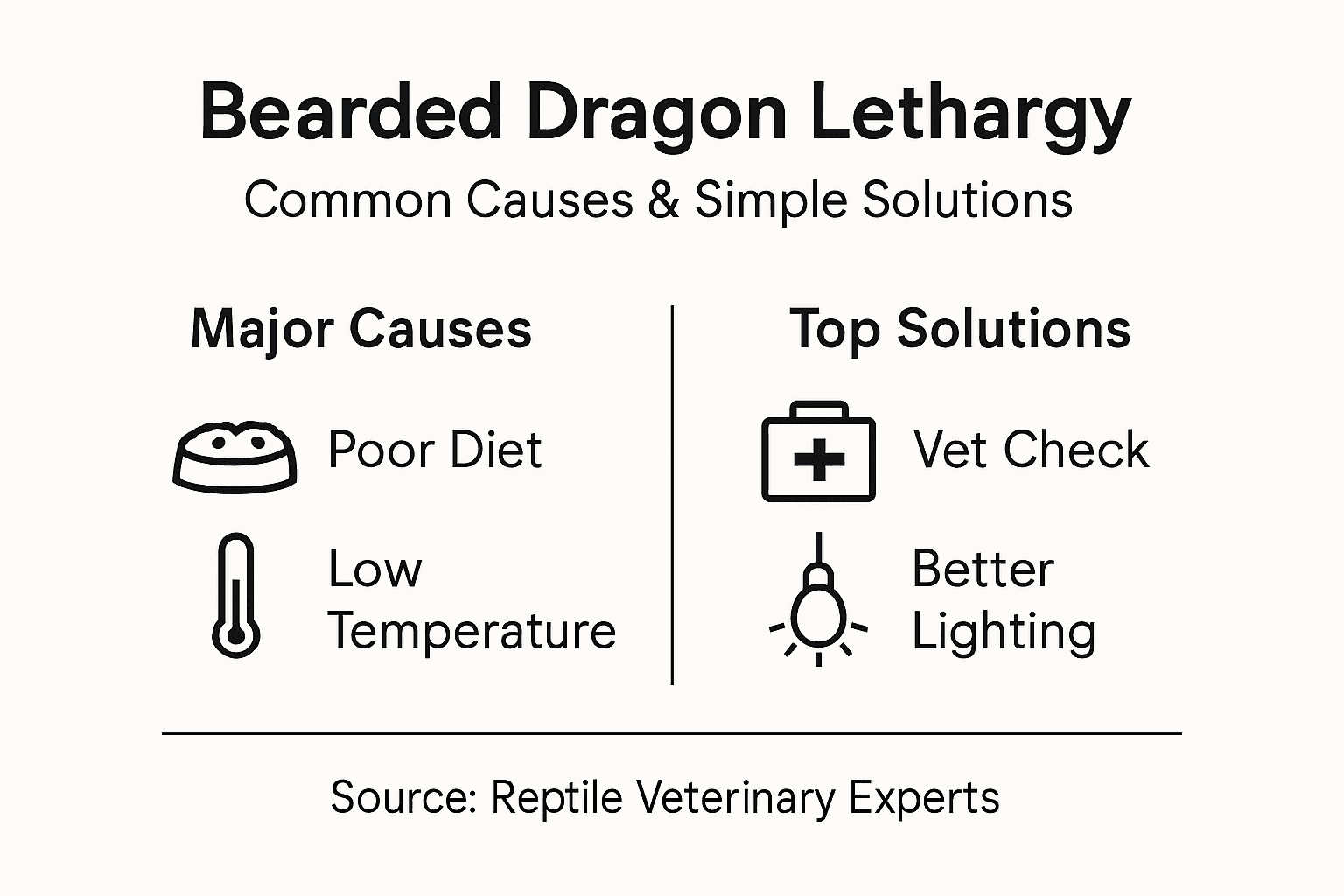
Dietary variety and supplementation are essential strategies for maintaining optimal metabolic health. Insect protein sources must be carefully selected and dusted with calcium supplements, while vegetable components should provide additional micronutrients. Owners must understand that commercial diets alone cannot meet the complex nutritional requirements of these reptiles. Factors such as insect size, gut-loading practices, supplement frequency, and dietary rotation help prevent metabolic disorders that can lead to prolonged periods of reduced activity and potential long-term health complications.
Pro tip: Consult with a reptile veterinarian to develop a personalized nutrition plan that includes precise calcium supplementation and dietary recommendations specific to your bearded dragon’s age and health status.
Warning Signs Necessitating Veterinary Care
Bearded dragon owners must remain vigilant about recognizing serious health indicators that demand immediate professional intervention. Comprehensive reptile health guidelines emphasize the critical importance of understanding subtle changes in behavior that could signal underlying medical conditions. Persistent lethargy accompanied by additional symptoms represents a red flag that requires a thorough veterinary evaluation.
Severe health complications often manifest through a constellation of clinical signs beyond simple inactivity. Cardiovascular disease studies highlight specific warning indicators, including dehydration, respiratory distress, palpable body masses, and dramatic changes in physical appearance. Owners should be particularly concerned when lethargy combines with symptoms like sunken eyes, significant weight loss, abnormal shedding patterns, reduced appetite, or visible physical deformities that suggest systemic health challenges.
Some critical warning signs that necessitate immediate veterinary attention include unexplained and prolonged inactivity lasting more than 24-48 hours, dramatic weight loss, visible signs of pain or discomfort, unusual swelling, bleeding, open wounds, labored breathing, or complete food and water refusal. Neurological symptoms such as tremors, lack of coordination, or unresponsiveness represent extremely serious conditions requiring urgent professional assessment. Bearded dragons are stoic creatures that often mask illness, making it crucial for owners to proactively monitor and document any deviation from their pet’s normal behavioral patterns.
If you notice any of these warning signs combined with lethargy, seek veterinary advice promptly:
| Symptom | What It Might Indicate | Urgency Level |
|---|---|---|
| Dramatic weight loss | Systemic illness or infection | Immediate evaluation |
| Labored breathing | Respiratory or cardiac problem | Emergency attention |
| Unusual swelling | Organ or tissue inflammation | Veterinary review soon |
| Sunken eyes | Dehydration or organ failure | High priority check |
Pro tip: Maintain a daily observation log to track your bearded dragon’s activity levels, eating habits, and physical condition, helping veterinarians quickly diagnose potential health issues.
Restore Your Bearded Dragon’s Vitality with Trusted Care and Expert Guidance
Lethargy in bearded dragons is more than just inactivity; it signals a pressing need for attentive care focused on identifying causes like metabolic issues, environmental stressors, or nutritional deficiencies. If your pet is showing signs of reduced energy, lack of appetite, or unusual behavior, staying informed and proactive is essential to bring back their lively spirit. Understanding these challenges empowers you to make confident decisions that safeguard your reptile’s health and happiness.

Explore comprehensive resources and specialized care tips at gobeardeddragon.com, where you will find detailed articles on habitat optimization, nutrition plans, and early warning signs that demand veterinary attention. Start monitoring your bearded dragon’s activity with our expert-backed guides and create a nurturing environment that promotes natural thermoregulation and energy balance. Don’t wait until lethargy worsens; take action now by visiting gobeardeddragon.com and unlock practical solutions to restore your pet’s vitality today.
Frequently Asked Questions
What are the common signs of lethargy in bearded dragons?
Common signs of lethargy in bearded dragons include significantly reduced movement, lack of interest in food, minimal response to environmental stimuli, unusual sleeping patterns, and an overall listless appearance.
What health issues can cause lethargy in bearded dragons?
Lethargy in bearded dragons can be caused by various health issues, including infectious diseases, metabolic disorders like metabolic bone disease due to nutritional deficiencies, and environmental stress factors such as incorrect habitat temperatures and lighting.
How can I improve my bearded dragon’s environment to prevent lethargy?
To improve your bearded dragon’s environment, ensure that there is a proper temperature gradient within the habitat, adequate UVB lighting for vitamin D synthesis, and maintain good hygiene. Regularly monitor the enclosure size, substrate type, and overall air quality to minimize stress.
When should I seek veterinary care for my lethargic bearded dragon?
You should seek veterinary care for your lethargic bearded dragon if they exhibit persistent inactivity for more than 24-48 hours, significant weight loss, labored breathing, unusual swelling, or neurological symptoms such as lack of coordination or unresponsiveness.
Recommended
- Bearded Dragon Active vs. Lazy Behavior Explained
- Bearded Dragon Social Needs – Why Solitude Matters
- Why Do Bearded Dragons Hide: Complete Guide
- Beard Hair Loss: Causes, Tracking, and Solutions 2025 | MyHair