Bearded Dragon Sleep Patterns – Ensuring Restful Nights
Sleep for bearded dragons is far more complex than most pet owners expect, with neuroscientific studies showing these reptiles experience sophisticated two-stage sleep patterns similar to mammals. Understanding how bearded dragons rest can make all the difference for first-time owners who want to support their pet’s well-being. This guide explains how bearded dragons sleep and how to set up the right conditions for rest.
Table of Contents
- Defining Sleep For Bearded Dragons
- Typical Daily And Seasonal Sleep Cycles
- Recognizing Brumation Versus Normal Sleep
- Habitat Lighting And Temperature Impacts
- Common Sleep Disruptions And How To Prevent Them
🦎 Want all the essentials on one printable page?
The Complete Bearded Dragon Care Plan puts daily routines, feeding charts, safe vs. toxic foods and vet red flags into one 16-page PDF for $7.99.
See the Care Plan →Key Takeaways
| Point | Details |
|---|---|
| Bearded Dragon Sleep Patterns | They exhibit a two-stage sleep pattern, including slow-wave and REM phases, similar to mammals, indicating complex neurological processes. |
| Daily and Seasonal Cycles | Their sleep cycles vary with temperature and light, being active at dawn and dusk and entering brumation in colder months. |
| Brumation Awareness | Tell brumation apart from regular sleep: brumation means weeks of inactivity and slow responses, which help wild dragons survive cold seasons. |
| Habitat Management | Keep a stable temperature gradient and correct UVB lighting so your dragon sleeps well. |
Defining Sleep for Bearded Dragons
Bearded dragons, our scaly friends with complex neural systems, experience sleep in ways that might surprise many reptile owners. Research reveals that these fascinating creatures have a sophisticated two-stage sleep pattern remarkably similar to mammals, featuring slow-wave (SW) and rapid eye movement (REM) phases. This challenges previous assumptions about reptilian sleep and demonstrates the intricate neurological processes happening behind their seemingly simple exterior.
Sleep Stages in bearded dragons are not just random periods of rest but highly organized neurological experiences. Neuroscientific studies indicate that their brain circuits coordinate these sleep stages with precision comparable to mammals, suggesting an evolutionary sleep mechanism dating back approximately 320 million years. During these sleep stages, different brain areas become active, allowing for complex neural processing and recovery.
Understanding bearded dragon sleep means recognizing that they do not sleep exactly like humans or other pets. Their sleep patterns include periods of reduced activity during which they remain partially aware of their environment, a survival mechanism inherited from their desert-dwelling ancestors. These reptiles can experience both deep rest and light sleep states, with their brain maintaining a level of alertness that helps protect them from potential predators.
Pro tip: Create a consistent, quiet sleeping environment for your bearded dragon by maintaining a stable temperature between 70-75 degrees Fahrenheit and minimizing nighttime disturbances to support their natural sleep cycle.
Typical Daily and Seasonal Sleep Cycles
Bearded dragons sleep differently from most other pets. These creatures follow a crepuscular pattern, being most active during dawn and dusk and taking short naps throughout the day. Their daily sleep cycle is intricately linked to temperature and light conditions, reflecting their natural desert habitat and evolutionary adaptations.
Nocturnal Sleep Behavior reveals that bearded dragons typically sleep for 8 to 12 hours during the night, with sleep duration varying based on seasonal temperatures. Their sleep patterns are strongly influenced by consistent lighting that mimics natural daylight cycles, which helps regulate their circadian rhythms. During the winter months, they can experience brumation, an extended period of dormancy similar to hibernation, during which they sleep for weeks or even months.
The seasons change their sleep patterns. In warmer months, bearded dragons tend to have more active periods and shorter sleep cycles, while colder months trigger more extended rest periods. Adjusting their sleep helps them save energy and manage body temperature, a trait from their desert ancestors.
Pro tip: Install a programmable light timer in your bearded dragon’s enclosure to create consistent day-night cycles that mimic their natural environment and support healthy sleep rhythms.
Recognizing Brumation Versus Normal Sleep
Brumation is a unique physiological process that can often confuse bearded dragon owners who might mistake it for simple extended sleep. This natural reptilian dormancy is a survival mechanism characterized by dramatically slowed metabolism, reduced eating, and prolonged periods of inactivity, distinctly different from their typical nightly rest patterns.
Key differences between normal sleep and brumation include duration and behavioral changes. During regular sleep, bearded dragons remain relatively responsive and will wake up quickly if disturbed. Brumation, however, involves much longer periods of inactivity, during which they might occasionally wake to drink water or shift position, but generally remain in a deep, extended state of rest. Typical brumation can last from a few weeks to several months, depending on environmental conditions and the individual dragon’s health.
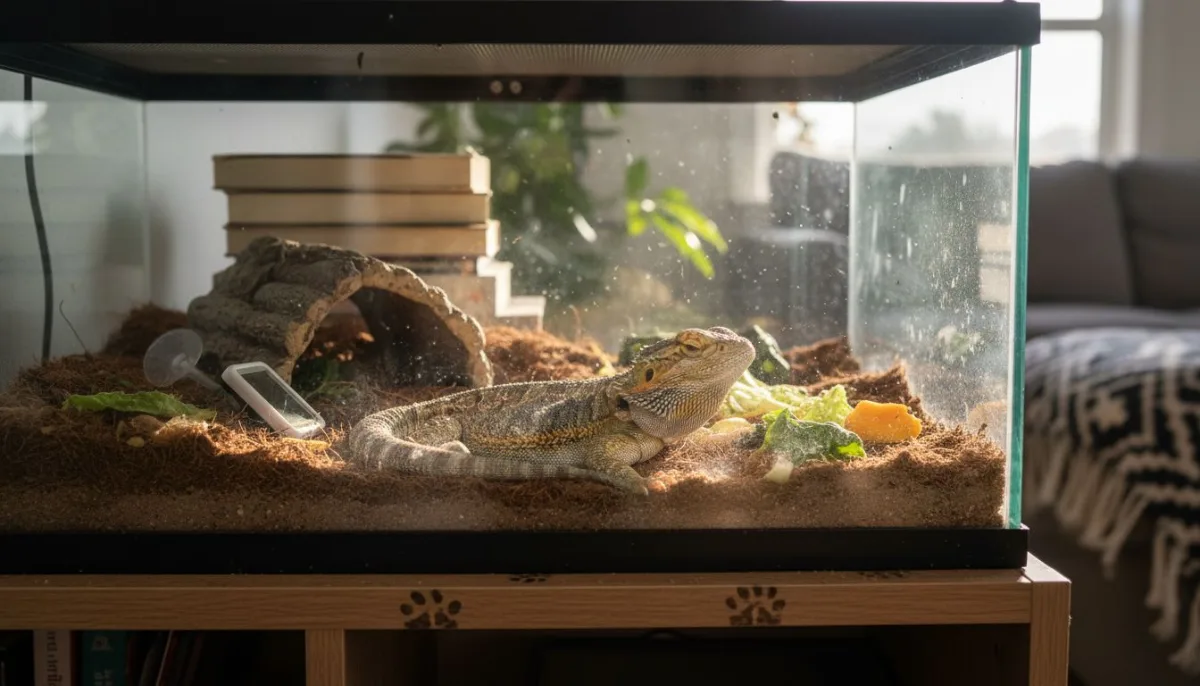
Recognizing brumation requires careful observation of your bearded dragon’s overall behavior and physical condition. Signs include significant weight loss, extreme lethargy, reduced or complete cessation of eating, and minimal movement. While this process might seem concerning, it is a completely natural biological adaptation that helps these reptiles survive periods of limited food and harsh environmental conditions. Younger dragons typically brumate for shorter periods, while older dragons may experience more extended dormancy.
Here’s a summary comparing normal sleep and brumation in bearded dragons:
| Aspect | Normal Sleep | Brumation |
|---|---|---|
| Duration | 8-12 hours nightly | Weeks to months |
| Responsiveness | Wakes if disturbed | Very slow to respond |
| Eating Behavior | Eats regularly | Minimal or no eating |
| Physical Activity | Occasional movement | Very limited movement |
| Purpose | Daily rest and recovery | Survival during cold/lack of food |
Pro tip: Monitor your bearded dragon’s weight and hydration during brumation, and consult a reptile veterinarian if you notice any unusual symptoms or extreme weight loss.
Habitat Lighting and Temperature Impacts
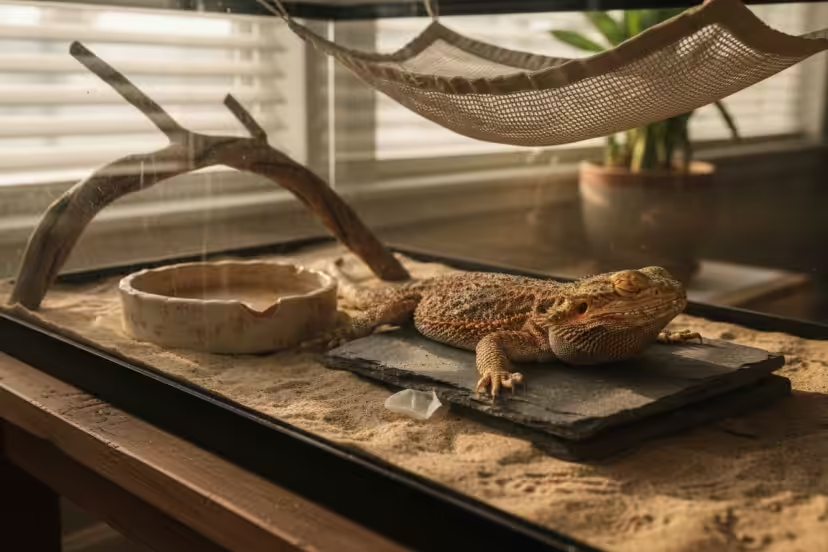
Thermal regulation matters because bearded dragons rely on outside heat to keep their body temperature and a healthy sleep cycle. Bearded dragons require a precisely designed thermal gradient within their enclosure, featuring a basking area between 95-110°F and a cooler zone that allows for temperature variation, which mimics their natural desert habitat and supports their physiological needs.
UVB lighting plays a fundamental role in your bearded dragon’s overall health and sleep patterns. A light period of about 12 hours a day supports vitamin D3, calcium metabolism and a steady day-night rhythm. At night, temperatures should not drop below 65°F, with ceramic heat emitters recommended, as they provide warmth without disrupting sleep through light emission. This careful balance of temperature and lighting helps regulate your dragon’s metabolic processes and supports their natural sleep-wake cycle.
A good sleep setup needs more than the right temperature. Bearded dragons need a carefully designed environment that includes distinct temperature zones, allowing them to move between warmer and cooler areas as needed. Moving between warm and cool areas helps them digest food and sleep well. The basking area should provide intense heat for energy and metabolism, while the cooler zone allows for rest and temperature adjustment.
Pro tip: Use a digital thermometer with dual probes to monitor both the basking and cool zones in your bearded dragon’s enclosure, ensuring consistent and appropriate temperature gradients throughout the day and night.
Habitat targets for healthy sleep:
| Habitat Feature | Daytime Range | Nighttime Range |
|---|---|---|
| Basking Temperature | 95-110°F | Not needed |
| Cool Zone Temperature | 75-85°F | 65-75°F |
| UVB Lighting Duration | 12-14 hours | Off at night |
| Light Source | Bright white/day | None (ceramic heat emitter only if the room gets colder than 65°F) |
Common Sleep Disruptions and How to Prevent Them
Sleep disruptions in bearded dragons can stem from various environmental and physiological factors that compromise their natural rest cycles. Common issues include inconsistent lighting, temperature fluctuations, excessive noise, and stress-inducing habitat conditions that prevent these reptiles from achieving quality sleep. Watch for these common sleep disruptors.
Stress is a primary culprit behind sleep interruptions. Bearded dragons are sensitive creatures that require a calm, predictable environment. Factors like frequent handling during sleep hours, sudden movements near their enclosure, loud noises, or the presence of other pets can trigger anxiety and prevent restful sleep. Wrong temperatures can also keep your dragon alert and disturb its sleep.
To prevent sleep problems, check the whole setup: light, heat, noise and hides. This includes creating a consistent light-dark cycle that mimics natural day-night patterns, maintaining stable temperature zones, positioning the enclosure in a quiet area away from high-traffic spaces, and minimizing unnecessary interactions during their designated sleep times. Observing your bearded dragon’s specific behaviors and creating a personalized, stress-free environment is key to supporting their unique sleep requirements.
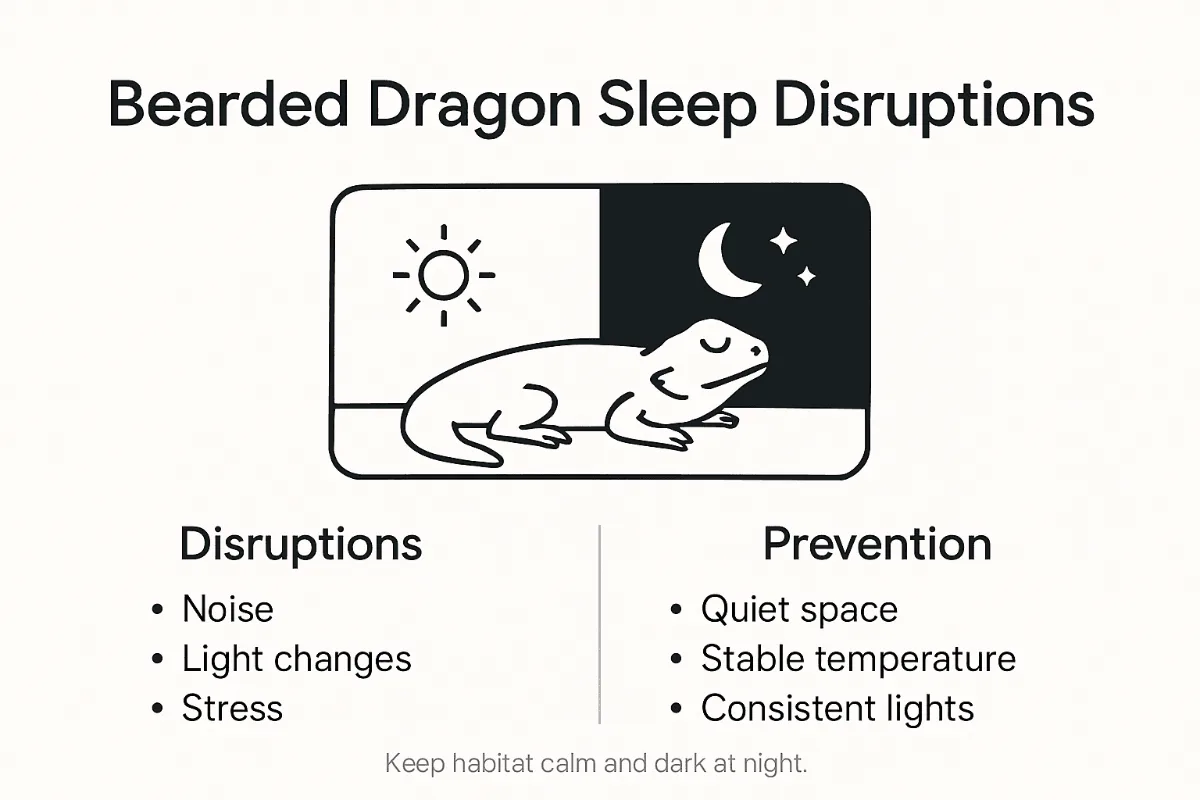
Pro tip: Place a soft, dark blanket over part of your bearded dragon’s enclosure during nighttime to create a more secure, cave-like sleeping environment that promotes deeper, more restful sleep.
Help Your Bearded Dragon Sleep Well
Struggling to create the perfect environment for your bearded dragon’s restful nights? This article covered brumation versus normal sleep, habitat temperatures and common sleep disruptors. Watch your dragon’s sleep and its setup to keep it healthy day and night.

Find more on habitats, light cycles and natural behavior at gobeardeddragon.com. Our guides on temperature and sleep help you tell normal rest from brumation. Start today to prevent costly health issues and give your scaly companion the quality sleep they deserve.
Frequently Asked Questions
How many hours do bearded dragons sleep at night?
Bearded dragons typically sleep for 8 to 12 hours during the night, depending on seasonal temperatures and environmental conditions.
What is brumation in bearded dragons?
Brumation is a natural rest period with a slower metabolism, little eating and long inactivity, lasting a few weeks to several months.
How can I create a proper sleeping environment for my bearded dragon?
To ensure a restful sleeping environment for your bearded dragon, maintain a quiet space, provide stable temperatures between 70-75°F at night, and consider installing a programmable light timer to mimic natural day-night cycles.
What factors can disrupt my bearded dragon’s sleep?
Common factors that can disrupt a bearded dragon’s sleep include inconsistent lighting, temperature fluctuations, excessive noise, and stress from frequent handling during sleep hours.
Recommended
- Bearded Dragon Social Needs – Why Solitude Matters
- Bearded Dragon Active vs. Lazy Behavior Explained
- Bearded Dragon Behavior Signs – What Owners Must Know

Love your beardie? Wear it proudly.
I'm in Beardie Mode Tee – from $15.83. Our own bearded dragon designs, printed on demand. Every order supports these free care guides.
View this design → Browse all gifts