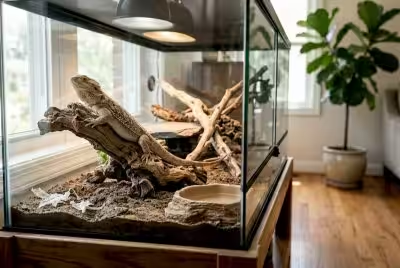
Bearded Dragon Impaction Explained: Risks and Solutions
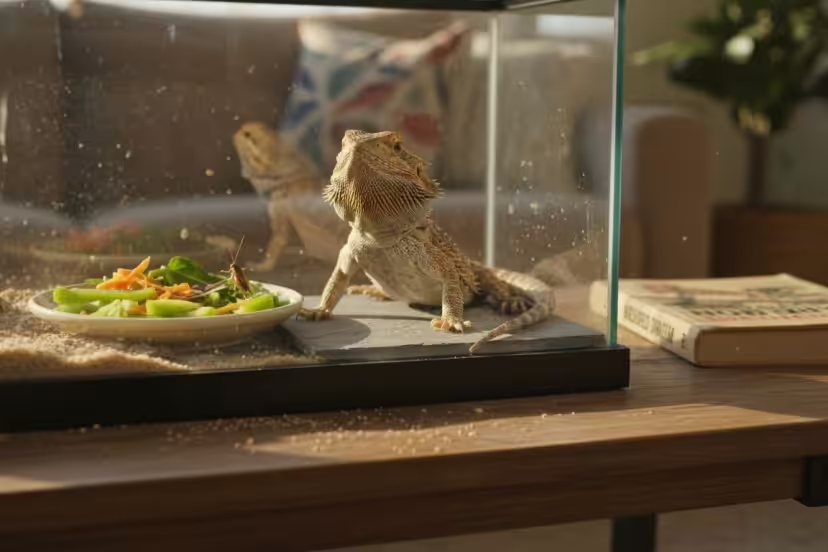
Every bearded dragon owner knows the stress of spotting unusual behavior in their reptile companion. Impaction is a serious concern that can turn a simple substrate or feeding mistake into a life-threatening emergency, especially for first-time reptile enthusiasts. Learning how to spot early warning signs and adopting safe husbandry practices empowers you to protect your bearded dragon and avoid costly veterinary interventions.
Table of Contents
- What Is Bearded Dragon Impaction?
- Major Causes and Risk Factors
- Symptoms and Warning Signs to Watch
- Treatment and Vet Care Options
- Prevention Strategies and Safe Practices
- Common Mistakes and Misconceptions
Key Takeaways
| Point | Details |
|---|---|
| Understanding Bearded Dragon Impaction | Bearded dragon impaction is a serious condition caused by undigestible materials blocking the digestive tract, requiring immediate attention. |
| Prevention is Key | Use non-particulate substrates and maintain proper habitat temperatures to significantly reduce the risk of impaction. |
| Recognizing Symptoms Early | Be aware of signs like loss of appetite and abdominal swelling to address potential impaction swiftly. |
| Consult a Veterinarian | Seek immediate veterinary care if impaction symptoms appear to prevent serious health complications. |
What Is Bearded Dragon Impaction?
Bearded dragon impaction occurs when undigestible materials become trapped in your reptile’s digestive tract, creating a serious and potentially life-threatening blockage. This condition prevents normal food passage and can cause significant health complications if left untreated.
Impaction is essentially a digestive system traffic jam where solid materials cannot move through the intestinal tract. These blockages typically result from several key factors:
- Ingesting substrate materials like sand or small rocks
- Consuming prey items too large for proper digestion
- Consuming hard, non-food objects accidentally
- Experiencing poor habitat temperature conditions that slow metabolism
The primary mechanism involves materials becoming physically lodged in the digestive tract, preventing normal waste elimination. Some dragons might appear normal initially, but symptoms can rapidly progress from minor discomfort to severe medical emergencies.
While impaction sounds scary, understanding its mechanisms helps owners prevent this condition. Your bearded dragon’s digestive signals can provide early warning signs of potential blockage risks.
Most impaction events are caused by substrate selection or incorrect feeding practices. Loose particulate substrates, such as sand, pose significant risks because tiny particles can be inadvertently ingested during feeding and gradually accumulate in the digestive tract.
Pro tip: Always monitor your bearded dragon’s eating habits and substrate environment to minimize impaction risks.
Major Causes and Risk Factors
Bearded dragon impaction stems from multiple environmental and dietary factors that can compromise your reptile’s digestive health. Substrate-related risks represent one of the most significant challenges for these fascinating pets.
The primary risk factors for impaction include:
- Inappropriate substrate materials (especially loose sand)
- Incorrect habitat temperature gradients
- Oversized or hard-to-digest prey items
- Poor calcium supplementation
- Inadequate hydration levels
- Compromised digestive system function
Substrate Selection plays a critical role in preventing impaction. Particulate substrates like sand create substantial risks, as tiny particles can accumulate in the digestive tract during feeding. Juvenile bearded dragons are particularly vulnerable, with their smaller digestive systems more easily overwhelmed by foreign materials.
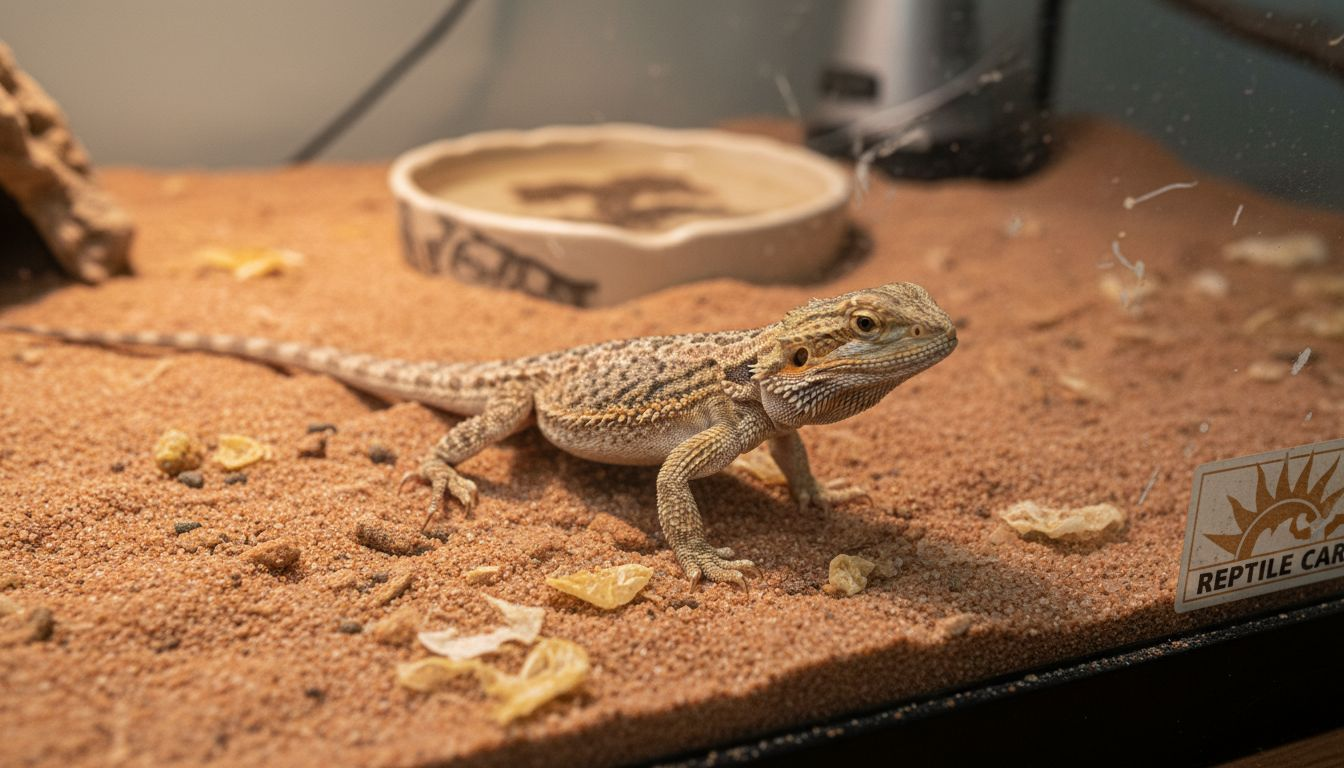
Temperature regulation is another crucial factor. Bearded dragons require specific heat gradients to properly metabolize food and maintain efficient digestive processes. When environmental temperatures are too low, digestion slows dramatically, increasing the likelihood of material becoming trapped in the digestive tract.
Feeding practices significantly impact impaction risks. Owners must carefully select prey size, ensuring food items are no larger than the space between the dragon’s eyes. Improper prey selection can lead to partial blockages or complete digestive tract obstruction.
Substrate choice and feeding practices are the two most critical factors in preventing bearded dragon impaction.
Pro tip: Use reptile-safe, non-particulate substrates like slate tiles or newspaper to dramatically reduce impaction risks.
Here’s how common impaction causes and their prevention compare:
| Cause of Impaction | How It Affects Dragons | Best Prevention Method |
|---|---|---|
| Loose substrate ingestion | Can block digestive passage | Use solid surfaces like tiles |
| Oversized prey | May obstruct intestinal tract | Feed prey smaller than head width |
| Low temperatures | Slows digestion, raises risk | Maintain proper heat gradients |
| Poor hydration | Feces become hard to pass | Provide regular fresh water |
| Calcium deficiency | Weakens digestive muscles | Supplement with reptile calcium |
Symptoms and Warning Signs to Watch
Recognizing the early signs of impaction can mean the difference between a quick recovery and a potentially life-threatening situation for your bearded dragon. Critical clinical symptoms require immediate attention and careful monitoring.
The most prominent warning signs of potential impaction include:
- Reduced or complete loss of appetite
- Dramatic decrease in activity levels
- Visible abdominal swelling or discoloration
- Straining during bowel movements
- Unusual posture or walking difficulties
- Lack of consistent fecal output
- Visible discomfort when attempting to defecate
Digestive Distress manifests through several observable behaviors. Your bearded dragon might display unusual lethargy, spending more time in cooler areas of the enclosure and showing minimal interest in food or interaction. This sudden behavioral change often signals underlying digestive complications.
Physical symptoms can be particularly telling. Abdominal swelling might appear gradually, with your dragon’s belly becoming visibly distended or feeling unusually hard when gently touched. Some dragons might demonstrate discomfort by repeatedly attempting to pass waste without success, indicating a potential blockage in their digestive tract.
Early detection of impaction symptoms can significantly improve treatment outcomes and prevent severe health complications.
Pro tip: Perform a gentle belly check weekly, feeling for any unusual hardness or swelling that could indicate early stages of impaction.
The following table summarizes signs by symptom type and urgency:
| Symptom Type | Examples | Urgency Level |
|---|---|---|
| Digestive | Loss of appetite, swelling | High—see vet quickly |
| Behavioral | Lethargy, strange posture | Moderate—monitor |
| Elimination | Straining, no feces output | High—needs attention |
| Physical | Abdominal hardness or color | High—seek vet care |
Treatment and Vet Care Options
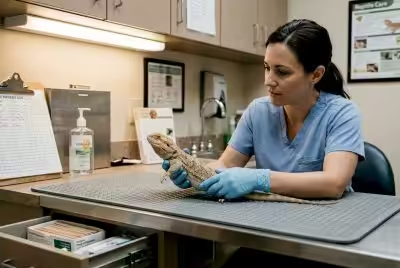
Addressing bearded dragon impaction requires prompt and specialized veterinary intervention. Veterinary treatment approaches vary depending on the severity and specific circumstances of the digestive blockage.
The primary treatment options for impaction include:
- Manual material extraction
- Diagnostic imaging (X-rays or ultrasound)
- Hydration therapy
- Medicinal interventions
- Potential surgical procedures
- Supportive nutritional care
- Pain management strategies
Diagnostic Procedures typically begin with a comprehensive physical examination and detailed medical history. Veterinarians will likely perform imaging tests to determine the exact location and nature of the impaction. X-rays can reveal the precise position of blockage materials and help veterinarians develop the most effective treatment strategy.
Conservative treatment methods often involve carefully administered laxatives, gentle fluid therapies, and specialized massage techniques designed to help move blocked materials through the digestive tract. In less severe cases, veterinarians might recommend a combination of hydration, gentle manipulation, and carefully monitored dietary adjustments to resolve the impaction.
Immediate veterinary consultation is crucial when impaction symptoms are detected to prevent potentially life-threatening complications.
Pro tip: Always maintain a trusted reptile veterinarian’s contact information readily available for emergency situations involving your bearded dragon.
Prevention Strategies and Safe Practices
Preventing impaction requires a comprehensive approach to bearded dragon care, focusing on multiple aspects of habitat and nutrition. Safe husbandry practices are critical in maintaining your dragon’s digestive health and overall well-being.
Key prevention strategies include:
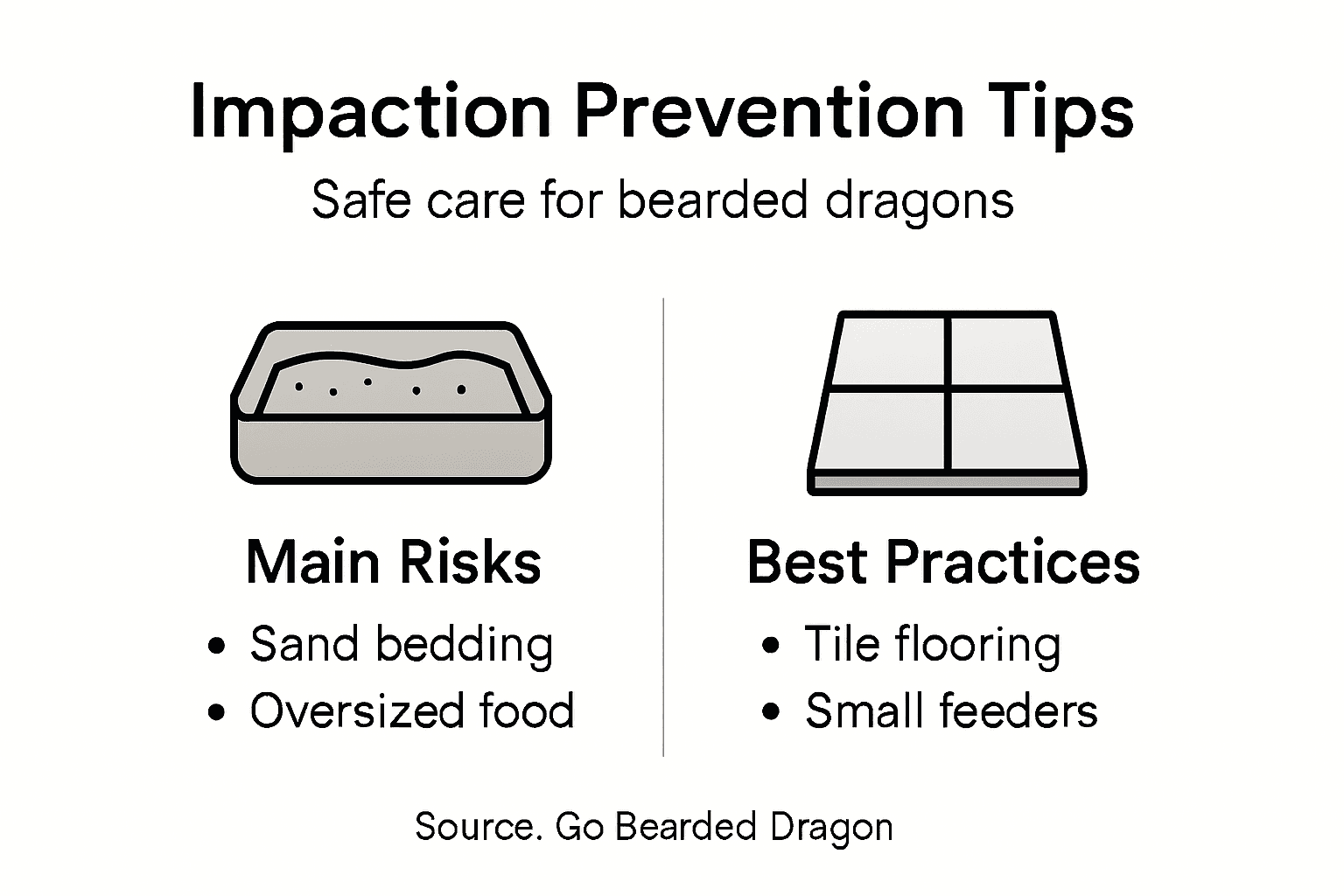
- Using safe, non-particulate substrates
- Maintaining proper habitat temperature
- Providing balanced nutritional intake
- Ensuring adequate hydration
- Controlling prey size during feeding
- Regular veterinary check-ups
- Monitoring dietary calcium levels
Substrate Selection is perhaps the most crucial prevention strategy. Loose substrates like sand can easily accumulate in a dragon’s digestive tract, creating significant impaction risks. Owners should opt for solid surfaces such as ceramic tiles, reptile carpet, or newspaper that eliminate the possibility of accidental ingestion during feeding.
Temperature management plays a vital role in digestive health. Bearded dragons require specific temperature gradients to properly metabolize food and maintain efficient digestive processes. Maintaining correct basking and cool zone temperatures helps ensure optimal metabolic function and reduces the likelihood of digestive complications.
Consistent habitat maintenance and careful feeding practices are your primary defense against impaction risks.
Pro tip: Create a standardized feeding area with smooth, easy-to-clean surfaces to minimize substrate contamination and accidental material ingestion.
Common Mistakes and Misconceptions
Bearded dragon owners often fall into dangerous traps that can significantly increase the risk of impaction. Substrate misconceptions are among the most critical misunderstandings in reptile care.
Common misconceptions about bearded dragon care include:
- Believing all substrates are equally safe
- Assuming juveniles can handle complex diets
- Overlooking calcium supplementation importance
- Thinking larger prey items are acceptable
- Ignoring temperature gradient requirements
- Neglecting regular veterinary check-ups
- Misunderstanding hydration needs
Substrate Selection remains a primary area of confusion. Many owners mistakenly believe that loose substrates mimicking natural habitats are appropriate, not realizing that captive environments concentrate waste and dramatically increase ingestion risks. The confined space of a terrarium creates entirely different conditions compared to wild environments.
Feeding practices often lead to serious misconceptions. Juvenile bearded dragons are particularly vulnerable to impaction, yet many owners continue to offer prey items that are too large or feed inconsistently. Overfeeding and improper nutritional practices can trigger compensatory behaviors like substrate ingestion, creating a dangerous cycle of potential health complications.
Not all substrates that look natural are safe for your bearded dragon’s digestive system.
Pro tip: Always consult with a reptile veterinarian about specific dietary and habitat requirements for your individual bearded dragon.
Protect Your Bearded Dragon from Impaction Risks Today
Bearded dragon impaction is a serious challenge that requires prompt attention to avoid life-threatening complications. If you want to safeguard your pet from digestive blockages caused by unsafe substrates, improper feeding, or poor habitat conditions learning about safe husbandry practices and effective prevention strategies is essential. Bold steps like choosing the right substrate and controlling prey size can make all the difference.

Visit Go Bearded Dragon now to access trusted guides on substrate choices, temperature management, and nutrition. Discover expert tips in our detailed care articles and equip yourself with the knowledge to spot early impaction symptoms before they escalate. Don’t wait for a crisis—empower yourself today with practical answers and keep your dragon thriving with confidence.
Frequently Asked Questions
What is bearded dragon impaction?
Bearded dragon impaction occurs when undigestible materials become trapped in the digestive tract, leading to blockages that can cause serious health issues if untreated.
What are the primary causes of bearded dragon impaction?
The main causes include ingesting loose substrate materials (like sand), consuming oversized prey items, and poor habitat temperature conditions that slow digestion.
How can I prevent impaction in my bearded dragon?
Preventive measures include using safe, non-particulate substrates like tiles, maintaining proper habitat temperatures, providing appropriately sized prey, ensuring adequate hydration, and regular veterinary check-ups.
What are the symptoms of impaction in bearded dragons?
Common symptoms include reduced appetite, lethargy, visible abdominal swelling, straining during bowel movements, and a lack of consistent fecal output.
Recommended
- Bearded Dragon Escape Prevention Guide for Safe Habitats – Go BEARDED DRAGON
- How to Handle Bearded Dragon Safely for Stress-Free Bonding
- Complete Guide to Bearded Dragon Eye Issues