Adenovirus in bearded dragons: symptoms and care guide
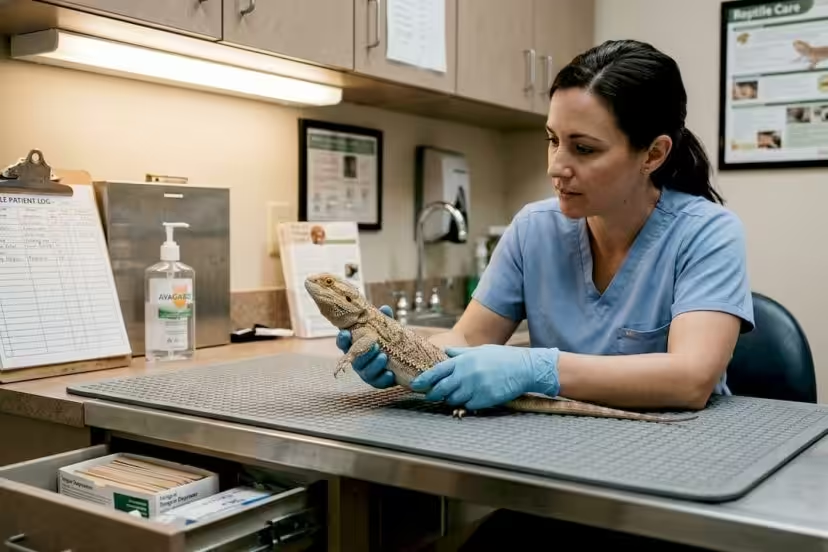
Many bearded dragon owners believe their pet is perfectly healthy, but up to 56.8% of healthy-looking dragons silently carry adenovirus. This species-specific viral infection spreads through fecal-oral contact, often without visible symptoms. Understanding adenovirus symptoms, testing methods, and prevention strategies protects your dragon and any collection you maintain. This guide explains what adenovirus is, how to detect carriers, and practical steps to manage infection risk while supporting your pet’s immune health through optimal husbandry practices.
Table of Contents
- Key takeaways
- Understanding adenovirus in bearded dragons
- Recognizing symptoms and diagnosis methods
- Managing adenovirus and preventing spread
- Understanding prevalence and implications for breeders
- Enhance your bearded dragon care
- Frequently asked questions
Key Takeaways
| Point | Details |
|---|---|
| Silent carrier prevalence | Up to about half of healthy looking dragons silently carry adenovirus. |
| PCR testing main method | PCR on cloacal swabs is the most reliable non invasive test to detect active infection or carrier status. |
| Stress worsens disease | Stress and co infections can trigger reactivation and worsen outcomes in infected dragons. |
| Species specific to agamids | Adenovirus targets agamid lizards and does not infect humans or other pet species. |
| Husbandry prevents spread | Proper husbandry and routine testing help prevent spread within collections. |
Understanding adenovirus in bearded dragons
Agamid adenovirus 1 is a DNA virus that specifically targets agamid lizards like Pogona vitticeps. The virus replicates primarily in intestinal mucosa, liver cells, and bile ducts, where it can cause cellular damage and inflammation. Since its first documentation in captive populations in 1982, adenovirus has become endemic in breeding facilities and private collections worldwide.
The virus spreads efficiently through direct contact with infected feces, contaminated surfaces, and shared equipment. High prevalence rates in captive juveniles and adults create a persistent reservoir of infection. Many dragons become carriers after exposure during their juvenile period, shedding virus intermittently throughout their lives without showing clinical signs.
Key characteristics of adenovirus in bearded dragons include:
- Species specificity to agamids prevents transmission to humans or other pet species
- Silent carrier state allows healthy-appearing dragons to spread infection
- Persistence in liver and intestinal tissues creates lifelong infection potential
- Environmental stability enables virus survival on surfaces for extended periods
- Stress-triggered reactivation causes intermittent viral shedding in carriers
Understanding these biological features helps owners recognize why routine screening matters, especially when introducing new dragons to existing collections. The virus’s ability to remain dormant makes visual health assessment unreliable for detecting infected individuals. This silent transmission pattern contributes to widespread prevalence across captive populations, making reptile parasites and health monitoring essential for responsible ownership.
Recognizing symptoms and diagnosis methods
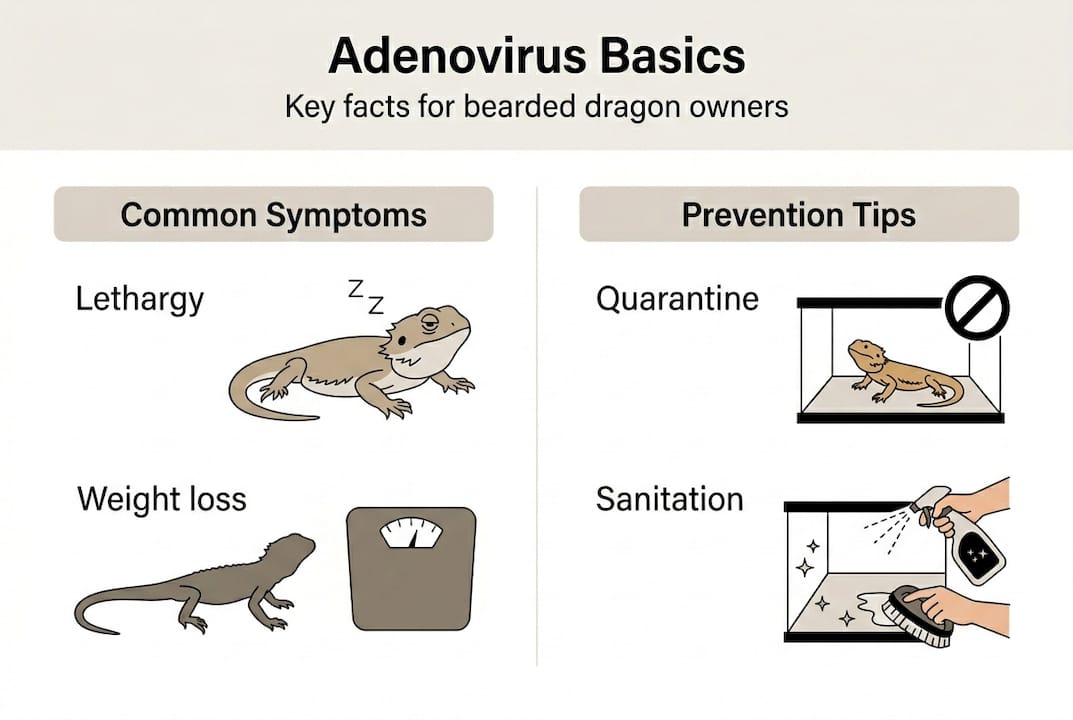
Clinical signs of adenovirus infection vary dramatically between individuals. Some dragons develop obvious illness while others remain completely asymptomatic despite active infection. Symptomatic dragons may display lethargy, reduced appetite, weight loss, and digestive disturbances including diarrhea or regurgitation. Severe cases can progress to liver failure, neurological symptoms, or sudden death in juveniles.
The challenge with adenovirus lies in its asymptomatic carrier state. Healthy-appearing dragons can harbor and shed virus for years without owners suspecting infection. These silent carriers pose the greatest transmission risk in collections and breeding operations. Visual health assessment alone cannot identify carriers, making laboratory testing the only reliable detection method.
Diagnosis via PCR testing on cloacal swabs offers a non-invasive, highly sensitive method to detect active infection or carrier status. Quantitative PCR provides the most accurate results, identifying viral DNA in fecal samples with minimal stress to the animal. This testing approach has largely replaced older methods like viral culture or electron microscopy due to its speed, accuracy, and accessibility.
Diagnostic options include:
- qPCR on cloacal swabs detects viral DNA with high sensitivity
- Fecal PCR identifies virus in droppings for carrier screening
- Histopathology reveals characteristic viral inclusions in liver tissue post-mortem
- Blood chemistry panels show elevated liver enzymes in symptomatic cases
- Clinical examination identifies secondary symptoms but cannot confirm adenovirus
Regular health check protocols should incorporate adenovirus screening, particularly for breeding animals or new acquisitions. Testing before introducing dragons to established collections prevents outbreak scenarios. Early detection allows owners to implement isolation measures and supportive care before symptoms develop or spread occurs.
Managing adenovirus and preventing spread
No specific antiviral treatment exists for adenovirus in bearded dragons, making supportive care and prevention the primary management strategies. Infected dragons benefit from optimal husbandry that minimizes stress and supports immune function. Temperature gradients, proper lighting, adequate hydration, and nutritious diet form the foundation of supportive care.
Stress weakens immunity, increasing viral replication and symptom severity in infected dragons. Co-infections with parasites like coccidia or bacterial pathogens compound the problem, creating a cascade of immune compromise. Managing these concurrent infections through veterinary treatment improves outcomes for adenovirus carriers. Fecal testing for parasites should accompany adenovirus screening to identify treatable co-infections.

Biosecurity measures prevent viral spread in multi-dragon households and breeding facilities. Strict quarantine protocols for new arrivals, lasting at least 90 days with negative PCR testing, reduce introduction risk. Separate feeding equipment, water dishes, and handling tools for each enclosure prevent cross-contamination. Regular disinfection using appropriate virucidal agents disrupts environmental transmission.
Prevention strategies include:
- Quarantine new dragons for 90 days with PCR testing before introduction
- Disinfect enclosures weekly using 10% bleach solution or commercial virucides
- Maintain separate equipment for each dragon to prevent fecal-oral transmission
- Monitor body weight and appetite weekly to detect early illness signs
- Provide optimal thermal gradients and UVB lighting to support immune health
- Ensure adequate hydration through regular soaking and fresh water access
Pro Tip: Create a dedicated quarantine space away from your main collection with separate equipment and strict hand washing protocols. Test new dragons at 30, 60, and 90 days post-arrival to account for intermittent shedding patterns before considering them safe to introduce.
Nutrition plays a crucial role in supporting infected dragons. High-quality protein sources, gut-loaded insects, and appropriate calcium supplementation maintain body condition during chronic infection. Some owners report benefits from immune-supporting supplements, though scientific evidence remains limited. Focus on proven husbandry fundamentals rather than unverified treatments.
Understanding prevalence and implications for breeders
Adenovirus prevalence data reveals concerning patterns in captive populations. Studies show approximately 40% of juveniles under 18 months test positive, with some research reporting up to 56.8% of healthy-appearing dragons carrying the virus. Adult dragons show lower but still significant carrier rates around 8%, suggesting either mortality of heavily infected individuals or reduced shedding with age.
These high prevalence rates in juveniles indicate early transmission, likely from breeding stock or clutch mates during the vulnerable hatchling period. Young dragons face greater mortality risk from adenovirus due to immature immune systems. Breeders who neglect testing create reservoir populations that continuously seed new infections into the pet trade.
Controversy exists within breeding communities regarding routine adenovirus screening. Some breeders view testing as unnecessary expense, arguing that asymptomatic carriers pose minimal risk. This perspective ignores the ethical responsibility to buyers and the broader impact on captive population health. Responsible breeders implement comprehensive testing protocols, removing positive individuals from breeding programs or clearly disclosing carrier status to buyers.
| Age Group | Prevalence Rate | Clinical Significance |
|---|---|---|
| Hatchlings (0-6 months) | 35-45% | Highest mortality risk, maternal transmission likely |
| Juveniles (6-18 months) | 38-42% | Active shedding period, growth impacts |
| Adults (18+ months) | 8-15% | Chronic carriers, breeding stock concern |
| Breeding Stock (untested) | Unknown, potentially 50%+ | Major transmission source to offspring |
Routine qPCR screening benefits breeding operations by identifying carriers before reproduction. This allows breeders to make informed decisions about which animals to breed, reducing vertical transmission to offspring. Quarantine protocols combined with regular testing create cleaner colonies over time, improving offspring survival rates and reducing disease pressure.
Pro Tip: If purchasing from a breeder, request PCR test results for both parents dated within 60 days of purchase. Reputable breeders maintain testing records and willingly share health documentation. Avoid purchasing from facilities that refuse testing or dismiss adenovirus concerns as overblown.
Education initiatives within the breeding community encourage adoption of testing standards and transparent health reporting. As buyer awareness increases, market pressure incentivizes breeders to implement screening programs. This cultural shift toward evidence-based practices benefits individual pet owners and the broader captive population by reducing disease prevalence. Understanding common parasites and their impacts helps owners make informed decisions when selecting healthy dragons.
Enhance your bearded dragon care
Protecting your bearded dragon from adenovirus and other health challenges requires consistent monitoring and optimal husbandry practices. Our comprehensive health check guide walks you through weekly assessment protocols to catch early warning signs before they become serious problems. Regular health monitoring combined with preventive testing creates the foundation for long-term wellness.

Supporting your dragon’s immune system through proper nutrition makes a measurable difference in disease resistance. Explore our nutrition supplements guide to understand which vitamins and minerals boost immune function and overall vitality. Environmental factors also play a crucial role in stress reduction. Our humidity management resource helps you maintain optimal conditions that support respiratory health and reduce infection risk. These tools empower you to provide exceptional care that minimizes disease impact and maximizes your dragon’s quality of life.
Frequently asked questions
Is adenovirus contagious between bearded dragons?
Yes, adenovirus spreads readily through fecal-oral transmission when dragons share enclosures, water dishes, or equipment. The virus survives on surfaces for extended periods, making indirect transmission common even without direct contact. Strict quarantine and hygiene practices prevent spread in multi-dragon households.
Can a bearded dragon recover fully from adenovirus?
Some dragons clear active infection with supportive care, but many become lifelong carriers that intermittently shed virus. Recovery depends on infection severity, age at exposure, and presence of co-infections. Even recovered dragons may harbor dormant virus that reactivates during stress periods.
How often should I test my bearded dragon for adenovirus?
Test new dragons at 30, 60, and 90 days post-acquisition before introducing them to existing collections. Annual screening for breeding stock identifies carriers before reproduction. Retest any dragon showing unexplained lethargy, weight loss, or digestive symptoms regardless of previous negative results.
Does stress influence adenovirus infection severity?
Stress significantly worsens adenovirus outcomes by suppressing immune function and triggering viral reactivation in carriers. Poor husbandry, inadequate temperatures, improper lighting, and nutritional deficiencies create chronic stress that amplifies disease progression. Optimal environmental conditions minimize stress and support immune resilience.
What disinfectants effectively kill adenovirus on surfaces?
Use 10% bleach solution, allowing 10 minutes contact time, or commercial virucidal disinfectants labeled effective against non-enveloped viruses. Quaternary ammonium compounds and alcohol-based cleaners show limited effectiveness against adenovirus. Thoroughly clean organic material before disinfecting, as debris shields virus from chemical contact.