Bearded Dragon Morphs: The Complete Guide
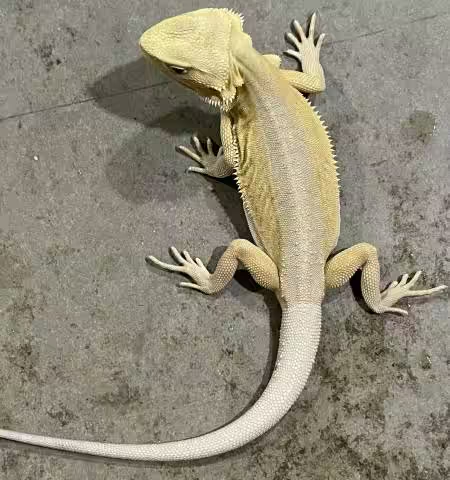
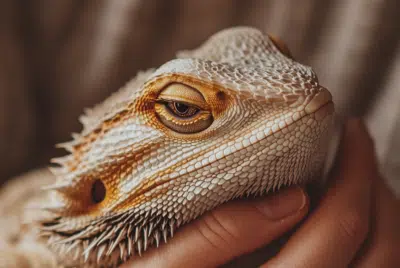
A bearded dragon morph is a dragon with a color, pattern, scale type or size that differs from the wild form. Almost every morph you see for sale is a Central bearded dragon (Pogona vitticeps). A morph is not a separate species, so the basic care is the same for all of them. A few morphs need extra attention, above all the scaleless and translucent ones.
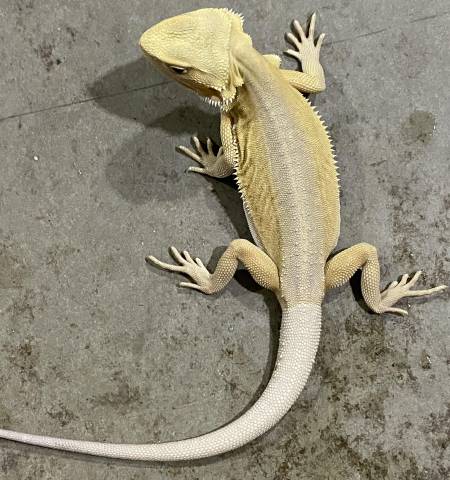
This guide explains how morphs are inherited, lists the most common ones with links to our detailed care guides, and shows which morphs need special care.
How Bearded Dragon Morphs Are Inherited
Morphs come from two kinds of genetics:
- Single-gene traits follow clear rules. A recessive trait (such as hypo, translucent, zero or witblits) only shows when a dragon gets the gene from both parents. A dragon with one copy looks normal but can pass it on; breeders call it “het”. An incomplete dominant trait (such as leatherback) shows with one copy and becomes stronger with two copies.
- Line-bred traits such as red, citrus, blue and large size are not one gene. Breeders get them by pairing the most colorful or largest dragons over many generations.
Many dragons combine several traits. A “hypo trans leatherback”, for example, carries three traits at once. Our bearded dragon morph genetics guide explains het odds, dunner, wero and paradox.
🦎 Want all the essentials on one printable page?
The Complete Bearded Dragon Care Plan puts daily routines, feeding charts, safe vs. toxic foods and vet red flags into one 16-page PDF for $7.99.
See the Care Plan →Common Bearded Dragon Morphs at a Glance
| Morph | Type of trait | What it changes | Care note |
|---|---|---|---|
| Leatherback | Incomplete dominant (one copy) | Smaller, smoother scales | More prone to water loss than normals |
| Silkback | Incomplete dominant (two copies) | No scales at all | Needs extra hydration, shade and gentle decor |
| Translucent | Recessive | See-through skin, dark eyes, bluish belly in babies | Watch the eyes closely |
| Zero | Recessive | No pattern, white to silver-grey | Standard care |
| Witblits | Recessive | No pattern, pale body with color | Standard care |
| Albino | Rare | Little or no pigment, light eyes | Sensitive to bright light |
| Blue | Line-bred, with translucent or hypo genes | Bluish tint, not true blue | Standard care |
| Citrus | Line-bred | Bright yellow to orange | Standard care |
| Red | Line-bred | Red to deep red coloring | Standard care |
| Red Monster | Line-bred | Intense red line | Buy from a careful breeder |
| German Giant | Line-bred size | Larger than average | Needs a bigger enclosure and more food |
Scale Morphs: Leatherback and Silkback
Scale morphs change the skin as well as the color. A leatherback bearded dragon has one copy of the gene and smaller, flatter scales. A silkback bearded dragon has two copies and no scales at all. Research shows that scaleless dragons lose water faster than scaled ones, so silkbacks need more hydration care and protection from scratches. We look at the ethics of this morph in are silkback bearded dragons cruel?
Pattern and Pigment Morphs
Translucent dragons have see-through skin in places and solid dark eyes. The zero morph and the witblits morph have no pattern at all. True albino bearded dragons are rare, and many pale dragons sold as albino turn out to be hypo, zero or witblits.
Color Morphs: Red, Citrus and Blue
Color morphs are line-bred. Red bearded dragons and the deep red Red Monster line come from years of selective pairing, as do citrus bearded dragons. Blue bearded dragons get their bluish tint from translucent and hypo genetics; no bearded dragon has true blue coloring.
Size Morphs: German Giant
The German Giant is a size line rather than a color. These dragons grow larger than average, so plan for a larger enclosure from the start.
Do Morphs Need Different Care?
Most morphs need the same care as a normal bearded dragon: the right enclosure, UVB and basking setup and diet. The exceptions are scaleless silkbacks, which lose water faster and scratch more than scaled dragons, and translucent or albino dragons, whose eyes can be more sensitive. Read more in our guide to morph health risks. Whatever morph you choose, a healthy dragon from a careful breeder matters more than its color.
Want all the basics in one place? The Complete Bearded Dragon Care Plan covers daily routines, feeding charts and vet red flags for every morph. Planning to buy? Start with how to buy a bearded dragon morph.
FAQs
1. What is the rarest bearded dragon morph?
A: True albinos are among the rarest. Scaleless silkbacks and some multi-trait combinations are also hard to find.
2. Are blue bearded dragons real?
A: Dragons with a bluish tint are real, but no bearded dragon has true blue coloring. The blue look comes from translucent and hypo genetics and fades with age in many dragons.
3. Which bearded dragon morph is best for beginners?
A: Normal, hypo, citrus or red dragons with scales are the easiest. Avoid silkbacks as a first dragon because their skin needs extra care.
4. Is a morph a different species?
A: No. Almost all morphs are Central bearded dragons. Separate species include the Rankin’s dragon; see our bearded dragon species guide.

Love your beardie? Wear it proudly.
I'm in Beardie Mode Tee – from $15.83. Our own bearded dragon designs, printed on demand. Every order supports these free care guides.
View this design → Browse all gifts