Complete Guide to Bearded Dragon Eye Issues

Most eye problems in bearded dragons start with something in the enclosure: dust or sand in the eye, stuck shed, a scratch from rough decor, or UVB that is too strong or too close. Infections, vitamin A deficiency and parasites follow further behind. Swollen, cloudy or closed eyes for more than a day, or any discharge, need a reptile vet. Do not use human eye drops.
Table of Contents
- Normal Eyes and When to Worry
- Common Eye Conditions
- Symptoms and Causes
- Diagnosis and Vet Care
- Treatment and Safe Home Care
- Prevention
🦎 Want all the essentials on one printable page?
The Complete Bearded Dragon Care Plan puts daily routines, feeding charts, safe vs. toxic foods and vet red flags into one 16-page PDF for $7.99.
See the Care Plan →Key Takeaways
| Point | Details |
|---|---|
| Normal quirks | Eye bulging during a shed and short naps with closed eyes are normal. |
| Common causes | Debris and dust, stuck shed, scratches, UVB problems, infection and vitamin A deficiency. |
| When to see a vet | Discharge, swelling, cloudiness, or eyes kept closed during the day for more than 24 hours. |
| Home care | Sterile saline is the safe rinse. No human eye drops and no vitamin A supplements without a vet. |
Normal Eyes and When to Worry
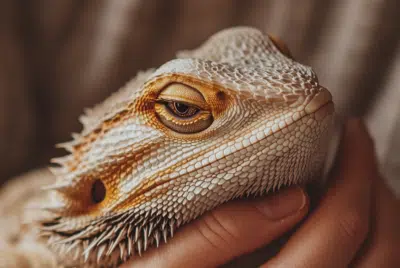
A healthy bearded dragon has bright, open, clear eyes during the day and follows movement around the room. Bearded dragons also have a third or parietal eye on top of the head, which senses light and shadow but does not form images.
Some eye behavior looks alarming but is normal:
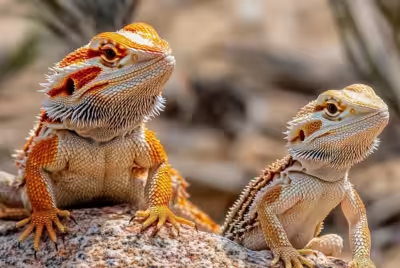
- Eye bulging: dragons push their eyes outward for a few seconds, often before or during a shed, to loosen the skin around the eyes.
- Closed eyes while basking: a relaxed dragon may doze under the lamp.
- Brumation: in winter, a dragon may keep its eyes closed for days while resting.
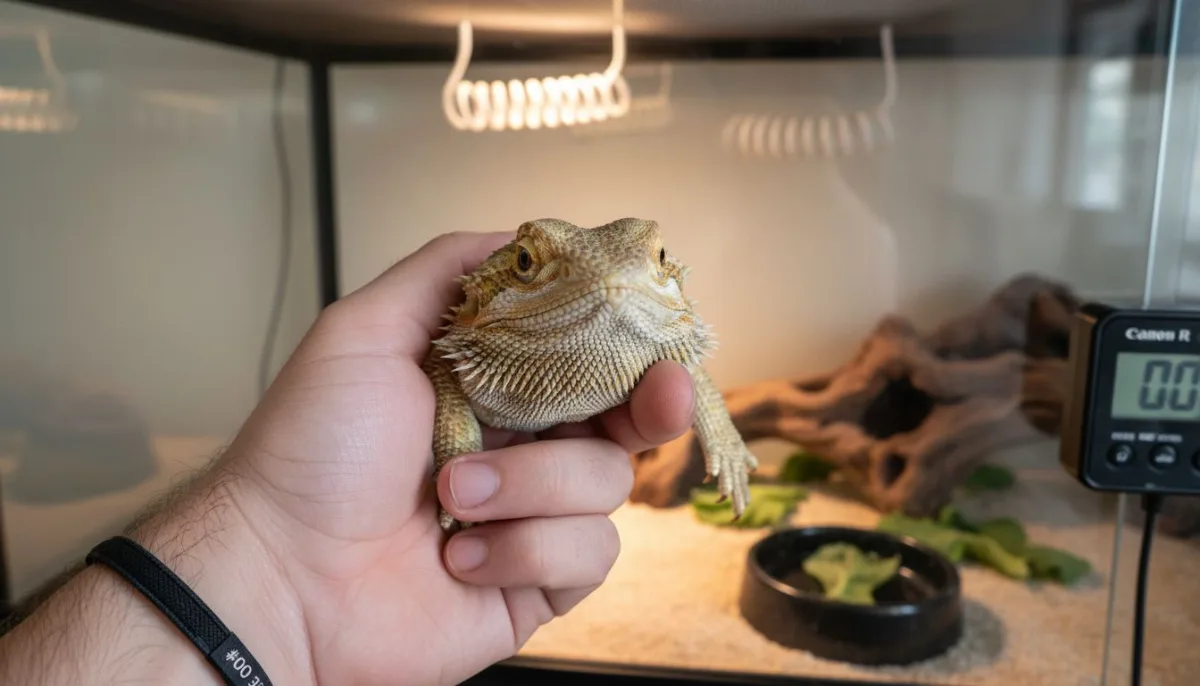
Worry when one or both eyes stay closed during active hours, look swollen or sunken, turn cloudy, or show discharge.
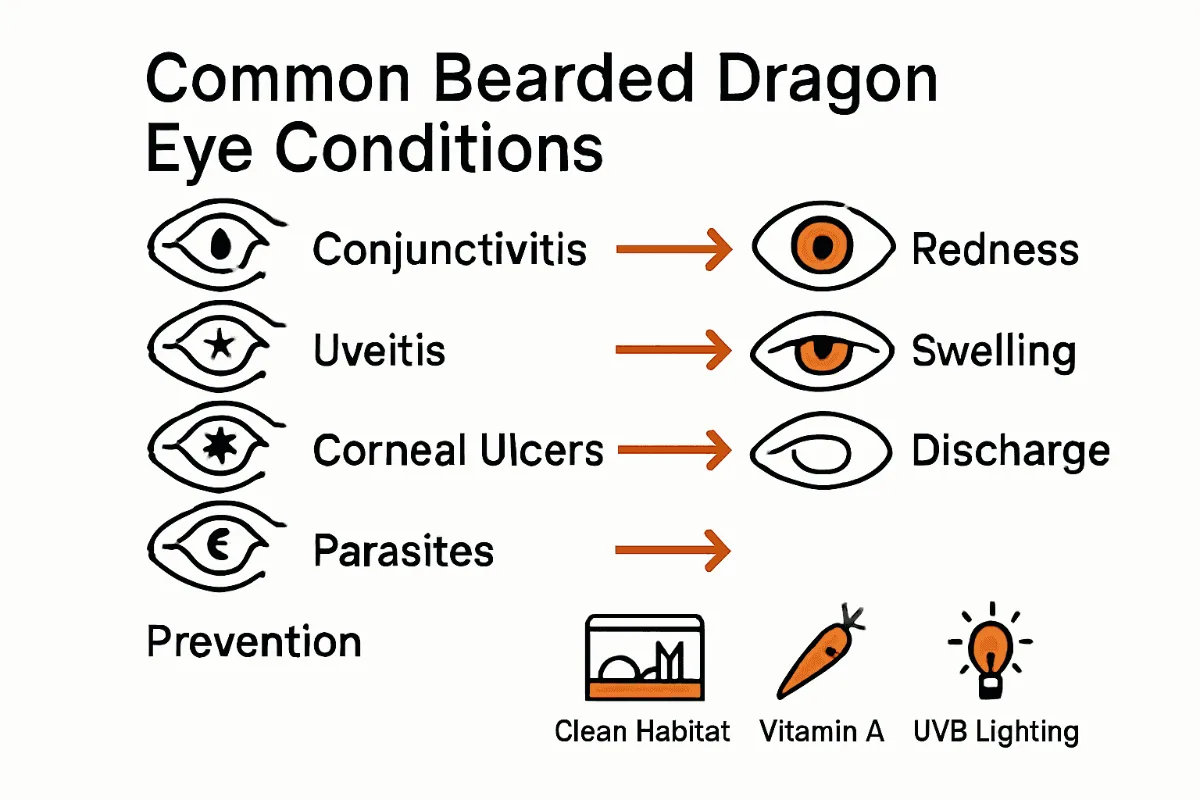
Common Eye Conditions
An overview from The Pet Enthusiast lists the same conditions vets see most often:
- Foreign bodies: sand, substrate dust or a bit of food stuck under the eyelid. The eye waters and your dragon rubs its face.
- Stuck shed: old skin around the eyelids can trap debris and irritate the eye.
- Corneal scratches and ulcers: injuries from rough decor, crickets or another dragon. The eye turns cloudy and stays closed.
- Conjunctivitis: inflamed, red tissue around the eye, often with discharge.
- Abscesses: a firm swelling near the eye from a bacterial infection, which needs a vet to drain.
- UVB eye damage: some poor-quality bulbs, or bulbs placed too close, often compact coil types, can cause sore, closed eyes within days.
- Vitamin A deficiency: swollen eyelids and poor shedding in dragons fed a narrow diet without vegetables.
Symptoms and Causes
Watch for:
- white, yellow or green discharge
- swelling of the eyelids or around the eye
- cloudiness of the eye surface
- squinting or one eye kept closed
- rubbing the face on decor or the floor
- sunken eyes, which point to dehydration
Check your setup for the common causes:
- Substrate: fine sand and dusty substrates get into the eyes.
- UVB: a new bulb, a bulb too close to the basking spot or a compact coil bulb can irritate the eyes. Aim for a UV index of 4 to 6 at the basking spot, as explained in our UV index guide.
- Hygiene: dirty enclosures and old food raise the risk of infection.
- Diet: dragons need beta-carotene from orange and green vegetables such as squash, carrots and dark greens.
- Hydration: dehydrated dragons develop sunken eyes and stuck shed around the eyes.
Diagnosis and Vet Care
A reptile vet will look at the eye with magnification and may:
- flush the eye to remove debris
- stain the cornea with fluorescein dye to find scratches and ulcers
- take a swab of the discharge to identify bacteria
- run blood work or X-rays if the vet suspects a wider illness
Bring photos of the eye from the last few days and a description of your setup: bulb type and age, basking temperature, substrate and diet. The cause often sits in one of those details.
Treatment and Safe Home Care
Reptile Craze and most reptile vets describe the same treatments:
- Eye drops or ointment with an antibiotic, prescribed by the vet
- Oral or injected antibiotics for deeper infections or abscesses
- Pain relief and anti-inflammatory drugs where needed
- Vitamin A when the vet diagnoses a deficiency, and not otherwise. Too much vitamin A from supplements damages the skin and liver.
Safe things you can do at home:
- Rinse the eye with sterile saline (contact lens saline without additives) to flush out dust or sand.
- Offer a lukewarm bath to soften stuck shed around the eyes. Do not pull shed off the eyelids.
- Switch to paper towels while the eye heals.
- Keep the humidity in a normal range and the enclosure clean.
- If the problem started after a bulb change, turn off the new UVB bulb and contact your vet.
Do not use human eye drops, tea bags, honey or chamomile in your dragon’s eyes.
Prevention
The Pet Genius guide and our own care guides point to the same habits:
- Clean enclosure: remove poop and old food every day.
- Dust-free substrate: tile, paper towels or a packed soil and sand mix.
- Correct UVB: a linear UVB tube at the right distance, replaced on schedule.
- Varied vegetables: squash, carrots, collard and mustard greens supply beta-carotene.
- Hydration: baths and misted greens keep the skin around the eyes supple for shedding.
- Weekly eye check: look at both eyes in good light once a week.
Our health checklist covers the rest of a weekly check.
Frequently Asked Questions
What are the common symptoms of eye problems in bearded dragons?
Discharge, swelling, cloudiness, squinting, rubbing the face and eyes kept closed during the day. Short eye bulging during a shed is normal.
How can I prevent eye issues in my bearded dragon?
Use a dust-free substrate, keep the enclosure clean, set up a linear UVB tube at the right distance, feed varied vegetables and give regular baths.
What are the main causes of eye problems in bearded dragons?
Debris and sand, stuck shed, scratches, UVB that is too strong or of poor quality, bacterial infection and vitamin A deficiency.
When should I seek veterinary care for my bearded dragon’s eye issue?
Go to a vet if you see discharge, swelling or cloudiness, or if an eye stays closed during the day for more than 24 hours.

Love your beardie? Wear it proudly.
I'm in Beardie Mode Tee – from $15.83. Our own bearded dragon designs, printed on demand. Every order supports these free care guides.
View this design → Browse all gifts