Why Dragons Need Routine Vet Care for Long Life
Watching your bearded dragon explore its habitat is rewarding, but unexpected changes in appetite, behavior, or skin can quickly stir concern. For first-time reptile owners, understanding the unique needs of these exotic pets is the foundation of long-term wellness. Consistent vet visits, specialized diagnostic techniques, and a watchful eye for subtle signs of illness help prevent serious problems and support a healthy, active companion for years to come.
Table of Contents
- Routine Vet Care For Bearded Dragons Explained
- Common Preventable Health Issues In Dragons
- Recognizing Early Signs Of Illness And Stress
- What To Expect During A Vet Visit
- How Routine Vet Care Extends Lifespan And Wellness
Key Takeaways
| Point | Details |
|---|---|
| Routine Vet Checkups | Regular veterinary examinations are essential for early detection of health issues in bearded dragons. |
| Preventative Health Care | Investing in preventative care, including nutritional assessments and parasite screenings, is more cost-effective than treating advanced conditions. |
| Observation of Behavior | Owners should closely monitor their dragon’s behavior and physical condition to identify subtle signs of stress or illness. |
| Record Keeping | Maintaining a detailed health journal of your bearded dragon’s habits and veterinary visits supports effective health management and tracking. |
Routine Vet Care for Bearded Dragons Explained
Maintaining your bearded dragon’s health requires more than just basic habitat care. Regular veterinary checkups are crucial for catching potential issues early and ensuring your scaly companion lives a long, happy life. Veterinary care for bearded dragons involves specialized knowledge and proactive monitoring.
Bearded dragons require unique medical attention compared to traditional pets. Their exotic nature means veterinarians need specific expertise to diagnose and treat potential health problems. Here are key reasons why routine vet care matters:
- Early detection of metabolic diseases
- Comprehensive physical examinations
- Nutritional assessment and dietary guidance
- Parasite screening
- Monitoring overall reptile health
During a typical veterinary checkup, your exotic pet specialist will conduct a thorough examination. This includes checking your dragon’s weight, body condition, skin health, and potential signs of underlying diseases. Preventative care is significantly more cost-effective than treating advanced medical conditions.
Diagnostic techniques play a critical role in maintaining your bearded dragon’s wellness. Blood tests, fecal examinations, and physical assessments help veterinarians understand your pet’s current health status and predict potential future issues.
Pro tip: Schedule an annual veterinary checkup and keep a detailed health journal to track your bearded dragon’s development and any changes in behavior or appearance.
Common Preventable Health Issues in Dragons
Bearded dragons are prone to several health conditions that can be effectively managed through proactive care and early detection. Preventable health complications require consistent monitoring and understanding of potential risks specific to these unique reptiles.
Common health issues that bearded dragon owners should watch for include:
- Metabolic bone disease
- Respiratory infections
- Parasitic infestations
- Digestive impactions
- Skin and scale problems
- Eye infections
Metabolic bone disease represents a significant concern for bearded dragons. This condition develops when dragons do not receive adequate calcium or proper UVB lighting, leading to weakened bone structures and potential permanent damage. Proper nutrition and habitat management can dramatically reduce the risk of these serious health complications.
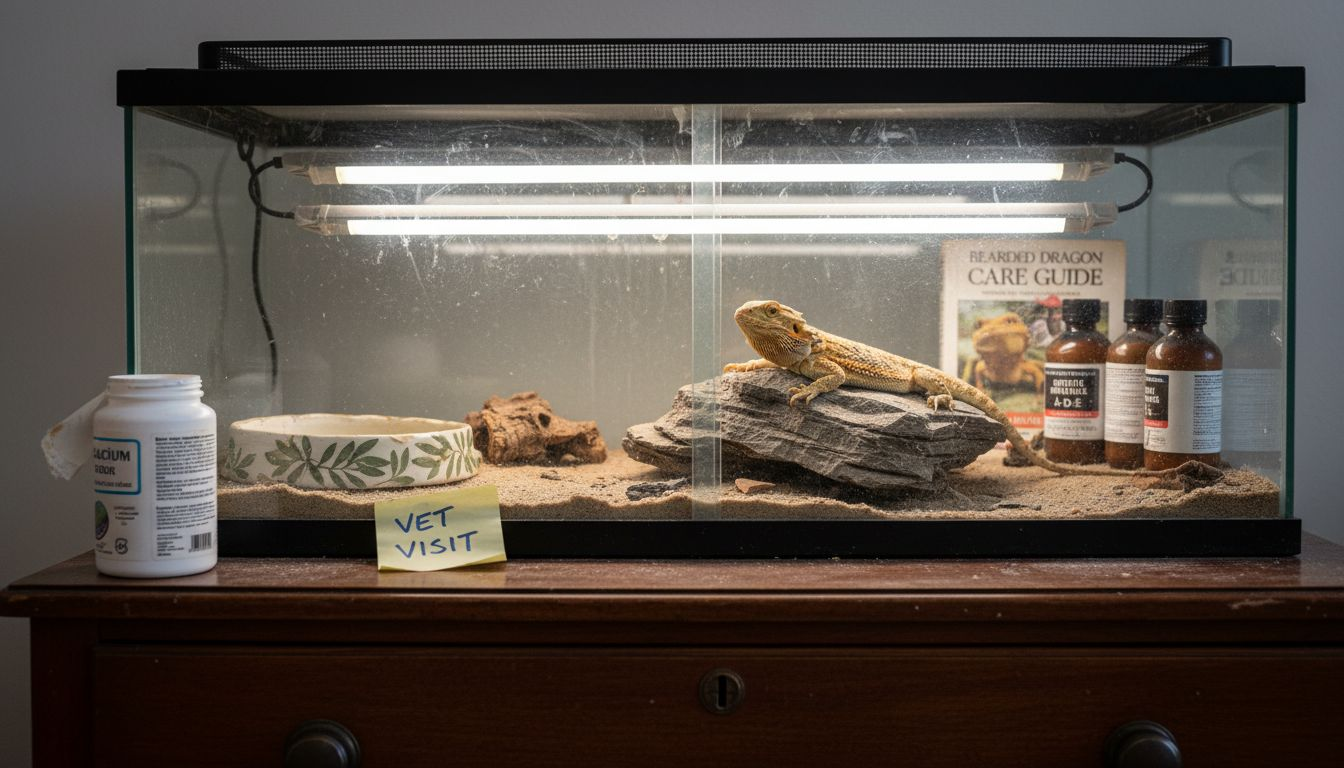
Parasitic infections can also severely impact your dragon’s overall wellness. These tiny invaders can cause significant digestive disruptions, weight loss, and compromised immune function. Regular fecal testing and maintaining a clean habitat are crucial preventative strategies.
Here’s a quick overview comparing common preventable health conditions in bearded dragons and how routine vet care helps manage them:
| Condition | Prevention Strategies | Impact of Routine Vet Care |
|---|---|---|
| Metabolic bone disease | Proper diet, UVB lighting | Early detection, nutritional advice |
| Respiratory infections | Clean habitat, correct humidity | Timely diagnosis, targeted treatment |
| Parasitic infestations | Habitat sanitation, fecal checks | Parasite screening, prompt intervention |
| Digestive impactions | Adequate hydration, safe substrate | Health monitoring, diet adjustment |
| Skin and scale problems | Balanced humidity, clean enclosure | Skin exams, care recommendations |
| Eye infections | Clean environment, prevent injury | Rapid response, medical care |
Pro tip: Conduct monthly health assessments at home, checking your bearded dragon’s weight, appetite, and general behavior to catch potential issues early.
Recognizing Early Signs of Illness and Stress
Bearded dragons are masters of disguise when it comes to hiding health problems. Early illness detection requires keen observation and understanding of subtle behavioral changes that might indicate underlying health issues.
Critical signs of potential illness or stress include:
- Sudden changes in appetite
- Unusual lethargy or decreased activity
- Abnormal shedding patterns
- Discoloration of skin or scales
- Swelling around joints or body
- Unusual posturing or movement
- Respiratory difficulties
Behavioral changes can be the most telling indicators of your dragon’s health. Constant hiding, refusal to bask, or dark beard flaring might signal significant stress or potential medical concerns. These subtle shifts in normal behavior often precede more serious health complications and should never be ignored.
Physical symptoms require equally careful monitoring. Unexplained weight loss, changes in stool consistency, or visible skin abnormalities warrant immediate veterinary attention. Bearded dragon stress signals can rapidly progress from mild discomfort to serious health risks if not promptly addressed.
Pro tip: Maintain a weekly health log documenting your bearded dragon’s weight, eating habits, and behavior to track subtle changes over time.
What to Expect During a Vet Visit
Preparing for your bearded dragon’s veterinary appointment can feel intimidating, but understanding the process helps reduce anxiety. Comprehensive veterinary examinations are critical for maintaining your reptile’s long-term health.
Typical components of a bearded dragon veterinary examination include:
- Complete physical body assessment
- Weight and body condition measurement
- Oral cavity inspection
- Skin and scale evaluation
- Behavioral observation
- Potential diagnostic testing
- Husbandry practice review
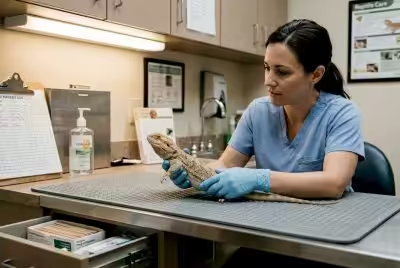
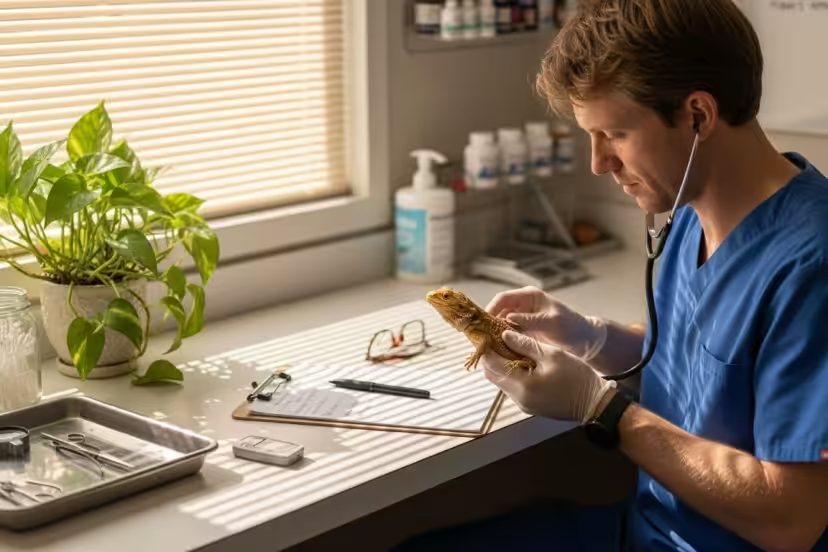
Physical examinations form the cornerstone of reptile veterinary care. Your exotic pet veterinarian will carefully inspect your dragon’s overall condition, checking for any signs of potential health issues that might not be immediately apparent to an untrained eye.
Diagnostic testing may involve additional procedures like fecal examinations to check for parasites, blood tests to assess metabolic function, and potentially imaging studies if the veterinarian suspects underlying complications. Preventive care recommendations will likely include guidance on habitat setup, nutrition, and at-home monitoring strategies.
Below is a summary of diagnostic techniques used during a bearded dragon vet visit:
| Technique | Purpose | Typical Outcomes |
|---|---|---|
| Physical assessment | Check overall health and body | Detect early health issues |
| Blood test | Analyze metabolic function | Identify deficiencies or disease |
| Fecal examination | Find parasites or digestive issues | Target treatments for infections |
| Imaging studies | Assess bones or internal organs | Reveal hidden complications |
Pro tip: Bring a detailed health journal and recent habitat photos to your appointment to provide comprehensive context for your veterinarian.
How Routine Vet Care Extends Lifespan and Wellness
Understanding the connection between routine veterinary care and your bearded dragon’s longevity is crucial for responsible pet ownership. Veterinary care strategies play a pivotal role in ensuring your scaly companion lives a long, healthy life.
Key benefits of consistent veterinary monitoring include:
- Early disease detection
- Preventative health screenings
- Nutritional guidance
- Habitat condition assessment
- Immune system support
- Chronic condition management
- Long-term wellness tracking
Preventative healthcare forms the foundation of extending your bearded dragon’s lifespan. Regular veterinary check-ups help identify potential health issues before they become serious, allowing for timely interventions that can significantly improve overall quality of life.
Comprehensive veterinary assessments are critical in monitoring metabolic health, preventing chronic disorders, and maintaining optimal physical condition. These examinations go beyond simple health checks, providing expert insights into nutrition, habitat requirements, and potential genetic predispositions that could impact your dragon’s long-term wellness.
Pro tip: Create a dedicated health folder with all veterinary records, tracking your bearded dragon’s health journey meticulously.
Keep Your Bearded Dragon Healthy with Expert Care and Guidance
Routine veterinary visits are essential for early detection of metabolic diseases, parasites, and stress in your bearded dragon. Many owners struggle to identify subtle signs of illness or stress that can quickly turn serious without proper support. If you want to give your scaly friend the longest, healthiest life possible, understanding preventative care and habitat management is critical.

Discover comprehensive health guides, nutritional advice, and habitat maintenance tips at gobeardeddragon.com. Our resources are designed to help you monitor your dragon’s wellness, recognize early warning signs, and prepare effectively for veterinary appointments. Start taking control today and ensure your bearded dragon thrives with trusted information and practical solutions. Explore everything you need to know about promoting your pet’s long-term wellness at gobeardeddragon.com and take the first step toward confident care.
Frequently Asked Questions
Why is routine vet care important for bearded dragons?
Routine vet care is essential for early detection of health issues, nutritional assessment, and overall monitoring of your bearded dragon’s health, helping to catch problems before they become serious.
What are common health issues that bearded dragons face?
Bearded dragons commonly face health issues such as metabolic bone disease, respiratory infections, digestive impactions, and parasitic infestations, all of which can be effectively managed with proactive veterinary care.
How often should I take my bearded dragon to the vet?
It is recommended to schedule an annual veterinary checkup for your bearded dragon to monitor their health and catch any potential issues early.
What should I expect during a vet visit for my bearded dragon?
During the visit, expect a comprehensive physical examination, weight check, oral and skin assessments, and possibly diagnostic testing such as fecal examinations or blood tests to evaluate your dragon’s health status.
Recommended
- Bearded Dragon Lifespan: A Complete Guide – Go BEARDED DRAGON
- 7步须龙日常护理清单:轻松打造健康宠物生活
- 胡须龙寄生虫解析:健康危害与护理要点 – Go BEARDED DRAGON
- Why Bearded Dragons Need Baths for Health
- Why Maintenance Extends Machine Life and Efficiency