Bearded Dragon Tail Waving: Complete Behavior Guide

Tail waving in bearded dragons is a form of communication. New owners often overlook this small gesture, but it carries social meaning. Decoding these subtle signals can help pet owners build trust and respond more intuitively to their bearded dragon’s emotional state, deepening the connection between owner and pet.
Table of Contents
- Tail Waving In Bearded Dragons Explained
- Primary Reasons Bearded Dragons Wave Tails
- Differences Between Tail Waving And Other Signals
- Interpreting Tail Waving In Daily Care
- Common Tail Waving Myths And Mistakes
🦎 Want all the essentials on one printable page?
The Complete Bearded Dragon Care Plan puts daily routines, feeding charts, safe vs. toxic foods and vet red flags into one 16-page PDF for $7.99.
See the Care Plan →Key Takeaways
| Point | Details |
|---|---|
| Tail waving indicates communication | Bearded dragons use tail waving as a nuanced form of social communication, signifying submission, territorial acknowledgment, or peaceful intentions. |
| Context matters in interpretation | The meaning of tail waves depends on context, speed and other body language, so watch the whole dragon. |
| Tail waving can signal emotional state | Tail movements can show comfort, stress or discomfort, which helps you adjust care and handling. |
| Common myths should be corrected | Tail waving is natural communication, not a random action. |
Tail Waving in Bearded Dragons Explained
Bearded dragons use many body language signals. Tail waving is one of them. It may look random to new owners, but it has social meaning. Unlike other pet behaviors, a bearded dragon’s tail wave is a nuanced signal that can mean multiple things depending on context.
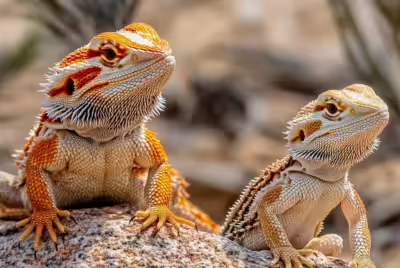
This behavior can signify different emotional states – from submission to territorial acknowledgment. Young bearded dragons often wave their tail toward larger, dominant dragons to avoid a fight. Adult dragons might wave their tail to show they aren’t looking for a fight, creating a peaceful social interaction that helps prevent potential physical conflicts.
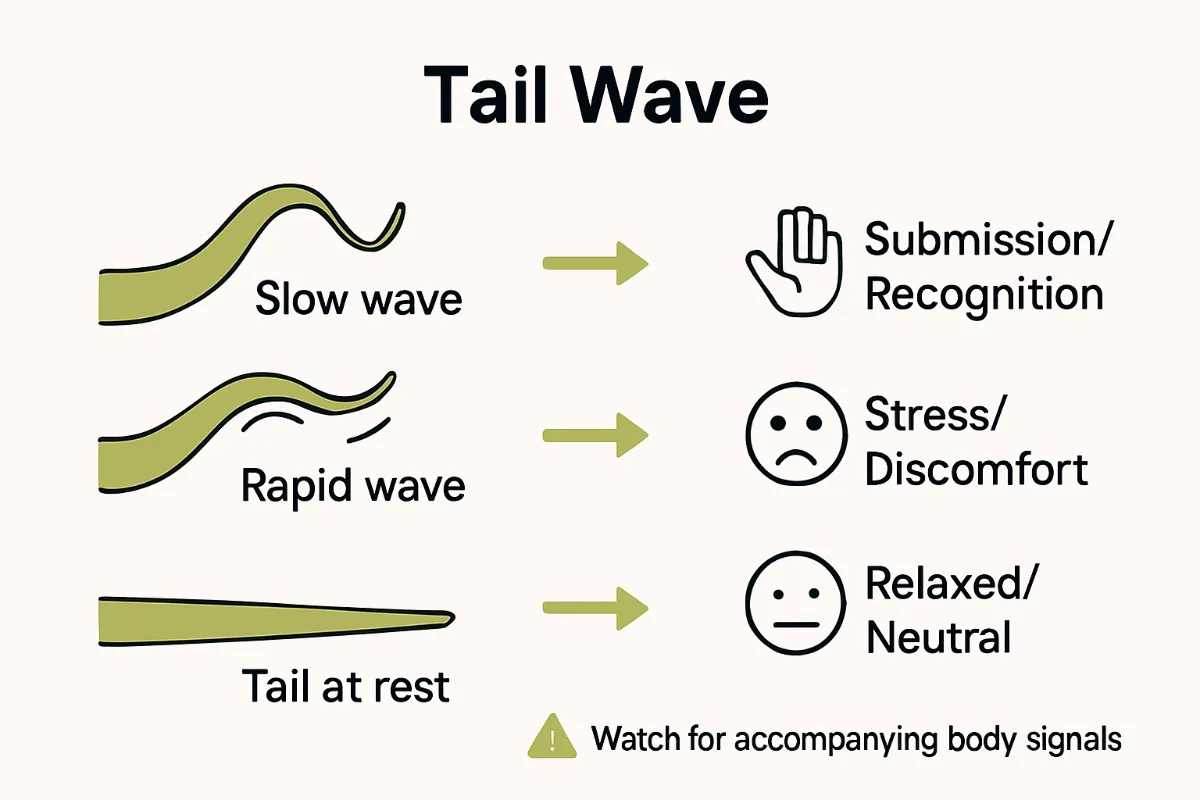
Interestingly, tail waving isn’t just about communication with other bearded dragons. They can also use this gesture when interacting with their human companions. A slow, deliberate tail wave might indicate the dragon is feeling calm and acknowledging your presence, while a rapid or aggressive wave could signal stress or discomfort. By paying close attention to the speed, direction, and accompanying body language, you can start to decode what your scaly friend is trying to tell you. Our guide to bearded dragon body language covers more signals.
The context of tail waving matters immensely. A dragon may wave its tail during territorial displays, courtship or to show rank. Some dragons wave more frequently than others, and individual personality plays a significant role. Younger dragons tend to be more expressive with tail waving, while older dragons might use more subtle communication methods. Observing your bearded dragon’s unique tail language will help you build a deeper, more intuitive relationship with your scaly companion.
Primary Reasons Bearded Dragons Wave Tails
Bearded dragons are complex creatures with a remarkable ability to communicate through body language, and tail waving is one of their most sophisticated nonverbal signals. Tail waving serves multiple purposes in their social interactions, ranging from submission and recognition to potential mating rituals and territorial displays. Understanding these nuanced signals helps reptile owners decode their pet’s emotional state and communication intentions.
One primary reason bearded dragons wave their tails is to establish social hierarchy. Young dragons often use tail waving as a submissive gesture when encountering larger or more dominant dragons. It’s their way of saying, “I’m not a threat” without engaging in potentially dangerous physical confrontations. In captivity, this behavior might be directed towards their human caretakers or other pets, signaling recognition and a desire to avoid conflict. By reading these subtle cues, you can better understand your dragon’s comfort level and emotional state.
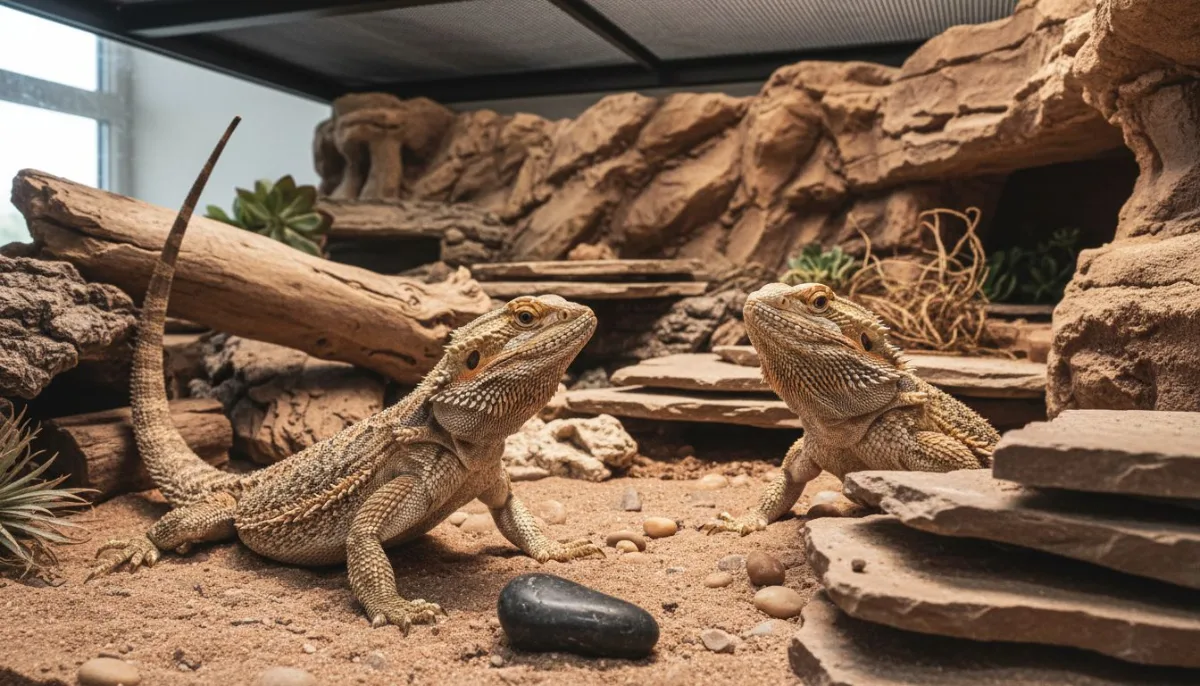
Tail waving also appears in mating behavior. Male bearded dragons might use tail waves as part of their courtship ritual, signaling their intentions and testing the receptiveness of potential mates. The speed, direction, and accompanying body language can reveal volumes about their reproductive motivations. Our beardie care guide covers more bearded dragon behavior.
Territorial communication is another significant reason for tail waving. Bearded dragons use this gesture to mark their space and communicate boundaries, both in the wild and in captivity. Some dragons wave more frequently than others, depending on their individual personality, age, and environmental stimuli. Younger dragons tend to be more expressive, while older dragons might use more subtle communication techniques. By observing and understanding these tail language nuances, you’ll develop a deeper, more intuitive connection with your remarkable reptilian companion.
Differences Between Tail Waving and Other Signals
Bearded dragons use many body language signals besides tail waving. Body language in these fascinating reptiles involves multiple physical cues that can signal everything from emotional states to social intentions. While tail waving is a sophisticated communication method, it’s just one of several signals that bearded dragons use to interact with their environment and companions.
Unlike other signals like beard puffing or head bobbing, tail waving is typically a more subtle and less aggressive communication technique. Head bobbing, for instance, is often a territorial display that signals dominance or potential aggression, with quick up and down movements that can indicate a dragon feeling threatened. Beard puffing, another dramatic signal, involves the dragon’s beard turning black and expanding to appear larger and more intimidating. In contrast, tail waving is a more gentle, often submissive gesture that communicates recognition, peaceful intentions, or social hierarchy without escalating to confrontational behaviors. For deeper insights into these fascinating communication methods, check out our bearded dragon body language guide.
The context and intensity of these signals vary, so read them together. A slow tail wave means something different from a fast, agitated one, just as a slightly darker beard differs from a puffed, jet-black display. Younger bearded dragons tend to be more expressive and may use a combination of these signals more frequently, while older dragons often communicate with more refined, subtle gestures. Once you can tell these signals apart, you understand your dragon’s mood better.

Interestingly, some body language signals can overlap or occur simultaneously, creating a complex communication system that goes beyond simple gestures. A dragon might wave its tail while slightly puffing its beard, or bob its head while maintaining a relaxed tail position. These nuanced combinations reflect the sophisticated social intelligence of these remarkable reptiles. Understanding these differences isn’t just about recognizing individual signals, but about comprehending the intricate, context-dependent language that bearded dragons use to express themselves in their unique, scaly way.
Interpreting Tail Waving in Daily Care
Watching tail movements during daily care helps you respond to your dragon’s mood. Tail signals are not just random movements but sophisticated messages that provide critical insights into your dragon’s emotional and physical state. Recognizing these nuanced gestures allows you to respond appropriately, creating a more harmonious and stress-free environment for your scaly companion.
During handling and interaction, tail waving can indicate your bearded dragon’s comfort level and emotional readiness. A slow, deliberate wave typically suggests the dragon is calm and acknowledging your presence, signaling it’s receptive to interaction. Conversely, a rapid or agitated tail movement might indicate stress, discomfort, or a desire to be left alone. This matters most during routine care like habitat cleaning, temperature adjustments or health checks. Our guide on whether bearded dragons like to be pet covers handling in more detail.
Feeding times and habitat modifications can also trigger specific tail-waving behaviors. Young bearded dragons might wave to show submission during feeding, especially if multiple dragons are present or if they’re feeling uncertain about their food source. Older dragons could use tail waving to communicate territorial boundaries or signal their readiness for feeding. Pay attention to the subtle differences in tail movement – a gentle wave might mean “I’m ready,” while a more aggressive movement could indicate “I’m feeling threatened.” By carefully observing these signals, you can adjust your care routine to make your dragon feel more secure and comfortable.
Interestingly, tail waving can also serve as an early warning system for potential health issues. Sudden changes in tail waving frequency, intensity, or accompanying body language might indicate underlying stress, illness, or environmental discomfort. Regular, attentive observation of these signals can help you detect potential health problems before they become serious. Some dragons might wave their tail more frequently when experiencing pain, feeling too hot or cold, or sensing changes in their habitat. By tuning into these subtle communication cues, you become not just a caretaker but a true companion who understands and responds to your bearded dragon’s unique language.
Common Tail Waving Myths and Mistakes
Bearded dragon owners often misunderstand tail waving as a simple, one-dimensional behavior, leading to numerous misconceptions that can negatively impact their reptile’s care and communication. These myths not only complicate the human-dragon relationship but can also cause unnecessary stress for both the pet and its owner.
One of the most prevalent myths is that all tail waving indicates aggression or distress. In reality, tail waving is a complex communication method that can signify everything from submission to peaceful acknowledgment. Many new owners misinterpret a slow, deliberate tail wave as a sign of anger, when it’s often the exact opposite – a gesture of calm and recognition. Another common mistake is assuming that tail waving means the same thing in all contexts. The speed, direction, and accompanying body language dramatically change the signal’s meaning. For a deeper understanding of these subtle communication nuances, explore our bearded dragon body language guide that breaks down these intricate signals.
Some owners make the critical error of trying to suppress or punish tail waving, viewing it as an unwanted behavior. This approach is fundamentally wrong and can damage the trust between you and your scaly companion. Tail waving is natural communication for bearded dragons, so do not try to stop it. Younger dragons tend to wave more frequently, and misinterpreting this as a problem can lead to unnecessary stress and potential behavioral issues. Each tail wave is a message – sometimes about hierarchy, sometimes about comfort, and sometimes about environmental conditions.
Perhaps the most dangerous myth is believing that tail waving is always harmless or meaningless. Sudden changes in tail waving patterns can be early warning signs of significant health or environmental issues. A dragon that suddenly starts waving more frequently or in a different manner might be signaling pain, stress, or discomfort. Responsible owners learn to read these subtle signals as a form of communication, not just a random movement. By understanding the depth and complexity of tail waving, you transform from a mere caretaker to a true companion who can interpret the sophisticated language of your bearded dragon.
Understand Your Bearded Dragon’s Tail Waving Like a Pro
Tail waving is a key way your bearded dragon communicates its feelings, from submission and calm to stress and territorial signals. If you want to confidently read these important messages and respond with care, you need trusted, detailed guidance tailored to your scaly friend’s unique language. At gobeardeddragon.com, we dive deep into behaviors like tail waving alongside other body language cues so you can build a stronger connection and provide the best care.

Learn what each tail wave means during daily care, feeding and social contact. Explore our extensive body language guide and get practical tips from seasoned owners. Don’t let confusion about your dragon’s signals cause stress for you or your pet. Visit gobeardeddragon.com now and start transforming your understanding into confident, compassionate care.
Frequently Asked Questions
What does it mean when my bearded dragon waves its tail?
Tail waving in bearded dragons can signify various emotions, including submission, territorial acknowledgment, and peaceful social interactions. It often indicates that the dragon is recognizing the authority of larger dragons or signaling comfort with its human companions.
How can I differentiate between a calm tail wave and an aggressive tail wave?
A slow, deliberate tail wave usually indicates calmness and acknowledgment, while a rapid or agitated tail movement may signal stress, discomfort, or a desire to be left alone. Look at the context and the rest of the body language to read it correctly.
Is tail waving a sign of a health issue in my bearded dragon?
Sudden changes in tail waving frequency or intensity can be early indicators of stress or health problems. If your bearded dragon starts waving its tail more frequently or changes its usual behavior, it may be experiencing discomfort or environmental issues.
Why do younger bearded dragons wave their tails more often than older ones?
Younger bearded dragons tend to be more expressive and use tail waving frequently as a form of communication. In contrast, older dragons may opt for more subtle communication methods as they become more familiar with their environment and social hierarchy.

Love your beardie? Wear it proudly.
My Bearded Dragon Is My Spirit Animal Tee – from $18.45. Our own bearded dragon designs, printed on demand. Every order supports these free care guides.
View this design → Browse all gifts