7 Steps to the Ultimate Bearded Dragon Shedding Checklist
Watching your bearded dragon struggle through shedding can be stressful and confusing. Dry, flaky skin and stuck patches often leave owners worried about their pet’s comfort and health. The right shedding care makes a big difference in your dragon’s well-being and prevents common complications like infections and dehydration.
By focusing on proper hydration, humidity control, and safe enrichment, you can turn a tough shedding season into a smoother, more comfortable experience for your pet. Get ready to discover practical steps that address every stage of the shedding cycle and keep your bearded dragon looking and feeling its best.
Table of Contents
- 1. Spot Early Signs of Shedding in Your Dragon
- 2. Prepare a Clean and Moist Habitat for Shedding
- 3. Monitor Diet and Hydration During Shedding
- 4. Provide Safe Objects for Rubbing Off Old Skin
- 5. Help Your Bearded Dragon with Gentle Baths
- 6. Check for Stuck Shed and Address Safely
- 7. Review Post-Shedding Health and Comfort
Quick Summary
| Takeaway | Explanation |
|---|---|
| 1. Identify shedding signs early | Look for dull patches, reduced appetite, and increased soaking behavior to prepare accordingly for your dragon’s shedding. |
| 2. Maintain proper habitat conditions | Ensure humidity is between 30-40%, clean the enclosure regularly, and provide suitable substrates to support a successful shedding process. |
| 3. Focus on hydration and nutrition | Offer fresh water, mist regularly, and feed hydrating foods to facilitate healthy skin turnover during the shedding cycle. |
| 4. Provide safe rubbing surfaces | Include natural stones or rough materials in the habitat so your dragon can rub off old skin safely without injury. |
| 5. Conduct a post-shedding health check | Inspect your dragon for smooth scales and any remaining stuck skin; address nutrition and hydration issues to prepare for future sheds. |
1. Spot Early Signs of Shedding in Your Dragon
Catching shedding early makes the whole process smoother for both you and your scaly friend. Your bearded dragon won’t shed overnight, so knowing what to watch for gives you a head start on providing the right care and comfort.
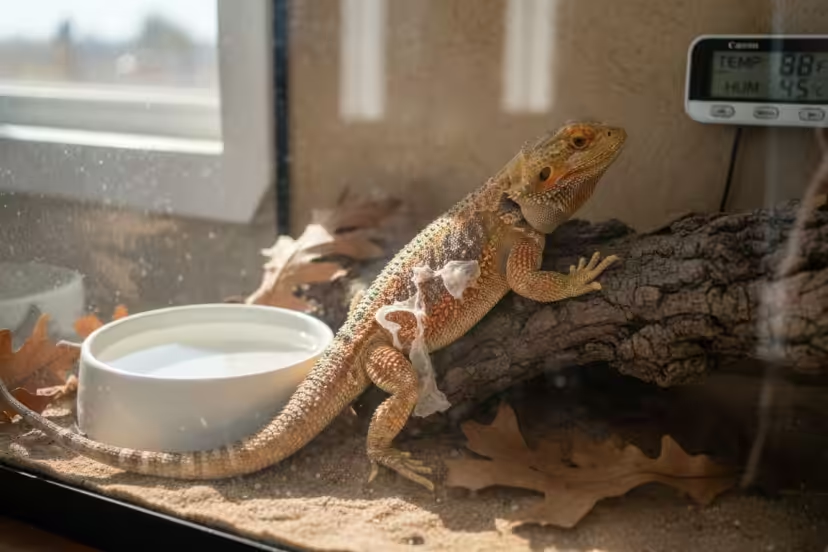
Bearded dragons show several unmistakable signs when they’re about to shed or actively shedding. The most obvious indicator is dull, grayish patches appearing on their skin, especially around the head and shoulders. You’ll notice their scales look cloudy or lose their vibrant coloring, almost like they’re wearing a dusty coat. The skin may also appear wrinkled or papery in texture, particularly on the legs and tail. Some dragons become slightly more lethargic during this time, preferring to rest rather than bask their usual amount.
Here’s what to watch for during the early shedding phase:
- Whitish or grayish coloring starting on the head and face
- Duller, less vibrant scales compared to their normal appearance
- Dry patches that look slightly flaky or loose
- Reduced appetite as they focus energy on the shedding process
- More frequent soaking behavior or spending extra time in water
- Increased scratching or rubbing against rocks and decorations
Early detection of shedding signs allows you to adjust humidity and provide proper hydration, making the process much easier for your dragon.
The timing matters too. Young bearded dragons shed more frequently (every 4-8 weeks) compared to adults (every 2-3 months). If you’re tracking your dragon’s shedding schedule, you’ll develop an intuition for when the next cycle is approaching. Understanding the bearded dragon shedding process helps you prepare in advance with proper humidity levels and bathing routines.
Don’t confuse shedding with stress marks, which appear as dark bands or patches on the body. Stress-related coloration is different from the uniform dullness and patchy appearance of shedding. Shedding causes a temporary cloudy look, while stress shows as distinct dark stripes or spots that typically disappear when the stressor is removed.
One thing many new owners miss is the behavioral shift. Your dragon might become slightly more withdrawn or grumpy during early shedding stages. This is normal, and it’s their way of telling you they need a little extra TLC. They’re not sick or angry—they’re just managing the energy it takes to grow new skin.
The soaking behavior is particularly important to recognize. If your dragon suddenly spends more time in their water bowl or seems interested in water they normally ignore, shedding might be right around the corner. The moisture helps soften the outer skin layer, making it easier to shed completely without dry patches sticking around.
Pro tip: Start taking photos of your dragon every few weeks to track their coloring and condition over time, which makes spotting early shedding signs much easier when the changes are subtle.
2. Prepare a Clean and Moist Habitat for Shedding
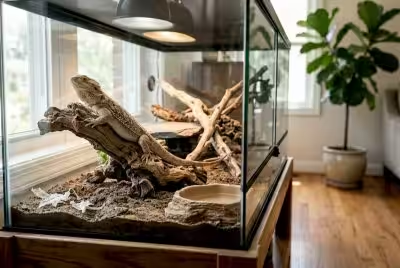
Your dragon’s habitat is ground zero for a successful shed. When shedding time arrives, the environment becomes just as important as any food or supplement you provide, so getting it right pays off big time.
Think of your habitat as a spa retreat where your dragon can shed comfortably and completely. A clean environment prevents bacteria from taking advantage of exposed skin during shedding, reducing the risk of infection. Proper moisture levels help soften the outer skin layer, making it easier for old scales to come off naturally without getting stuck. When these two factors align, your dragon moves through shedding with minimal stress and maximum comfort.
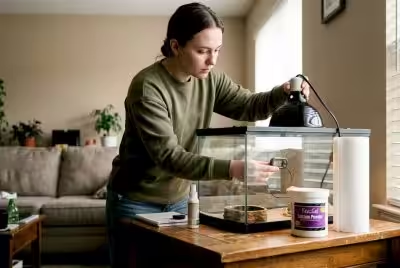
Start by deep cleaning the entire enclosure before shedding season hits. Remove all decorations, substrate, and hides. Wipe down the glass or tank walls with reptile-safe cleaner, paying special attention to corners where debris accumulates. Scrub food and water bowls thoroughly. Replace substrate with fresh material. This thorough cleaning removes any bacteria or mold spores that could complicate shedding or cause skin infections.
Humidity control is where most owners make mistakes. Bearded dragons require habitat humidity between 30-40% to support healthy shedding without encouraging respiratory infections. During active shedding, you can push toward the higher end of this range to ease the process. The key is monitoring, not overdoing it. Too much moisture creates a humid swamp that invites respiratory issues, while too little leaves skin dry and flaky.
Here’s how to maintain the right moisture balance:
- Mist the enclosure lightly 2-3 times daily during active shedding periods
- Offer soaking opportunities by providing a shallow water dish your dragon can soak in for 15-20 minutes
- Use a humidity gauge to track levels and avoid guessing
- Ensure proper ventilation throughout the enclosure to prevent stagnant, overly moist air
- Clean water dishes daily to prevent bacteria growth in standing water
- Avoid wet substrate which can trap moisture and create bacterial colonies
A clean habitat with proper humidity during shedding prevents complications and allows your dragon to shed naturally and comfortably.
Temperature and moisture work together. Maintain your thermal gradient (warm basking spot at 95-110 degrees Fahrenheit on one end, cooler zone around 75-80 degrees on the other) because your dragon needs to move between temperatures during shedding. The warmth helps circulation and skin cell turnover, while the cooler areas allow them to regulate their body temperature and rest comfortably.
The substrate you use matters more during shedding too. Avoid sand or fine particles that stick to moist skin. Use aspen shavings, cypress mulch, or paper-based bedding that won’t clog your dragon’s scales or irritate newly exposed skin. Whatever you choose, keep it clean and dry except for the designated soaking area.
Don’t forget about enrichment and hides. Your dragon needs places to feel secure during shedding, especially since they’re slightly vulnerable with their skin in transition. Provide at least one hide on the warm side and one on the cool side. These spaces reduce stress, which actually supports the shedding process. A stressed dragon sheds poorly and takes longer to complete the cycle.
Water quality is another overlooked detail. If you’re using tap water for misting or soaking, consider letting it sit for 24 hours to allow chlorine to evaporate. Some owners use filtered or distilled water, especially if their tap water is heavily chlorinated. Your dragon’s exposed skin during shedding is more sensitive to chemicals than usual.
Pro tip: Set a phone reminder to mist your habitat at the same times each day during shedding season, making moisture management consistent and preventing you from forgetting those critical misting sessions.
3. Monitor Diet and Hydration During Shedding
Shedding is physically demanding work for your dragon, and proper nutrition and hydration are the fuel that powers the process. What you feed your dragon and how much water they consume directly affects how smoothly the shedding cycle goes.
Think of shedding as a metabolic event that requires extra resources. Your dragon’s body is working overtime to produce new skin cells while the old skin detaches. This process demands adequate water intake and quality nutrition. When hydration drops, the skin becomes dry and flaky, causing old scales to stick rather than shed cleanly. When nutrition is lacking, your dragon struggles to grow healthy new skin underneath, leading to complications and prolonged shedding cycles.
Hydration is the MVP during shedding season. Proper hydration helps loosen old skin and supports the entire shedding process from start to finish. Without adequate water intake, your dragon’s skin stays tight and dry, causing stuck shed that can trap moisture and bacteria. Dehydration also slows digestion and energy levels, leaving your dragon lethargic and struggling.
Here are the best hydration strategies during shedding:
- Offer fresh water daily in a clean water dish, refreshed multiple times
- Mist your dragon directly 2-3 times daily to promote skin softening
- Provide warm baths for 15-20 minutes several times per week
- Feed hydrating foods like hornworms, dubia roaches, and leafy greens with high water content
- Watch for dehydration signs such as wrinkled skin, sunken eyes, or decreased activity
- Ensure access to water sources at all times, not just during designated feeding
Many owners overlook the connection between diet quality and shedding success. A balanced diet rich in vitamins and minerals supports skin cell turnover and overall health during this critical phase. Calcium, vitamin A, and vitamin D3 are especially important for healthy skin development. If your dragon’s diet is nutritionally deficient, new skin won’t form properly, and shedding becomes a struggle.
Hydration and nutrition work together to support your dragon’s body during shedding, directly impacting how easily and completely the old skin sheds.
Your feeding schedule might need adjustment during shedding. Some dragons eat less during this time as their body focuses energy on the shedding process itself. This is completely normal and not a sign of illness. However, when they do eat, the food should be nutritious and hydrating. Offer appropriately sized insects (dubia roaches, crickets, waxworms) and leafy greens that support hydration and nutrition simultaneously.
Dehydration during shedding slows the process significantly and can cause dry, flaky skin that sticks uncomfortably. Prevent this by offering multiple water sources and incorporating hydrating foods into their diet. Gut-loaded insects (insects fed nutrient-rich diets before feeding to your dragon) pass those nutrients directly to your dragon. Leafy greens like collard greens, mustard greens, and dandelion greens provide both hydration and nutrition.
Pay attention to how much your dragon is actually drinking. Some dragons prefer water from a bowl, while others respond better to misting or water droplets on leaves. During shedding, encourage water intake by offering it in multiple ways. A shallow water dish in the warm basking area works well. Misting leafy greens provides water your dragon can lap up while eating.
Vitamin and mineral supplementation becomes more relevant during shedding too. If you’re not already dusting insects with calcium and vitamin D3 powder, start before shedding begins. Healthy skin requires proper mineral balance, and supplements ensure your dragon gets what they need. Use a quality reptile vitamin powder designed for bearded dragons, following the manufacturer’s recommended frequency.
Watch your dragon’s energy levels and appetite during shedding. A slight decrease in appetite is normal, but if your dragon stops eating entirely or refuses water for more than a day, that signals a problem. Lethargy beyond normal shedding tiredness might indicate dehydration or nutritional deficiency. Address these concerns quickly by increasing hydration opportunities and offering nutrient-dense foods.
Pro tip: Create a shedding nutrition calendar where you track what and how much your dragon eats each day, plus water intake patterns, making it easy to spot changes in appetite or behavior that need attention.
4. Provide Safe Objects for Rubbing Off Old Skin
Your bearded dragon has a natural instinct to rub against rough surfaces during shedding, and providing the right objects makes this process safe and effective. Without proper rubbing surfaces, your dragon struggles to remove old skin naturally, leading to stuck shed and potential complications.
When shedding approaches, your dragon will start seeking out textured surfaces to help loosen and remove old skin. This is completely natural behavior that you should actively support. By offering safe, rough objects in the habitat, you’re working with your dragon’s instincts rather than against them. The rubbing action helps separate loosened skin from new skin underneath, making the shedding process faster and more complete.
The critical thing to understand is that you should never forcibly peel or pull shed skin off your dragon. I learned this the hard way early on. Forcibly removing skin causes injuries, stress, and potential infection. Instead, let your dragon do the work naturally by providing appropriate surfaces. Natural rough objects and surfaces facilitate the removal of loosened skin safely.
Here are the best safe rubbing surfaces to include in your enclosure:
- Natural stones and rocks with rough, textured surfaces
- Pieces of driftwood or branches that won’t splinter
- Textured reptile hides designed with rough interiors
- Slate tiles positioned at comfortable rubbing angles
- Rough cork bark that provides natural texture
- Textured decorative pieces made specifically for reptile enclosures
The key word here is natural. Avoid anything sharp, jagged, or with rough edges that could cut delicate skin. You’re looking for surfaces that are textured enough to help remove skin but smooth enough to avoid injury. Test any object by running your hand over it. If it feels uncomfortably rough to you, it’s too rough for your dragon’s sensitive shedding skin.
Providing safe rubbing surfaces during shedding prevents stuck shed and encourages your dragon’s natural skin removal behavior without causing injury.
Placement matters too. Position rough surfaces strategically throughout the enclosure so your dragon can access them easily. Place some near the basking spot where your dragon spends time warming up. Position others in cooler areas where your dragon might rest between activities. The more accessible you make these rubbing surfaces, the more your dragon will use them naturally.
Rubbing against rough surfaces helps bearded dragons remove old skin during shedding, encouraging this behavior by offering variety. Some dragons prefer rocks, while others gravitate toward wood textures. By providing multiple options, you’re letting your dragon choose what works best for them. Watch which surfaces your dragon uses most and remember those preferences for future shedding cycles.
Clean rubbing surfaces regularly, especially during active shedding when shed skin accumulates on them. Dead skin can trap bacteria, creating a breeding ground for infections. Wipe down rocks and wood with a damp cloth daily during shedding season. Replace water dishes and clean any surfaces that contact moist areas of the enclosure.
Size and stability are safety considerations too. Make sure stones and decorations are large enough that your dragon cannot accidentally swallow them, and secure them so they won’t topple over if your dragon rubs against them. A falling rock could cause serious injury. Test the stability of each object before adding it permanently to the habitat.
Some owners get creative with DIY solutions. Stacked slate tiles, smooth river rocks, and properly sealed wood pieces all work well. Just ensure anything you add is non-toxic and free from chemicals or treatments that could harm your dragon. Avoid anything collected from areas that might have pesticides or contamination.
During shedding, observe your dragon’s behavior around these rubbing surfaces. Increased rubbing activity is a positive sign that your dragon is actively shedding and using the surfaces as intended. If your dragon shows no interest in rubbing, you might need to adjust placement or offer different textures. Some dragons prefer horizontal surfaces while others like vertical or angled options.
Pro tip: Arrange your rubbing surfaces in a deliberate shedding “circuit” around the enclosure so your dragon naturally moves between basking, cooling off, eating, and rubbing as part of their daily routine.
5. Help Your Bearded Dragon with Gentle Baths
Gentle baths are one of the most effective tools you have during shedding season. A proper bath softens old skin, promotes hydration, and helps your dragon shed more comfortably and completely.
When your dragon soaks in lukewarm water, the moisture penetrates old, drying skin and helps loosen the bond between new and old scales. This makes it easier for your dragon to rub off shed skin naturally. Baths also provide direct hydration that complements drinking water and misting. Many dragons absorb water through their skin during soaking, which is especially valuable during shedding when hydration needs increase.
The temperature is crucial for bath success. Lukewarm water between 85-92 degrees Fahrenheit is the ideal range for shedding support. Water that’s too hot stresses your dragon and can cause burns. Water that’s too cold provides minimal benefits and may chill your dragon uncomfortably. Use a reliable thermometer to check water temperature before each bath. This simple step makes a huge difference in how your dragon responds.
Bath setup and duration matter just as much as temperature. Here’s how to create the perfect shedding bath:
- Fill the container with shallow water just deep enough for your dragon to stand comfortably
- Keep water level below your dragon’s chin for safety
- Use a small tub, large sink, or shallow container that gives your dragon stability
- Allow 10-15 minutes for each bath session
- Monitor your dragon throughout to ensure comfort and safety
- Support your dragon gently with your hand if they seem unsure
- Never force your dragon to stay in if they become stressed
Frequency is key during active shedding. Offering gentle baths two to three times weekly during shedding supports hydration and loosens old skin effectively. This schedule provides regular moisture without overdoing it. Some dragons love baths and will soak peacefully, while others are more cautious. Respect your individual dragon’s comfort level while working toward the recommended frequency.
Lukewarm baths lasting 10-15 minutes, offered 2-3 times weekly during shedding, provide essential hydration and skin softening that makes the shedding process smoother and more complete.
What happens after the bath is equally important. Proper bathing techniques support the shedding process significantly, and following up with gentle misting maintains the moisture benefits. After your dragon exits the bath, lightly mist them with water to keep their skin hydrated. This continued moisture prevents the rapid drying that occurs once they’re out of water. The combination of bath plus follow-up misting extends the hydration window considerably.
Dry your dragon gently with a soft towel after bathing. Pat rather than rub to avoid irritating shedding skin. Let them warm up gradually by spending time in their basking spot, which also helps them dry naturally. Avoid placing a wet dragon directly in intense heat, which can shock their system.
Bath time also serves as a bonding opportunity and a chance to observe your dragon closely. During the bath, you can gently check for any stuck shed areas or skin abnormalities. If you notice patches of shed that aren’t coming off easily, resist the urge to pull them. Instead, continue with baths and misting, letting your dragon’s natural rubbing behavior remove the skin.
Some dragons initially resist baths, which is completely normal. Start slowly by introducing water gradually. You might begin with just a few minutes in shallow water, then gradually increase duration as your dragon becomes comfortable. Positive associations with bath time make future sessions easier. Never force your dragon into the water or punish resistance. Patience pays off with a dragon that eventually enjoys or at least tolerates bath time.
Water quality matters too. Use dechlorinated water if possible, especially if your tap water is heavily chlorinated. Chlorine can irritate exposed skin during shedding. Letting tap water sit overnight allows chlorine to evaporate naturally. Some owners use reptile-safe water treatments or filtered water for bath time. Your dragon’s sensitive shedding skin deserves the cleanest water you can provide.
Pay attention to your dragon’s behavior in the bath. A calm, soaking dragon is absorbing the benefits. A stressed, constantly trying to escape dragon may need shorter sessions or more gradual introduction to baths. Some dragons enjoy exploring the water and moving around, while others prefer to sit still and soak. Neither approach is wrong. What matters is that your dragon receives hydration and skin softening during the time they spend in the water.
Pro tip: Set a phone timer for each bath so you hit the 10-15 minute mark consistently, and keep a water thermometer in your bathroom so you can quickly verify temperature without guessing.
6. Check for Stuck Shed and Address Safely
Stuck shed happens when old skin doesn’t come off completely, and it’s one of the most common complications during shedding season. Learning to spot it early and address it safely prevents discomfort, infection, and more serious health issues for your dragon.
Stuck shed occurs when old skin attaches too tightly to new skin underneath, refusing to shed naturally. This typically happens in areas like the toes, tail tip, and around the eyes where skin is thinner and more delicate. Stuck shed is more likely when humidity is too low, hydration is inadequate, or nutrition is lacking. The good news is that with proper prevention and early intervention, you can avoid most stuck shed problems.
Recognizing stuck shed requires regular visual inspection of your dragon. Look for these telltale signs during and after shedding cycles:
- Papery, flaky skin that looks dried out and wrinkled
- Whitish or grayish patches that don’t come off with normal rubbing
- Tight-fitting skin around the toes and tail that looks constricted
- Skin peeling around the eyes or in facial creases
- Dull patches that persist beyond a normal shedding cycle
- Your dragon favoring one limb or showing signs of discomfort
- Swelling or redness where shed is stuck tightly
The key is catching stuck shed early before it causes complications. Check your dragon daily during active shedding, gently running your hands over their body to feel for rough or peeling areas. Pay special attention to the toes, as stuck shed in this area can restrict circulation and cause serious problems if left untreated.
Catching stuck shed early through daily inspection allows you to address it safely before it causes infection or circulation problems.
When you discover stuck shed, the safe approach involves patience and gentle help. Warm shallow soaks soften attached skin and make manual removal much easier. Soak your dragon in lukewarm water (85-92 degrees Fahrenheit) for 10-15 minutes to soften the stuck skin. After soaking, the skin becomes more pliable and may come off on its own as your dragon moves around. Never attempt to remove stuck shed from a dry dragon.
If gentle soaking alone doesn’t release the stuck skin, you can use soft manual assistance. Here’s the safe process:
- Soak your dragon thoroughly in warm water for 10-15 minutes
- Use a soft-bristled toothbrush to gently brush affected areas
- Try a soft, damp cloth to gently rub away loosened skin
- Work slowly and patiently without forcing anything
- Stop immediately if your dragon shows stress or you encounter resistance
- Never pull or pick at stuck skin forcefully
- Follow up with misting to keep skin hydrated after the session
A soft-bristled toothbrush designed for sensitive teeth works wonderfully for this task. The gentle bristles help loosen stuck skin without causing damage. Wet the toothbrush in warm water and use light, circular motions on affected areas. This approach is much safer than using your fingernails or rough cloth.
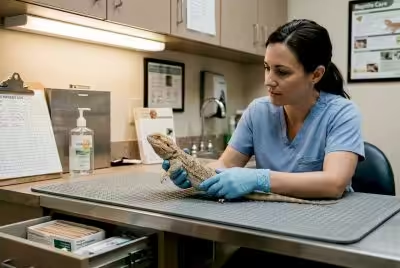
Some stuck shed areas take multiple sessions to resolve completely. Be patient. Your dragon’s safety is more important than rushing the process. If stuck shed persists after several gentle soaking and brushing sessions, or if you notice signs of infection like redness or swelling, contact a reptile veterinarian. They have specialized tools and expertise for stubborn cases.
Prevention is always easier than treatment. Maintaining proper humidity (30-40%), offering regular baths and misting, and providing excellent nutrition reduces stuck shed dramatically. A well-hydrated, properly nourished dragon with the right environmental conditions sheds cleanly without complications. Focus on prevention first, and you’ll rarely deal with stuck shed.
Your dragon’s toes and tail tips deserve special attention since these areas are most prone to stuck shed. Check between toes daily for any whitish or papery skin. The tail tip is another common problem area. Gently inspect these vulnerable spots even when your dragon isn’t actively shedding, as sometimes stuck shed from a previous cycle lingers.
Avoid common mistakes that make stuck shed worse. Never use oils, lotions, or creams not specifically designed for reptiles. Never attempt to remove stuck skin with sharp objects. Never hold your dragon in excessively hot water. Never force removal by pulling or picking. These actions cause injuries, stress, and infection. Gentle, patient approaches work better and keep your dragon safe.
Watch for signs that stuck shed needs veterinary attention. If your dragon seems lethargic, loses appetite, shows signs of infection around stuck shed areas, or if stuck shed affects circulation (you notice swelling or color changes), seek professional help immediately. A vet can safely remove stubborn stuck shed and address any secondary infections.
Pro tip: Keep a soft-bristled toothbrush dedicated exclusively to your bearded dragon’s care, and store it in your shedding supplies kit alongside your humidity gauge and bath thermometer for quick access during shedding season.
7. Review Post-Shedding Health and Comfort
Once the shedding cycle completes, your job isn’t finished. Taking time to assess your dragon’s health and comfort after shedding ensures they recovered well and helps you prepare for the next cycle. This final step ties everything together and sets you up for success.
Post-shedding review is about checking the results of your care efforts and identifying any issues that need attention. During the intense shedding period, you’re focused on managing the process itself. Now that it’s complete, you can step back and evaluate how it went. Did your dragon shed cleanly? Are there any lingering stuck shed areas? How is their energy level and appetite? These observations inform your approach next time.
Start by doing a thorough physical inspection of your dragon’s entire body. Look for these positive signs that shedding went well:
- Smooth, vibrant scales with restored coloring and shine
- No visible patches of old or stuck shed remaining
- Clear eyes without crusty shed around them
- Clean toes and tail free from stuck skin or constriction marks
- Normal body shape without swelling or unusual bumps
- Healthy skin texture that feels smooth to the touch
- No signs of infection like redness, discharge, or unusual odors
If you spot any remaining stuck shed, address it immediately using the warm soaking method. Don’t assume it will come off on its own. Small stuck shed areas left unattended can cause problems down the line. A quick intervention now prevents bigger complications later.
A thorough post-shedding health check confirms your dragon recovered well and helps you identify any issues requiring attention.
Behavior observation is just as important as physical inspection. Your dragon should show a return to normal activity levels after shedding completes. They should be eating with their usual appetite, basking regularly, and moving around the enclosure normally. If your dragon seems lethargic, refuses food, or acts unusually stressed, something might need veterinary evaluation.
Check your dragon’s appetite specifically. After shedding, many dragons are ravenous and eager to eat. This is normal and healthy. Provide plenty of appropriately sized food items and watch your dragon enjoy the post-shedding meal fest. If your dragon continues to show reduced appetite beyond a few days after shedding ends, that warrants attention.
Assess your dragon’s skin condition more carefully now that new skin is fully exposed. The new skin should feel smooth and healthy, not dry or flaky. If the new skin looks dull, wrinkled, or unhealthy, it suggests your dragon didn’t receive adequate nutrition or hydration during shedding. Make mental notes about what to adjust next time. Maybe humidity needs adjustment, or perhaps diet changes would help.
Take photos of your post-shedding dragon for your records. Documenting their appearance after each shedding cycle creates a visual history. Over time, you’ll notice patterns in how your dragon sheds and can compare cycles year to year. Photos also help you remember what normal looks like so you can spot abnormalities more easily.
This is an excellent time to reset and clean your enclosure thoroughly. Remove any shed skin that accumulated around decorations and in corners. Replace substrate with fresh material. Clean all water dishes, hides, and decorations. A thorough post-shedding cleaning removes any bacteria that thrived during the moist shedding period and sets up a fresh, clean environment for the next cycle.
Adjust your environmental parameters back to maintenance levels if you increased them during shedding. Humidity can return to the normal 30-40% range. You can reduce misting frequency if you increased it. Temperature gradients should continue at their normal settings. Your dragon doesn’t need special shedding conditions anymore until the next cycle approaches.
Review your feeding schedule and return to your normal routine if you adjusted it during shedding. Most dragons accept normal feeding schedules immediately after shedding ends. Their appetite bounces back, and they’re ready to eat regularly again. This is when you might offer treats or special food items as a celebration of successful shedding.
Monitor your dragon’s bathroom habits post-shedding. Digestion should normalize after the shedding cycle. Feces should be firm and normal looking. If your dragon has diarrhea or seems constipated, that indicates potential issues with hydration or nutrition during shedding. Make notes for future reference.
Evaluate whether bathing benefits your dragon’s health and recovery remains important in post-shedding care. If you increased bathing frequency during shedding, you can reduce it back to regular maintenance bathing now. However, some owners continue light misting for a few days post-shedding to ensure complete hydration recovery.
Document what worked well during this shedding cycle and what could improve next time. Keep notes about environmental conditions, feeding changes, bathing frequency, and your dragon’s response. Did increasing humidity help? Did the bath frequency work? Did your dragon enjoy the rubbing surfaces you provided? This information becomes invaluable for optimizing your shedding protocol.
If your dragon showed any problems during shedding, now is the time to research solutions or consult a reptile veterinarian. Whether it was excessive stuck shed, poor appetite, lethargy, or anything else, understanding what went wrong helps you prevent it next cycle. Each shedding experience teaches you something new about your individual dragon.
Celebrate successful shedding! Your dragon looks healthier and more vibrant with fresh new scales. You successfully guided them through a challenging biological process. That’s a huge accomplishment, especially if you’re a new owner. You’ve earned the right to feel proud of the excellent care you provided.
Pro tip: Create a shedding journal documenting the date of each cycle, environmental conditions you maintained, feeding changes, your dragon’s behavior, and how the cycle resolved, building a personalized guide for managing future shedding cycles more effectively.
Below is a comprehensive table summarizing the key strategies and considerations for managing bearded dragons during their shedding process.
| Aspect | Details | Key Considerations |
|---|---|---|
| Early Detection | Recognize signs such as dull, grayish patches and increased soaking behavior. | Early recognition enables proactive care and prevents shedding complications. |
| Habitat Preparation | Maintain a clean and humidity-controlled environment (30-40%). | Supports effective shedding and reduces risk of skin issues. |
| Diet and Hydration | Provide hydrating foods and daily fresh water, supplement as needed. | Essential for healthy skin turnover and avoids dehydration-related problems. |
| Rubbing Surfaces | Include safe natural rocks, driftwood, and textured hides. | Encourages natural shedding without risking injury. |
| Bathing Techniques | Offer lukewarm baths (85-92°F) 2-3 times weekly during active shedding. | Promotes hydration and loosens stuck skin. |
| Stuck Shed Management | Use proper hydration and gentle tools like soft toothbrushes for removal. | Prevents complications such as infection and circulation issues in toes and tail. |
| Post-Shedding Care | Inspect skin condition, document observations, and maintain habitat cleanliness. | Ensures full recovery and prepares for the next cycle. |
This table encapsulates effective care practices for bearded dragons during shedding.
Master Shedding Challenges with Expert Guidance and Tools
Bearded dragon shedding can feel overwhelming when you see dull patches, stuck shed, or changes in your pet’s behavior. This article reveals the common pain points like maintaining proper humidity, ensuring hydration, and providing safe rubbing surfaces to help your dragon through each stage of the shedding cycle. You want to prevent infections, reduce stress, and support your dragon’s natural process with confidence and care.

Discover how to take your shedding care to the next level with detailed insights and practical solutions at gobeardeddragon.com. Explore helpful guides such as our Bearded Dragon Shedding Process and tips for How to Bathe a Bearded Dragon Naturally that make each step easier. Don’t wait until stuck shed or dehydration become problems. Visit us now to empower your bearded dragon’s health and comfort throughout every shedding season.
Frequently Asked Questions
What are the early signs that my Bearded Dragon is shedding?
Catching the early signs of shedding lets you provide appropriate care. Look for dull grayish patches on their skin, especially around the head and shoulders, as well as decreased appetite and increased soaking behavior.
How can I prepare my Bearded Dragon’s habitat for shedding?
Create a clean and moist environment by deep cleaning the enclosure and maintaining humidity levels between 30-40%. Mist the enclosure lightly several times daily during shedding to help ease the process.
What should I feed my Bearded Dragon during shedding?
Focus on providing a balanced diet rich in vitamins and minerals to support their shedding. Include hydrating foods like leafy greens and gut-loaded insects to ensure they get enough hydration and nutrition.
How often should I bathe my Bearded Dragon during shedding?
Offer gentle baths 2-3 times a week during shedding to help soften old skin and promote hydration. Each bath should last about 10-15 minutes in lukewarm water to enhance the shedding process.
What should I do if my Bearded Dragon has stuck shed?
If you notice stuck shed, soak your dragon in warm water for 10-15 minutes to soften the skin. Gently assist with a soft brush or cloth if needed, but avoid any forceful removal.
How can I assess my Bearded Dragon’s health after shedding?
Inspect your Bearded Dragon’s skin and behavior after shedding. Ensure they have vibrant, smooth scales, clear eyes, and a normal appetite within a few days to confirm a healthy recovery.