7 Essential Bearded Dragon Hydration Tips for Beginners
Figuring out exactly how much water your bearded dragon needs can feel confusing, especially since their hydration habits are not like most other pets. Whether you’re dealing with stubborn drinking behaviors or trying to prevent subtle signs of dehydration, keeping your dragon healthy depends on understanding what truly works. With reliable routines and clever techniques, you can make sure your dragon gets enough water every day without guesswork or stress. From water bowls to hydrating foods and bathing tricks, this guide reveals the smartest approaches that make a visible difference in your dragon’s wellbeing. Get ready to learn simple changes that really work for every age and situation.
Table of Contents
- 1. Understanding Bearded Dragon Hydration Needs
- 2. Providing Clean and Fresh Drinking Water Daily
- 3. Using Water Bowls and Mist Spraying Techniques
- 4. Incorporating Hydrating Foods Into Their Diet
- 5. Recognizing Signs of Dehydration Early
- 6. Safely Bathing Your Bearded Dragon for Moisture
- 7. Adjusting Hydration Strategies for Different Ages
Quick Summary
| Key Insight | Detailed Explanation |
|---|---|
| 1. Provide Fresh Water Daily | Bearded dragons need access to clean, fresh water every day for optimal health and hydration. Change water daily to prevent dehydration. |
| 2. Use Both Water Bowls and Misting | Offering a water bowl and misting your dragon’s environment are complementary methods for encouraging hydration, accommodating different preferences. |
| 3. Incorporate Hydrating Foods | Include moisture-rich vegetables and fruits in your dragon’s diet to boost hydration through food, reducing dependence on drinking alone. |
| 4. Monitor Dehydration Signs Regularly | Regularly check for signs of dehydration, such as sunken eyes and wrinkled skin, to ensure early intervention and management. |
| 5. Adjust Care for Age Differences | Recognize that hydration needs change with age; younger dragons require more frequent hydration than adults or seniors for their growth. |
1. Understanding Bearded Dragon Hydration Needs
Your bearded dragon is a desert reptile, but that doesn’t mean your scaly pal can go without water. Unlike what many beginners think, these modern-day dinosaurs need regular access to hydration to thrive. Understanding their specific water requirements is one of the first steps toward keeping your dragon healthy and happy.
Bearded dragons have unique ways of getting water compared to other pets. In their natural desert habitat, they obtain moisture through their diet and from dew on plants and rocks. Your dragon can drink from water bowls, absorb moisture through misting and baths for hydration, and eat moisture-rich foods like leafy greens and insects. This multi-source approach means hydration isn’t just about a water bowl sitting in the corner.
Proper hydration does some heavy lifting for your dragon’s body. When your bearded dragon gets enough water, their digestion runs smoothly, their body temperature stays regulated, and their overall health improves. Dehydration can sneak up on you, leading to constipation, poor shedding, and sluggish behavior. A well hydrated dragon is an active, alert dragon.
Your job as an owner involves monitoring hydration levels and adjusting care based on environmental factors. Age matters too. Juvenile bearded dragons may need different hydration approaches than adults. The temperature and humidity in your enclosure, the season, and even your dragon’s individual health status all play roles in how much water they need.
Think of hydration as a dynamic system rather than a set-and-forget situation. Some days your dragon might drink more, other days less. The key is providing consistent opportunities for water intake and watching for signs of dehydration like sunken eyes or wrinkled skin.
Pro tip: Check your bearded dragon’s skin turgor daily by gently pinching the skin on their shoulder; if it bounces back immediately, hydration is good, but if it stays tented, increase water intake through misting and moisture-rich foods.
2. Providing Clean and Fresh Drinking Water Daily
Your bearded dragon needs access to clean water every single day, no exceptions. This isn’t complicated stuff, but getting it right makes a real difference in your dragon’s health and happiness. Daily water changes are one of the easiest ways to prevent dehydration and support proper bodily functions.
The water you offer matters as much as the frequency. Tap water contains chlorine and chloramine, chemicals added to make it safe for humans but potentially irritating to your dragon’s sensitive system. Using filtered, purified, or conditioned tap water removes these harsh chemicals and gives your dragon the clean hydration they need. If you’re unsure about your tap water quality, a simple water conditioner from a pet store does the job quickly and affordably.
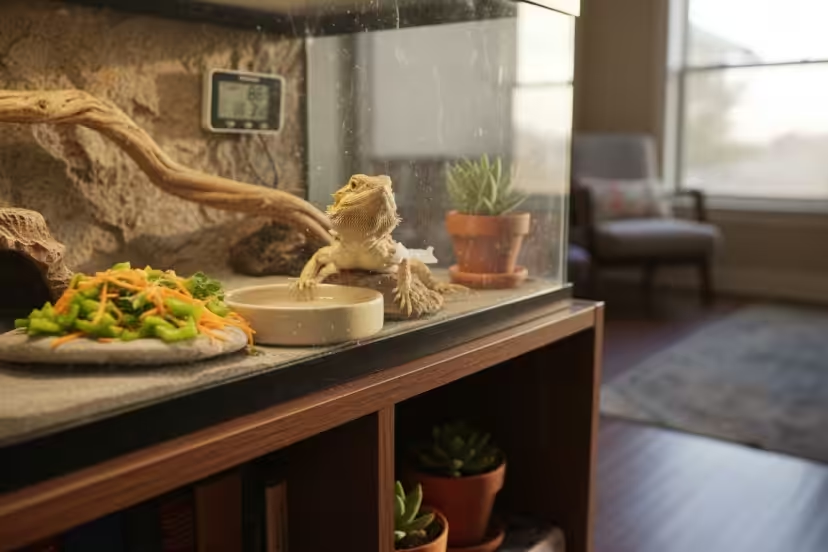
The dish itself plays a bigger role than you might think. Use a shallow dish or bowl that your dragon can easily access without straining. Bearded dragons have short legs and limited reach, so keeping the water dish in an accessible spot prevents frustration. Your dragon should be able to dip their snout in naturally without having to contort their body.
Location matters too. Place the water dish in the cooler part of your enclosure, away from basking spots and heat lamps. Water sitting directly under warm lights evaporates quickly and can harbor bacteria faster. A cool location keeps the water fresher longer and prevents your dragon from accidentally overheating while drinking.
Make it a daily habit to empty the old water and refill with fresh water. A quick rinse of the dish each time prevents algae buildup and keeps everything hygenic. Your dragon relies on you to maintain this routine consistently, and the effort is minimal compared to the health benefits.
Pro tip: Keep your water dish in the exact same spot every day so your bearded dragon learns where to find it, and set a phone reminder to refill it at the same time each morning to never miss a day.
3. Using Water Bowls and Mist Spraying Techniques
Bearded dragons have two main ways to drink water, and both are important for complete hydration. A water bowl provides direct access to water, while misting mimics the natural way they drink from dew in the wild. Using both methods together gives your dragon multiple hydration opportunities.
The water bowl approach is straightforward and works well for many dragons. Some bearded dragons actively drink from bowls throughout the day, treating them like little water fountains. Others are less interested and prefer other hydration methods. The key is offering the bowl consistently so your dragon can drink whenever thirst strikes. A shallow ceramic or plastic dish about 2 to 3 inches across works perfectly.
Mist spraying adds another dimension to your hydration strategy. Using a spray bottle, you lightly mist your enclosure and plants several times daily. Your dragon responds to water droplets on leaves and surfaces by licking them, naturally hydrating while engaging in normal behavior. This method feels more instinctive to them because it mirrors their desert habitat after rare rainfall or morning dew.
Timing your mist spraying matters for effectiveness. Early morning or late afternoon sessions work best, when your dragon is most active and alert. Mist for about 30 to 60 seconds, creating visible droplets on plants and decorations. Watch your dragon’s response and adjust frequency based on whether they seem interested in the water droplets.
Combining both methods covers your bases beautifully. Some days your dragon might prefer drinking from the bowl, other days they get most hydration from misting. Offering both options ensures they never miss out on water intake regardless of their mood or preference. This dual approach also reduces the stress of relying on any single method.
Take care not to overdo misting, as excess moisture can create unhealthy humidity levels in the enclosure. Your goal is creating hydration opportunities, not turning the tank into a swamp. Strike a balance between providing adequate moisture and maintaining proper temperature regulation.
Pro tip: Spray your enclosure immediately after your dragon finishes basking, so they approach the cooler misted areas and drink naturally while cooling off.
4. Incorporating Hydrating Foods into Their Diet
Food is one of your bearded dragon’s primary hydration sources, and you can leverage this beautifully through smart dietary choices. By offering water-rich vegetables and fruits, you’re not just feeding your dragon, you’re hydrating them simultaneously. This approach reduces the burden on drinking water alone and supports overall health in multiple ways.
Vegetables like cucumbers, lettuce, and bell peppers are hydration powerhouses packed with moisture content. These greens contain significant water along with essential nutrients your dragon needs. When you include hydrating foods such as fresh vegetables regularly in their diet, you’re actively boosting their water intake without forcing them to drink from a bowl. Your dragon naturally absorbs hydration while eating foods they enjoy.
Insects also play a role in hydration strategy. Gut-loaded insects (crickets and dubia roaches that have been fed nutrient-rich foods) carry more hydration and nutrition than standard insects. When your dragon eats these well-fed bugs, they get both protein and water content. This dual-benefit approach makes every meal count for multiple health goals simultaneously.
Fruit can occasionally supplement hydration, though moderation is key. Watermelon and other fruits with high water content work wonderfully as hydration boosters, but their sugar levels mean they should be occasional treats rather than staples. Think of fruit as a special hydration bonus, not a daily requirement. A few pieces every week provides variety and hydration without overloading their system.
Misting your greens before serving adds another layer of hydration support. Droplets clinging to vegetables encourage your dragon to consume extra moisture as they eat. This simple step maximizes the hydrating benefit of each meal and mimics natural feeding conditions where plants would have morning dew.
A balanced diet rich in insects and hydrating plant matter becomes your foundation for long-term health. The combination of water, vegetables, insects, and occasional fruits creates a comprehensive hydration strategy that feels natural to your dragon. Your dragon gets consistent moisture intake through multiple channels throughout the day.
Pro tip: Rotate your vegetable selections weekly so your bearded dragon gets different hydrating options and receives a broader spectrum of nutrients from varied plant sources.
5. Recognizing Signs of Dehydration Early
Dehydration sneaks up quietly, which is why catching it early matters tremendously. Your bearded dragon cannot tell you verbally that something feels wrong, so you need to become fluent in reading their body language. Early detection means faster intervention and better outcomes for your scaly pal.
Sunken eyes are one of the most obvious red flags. A well-hydrated dragon has bright, alert eyes that stand out from their head. When dehydration sets in, the eyes appear to recede slightly into the skull, creating a hollow look. This physical change happens relatively quickly, so checking your dragon’s eyes daily during casual observation helps you spot trouble fast.
Wrinkled or loose skin indicates significant dehydration. Gently pinch the skin on your dragon’s shoulder blade between your fingers. In a hydrated dragon, the skin bounces back immediately when you release it. Dehydrated skin stays tented or takes longer to return to normal position. This simple test takes seconds but provides valuable information about your dragon’s hydration status.
Behavioral changes often accompany dehydration. Your normally active dragon becomes sluggish, spending more time resting than exploring. They may show less interest in food or refuse meals entirely. Constipation is another telltale sign, as dehydration affects digestive function directly. If your dragon hasn’t produced droppings in a day or more, water intake needs immediate attention.
The tail offers clues, too. A dehydrated dragon’s tail appears thinner and less plump than usual. The tail loses its firm texture and can look somewhat shriveled. Comparing your dragon’s current tail to photos from when they were properly hydrated helps you notice subtle changes.
Spot these warning signs, and act immediately. Increase misting frequency, offer fresh water multiple times daily, and provide moisture-rich hydrating foods to boost intake. If signs persist beyond a day or two, contact your reptile veterinarian for professional guidance.
Pro tip: Take photos of your bearded dragon weekly in consistent lighting so you can visually compare their appearance and spot physical changes like skin texture or eye clarity before they become severe.
6. Safely Bathing Your Bearded Dragon for Moisture
Bathing your bearded dragon is one of the most effective hydration strategies you can use. A proper bath stimulates drinking behavior, hydrates their skin, and creates a spa-like experience your dragon will enjoy. Done correctly, baths become a relaxing ritual that benefits both hydration and overall wellness.
Temperature is absolutely critical for safe bathing. Warm water between 85 degrees Fahrenheit and 100 degrees Fahrenheit works best for your dragon. Water that is too cold shocks their system and causes stress, while water that is too hot can harm their delicate skin. Use a reliable thermometer to check the water before introducing your dragon. This single step prevents accidents and ensures comfort.
The bathing container matters more than you might think. A shallow dish or basin works perfectly, allowing your dragon to stand comfortably with water reaching only up to their shoulders. Never fill the water deep enough for your dragon to swim or lose footing. A shallow bath prevents panic and allows your dragon to control their experience.
During the bath, your dragon will likely drink the water naturally. This instinctive behavior is exactly what you want, as it hydrates them from the inside out. Many dragons also soak up moisture through their skin, contributing to overall hydration. The experience mimics natural water encounters in their desert environment.
Keep bath time between 10 and 20 minutes maximum. Longer baths can cause stress and temperature loss. Your dragon should exit the bath relaxed, not exhausted. After bathing, pat your dragon dry gently with a soft towel and return them to their warm enclosure so they can thermoregulate naturally.
When learning proper bathing techniques, how to bathe a bearded dragon safely provides detailed guidance that complements your hydration strategy. Never use soaps, chemicals, or additives in the water. Plain, warm water is all your dragon needs for safe, effective bathing.
Pro tip: Bathe your bearded dragon 2 to 3 times per week in the morning or early afternoon so they have time to dry completely before nighttime temperature drops.
7. Adjusting Hydration Strategies for Different Ages
Your bearded dragon’s hydration needs change throughout their life. A baby dragon has vastly different requirements than an adult, just as seniors need different care than young adults. Understanding these age-based differences helps you provide exactly what your dragon needs at each stage.
Baby bearded dragons experience rapid growth and have higher metabolic demands than their adult counterparts. Young dragons need more frequent water intake to support this explosive growth phase. Increase misting frequency to 4 or 5 times daily, provide water bowls that are easily accessible, and offer hydrating foods constantly. Babies are still learning to drink from bowls, so misting becomes especially important for their survival and development.
Adult bearded dragons settle into stable routines and can handle a more moderate hydration schedule. Most adults thrive with 2 to 3 mistings daily, regular water bowl access, and a balanced diet of hydrating foods. At this life stage, your dragon has developed drinking habits and preferences you can work with. Consistency matters most as adults establish routines and expect familiar care patterns.
Senior bearded dragons require increased attention to prevent dehydration-related health issues. As dragons age, their ability to regulate hydration becomes less efficient. Older dragons may experience kidney issues or reduced appetite that affects their overall water intake. Adjusting hydration approaches for senior dragons involves more frequent misting, possibly increasing bathing frequency, and ensuring diet remains moisture-rich.
Monitoring for dehydration signs becomes increasingly important as your dragon ages. Check skin turgor regularly, observe eye clarity, and watch for behavioral changes. Older dragons show dehydration symptoms more dramatically than younger ones, so vigilance pays off. Adapt your strategies based on what you observe rather than following a rigid schedule.
The beautiful part of adjusting hydration for age is that it keeps your dragon thriving at every life stage. Babies get the intensive support they need, adults maintain healthy routines, and seniors receive the extra care that keeps them comfortable in their golden years.
Pro tip: Record your dragon’s age in months on your calendar and adjust hydration practices every 6 months to match their changing metabolic and physical needs.
Below is a comprehensive table summarizing the key aspects of bearded dragon hydration as detailed in the article.
| Topic | Details |
|---|---|
| Importance of Hydration | Hydration supports digestion, temperature regulation, and shedding. Dehydration leads to health issues like sluggishness and constipation. |
| Water Sources | Bearded dragons hydrate via water bowls, misting, hydrating foods, and occasional baths. |
| Daily Water Provision | Use clean, filtered water in shallow dishes, placed away from heat sources, and refreshed daily to prevent bacteria growth. |
| Misting Practices | Mist early in the day, providing visible droplets for the dragon to drink and engage with naturally. |
| Hydrating Food Choices | Include water-rich vegetables like cucumbers and bell peppers, gut-loaded insects, and occasional fruits like watermelon. |
| Signs of Dehydration | Look for symptoms such as sunken eyes, tented skin, lethargy, and reduced appetite. |
| Bathing Tips | Provide baths with warm water at safe temperatures and for 10–20 minutes, ensuring comfort and drinking opportunities. |
| Adjusting by Life Stage | Increase hydration efforts for babies and seniors, adjusting care to metabolic demands and health changes. |
Keep Your Bearded Dragon Hydrated and Healthy with Expert Support
Mastering the art of bearded dragon hydration can feel overwhelming. From understanding the importance of proper water sources and misting techniques to recognizing subtle signs of dehydration and adjusting care by age, the challenges are real for every owner. If you want to ensure your dragon thrives with consistently fresh water, nourishing hydrating foods, and safe bath routines, it helps to have trusted advice and practical resources at your fingertips.

Explore the full range of in-depth guidance, care tips, and hydration strategies at goBeardedDragon.com. Whether you need help identifying dehydration signs early or want reliable recommendations on the best water bowls and bathing practices, our expert articles and resources are designed to empower you. Don’t wait until your bearded dragon shows symptoms—take action now to build a hydration routine that supports vitality and happiness every day. Visit our site and discover essential tools and insights that will keep your reptile companion healthy for years to come.
Frequently Asked Questions
How often should I offer water to my bearded dragon?
Daily access to clean water is essential for your bearded dragon. Change the water every day to maintain freshness and prevent dehydration.
What type of water is best for my bearded dragon?
Filtered, purified, or conditioned tap water is best as it removes irritating chemicals. Use this type of water for daily refills to ensure your dragon stays hydrated healthily.
How can I tell if my bearded dragon is dehydrated?
Signs of dehydration include sunken eyes, wrinkled skin, and lethargy. Regularly check your dragon’s skin turgor and eye clarity to address any dehydration early.
What foods can help keep my bearded dragon hydrated?
Incorporate water-rich vegetables and fruits, like cucumbers and bell peppers, into your dragon’s diet. This can help significantly increase their hydration levels while providing essential nutrients.
How should I mist my bearded dragon’s enclosure for proper hydration?
Mist your enclosure lightly several times a day, ideally in the morning or late afternoon. Aim for about 30 to 60 seconds each time to create droplets that your dragon can lick off surfaces for added hydration.
How can I safely bathe my bearded dragon for hydration?
Bathtime should involve warm water between 85 and 100 degrees Fahrenheit in a shallow dish. Limit baths to 10-20 minutes to provide hydration while keeping your dragon comfortable.