Do Bearded Dragons Enjoy Being Petted? Signs and Tips
Do Bearded Dragons Enjoy Being Petted?
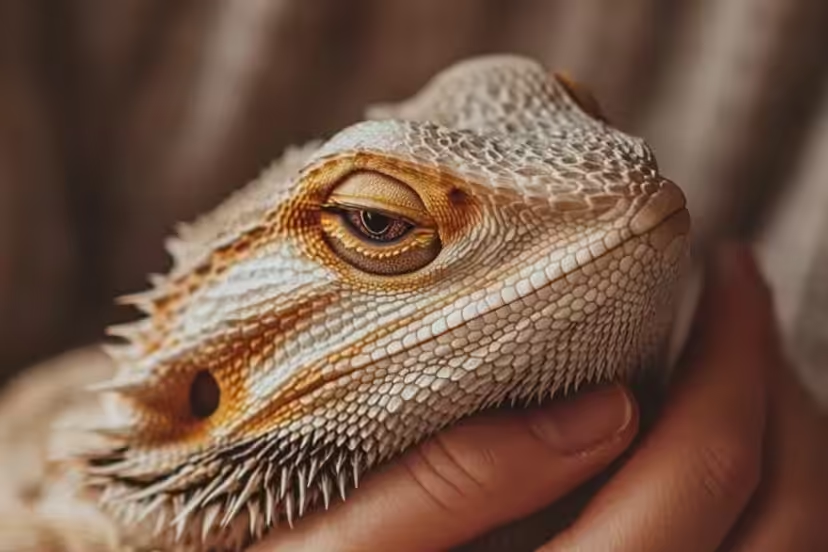
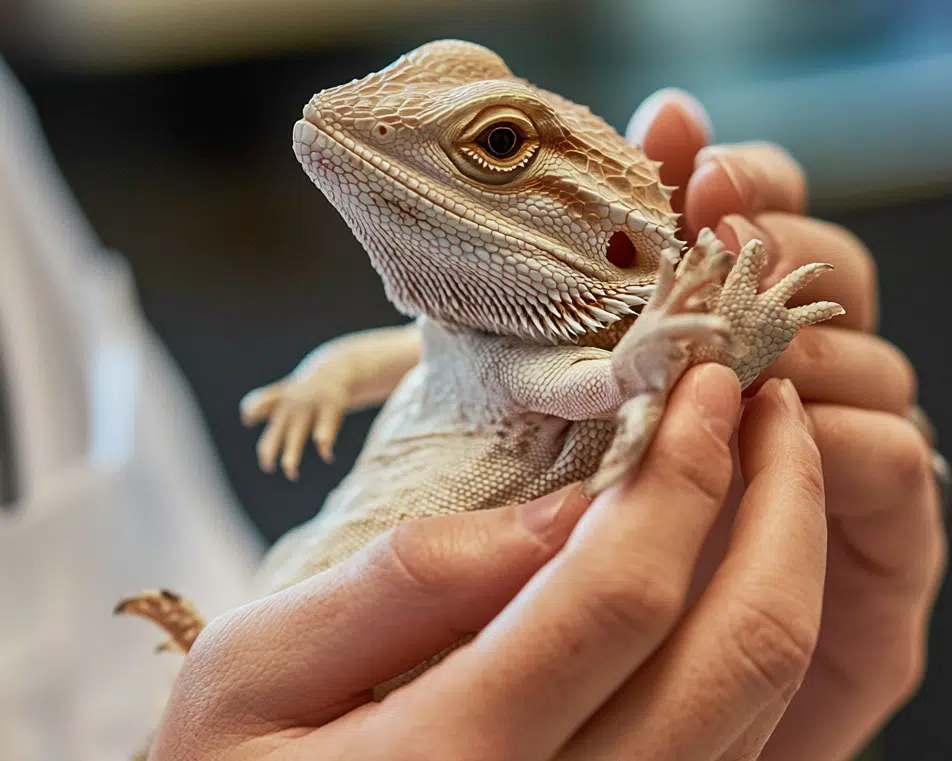
If you own a bearded dragon, you have probably asked: “Does my dragon enjoy being petted?” Well, you’re not alone in that thought! Bearded dragons are fascinating reptiles with personalities that are as unique as their scaly appearance. With petting, the answer depends on the dragon. Let’s explore this curious topic and figure out how much (if at all) our bearded friends appreciate those affectionate strokes.
🦎 Want all the essentials on one printable page?
The Complete Bearded Dragon Care Plan puts daily routines, feeding charts, safe vs. toxic foods and vet red flags into one 16-page PDF for $7.99.
See the Care Plan →Understanding Bearded Dragons’ Natural Behavior
First, look at how bearded dragons behave in the wild.
Bearded Dragons in the Wild
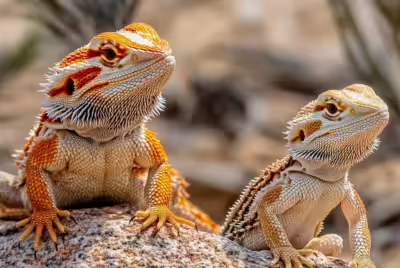
In the wild, bearded dragons are native to the dry, arid regions of Australia. They lead solitary lives, spending much of their time basking under the sun or hunting for insects and other small prey. Social interaction, especially physical contact, isn’t something they naturally seek out. In the wild, bearded dragons live alone and do not seek contact with other animals.
Bearded Dragons as Pets
However, when bearded dragons become pets, their behavior changes slightly. While they may not crave companionship like a dog or cat, they tend to grow more accustomed to human contact over time. Many owners describe them as docile and relatively easy-going, which is one reason they’re such popular reptiles to own. But just because they tolerate human interaction doesn’t necessarily mean they enjoy being petted.
Do Bearded Dragons Enjoy Petting?
So, do bearded dragons enjoy being petted? The answer can be tricky because it depends on several factors.
Differences Between Reptiles and Mammals
Firstly, bearded dragons are reptiles, and reptiles process sensations differently than mammals. While dogs and cats have evolved to enjoy and even crave human touch, reptiles like bearded dragons are wired differently. Their nervous systems are not as attuned to physical sensations like petting, so they might not derive the same emotional satisfaction from it as a cat purring during a cuddle.
The Role of Individual Personality
However, bearded dragons do have individual personalities. Just like people, some might enjoy more physical interaction, while others prefer their own space. Some dragons may appear to love being petted, while others will tolerate it at best. Their response to touch will vary based on factors such as how they were raised and whether they were handled gently from a young age.
Signs Your Bearded Dragon Enjoys Being Petted
If you’re unsure whether your bearded dragon enjoys being petted, look for some of these key signs.
Relaxed Body Language
Observing their body language is one of the easiest ways to tell if your dragon is content during petting. If they remain still, relaxed, and seem comfortable, it’s a good sign. A dragon that enjoys being petted will often lie flat with its body relaxed, not tense or rigid.
Head Bobbing, Eye Closing, and Stillness
Some bearded dragons may show subtle behaviors like closing their eyes or gently bobbing their heads while being petted. Eye closing can indicate they feel safe and unthreatened, which is a positive response. While not a guarantee of enjoyment, it’s often a sign that they are at least comfortable with the contact.
Signs Your Bearded Dragon Dislikes Being Petted
On the flip side, there are clear indicators that your dragon might not be enjoying the petting session.
Defensive Behaviors: Beard Puffing and Hissing
A bearded dragon that feels threatened or stressed may puff out its beard, hiss, or display darkened body colors. These are defensive behaviors, and if you see these signs, it’s best to stop petting immediately and give them space.
Moving Away or Fidgeting
If your dragon fidgets, tries to wriggle out of your hands, or moves away when you approach them, they’re signaling discomfort. Dragons show what they like and dislike through body language, so watch for those signals.
Best Practices for Petting Your Bearded Dragon
Now that we’ve covered the signs, let’s look at some best practices for petting your dragon in a way that makes them more comfortable.
Approaching Your Dragon Gently
Always approach your dragon calmly and slowly. Bearded dragons can be startled by fast movements, and if you come at them too quickly, they may feel threatened. Always approach from the side, where they can see you, rather than from above, which could mimic a predator’s approach.
The Best Places to Pet: Head, Back, and Sides
If your bearded dragon enjoys petting, focus on stroking their head, back, or the sides of their body. Avoid sensitive areas like the belly, legs, and tail, as these spots tend to be more vulnerable, and your dragon may not appreciate being touched there.
How to Build Trust With Your Bearded Dragon
Build trust first. A dragon that trusts you accepts petting more often.
The Importance of Routine Handling
Bearded dragons are creatures of habit, so handling them regularly (but not excessively) can help them get used to human interaction. Gentle, consistent handling from a young age is key to making your dragon feel comfortable with physical contact.
Using Treats and Positive Reinforcement
One way to encourage your dragon to enjoy interaction is by using treats as a reward for good behavior. Hand-feeding your bearded dragon their favorite snacks, like insects or leafy greens, can create positive associations with your presence.
Environmental Factors That Affect Interaction
The environment you create for your dragon can also affect how they respond to being petted.
The Role of Temperature and Light
Bearded dragons rely on their environment to regulate their body temperature. If their enclosure is too cold or too hot, they may be less open to interaction. Maintaining a proper temperature gradient in their habitat will help keep them relaxed and comfortable.
Creating a Calm, Stress-Free Environment
Make sure your dragon’s enclosure is a safe and stress-free space. Loud noises, bright lights, or sudden movements can make them feel anxious, which will make them less likely to enjoy physical contact.
Common Misconceptions About Petting Bearded Dragons
These are common myths about petting bearded dragons.
All Bearded Dragons Enjoy Being Petted
Not all bearded dragons enjoy being petted, and that is fine. Just like people, they have unique personalities and preferences. While some might tolerate or even enjoy a petting session, others might prefer to be left alone.
Petting Automatically Builds a Strong Bond
While petting can help build trust, it’s not the only way to bond with your dragon. Spending time near them, offering treats, and providing a stimulating environment are all great ways to strengthen your connection.
Conclusion
So, do bearded dragons enjoy being petted? It depends on the individual. While some may tolerate or even enjoy gentle petting, others may not be as keen on physical interaction. The key is to pay attention to your dragon’s body language and behavior, ensuring that any interaction is done in a way that makes them feel safe and comfortable. As you build trust and keep stress low, you will learn what your dragon enjoys.
FAQs
1. Can I pet my bearded dragon daily? Yes, as long as your dragon seems comfortable, daily gentle handling is fine. Just be sure to watch for signs of stress.
2. Why does my bearded dragon puff its beard when I pet it? Puffing the beard usually signals discomfort or stress. If this happens, give your dragon some space.
3. Do bearded dragons recognize their owners?
Yes, bearded dragons can recognize their owners, especially through sight and scent. While they don’t form bonds like mammals, they can learn to associate their owner with positive experiences, like feeding or handling, and may respond more calmly when familiar faces approach.
4. Where should I avoid petting my bearded dragon?
Avoid petting sensitive areas like their belly, legs, and tail. These areas can make them feel vulnerable and uncomfortable. Instead, focus on their head, back, and sides, which are less sensitive and where they’re more likely to tolerate touch.
5. How can I help my bearded dragon enjoy being petted?
Start by approaching your dragon slowly and letting them see your hand before you touch them. Gradually introduce gentle petting sessions and reward them with treats to create positive associations. Patience and consistency are key to making your dragon more comfortable with petting over time.

Love your beardie? Wear it proudly.
Bearded Dragon Phone Case – from $24.62. Our own bearded dragon designs, printed on demand. Every order supports these free care guides.
View this design → Browse all gifts