7 Essentials for a Complete Bearded Dragon Care Checklist
Setting up a bearded dragon’s first home can feel more complicated than many pet owners expect. A staggering one in three new owners struggles with temperature zones or lighting requirements, which can influence long-term health. Whether you are caring for a bearded dragon in Canada, the United Kingdom, Australia, or the United States, getting the basics right is critical. Discover what matters most for your new reptile’s happiness and peace of mind with a thorough care checklist.
Table of Contents
- 1. Setting Up The Perfect Habitat Environment
- 2. Choosing The Right Substrate And Decor
- 3. Ensuring Proper Lighting And Heating
- 4. Creating A Balanced Diet And Feeding Routine
- 5. Maintaining Cleanliness And Hygiene
- 6. Regular Health Checks And Common Illness Signs
- 7. Enrichment And Safe Handling Practices
Quick Summary
| Takeaway | Explanation |
|---|---|
| 1. Ensure Proper Habitat Size | Bearded dragons need a minimum 85-gallon tank for their health, with specific temperature zones for basking, cooling, and hiding. |
| 2. Use Appropriate Substrate | Select safe substrates like ceramic tiles or reptile carpet to avoid impaction, ensuring easy cleaning and safety. |
| 3. Maintain Proper Lighting | Provide both heat lamps and UVB lights, covering two-thirds of the tank to promote healthy metabolism and calcium processing. |
| 4. Create a Balanced Diet | A 70% insect and 30% vegetable diet for juveniles, reversing for adults, is crucial for their nutrition and long-term health. |
| 5. Conduct Regular Health Checks | Weekly assessments of behavior, eating habits, and physical condition help catch potential health issues early. |
1. Setting Up the Perfect Habitat Environment
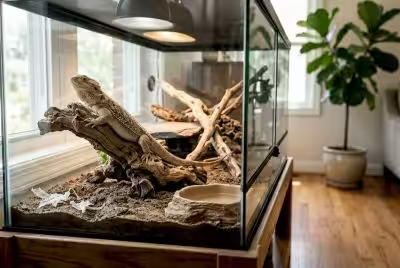
Your bearded dragon’s habitat isn’t just a tank. It’s their entire world. Creating the right environment is crucial for their health, happiness, and overall well-being. These modern-day dinosaurs need a carefully designed space that mimics their natural Australian desert habitat.
Size matters big time when it comes to bearded dragon enclosures. Adult dragons require a minimum 85-gallon tank with specific zones for basking, cooling, and hiding. Understanding how to set up their habitat naturally helps you create a space that feels like home.
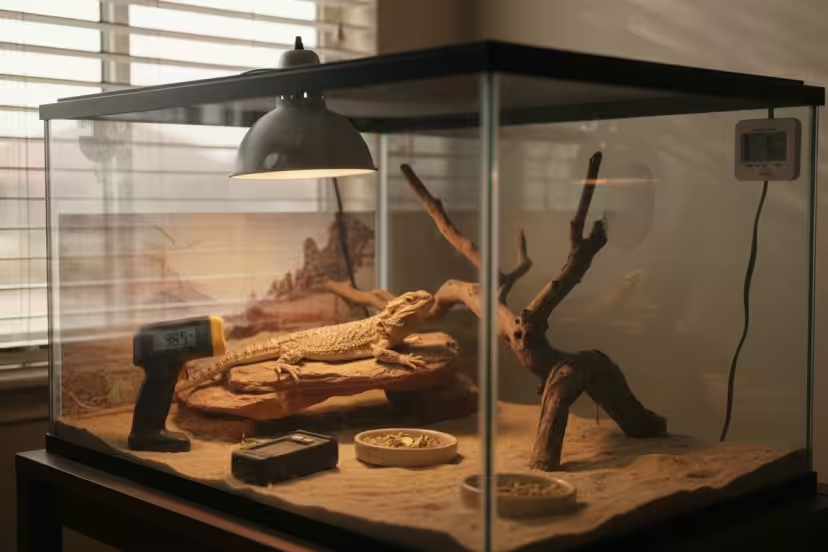
The habitat should include three critical zones: a hot basking area (around 95 to 105 degrees Fahrenheit), a warm side (80 to 85 degrees), and a cooler retreat zone (around 80 degrees). This temperature gradient allows your scaly friend to self-regulate their body temperature just like they would in the wild.
Lighting plays a massive role in their environment. Bearded dragons need full-spectrum UVB lighting to help them process calcium and maintain bone health. Position the UVB lamp to cover about two-thirds of their tank, creating a natural sunlight simulation that supports their diurnal behavior.
Substrate selection is another critical consideration. Avoid loose substrates like sand that can cause impaction. Instead, opt for reptile carpet, ceramic tiles, or slate that provide safe walking surfaces and are easy to clean.
Habitat Essentials Checklist:
- 85 gallon minimum tank size
- Basking lamp with proper wattage
- Full-spectrum UVB lighting
- Temperature gradient zones
- Safe substrate material
- Hiding spots and climbing branches
- Shallow water dish for hydration
Pro Tip: Create multiple hiding spots using reptile caves or cork bark to help your bearded dragon feel secure and reduce stress in their new environment.
2. Choosing the Right Substrate and Decor
Your bearded dragon’s home is more than just an enclosure. It is a carefully crafted ecosystem where substrate and decor play pivotal roles in their physical and mental well-being. Understanding substrate options for bearded dragon habitats is crucial for creating a safe and stimulating environment.
Substrate selection is not a one-size-fits-all decision. Different materials offer unique benefits and risks. Loose substrates like sand can cause dangerous impaction, while safer alternatives provide comfort and ease of cleaning. Paper towels, ceramic tiles, and reptile carpets are top recommendations for new dragon owners.
Substrate Safety Ranking:
- Paper towels: 100% safe, easy to replace
- Ceramic tiles: Extremely safe, easy to clean
- Reptile carpet: Safe with regular maintenance
- Shelf liner: Good alternative with minimal risks
- Sand: High risk of impaction (avoid for younger dragons)
Decor is not just about aesthetics. It is about creating a habitat that mimics their natural Australian desert environment. Climbing branches, rock formations, and multiple hiding spots help your bearded dragon feel secure and mentally stimulated.
When selecting decor, consider these key elements:
- Stable basking platforms
- Multiple hiding spots
- Climbing branches and rocks
- Varied surface textures
- Objects that allow thermoregulation
Material Considerations:
- Use reptile-safe woods
- Avoid sharp or rough edges
- Select items that can withstand high temperatures
- Ensure decorations are securely placed
- Clean and disinfect new items before introduction
Pro Tip: Rotate your bearded dragon’s decor periodically to provide mental stimulation and prevent boredom in their habitat.
3. Ensuring Proper Lighting and Heating
Lighting and heating are the lifeblood of your bearded dragon’s health and happiness. These cold-blooded creatures rely entirely on external sources to regulate their body temperature and metabolic functions. Understanding lighting schedules and safety considerations is crucial for their survival.
Bearded dragons need two distinct types of lighting: heat lamps and UVB lights. Heat lamps create the necessary temperature gradient that allows them to thermoregulate, while UVB lights are essential for vitamin D synthesis and calcium metabolism.
Lighting Configuration Essentials:
- Basking lamp: 95 to 105 degrees Fahrenheit
- Warm side temperature: 80 to 85 degrees
- Cool side temperature: Around 80 degrees
- UVB light coverage: Two-thirds of tank area
- Daily light cycle: 12 to 14 hours
Positioning is everything when it comes to lighting. Place the basking lamp at one end of the tank to create a temperature gradient. This allows your dragon to move between warmer and cooler areas as needed. The UVB light should be mounted close enough to provide adequate radiation but not so close that it causes overheating.
Recommended Equipment:
- Digital thermometer with dual zone reading
- Ceramic heat emitter for nighttime
- Dedicated UVB fluorescent tube
- Reliable thermostat with safety shutoff
- Timer for consistent light cycles
Pro Tip: Replace your UVB bulb every six months, even if it seems to be working, as the beneficial radiation diminishes over time.
4. Creating a Balanced Diet and Feeding Routine
Feeding your bearded dragon is more than just tossing some crickets into their habitat. Crafting a balanced diet plan is crucial for their long-term health and vitality.
Bearded dragons are omnivores with specific nutritional needs that change dramatically as they age. Young dragons require a diet heavily weighted toward protein, while adult dragons need more vegetation. The general rule of thumb is a 70% insect-to-30 % vegetable diet for juveniles and a reverse ratio for adults.
Protein Sources:
- Crickets
- Dubia roaches
- Mealworms
- Superworms
- Hornworms
- Silkworms
Vegetable Variety:
- Collard greens
- Mustard greens
- Dandelion greens
- Butternut squash
- Bell peppers
- Occasional fruits like berries
Supplementation Strategy:
- Calcium powder (3x weekly for juveniles)
- Multivitamin supplement (1x weekly)
- Gut load insects before feeding
- Dust insects with calcium powder
Feeding Frequency:
- Juveniles: 2 to 3 times daily
- Adults: Once daily
- Always provide fresh vegetables
- Remove uneaten insects after 15 minutes
Pro Tip: Rotate protein sources and vegetable types to prevent nutritional boredom and ensure a comprehensive diet for your scaly companion.
5. Maintaining Cleanliness and Hygiene
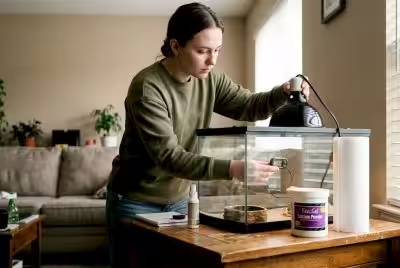
Cleanliness is not just about appearances when it comes to your bearded dragon habitat. It is a critical component of preventing disease and ensuring your scaly friend stays healthy. Understanding proper hygiene protocols can literally save your dragon’s life.
A clean habitat means more than just removing visible waste. You need to create a comprehensive cleaning strategy that addresses daily maintenance, weekly deep cleaning, and occasional complete habitat refreshes. Different substrate types will require unique approaches to sanitization.
Daily Cleaning Routine:
- Remove feces immediately
- Wipe down water and food dishes
- Check for uneaten food
- Spot clean substrate
- Ensure no moisture accumulates
Weekly Deep Cleaning Checklist:
- Completely change substrate
- Disinfect all decor items
- Wash food and water containers
- Check for any signs of mold or bacterial growth
- Inspect habitat for damage
Critical Hygiene Practices:
- Always wash hands before and after handling
- Use reptile-safe disinfectants
- Avoid cross-contamination between clean and dirty areas
- Wear disposable gloves during cleaning
- Use separate cleaning tools for habitat
Sanitation Recommendations:
- Use paper towels for initial wipe-downs
- Employ reptile-specific cleaning solutions
- Rinse all items thoroughly after disinfecting
- Allow surfaces to dry completely
- Replace items only after complete drying
Pro Tip: Create a laminated cleaning checklist and post it near your bearded dragon’s habitat to ensure you never miss a critical hygiene step.
6. Regular Health Checks and Common Illness Signs
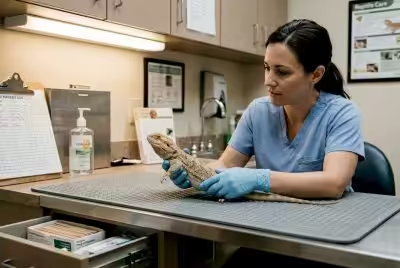
Your bearded dragon might be an expert at hiding health problems, but vigilant owners can catch potential issues early. Understanding veterinary health monitoring protocols can mean the difference between minor treatment and serious medical intervention.
Regular health checks are not just about spotting obvious problems. They involve a comprehensive assessment of your dragon’s physical condition, behavior, and overall wellness. Think of it like a routine car maintenance check for your scaly companion.
Weekly Physical Examination Checklist:
- Check skin for discoloration or unusual marks
- Inspect mouth for signs of rot or inflammation
- Examine eyes for clarity and discharge
- Assess body weight and muscle condition
- Monitor bathroom habits and stool consistency
Red Flag Health Symptoms:
- Lethargy or reduced movement
- Dramatic weight loss
- Unusual lumps or swelling
- Abnormal breathing patterns
- Lack of appetite
- Discolored or runny stool
Behavioral Warning Signs:
- Persistent hiding
- Refusal to bask
- Unusual aggression
- Tilting head
- Uncoordinated movements
- Extended periods of inactivity
Essential Health Tracking:
- Maintain a health journal
- Take weekly weight measurements
- Photograph any unusual symptoms
- Schedule annual veterinary checkups
- Learn baseline normal behaviors
Pro Tip: Take clear photos of your bearded dragon during weekly check-ups to create a visual health history you can easily share with veterinarians.
7. Enrichment and Safe Handling Practices
Bearded dragons are not just pets. They are intelligent creatures that crave mental stimulation and social interaction. Developing effective enrichment strategies can transform your relationship with your scaly companion from mere ownership to genuine companionship.
Enrichment goes far beyond simply providing a habitat. It involves creating an environment that challenges and engages your bearded dragon’s natural behaviors, preventing boredom and promoting physical and mental wellness.
Physical Enrichment Activities:
- Create obstacle courses with safe climbing structures
- Rotate habitat decor weekly
- Provide varied texture surfaces
- Introduce puzzle feeding techniques
- Allow supervised exploration outside habitat
Safe Handling Techniques:
- Move slowly and predictably
- Support the entire body during handling
- Start with short interaction periods
- Watch for stress signals
- Allow dragon to initiate contact
- Wash hands before and after interaction
Behavioral Engagement Strategies:
- Use gentle hand feeding
- Talk softly during interactions
- Recognize individual personality traits
- Respect dragon’s mood and energy level
- Learn their communication signals
Mental Stimulation Ideas:
- Play gentle tracking games
- Use mirrors for short interactions
- Introduce new visual experiences
- Create temperature gradient zones
- Offer live prey hunting opportunities
Pro Tip: Invest in a digital thermometer with a laser pointer function to create interactive tracking games that stimulate your bearded dragon’s natural hunting instincts.
Below is a detailed table summarizing the crucial points for establishing a suitable habitat and care routine for bearded dragons, as discussed in the article.
| Aspect | Key Details | Importance |
|---|---|---|
| Habitat Size | A minimum of 85-gallon tank with basking, warm, and cool zones. | Proper spatial allocation ensures thermoregulation and comfort. |
| Temperature Regulation | Maintain a basking area (95–105°F), a warm side (80–85°F), and a cool side (around 80°F). | Keeps the bearded dragon healthy and able to regulate its body temperature effectively. |
| UVB Lighting | Provide full-spectrum UVB light over two-thirds of the enclosure. | Facilitates calcium absorption, essential for bone health. |
| Substrate Safety | Use reptile carpet, ceramic tiles, or slate tiles. Avoid loose substrates like sand. | Prevents risks such as impaction and ensures easy maintenance. |
| Safe Decor | Stable climbing branches, multiple hiding spots, and basking platforms made from smooth, heat-tolerant materials. | Offers physical and mental enrichment while reducing stress. |
| Feeding Considerations | Juveniles require a protein-rich diet (70% insects, 30% vegetables). Adults need a vegetation-focused diet (30% protein, 70% vegetables). Include supplements. | Ensures proper nutrition, growth, and health across life stages. |
| Hygiene Practices | Daily spot cleaning and weekly deep cleaning of the enclosure and decor. | Maintains a sanitized environment to prevent infections and diseases. |
| Health Monitoring | Monitor physical condition, weight, and behaviors for early signs of illness. Perform weekly checks and keep track with records. | Allows early detection and treatment of potential health issues. |
| Enrichment | Offer varied textures, climbing opportunities, and supervised exploration outside the habitat. Rotate decor regularly. | Prevents boredom and supports the bearded dragon’s natural behaviors and psychological well-being. |
This table presents an overview of the vital aspects essential for the care and well-being of bearded dragons.
Master the Art of Bearded Dragon Care with Expert Support
Caring for a bearded dragon means addressing their unique needs like proper lighting, habitat setup, and a balanced diet, as highlighted in the “7 Essentials for a Complete Bearded Dragon Care Checklist.” If you have struggled to create the perfect temperature zones or to choose safe substrates, you are not alone. Every owner wants their scaly companion to thrive with less stress and more joy. That is why gobeardeddragon.com is your trusted partner for detailed guides on creating ideal habitats, feeding routines, and health checks.

Discover comprehensive articles on bearded dragon lighting and heating, explore practical tips to maintain cleanliness and hygiene, and learn how to enrich your dragon’s life with safe handling practices. Take control now and give your bearded dragon the care it deserves by visiting gobeardeddragon.com, where knowledge meets passion. Start your journey to confident bearded dragon ownership today.
Frequently Asked Questions
What is the ideal size for a bearded dragon habitat?
A bearded dragon needs a minimum of a 85-gallon tank to thrive. Ensure that the enclosure has designated basking, warm, and cool zones to help your dragon maintain a proper temperature gradient.
How do I create a temperature gradient in a bearded dragon’s habitat?
To create a temperature gradient, set the basking area at 95 to 105 degrees Fahrenheit, the warm side at 80 to 85 degrees, and the cooler area at around 80 degrees. Use a reliable thermometer to monitor these temperatures and adjust the heat sources as needed.
What type of substrate is safe for a bearded dragon’s habitat?
Safe substrate options include ceramic tiles, reptile carpet, and paper towels, as they minimize the risk of impaction. Avoid loose substrates like sand, especially for younger dragons, to ensure their safety and health.
How often should I clean my bearded dragon’s habitat?
Perform daily cleaning by removing waste and checking food dishes, along with a weekly deep clean by changing the substrate and disinfecting decor. Establishing this routine maintains hygiene and prevents health issues for your dragon.
How do I monitor my bearded dragon’s health effectively?
Conduct weekly health checks by observing physical condition, behavior, and bathroom habits. Maintain a health journal to track weight, changes, and any symptoms over time, which is essential for catching issues early.
What enrichment activities can I offer my bearded dragon?
Provide enrichment through obstacle courses, varied texture surfaces, and supervised exploration outside the habitat. Rotate decorations and incorporate puzzle feeding techniques to keep your dragon stimulated and engaged.