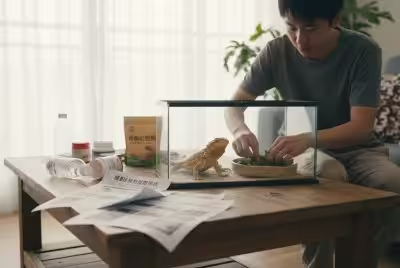
7 Bearded Dragon Accessories Every Owner Needs

Finding the perfect setup for your bearded dragon can feel like a test of patience for any reptile owner. With over 85 percent of reptile health issues linked to improper habitat conditions, it’s clear that the right enclosure and equipment are not just extras. They directly impact your pet’s comfort, safety, and long-term health. This guide covers the gear your bearded dragon needs, from the enclosure to monitoring tools.
Table of Contents
- 1. Reliable Enclosure For Comfort And Safety
- 2. Proper Lighting And UVB Bulbs For Health
- 3. Effective Heating Devices For Temperature Control
- 4. Quality Substrate For A Clean Habitat
- 5. Feeding Tools And Dishes To Simplify Meals
- 6. Hides And Climbing Decor For Enrichment
- 7. Digital Thermometers And Hygrometers For Monitoring
🦎 Want all the essentials on one printable page?
The Complete Bearded Dragon Care Plan puts daily routines, feeding charts, safe vs. toxic foods and vet red flags into one 16-page PDF for $7.99.
See the Care Plan →Quick Summary
| Takeaway | Explanation |
|---|---|
| 1. Minimum enclosure size matters | Adult bearded dragons need a habitat at least 1.2 meters long to feel secure. |
| 2. Provide adequate UVB lighting | Use full-spectrum UVB bulbs for 12-14 hours daily to prevent health issues like metabolic bone disease. |
| 3. Maintain proper temperature gradient | Ensure a thermal gradient of 27°C to 45°C for effective thermoregulation and comfort for your dragon. |
| 4. Choose a safe, easy-to-clean substrate | Use substrates like newspaper or paper towels to avoid health risks associated with ingestion and make cleaning easier. |
| 5. Monitor with thermometers and hygrometers | Use digital devices to track temperature and humidity in your bearded dragon’s enclosure. |
1. Reliable Enclosure for Comfort and Safety
Your bearded dragon’s home is more than just a space; it’s their entire world. Creating a reliable, comfortable enclosure isn’t just about aesthetics; it’s about survival and happiness for your scaly companion.
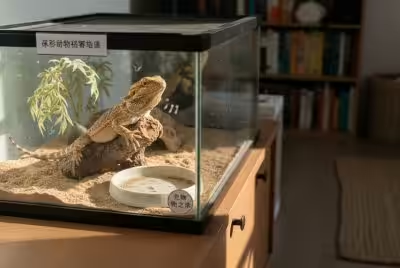
According to the RSPCA, adult bearded dragons require a spacious habitat measuring between 1.2 and 1.8 meters long. Length matters more than height because bearded dragons live mostly on the ground. Set up the enclosure to copy their natural environment.
Key Habitat Requirements:
- Minimum length of 1.2 meters for adult dragons
- Wide base rather than tall vertical space
- Stable, secure climbing structures
- Temperature gradient for thermoregulation
- Safe, sturdy furniture that won’t shift or collapse
The New South Wales Department of Education recommends incorporating small branches, hollow logs, and rocks to recreate their natural habitat. But here’s a pro tip: place these structures directly on the enclosure base to prevent potential collapses from digging.
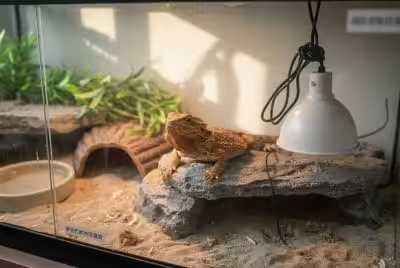
When setting up your dragon’s kingdom, prioritize a designated basking area with a heat lamp. This spot should be large enough for your lizard to stretch out completely, positioned at one end to create a natural temperature gradient. Imagine it as their personal sunbathing zone where they can regulate their body heat just like they would in the wild.
Choose substrates that are easy to clean, such as newspaper or paper towels. Avoid overly humid environments. Bearded dragons need dry air, with humidity at 30-40%. Your goal is to transform a simple enclosure into a safe, stimulating habitat that makes your bearded dragon feel like royalty.
2. Proper Lighting and UVB Bulbs for Health
Imagine your bearded dragon as a tiny solar-powered mood ring that needs specific light to stay healthy. Proper lighting is not just about illumination, its a critical lifeline for your scaly friend.
According to the MSD Veterinary Manual, UVB lighting drives your dragon’s calcium metabolism and overall health. Without the right light, these little reptiles can develop serious conditions like metabolic bone disease.
Key Lighting Requirements:
- Full-spectrum UVB bulbs
- 12 14 hours of light daily
- Replace bulbs every 6 12 months
- Cover two-thirds of the enclosure
The Reptiles and Research organization recommends using high-quality UVB bulbs such as the Arcadia 12% or Reptisun 10.0. These bulbs let your bearded dragon make vitamin D3 and absorb calcium.
Think of UVB lighting like a vitamin supplement for your dragon. Just as humans need certain nutrients, these reptiles require specific light wavelengths to maintain their health. Place the UVB bulb so it covers a significant portion of their habitat, allowing them to move in and out of the light as needed.
Pro tip: Set up a consistent light cycle that mimics natural daylight. This means providing 12 to 14 hours of light followed by a dark period. Your bearded dragon will thank you with vibrant colors and robust health.
3. Effective Heating Devices for Temperature Control
Your bearded dragon needs a hot basking spot and a cooler side. Heating devices are not just accessories; they are life support systems for these cold-blooded companions.
According to the RSPCA, bearded dragons require a precise thermal gradient ranging from 27°C to 45°C. This isn’t just a suggestion, it’s a biological necessity for their survival and well-being.
Critical Temperature Zones:
- Basking area: Up to 45°C
- Cooler zone: Around 27°C
- Gradient across the entire enclosure
- Two-sided heating for full body warmth
The New South Wales Department of Education recommends positioning basking lamps at one end of the enclosure. This strategic placement allows your dragon to move between warm and cool zones, regulating their body temperature just like they would in their natural desert habitat.
When selecting heating devices, consider ceramic heat emitters or specialized reptile basking bulbs. Your goal is to create a temperature map that lets your bearded dragon be the master of its own thermal universe. Imagine giving them a personal climate control system where they can sunbathe or cool down at will.
Pro tip: Always use a reliable digital thermometer to monitor different zones in the enclosure. Your scaly friend will reward you with vibrant health and an attitude that screams desert royalty.
4. Quality Substrate for a Clean Habitat
Think of substrate as your bearded dragon’s floor covering and personal hygiene zone. Choosing the right base for their enclosure is like picking the perfect carpet for a very particular roommate who happens to be a scaly desert dweller.
According to the RSPCA, the substrate should prioritize two key factors: ease of cleaning and preventing potential health risks. They recommend simple options like newspaper or paper towels that make maintenance a breeze.
Substrate Selection Priorities:
- Easy to clean
- Prevents accidental ingestion
- Supports reptile health
- Maintains a dry environment
- Safe for digging behavior
The Unusual Pet Vets highlight multiple substrate options, including newspaper, recycled paper cat litter, artificial turf, and commercial reptile bedding. The critical factor is understanding your specific dragon’s behavior and avoiding materials that could cause accidental ingestion.
Sand might look appealing, but it can be a health hazard if your dragon accidentally swallows it. Imagine tiny grains causing internal blockages, sounds like a reptile nightmare. Stick to safer alternatives that mimic their natural environment without risking their well-being.
Pro tip: Whatever substrate you choose, commit to regular spot cleaning and complete substrate replacement to keep your bearded dragon’s kingdom pristine and healthy. Your scaly friend will appreciate a clean home that feels just like their desert paradise.
5. Feeding Tools and Dishes to Simplify Meals
Feeding your bearded dragon is not just about nutrition; it is a delicate art of balancing practicality and dragon dining etiquette. The right feeding tools can transform mealtime from a messy adventure to a smooth culinary experience.
According to the MSD Veterinary Manual, your feeding dishes should be more than just containers; they are critical tools for maintaining your dragon’s health and hygiene.
Feeding Dish Requirements:
- Shallow and sturdy design
- Separate dishes for insects and vegetables
- Easy to clean surfaces
- Weighted to prevent tipping
- Appropriate size for your dragon
Reptiles and Research recommends using heavy bowls that resist tipping, a critical feature when dealing with an enthusiastic eater who might accidentally knock over their dinner. Think of these dishes as your dragon’s personal restaurant setup.
Consider getting a wide water dish that allows your bearded dragon to soak. This serves a dual purpose of hydration and helping with shedding, a mini spa treatment for your scaly friend. Ceramic or glass dishes work best as they are non-porous and easier to sanitize.
Pro tip: Wash feeding dishes after every meal and replace water daily. Your bearded dragon deserves a five-star dining experience complete with impeccable table service.
6. Hides and Climbing Decor for Enrichment
Your bearded dragon is part adventurer, part couch potato, and their habitat should reflect both personalities. Hides and climbing decor are not just decorations; they are the theme park of your dragon’s tiny universe.
According to the New South Wales Department of Education, small branches, hollow logs and rocks help copy their natural environment and give them places to perch.
Habitat Enrichment:
- Secure climbing structures
- Stable base placement
- Multiple hiding spots
- Varied terrain levels
- Heat source proximity
The RSPCA recommends incorporating rocks and branches that cater to your dragon’s climbing instincts. But here is the catch: place these items directly on the enclosure base to prevent potential collapses from digging.
Think of your dragon’s habitat as a miniature desert playground. Hollow logs become secret tunnels, rocks transform into sunbathing platforms, and branches become highways for exploration. Just ensure everything is securely anchored; your little explorer deserves a safe adventure zone.
Pro tip: Less is more. Avoid overcrowding the space. Your bearded dragon wants room to move, not a cluttered obstacle course. Create zones that allow climbing, hiding, and basking with plenty of open space to roam.
7. Digital Thermometers and Hygrometers for Monitoring
Imagine being a bearded dragon with no way to tell if your home feels right. Digital thermometers and hygrometers are like your dragon’s personal comfort detectives tracking the temperature and humidity of their miniature kingdom.
According to the MSD Veterinary Manual, monitoring environmental conditions is not just a suggestion it is a critical aspect of reptile health care. These small devices warn you before temperatures go wrong.
Monitoring Tools:
- Digital thermometers in basking and cool zones
- Hygrometers to track humidity levels
- Several sensors to track the warm and cool sides
- Regular daily checks
- Quick adjustment capabilities
Reptiles and Research recommends placing digital thermometers at both the basking and cool ends of the enclosure. This strategy helps you understand and maintain the critical temperature gradient that keeps your scaly friend healthy.
Think of these devices as your dragon’s personal climate control system. A good digital thermometer and hygrometer combo will help you create a habitat that feels just like their native Australian desert environment. No guesswork. No stress. Just precise environmental management.
Pro tip: Choose devices with large digital displays and backup battery systems. Your bearded dragon deserves a home that is monitored with scientific precision and parental love.
This table sums up the key points from the article.
| Topic | Description | Key Considerations |
|---|---|---|
| Enclosure Setup | Create a spacious, stable environment with natural-looking décor and climbing structures. | Must have a minimum length of 1.2 meters with a wide base. |
| Lighting and UVB Bulbs | Needed for calcium metabolism and overall health. | Use full-spectrum UVB bulbs, replace every 6-12 months. |
| Heating Devices | Provide a thermal gradient for temperature control. | Maintain zones from 27°C to 45°C; use reliable thermometers. |
| Substrate Selection | Choose easy-to-clean materials, avoiding health risks like accidental ingestion. | Options include newspaper, paper towels, and avoiding sand. |
| Feeding Tools and Dishes | Use appropriate dishes for separate food types. | Must be sturdy, easy to clean, and appropriately sized. |
| Habitat Enrichment | Include hides and climbing decor to mimic the natural habitat. | Secure placement, avoid overcrowding, and provide varied terrain. |
| Monitoring Devices | Use digital thermometers and hygrometers for environmental tracking. | Regular checks ensure accurate temperature and humidity levels. |
Equip Your Bearded Dragon’s Habitat with Confidence and Care
Creating the perfect home for your bearded dragon involves more than just buying accessories. With the right heat gradient and UVB lighting, you build a safe, interesting home for your pet. This article highlights common challenges like choosing the right substrate, avoiding health risks, and ensuring proper enclosure size all critical for your dragon’s well-being.

Take the guesswork out of your bearded dragon care routine by visiting gobeardeddragon.com. Read our guides on habitat maintenance, feeding tools and health checklists.
Frequently Asked Questions
What size enclosure do I need for my bearded dragon?
A bearded dragon needs an enclosure that is at least 1.2 meters long. Ensure that the space is wide and stable to accommodate their terrestrial nature rather than vertical climbing.
How do I set up proper lighting and UVB bulbs for my bearded dragon?
Install full-spectrum UVB bulbs that provide 12 to 14 hours of light daily. Replace T5 tubes every 12 months and T8 tubes every 6 months.
What type of heating devices should I use for my bearded dragon’s habitat?
Use basking lamps or ceramic heat emitters to create a temperature gradient between 27°C and 45°C. Place these heat sources at one end of the enclosure so your dragon can move between warm and cool areas.
What substrate is best for my bearded dragon’s enclosure?
Select easy-to-clean substrates like newspaper or paper towels. Avoid sandy or loose materials, as they can pose health risks from accidental ingestion.
How can I make feeding easier for my bearded dragon?
Provide shallow, weighted feeding dishes for insects and vegetables to prevent tipping. Make sure to clean these dishes after each meal to maintain hygiene in your dragon’s feeding area.
What type of climbing decor should I offer to enrich my bearded dragon’s habitat?
Incorporate stable climbing structures like small branches and hollow logs. Ensure they are securely placed on the enclosure base to prevent fall hazards and provide your dragon with exploration opportunities.

Love your beardie? Wear it proudly.
Dragon Whisperer Mug – from $10.43. Our own bearded dragon designs, printed on demand. Every order supports these free care guides.
View this design → Browse all gifts