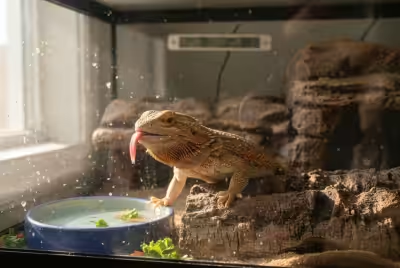
Bearded Dragon Gaping Explained: Complete Guide
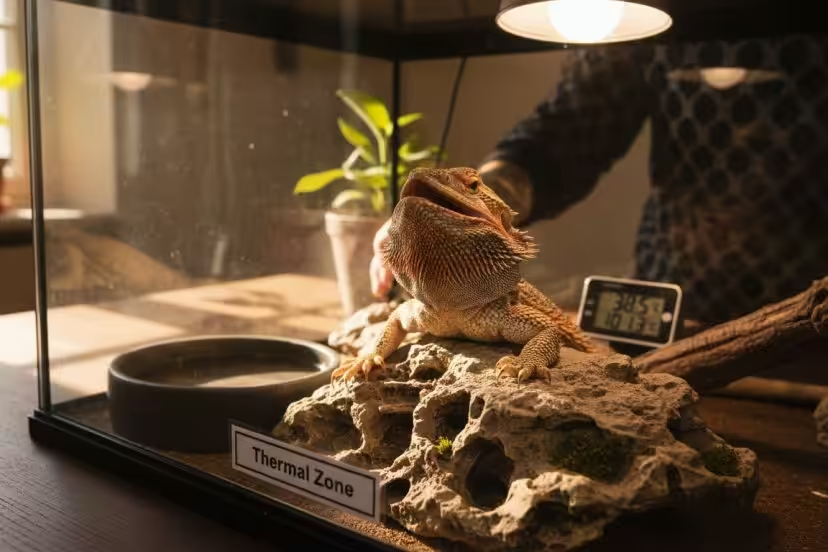
Most pet owners are surprised to learn that over 70 percent of bearded dragon behavior questions relate to gaping, that wide-mouthed pose often seen during basking. For new reptile keepers, this sight can feel odd and even a bit alarming. Understanding why bearded dragons display this behavior helps owners distinguish between natural cooling behaviors and potential health concerns, offering peace of mind and elevating pet care for these captivating reptiles.
Table of Contents
- Understanding Gaping In Bearded Dragons
- Normal Reasons Bearded Dragons Gape
- Abnormal Gaping And Health Concerns
- Environmental And Behavioral Triggers
- When To Worry And Seek Veterinary Help
Key Takeaways
| Point | Details |
|---|---|
| Gaping as Thermoregulation | Bearded dragons gape primarily to regulate temperature by increasing airflow and dissipating heat, which is vital for their ectothermic nature. |
| Normal vs. Abnormal Gaping | Occasional gaping during basking is typical; however, persistent gaping may indicate health issues like respiratory infections or metabolic disorders. |
| Environmental Influences | Proper habitat setup with appropriate thermal gradients is essential; stressors such as noise or habitat changes can increase gaping behavior. |
| Veterinary Intervention | Recognize warning signs, such as prolonged gaping with other symptoms, and seek veterinary care promptly to ensure your dragon’s health. |
Understanding Gaping in Bearded Dragons
Gaping is a fascinating temperature regulation mechanism that reveals just how sophisticated these scaly buddies can be. When bearded dragons open their mouths wide while basking, they’re essentially performing a cool-down ritual that helps them manage their body heat. This behavior might look weird to new owners, but it’s actually a critical survival strategy for these reptilian friends.
According to research from reptile husbandry experts, bearded dragons exhibit gaping as a natural thermoregulatory response. By keeping their mouths open, they increase airflow and dissipate excess heat, much like dogs panting to cool down. This process allows them to maintain an optimal body temperature, which is crucial since they’re ectothermic animals that rely on external heat sources to regulate their internal temperature.
Gaping isn’t just about cooling down. It can also signal various health conditions. While occasional gaping during intense basking is normal, prolonged or frequent mouth-opening may indicate issues such as respiratory infections, stress, or thermal discomfort. Responsible bearded dragon owners should closely monitor this behavior, noting its context and frequency. Is your dragon gaping after extended time under heat lamps? That’s likely normal. Is it happening constantly, even in cooler environments? That might warrant a closer look or a veterinary consultation.
To help your bearded dragon maintain healthy temperature regulation, ensure their habitat has proper thermal gradients. Create a setup with warm basking spots and cooler retreat areas, allowing your scaly friend to move between zones and self-regulate effectively. A well-designed terrarium with appropriate temperature ranges will minimize excessive gaping and support your dragon’s natural cooling mechanisms.
Normal Reasons Bearded Dragons Gape
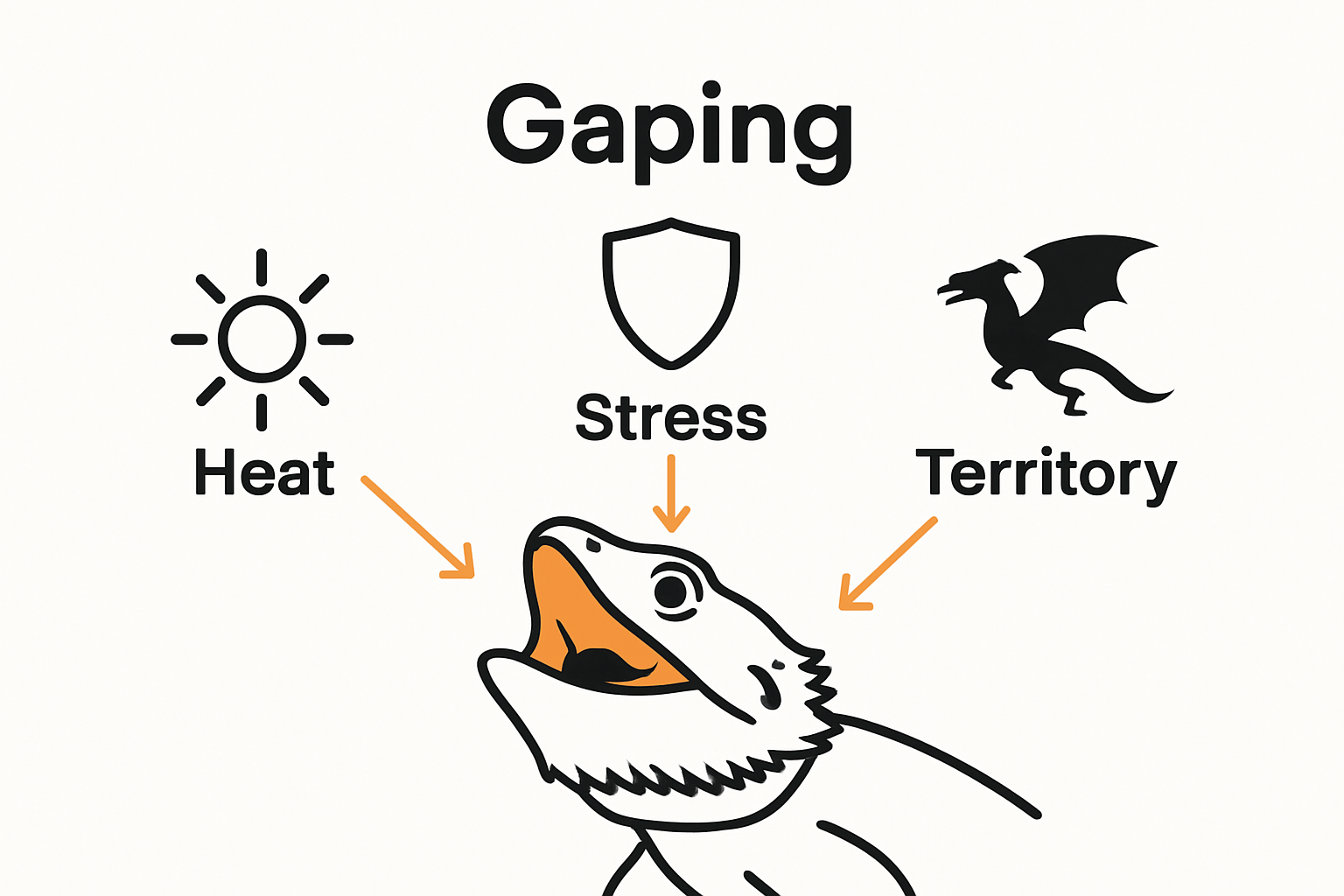
Bearded dragons are masters of communication, and gaping is one of their most intriguing ways of expressing themselves. Thermoregulation is the primary reason these quirky reptiles open their mouths wide, acting like a built-in air conditioning system. When your scaly friend stretches their mouth open during basking, they’re not trying to look intimidating – they’re actually cooling down their body in the most efficient way possible.
Besides temperature control, gaping serves several other normal physiological functions. Dragons might open their mouths to release excess heat when their body temperature rises above their comfort zone, essentially performing a natural cooling mechanism. Think of it like a reptilian version of sweating. This behavior is entirely natural and helps them maintain their optimal internal temperature, especially during intense basking sessions or in warmer environments.
Some additional normal reasons for gaping include stress relief and territorial communication. Male bearded dragons often gape as a display of dominance, making themselves appear larger and more intimidating to potential rivals. It’s their way of saying “back off” without resorting to physical confrontation. Younger dragons might also gape when feeling overwhelmed or trying to assert themselves in a new environment. This behavior is part of their complex social signaling system, helping them navigate social interactions and establish boundaries.
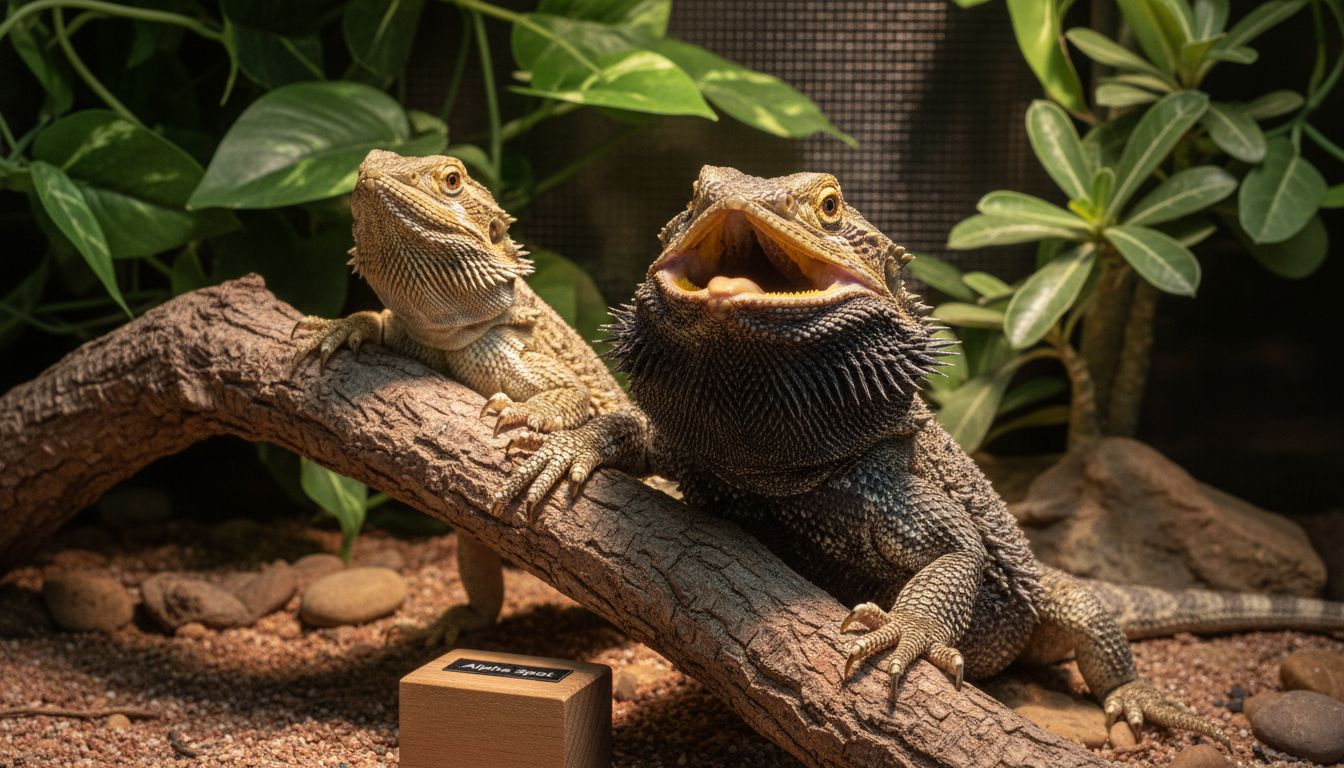
Understanding these normal gaping behaviors can help you become a more attentive and informed bearded dragon owner. By recognizing the difference between routine gaping and potential health issues, you’ll be better equipped to interpret your dragon’s needs and ensure their comfort. Just remember, a little mouth-stretching during basking is totally normal – it’s when the gaping becomes excessive or is accompanied by other symptoms that you might want to pay closer attention.
Abnormal Gaping and Health Concerns
While gaping is typically usual, persistent or unusual mouth-opening can signal serious health issues that require immediate attention. Respiratory infections are one of the most critical conditions associated with abnormal gaping in bearded dragons. Persistent gaping accompanied by wheezing or unusual sounds could indicate a potentially life-threatening respiratory condition that requires prompt veterinary intervention.
Another significant health concern related to abnormal gaping involves underlying metabolic disorders. Bearded dragons experiencing Metabolic Bone Disease (MBD) might display abnormal behaviors, including unusual gaping patterns. This condition can cause significant discomfort, weakness, and structural changes that may manifest as abnormal mouth positioning or prolonged gaping. The discomfort from MBD can lead to changes in your dragon’s typical communication and thermoregulation behaviors.
Certain environmental and physiological factors can trigger abnormal gaping that shouldn’t be ignored. Extreme stress, inappropriate habitat temperatures, inadequate humidity, and potential parasitic infections can all contribute to unusual mouth-opening behaviors. Look for additional warning signs, such as lethargy, decreased appetite, mucus around the mouth, unusual breathing patterns, or changes in skin color. These symptoms, combined with persistent gaping, suggest your bearded dragon might be experiencing more than a simple cooling mechanism.
If you notice your bearded dragon gaping excessively or displaying any concerning symptoms, immediate veterinary consultation is crucial. Reptile specialists can perform comprehensive examinations to diagnose underlying issues and provide targeted treatments. Remember, early detection and intervention can make a significant difference in your scaly friend’s health and overall quality of life.
Environmental and Behavioral Triggers
Bearded dragons are sensitive creatures, and their surrounding environment can dramatically influence their gaping behavior. Temperature plays a critical role in regulating their mouth-opening patterns. The ideal habitat should feature a carefully designed thermal gradient, with basking spots between 95 and 105 degrees Fahrenheit and cooler areas around 80 degrees. Temperatures outside these ranges can trigger stress responses, causing your scaly friend to gape excessively as a survival mechanism.
Social interactions and territorial dynamics significantly impact a bearded dragon’s gaping behavior. Male dragons often use gaping as a sophisticated communication tool, displaying dominance or expressing territorial boundaries. This isn’t just random mouth-opening – it’s a complex social signal. Younger dragons might gape when feeling overwhelmed or attempting to establish their position in a social hierarchy, essentially using their mouth as a nonverbal communication method. Interactions with other dragons, or even perceived threats in their environment, can prompt these dramatic displays.
Stress is another profound trigger for abnormal gaping behaviors. Environmental disruptions, such as sudden loud noises, frequent handling, the introduction of new habitat elements, or changes in routine, can cause significant anxiety. Your bearded dragon might respond by gaping more frequently, signaling their discomfort. Additional stress indicators include hiding more often, decreased appetite, and unusual lethargy. Recognizing these subtle communication cues can help you create a more comfortable and stable environment for your reptilian companion.
To minimize stress-induced gaping, focus on creating a consistent, predictable habitat. Maintain stable temperatures, minimize sudden environmental changes, and provide plenty of hiding spots and visual barriers. Gradual, gentle interactions and respecting your dragon’s personal space can significantly reduce their stress levels and, consequently, reduce excessive gaping behaviors. Remember, each bearded dragon has a unique personality – what triggers stress for one might be perfectly acceptable for another.
When to Worry and Seek Veterinary Help
Respiratory distress is a critical red flag that demands immediate veterinary intervention. Frequent or prolonged gaping, accompanied by nasal discharge, labored breathing, or unusual lethargy, may signal potentially serious health complications. These symptoms could indicate advanced respiratory infections, which can quickly become life-threatening if left untreated. Your bearded dragon’s survival might depend on recognizing these warning signs and acting swiftly.
Some medical conditions manifest as persistent gaping beyond normal thermoregulation behaviors. Watch for additional concerning symptoms, such as significant weight loss, visible mouth or jaw swelling, mucus around the mouth or nostrils, and changes in appetite or drinking habits. Unusual mouth positioning, combined with these indicators, might suggest underlying issues such as metabolic disorders, oral infections, or potential parasitic infestations. Reptile specialists can perform comprehensive diagnostics to pinpoint the exact cause of your dragon’s distress.
Behavioral changes are another crucial indicator that something might be wrong. If your typically active and engaging bearded dragon becomes unusually passive, refuses food for more than 48 hours, or displays dramatic shifts in gaping frequency, these are urgent signals. Sudden antisocial behavior, prolonged hiding, or visible discomfort during movement can also indicate significant health problems. Trust your instincts – as a dedicated pet owner, you’re often the first line of defense in detecting potential medical issues.
Prevention remains the best strategy. Schedule regular veterinary check-ups with a reptile specialist, maintain optimal habitat conditions, provide balanced nutrition, and monitor your bearded dragon’s behaviors closely. While not every instance of gaping signals a medical emergency, persistent or dramatic changes in mouth-opening patterns warrant professional evaluation. Your quick response and proactive approach can make a tremendous difference in your scaly friend’s health and longevity.
Master Your Bearded Dragon’s Comfort and Health Today
Understanding why your bearded dragon gapes helps you stay one step ahead in keeping them comfortable and healthy. Whether your scaly friend is thermoregulating or showing a sign of stress or illness, it is essential to recognize the difference and respond appropriately. At gobeardeddragon.com, we provide detailed care guides and expert advice on topics such as habitat temperature setup, behavioral signals, and identifying health concerns, including respiratory infections and metabolic issues.

Don’t wait until gaping becomes a cause for concern. Explore our in-depth articles on creating the perfect environment and spotting early health problems. Visit gobeardeddragon.com now and gain access to trusted resources designed just for bearded dragon enthusiasts. Your proactive care can make all the difference in your pet’s well-being.
Frequently Asked Questions
Why do bearded dragons gape?
Gaping is primarily a thermoregulatory behavior that helps bearded dragons cool down. By opening their mouths wide, they increase airflow, allowing excess heat to dissipate, much like how dogs pant.
What does it mean if my bearded dragon is gaping excessively?
Excessive gaping can indicate potential health issues, including respiratory infections, stress, or metabolic disorders. If your bearded dragon is frequently gaping or showing other concerning symptoms, it’s important to consult a veterinarian.
How can I create a comfortable environment to reduce gaping in my bearded dragon?
To minimize gaping, ensure your bearded dragon’s habitat has a proper thermal gradient with basking spots of 95 to 105 degrees Fahrenheit and cooler areas around 80 degrees. Providing hiding spots and avoiding sudden environmental changes can also help reduce stress-induced gaping.
When should I seek veterinary help for my bearded dragon’s gaping behavior?
Seek veterinary help if your bearded dragon displays frequent or prolonged gaping accompanied by symptoms like nasal discharge, labored breathing, significant weight loss, or signs of discomfort. Prompt intervention is crucial for addressing potential health issues.