Bearded Dragon Tank Cycling: Why It Matters
Over 60 percent of reptile owners report confusion about proper bearded dragon tank setup. The process known as tank cycling is not just a technical chore, but a foundation for your pet’s health and happiness. Many overlook how critical it is to recreate the unique Australian desert conditions these reptiles need. Understanding tank cycling means you can prevent costly mistakes and set your bearded dragon up for a thriving life from day one.
Table of Contents
- Defining Bearded Dragon Tank Cycling
- How Cycling Supports A Healthy Habitat
- Methods Of Cycling: Traditional Vs. Quick Start
- Step-By-Step Tank Cycling Process
- Common Mistakes And Key Safety Risks
Key Takeaways
| Point | Details |
|---|---|
| Tank Cycling Importance | Establishes a healthy habitat for bearded dragons by mimicking their natural semi-desert environment. |
| Essential Components | Key elements include temperature gradients, substrate selection, lighting setup, humidity control, and hiding spots for psychological well-being. |
| Methods of Cycling | Two approaches exist: traditional cycling for careful setup and quick start for faster preparation, each suited to different needs. |
| Avoid Common Mistakes | Pay close attention to temperature control, lighting, and substrate hazards to ensure a safe and nurturing environment. |
Defining Bearded Dragon Tank Cycling
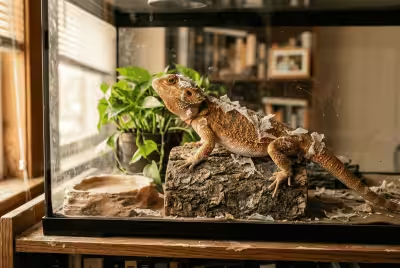
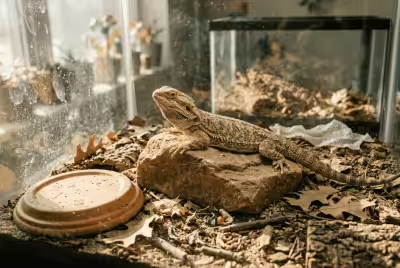
Tank cycling for bearded dragons is a crucial process that establishes a healthy, stable habitat for your scaly companion. Unlike aquarium cycling, which focuses on bacterial growth in water environments, reptile tank cycling involves creating a balanced ecosystem that mimics a bearded dragon’s natural rocky, semi-desert habitat.
At its core, tank cycling means preparing your bearded dragon’s enclosure to support optimal health by establishing appropriate environmental conditions. This process isn’t just about throwing some rocks and a heat lamp into an aquarium. It’s about meticulously designing a space that reflects the complex ecosystem of their native Australian terrain.
The fundamental elements of tank cycling include several key components that work together to create a thriving environment:
- Temperature gradients: Creating zones with different heat levels
- Substrate selection: Choosing materials that support natural behaviors
- Lighting setup: Mimicking natural sunlight patterns
- Humidity control: Maintaining appropriate moisture levels
- Hiding spots: Providing areas for security and stress reduction
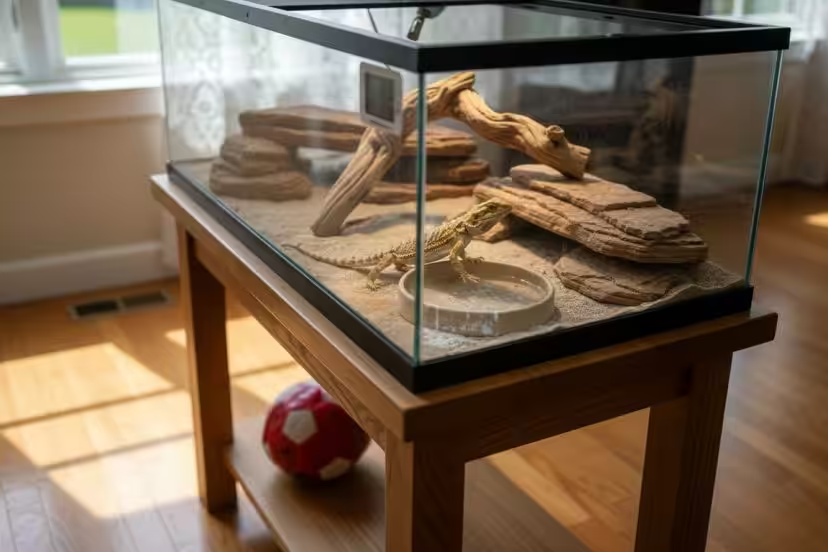
Think of tank cycling like designing a miniature Australian desert landscape. You’re not just setting up an enclosure. You’re crafting a complex, living environment that supports every aspect of your bearded dragon’s physical and psychological well-being. Your goal? Transform a simple glass tank into a thriving habitat that makes your scaly friend feel right at home.
How Cycling Supports a Healthy Habitat
Bearded dragon tank cycling isn’t just a recommended practice – it’s a critical process for creating an environment where your scaly friend can truly thrive. Proper habitat design directly impacts your dragon’s physiological functions, including digestion, metabolism, and overall health.
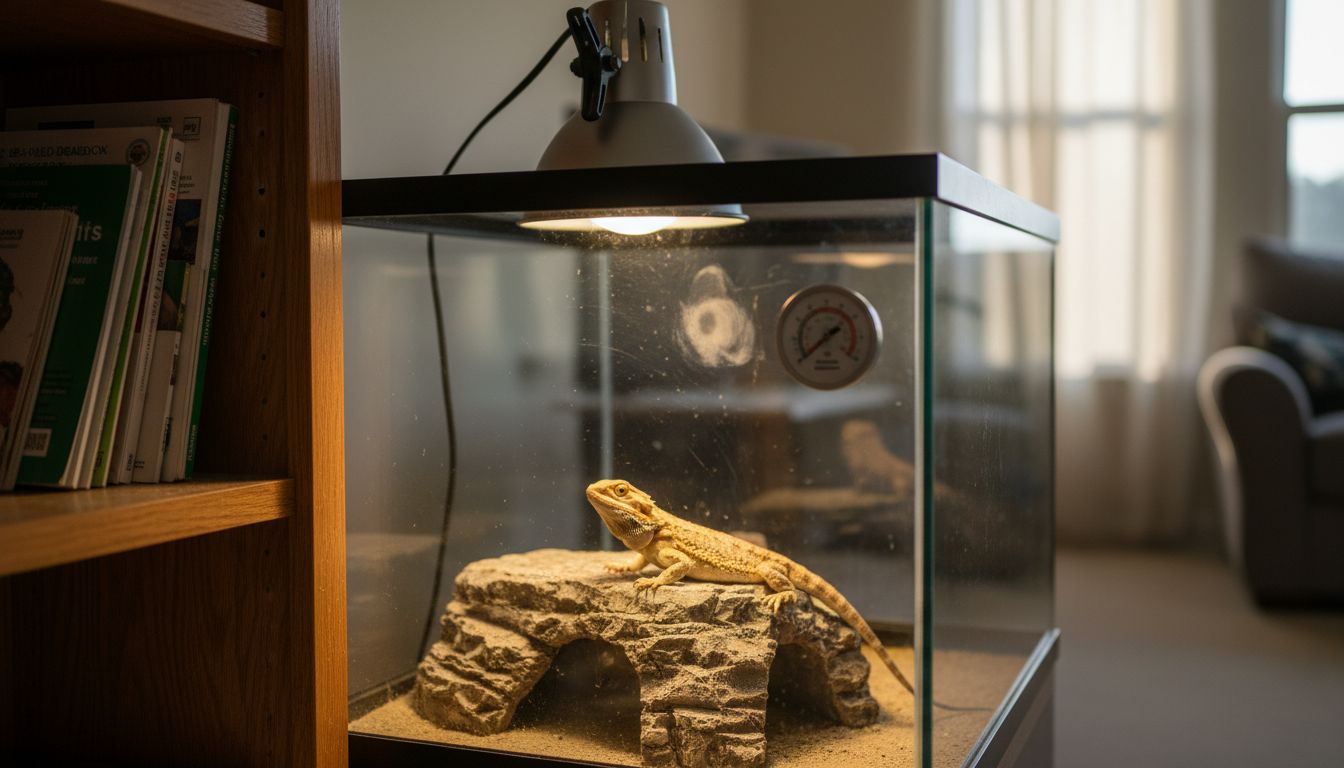
The habitat cycling process goes far beyond simple decoration. Thermal regulation is a cornerstone of successful cycling, involving strategic placement of heat sources to create temperature gradients that mimic natural desert conditions. Bearded dragons are essentially living solar panels – they rely on external heat sources to regulate body temperature, metabolize nutrients, and maintain critical biological processes.
Each element of tank cycling serves a specific purpose in supporting your dragon’s well-being:
- Temperature zones: Enable thermoregulation
- Substrate selection: Provides sensory stimulation and natural behaviors
- Lighting configuration: Supports vitamin D synthesis and circadian rhythms
- Humidity management: Prevents respiratory complications
- Environmental enrichment: Reduces stress and promotes mental health
Think of tank cycling like designing a micro-ecosystem. You’re not just arranging rocks and lamps – you’re creating a living, breathing habitat that supports every aspect of your bearded dragon’s physical and psychological needs. Your ultimate goal? Transform a glass enclosure into a thriving, dynamic environment that makes your scaly companion feel absolutely at home.
Methods of Cycling: Traditional vs. Quick Start
Tank cycling for bearded dragons involves two primary approaches: the traditional method and the quick start method. Similar to fishless cycling techniques used in aquariums, these methods focus on establishing a stable, healthy environment before introducing your scaly companion to their new home.
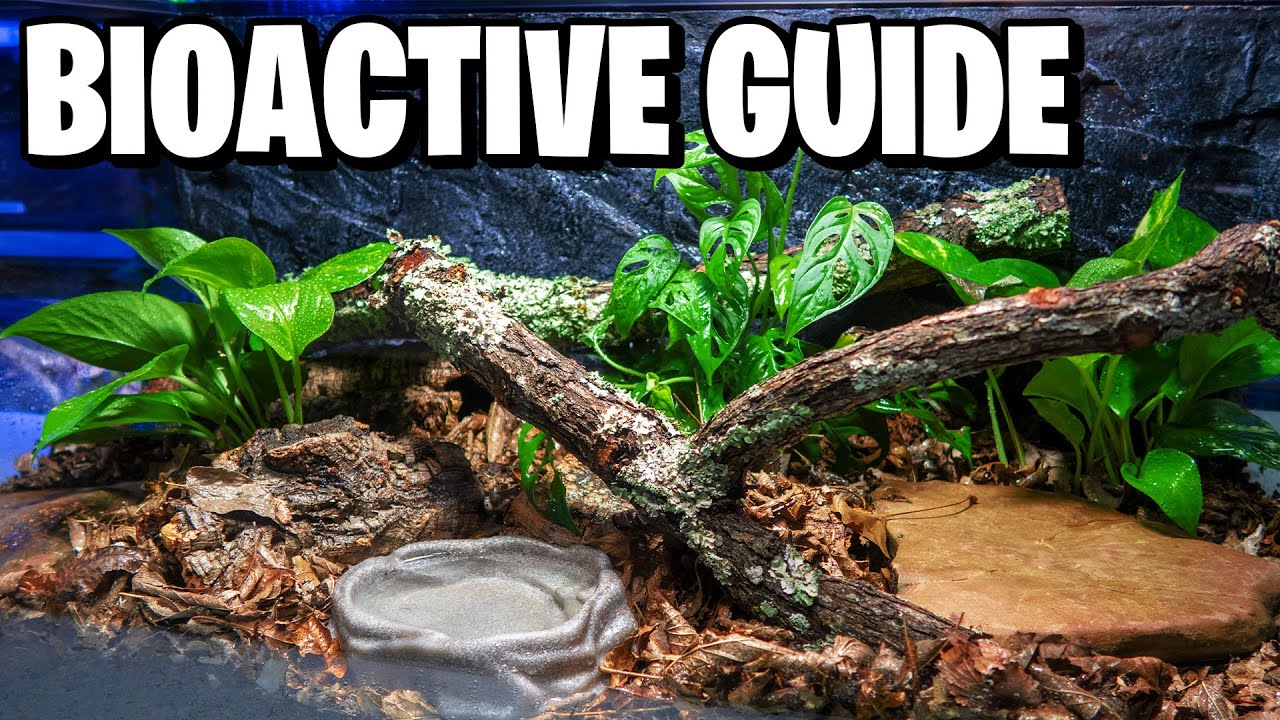
The traditional cycling method is a patient, methodical approach that involves gradually building the habitat over several weeks. This technique requires carefully introducing substrate, creating temperature gradients, and allowing the enclosure to stabilize naturally. Reptile enthusiasts who prefer a slow, meticulous setup typically choose this method, understanding that rushing can compromise the entire habitat’s ecosystem.
In contrast, the quick start method offers a more accelerated approach to habitat preparation:
- Rapid substrate introduction: Faster placement of environmental elements
- Pre-conditioned materials: Using already-established habitat components
- Accelerated temperature regulation: Quicker setup of heat zones
- Compressed timeline: Reduces overall preparation period
- Stress-minimized transitions: Less disruption for the bearded dragon
Whether you choose the traditional or quick start method, the ultimate goal remains the same. You’re crafting a miniature desert ecosystem that supports every physiological and psychological need of your bearded dragon. Think of it like building a custom home – each approach has its merits, and success depends on understanding your specific dragon’s requirements and your personal habitat management style.
Step-by-Step Tank Cycling Process
Cycling a bearded dragon tank mirrors the principles of aquarium ecosystem establishment, requiring a systematic approach to create a stable, healthy environment. This process isn’t just about throwing together some rocks and a heat lamp – it’s a carefully orchestrated dance of environmental elements that will support your scaly friend’s entire life.
The initial setup phase is critical and involves several key preparatory steps. You’ll need to select an appropriately sized enclosure, install precise temperature gradient equipment, and choose substrate materials that mimic your bearded dragon’s natural desert habitat. Think of this stage like building a miniature Australian landscape – every element matters.
Here’s a comprehensive breakdown of the tank cycling process:
- Enclosure Selection
- Choose a tank with a minimum of 85 gallons for adult dragons
- Ensure proper ventilation and secure lid
- Select glass or mesh enclosures with good visibility
- Temperature Gradient Preparation
- Install basking spot with 95-105°F temperature
- Create cooler zone around 80-85°F
- Use ceramic heat emitters and specialized reptile heating lamps
- Substrate and Decoration
- Use reptile-safe sand or tile substrate
- Add rocks and branches for climbing
- Include hiding spots and basking platforms
- Lighting Configuration
- Install UVB lighting for vitamin D synthesis
- Set 12-14-hour day/night cycle
- Use timers for consistent light exposure
- Environmental Stabilization
- Monitor humidity levels (30-40%)
- Allow habitat to stabilize for 1-2 weeks
- Check and adjust temperature zones
Successful tank cycling transforms an empty glass box into a thriving, dynamic ecosystem. Your attention to detail during this process creates a home where your bearded dragon doesn’t just survive – they absolutely flourish.
Common Mistakes and Key Safety Risks
Bearded dragon tank cycling is a delicate process where seemingly minor errors can have significant consequences. Critical health risks often emerge from overlooked details in habitat management, making vigilance absolutely crucial for your scaly companion’s well-being.
The most dangerous mistakes typically revolve around environmental control. Improper temperature gradients can devastate your bearded dragon’s metabolic processes, essentially creating a slow-motion health crisis. Imagine your dragon as a complex biological machine that requires precise environmental calibration – one miscalculated degree can trigger a cascade of physiological stress responses that compromise their entire system.
Here are the most critical safety risks to avoid:
-
Temperature Extremes
- Basking zone too hot or cold
- Insufficient temperature variation
- Inconsistent heat distribution
-
Lighting Failures
- Inadequate UVB exposure
- Incorrect light spectrum
- Inconsistent day/night cycles
-
Substrate Hazards
- Sharp or loose materials
- Improper moisture retention
- Potential impaction risks
-
Ventilation Problems
- Insufficient air circulation
- High humidity zones
- Stagnant environmental conditions
-
Psychological Stressors
- Limited hiding spaces
- Overstimulating environment
- Lack of environmental enrichment
Think of tank cycling like building a life support system. One weak link can compromise the entire habitat. Your bearded dragon isn’t just living in this space – they’re completely dependent on your expertise to create a safe, nurturing ecosystem that supports their every biological need.
Create the Perfect Home with Expert Bearded Dragon Care Support
Struggling to balance the temperature gradients and proper lighting needed for successful bearded dragon tank cycling? You are not alone. Achieving a stable environment that mimics your dragon’s natural habitat demands careful attention to detail—from substrate choices to UVB lighting and humidity control. These challenges can feel overwhelming, but they are vital for your pet’s health and happiness.

Discover comprehensive advice and practical guides at gobeardeddragon.com that help you master habitat maintenance and understand the importance of tank cycling. Dive into detailed care instructions designed to keep your bearded dragon thriving and stress-free. Take the first step toward transforming your enclosure into the safe and enriching home your dragon deserves by visiting gobeardeddragon.com now. Your companion’s well-being depends on it.
Frequently Asked Questions
What is tank cycling for bearded dragons?
Tank cycling is the process of establishing a healthy habitat for bearded dragons by creating a stable environment that mimics their natural rocky, semi-desert ecosystem. This includes setting temperature gradients, ensuring proper lighting, and providing adequate enrichment.
Why is temperature regulation important in a bearded dragon tank?
Temperature regulation is crucial because bearded dragons rely on external heat sources to maintain their body temperature. Proper temperature gradients allow them to thermoregulate, which is essential for digestion, metabolism, and overall health.
What are common mistakes to avoid during tank cycling?
Common mistakes during tank cycling include improper temperature management, inadequate UVB lighting, and using unsuitable substrate. It’s important to monitor temperature gradients closely and provide a balanced environment to prevent health issues.
How long does the tank cycling process take?
The traditional tank cycling process typically takes about 1-2 weeks to stabilize environmental conditions before introducing your bearded dragon. However, the quick start method can accelerate this process if done carefully.