Bearded Dragon Lifespan: Everything You Need to Know
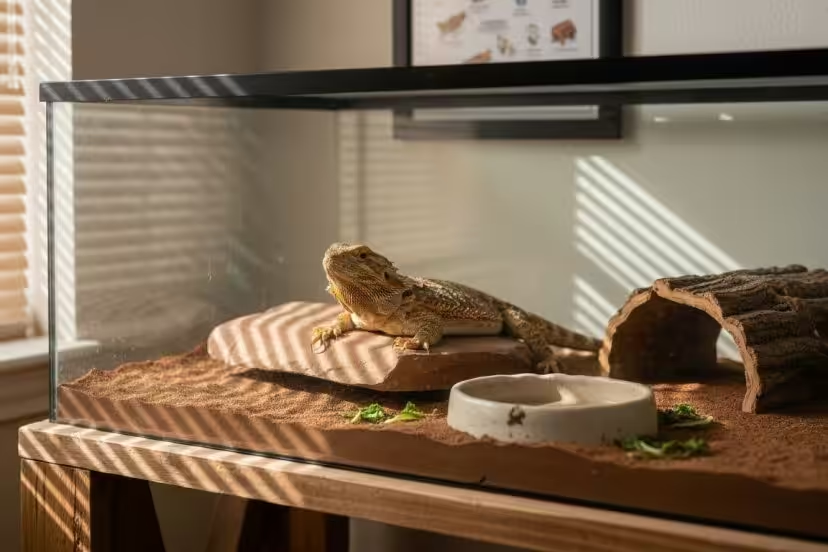
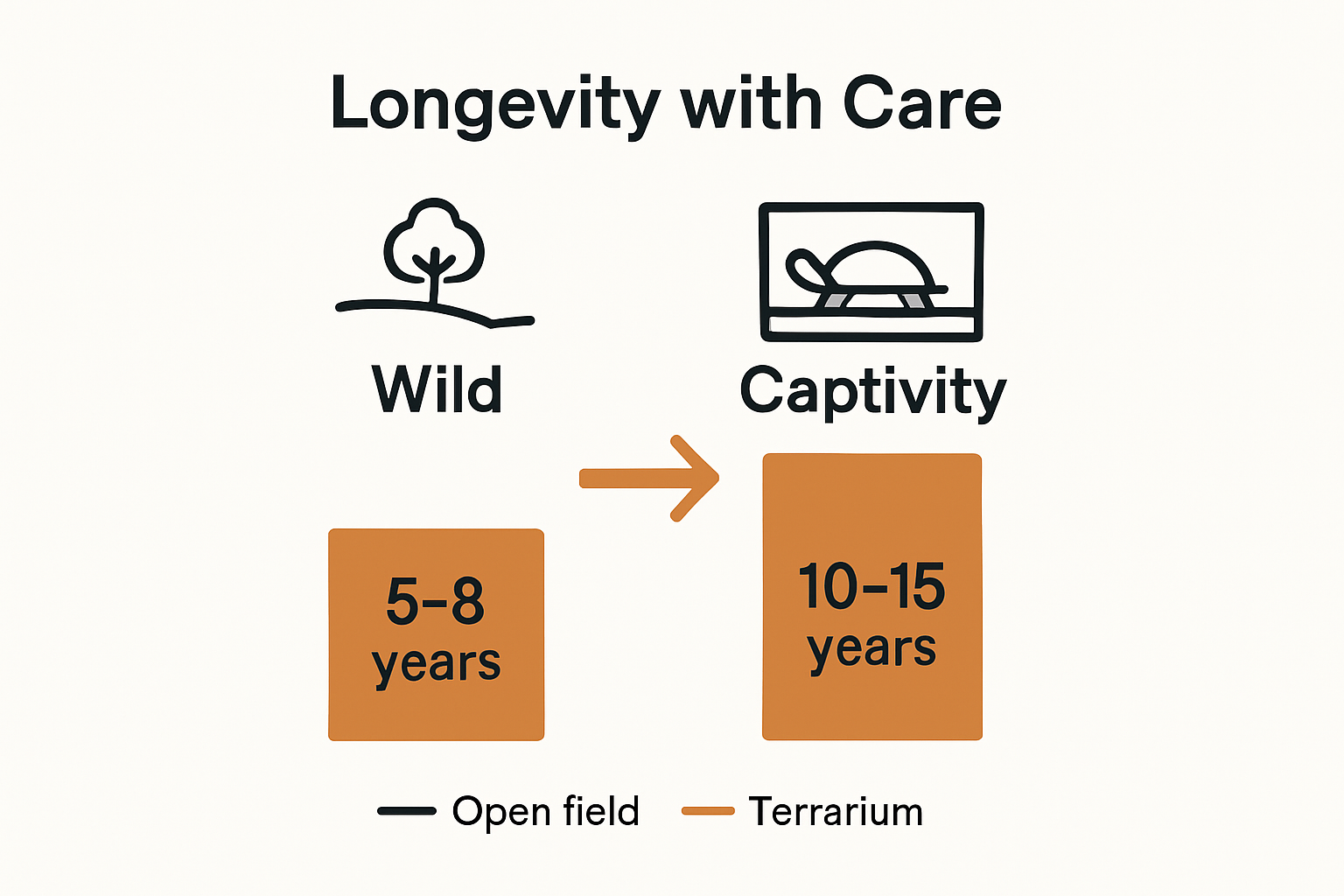
Most families are surprised to learn bearded dragons can live up to 15 years with proper care. While wild bearded dragons generally survive only five to eight years, those raised in captivity often outlive their wild relatives by several years. Understanding what truly influences a bearded dragon’s lifespan helps owners ensure their pet thrives, uncovering the unique secrets that allow these exotic reptiles to become cherished, long-term companions.
Table of Contents
- Bearded Dragon Lifespan Defined and Explained
- Typical Age Range in Captivity and Wild
- Factors Affecting Bearded Dragon Longevity
- Common Myths About Bearded Dragon Aging
- Proven Tips for Extending Lifespan
Key Takeaways
| Point | Details |
|---|---|
| Lifespan in Different Environments | Bearded dragons typically live 5 to 8 years in the wild, while they can thrive for 10 to 15 years in captivity with proper care. |
| Influential Factors | Genetics, diet, habitat conditions, and veterinary care significantly impact their longevity. |
| Common Misconceptions | Many believe bearded dragons have short lifespans and age uniformly, but they can remain healthy and active for many years with proper care. |
| Tips for Longevity | Providing optimal temperature, balanced nutrition, and minimizing stress are crucial for extending a bearded dragon’s lifespan. |
Bearded Dragon Lifespan Defined and Explained
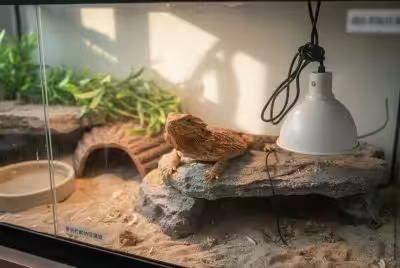
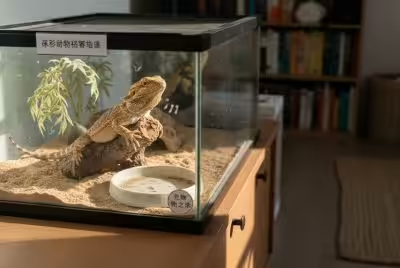
Bearded dragons are fascinating reptiles with fascinating lifespans that vary dramatically between wild and captive environments. These scaly companions typically live between 8 to 15 years, depending on factors like genetics, diet, habitat quality, and overall care. Captive bearded dragons generally enjoy longer lives compared to their wild counterparts, thanks to consistent nutrition, reduced predation risks, and controlled living conditions.
Understanding the typical lifespan of bearded dragons requires examining their survival patterns across different settings. In natural habitats, these reptiles face numerous challenges that limit their longevity. Wild bearded dragons typically survive 5 to 8 years, contending with predators, environmental fluctuations, and limited food resources. Conversely, pet bearded dragons often thrive for 10 to 15 years when provided with optimal care, proper nutrition, and regular veterinary checkups.
The specific lifespan of a bearded dragon depends on multiple interconnected factors. Genetics play a crucial role, with some individual dragons inherently predisposed to longer or shorter lives. Diet quality significantly impacts their health and longevity, with balanced nutrition supporting stronger immune systems and preventing common health issues. Habitat conditions like temperature regulation, stress levels, and environmental enrichment also contribute to their overall well-being. Owners who maintain consistent, high-quality care can help their scaly companions reach the upper end of their potential lifespan, potentially up to 12 to 15 years in exceptional cases.
Typical Age Range in Captivity and Wild
Bearded dragons experience dramatically different lifespans depending on whether they live in the wild or in captivity. Reptile research consistently shows that these fascinating creatures typically live between 6 to 15 years, with their environment playing a critical role in their longevity. Wild populations generally have shorter lifespans due to numerous environmental challenges that pet bearded dragons do not encounter.
In their natural habitat, wild bearded dragons face significant survival obstacles that limit their life expectancy. Predators, limited food resources, extreme temperature fluctuations, and competition for territory can dramatically reduce their potential lifespan. Most wild bearded dragons survive approximately 5 to 8 years, constantly battling environmental pressures that threaten their survival. Captive bearded dragons, by contrast, enjoy significantly extended lifespans, often reaching 10 to 15 years when provided with optimal care, consistent nutrition, and protection from external threats.
The difference in lifespan between wild and captive bearded dragons highlights the importance of comprehensive care. Animal research indicates that captive dragons can grow to 12-24 inches long and live substantially longer than their wild counterparts. Factors like regulated temperature, balanced diet, veterinary healthcare, and reduced stress contribute to their extended lifespans. Dedicated owners who understand and meet their bearded dragon’s specific needs can help these remarkable reptiles not just survive, but truly thrive, potentially reaching the upper limits of their genetic potential.
Factors Affecting Bearded Dragon Longevity
Bearded dragon longevity is a complex interplay of multiple critical factors that determine these remarkable reptiles’ overall health and lifespan. Habitat conditions significantly influence how long these scaly companions will thrive, with temperature, lighting, and environmental stability playing pivotal roles in their potential to live 6 to 15 years or more.
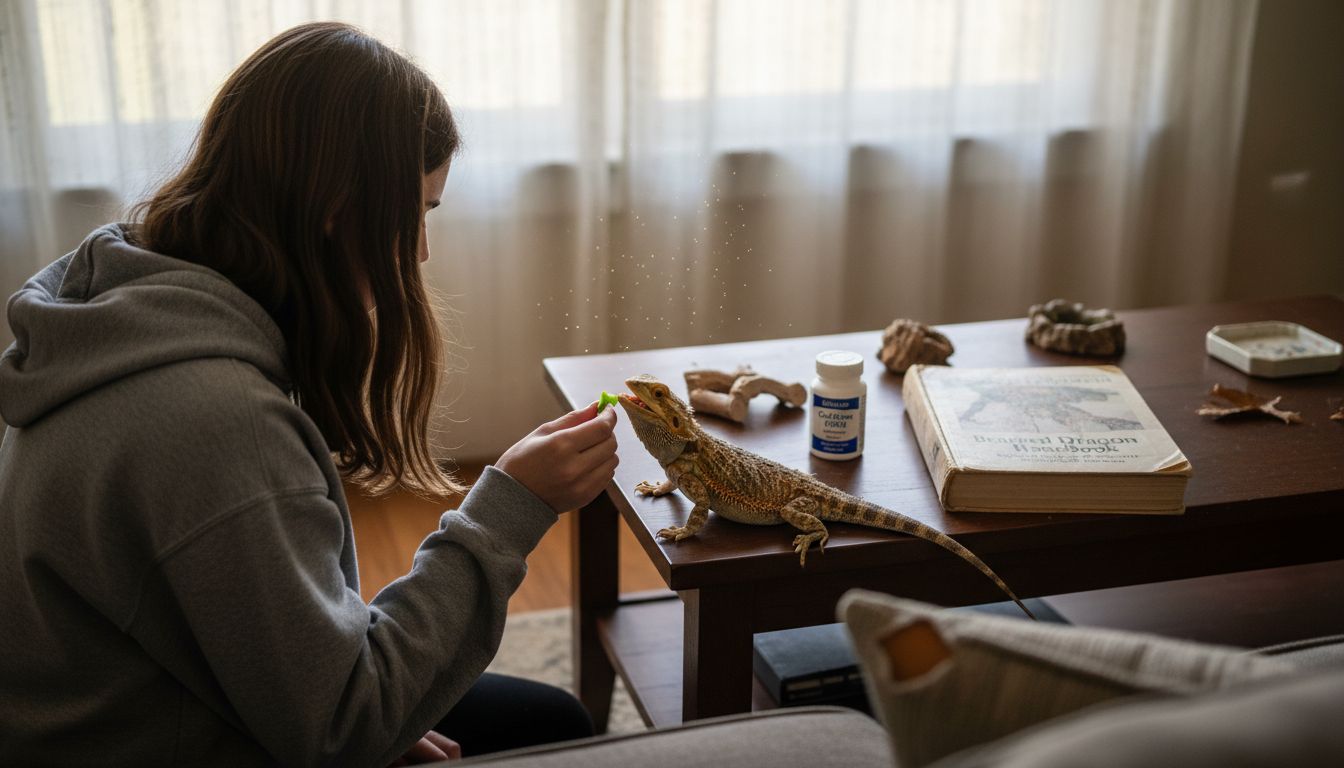
Diet represents another crucial element in determining a bearded dragon’s lifespan. A balanced nutritional approach that includes a carefully curated mix of insects, vegetables, and appropriate supplements can significantly improve their long-term health. Young bearded dragons require a protein-rich diet with more insects, while adult dragons need a higher percentage of vegetation. Nutritional deficiencies or improper feeding can lead to metabolic bone disease, organ dysfunction, and significantly reduced life expectancy.
Veterinary research highlights that consistent healthcare is paramount for extending a bearded dragon’s life. Regular check-ups, preventative medical screenings, and prompt treatment of potential health issues can help these reptiles avoid common age-related complications. Genetic factors also play a substantial role, with some individual dragons predisposed to longer or shorter lifespans. Stress reduction, proper habitat maintenance, appropriate humidity levels, and minimizing environmental fluctuations can collectively contribute to helping your bearded dragon achieve its maximum potential lifespan.
Common Myths About Bearded Dragon Aging
Reptile research challenges many widespread misconceptions about bearded dragon aging, revealing that these fascinating reptiles are far more resilient and long-lived than many pet owners realize. One prevalent myth suggests that bearded dragons have extremely short lifespans, when in reality, they can live anywhere from 5 to 14 years with proper care. This common misunderstanding often leads potential owners to underestimate the long-term commitment required for these remarkable pets.
Another pervasive myth claims that all bearded dragons age identically, ignoring the significant individual variations in health, genetics, and care. Some owners mistakenly believe that their pet will automatically decline in health as it grows older, overlooking the critical role of proactive healthcare and nutrition. In truth, many bearded dragons maintain excellent health well into their senior years when provided with consistent medical attention, balanced diet, and appropriate habitat conditions.
The most dangerous myth surrounding bearded dragon aging involves the assumption that older dragons are inherently less active or less engaging as pets. Contrary to this belief, many bearded dragons remain interactive, curious, and vibrant throughout their entire lifespan. While they may experience some natural slowdown with age, most remain responsive and capable of forming strong bonds with their owners. Understanding these myths helps reptile enthusiasts approach bearded dragon care with more realistic expectations and a deeper appreciation for the unique characteristics of these incredible creatures.
Proven Tips for Extending Lifespan
Veterinary research demonstrates that strategic care can significantly enhance a bearded dragon’s longevity, with proper nutrition and habitat management being the cornerstone of extending their potential lifespan. Creating an optimal living environment requires meticulous attention to multiple interconnected factors that directly impact these remarkable reptiles’ overall health and vitality. Temperature regulation stands as a critical component, with carefully maintained habitat gradients allowing bearded dragons to thermoregulate effectively and support their metabolic processes.
A balanced nutritional approach represents another fundamental strategy for promoting long-term health. Bearded dragons require a diverse diet that evolves throughout their life stages, incorporating high-quality protein sources like crickets and roaches for younger dragons, and transitioning to more vegetation-based nutrition as they mature. Comprehensive health monitoring involves regular veterinary check-ups, proactive screening for potential genetic or environmental health risks, and immediate intervention when subtle health changes emerge. Owners who remain vigilant about their dragon’s nutritional intake, physical condition, and environmental stability can dramatically increase the likelihood of their pet reaching the upper limits of its potential lifespan.
Stress reduction emerges as a crucial yet often overlooked factor in extending a bearded dragon’s life. Creating a stable, predictable habitat with minimal environmental disruptions, providing consistent handling routines, and maintaining a quiet, secure living space can significantly contribute to their overall well-being. Genetic factors play a role, but conscientious care can help mitigate potential health vulnerabilities. By approaching bearded dragon ownership as a holistic commitment involving nutrition, habitat design, medical care, and emotional well-being, owners can help these fascinating reptiles thrive and potentially extend their life expectancy well beyond average projections.
Extend Your Bearded Dragon’s Lifespan with Expert Care
Understanding the lifespan of your bearded dragon is just the first step. Many owners struggle with maintaining optimal diet, habitat conditions, and stress reduction to help their pet thrive for 10 to 15 years or more. If you want to avoid common pitfalls like nutritional deficiencies or improper lighting that can shorten your dragon’s life, our expert resources at gobeardeddragon.com are here to support you.

Take control of your bearded dragon’s health today by exploring detailed guides on balanced nutrition, habitat setup, and preventative care. Unlock the secrets to maximizing your pet’s vitality and happiness. Visit gobeardeddragon.com now to access comprehensive information and practical tips that transform how you care for your scaly companion.
Frequently Asked Questions
How long do bearded dragons live in captivity?
Captive bearded dragons typically live between 10 to 15 years with proper care, including a balanced diet and regular veterinary checkups.
What factors affect the lifespan of a bearded dragon?
Genetics, diet quality, habitat conditions, stress levels, and regular veterinary care influence the lifespan of a bearded dragon.
How do wild bearded dragons compare in lifespan to captive ones?
Wild bearded dragons generally have shorter lifespans of about 5 to 8 years due to predators, environmental challenges, and limited food resources, whereas captive bearded dragons can thrive for longer with optimal care.
What can I do to help my bearded dragon live longer?
To extend your bearded dragon’s lifespan, provide a stable living environment, a balanced diet suited to their age, regular veterinary checkups, and minimize stress through consistent handling and habitat maintenance.