7 Essential Bearded Dragon Grooming Tips for Owners

Over half of reptile owners report challenges maintaining optimal health for their bearded dragons. Unlike common pets, these unique reptiles rely on consistent care routines for skin, scales, and even hydration. Prioritizing cleanliness and gentle grooming not only prevents infections but also supports their overall well-being. With simple methods, you can help your bearded dragon thrive, reduce stress, and ensure they enjoy a comfortable, healthy life by your side.
Table of Contents
- 1. Regular Bathing For Clean Skin And Hydration
- 2. Gentle Nail Trimming To Prevent Scratches
- 3. Shedding Assistance To Avoid Stuck Skin
- 4. Cleaning The Eyes And Nose Safely
- 5. Maintaining A Healthy Habitat Environment
- 6. Inspecting And Brushing For Loose Scales
- 7. Checking And Caring For The Tail And Limbs
Quick Summary
| Takeaway | Explanation |
|---|---|
| 1. Regular Baths Are Essential | Bathing your bearded dragon helps with skin shedding, prevents infections, and ensures hydration. Use lukewarm water and supervise closely during bath time. |
| 2. Trim Nails Every 4-6 Weeks | Overgrown nails can cause discomfort and injury. Use specialized reptile clippers and trim gently to avoid cutting the sensitive quick. |
| 3. Support Shedding with Proper Humidity | Ensure 30-40% humidity and provide warm baths to assist with skin shedding. Monitor your dragon for stuck skin around toes and eyes. |
| 4. Clean Eyes and Nose Regularly | Use cotton swabs with lukewarm water to gently clean your bearded dragon’s eyes and nostrils. Regular cleaning helps prevent infections and health issues. |
| 5. Maintain a Proper Habitat | Create a suitable environment with temperature gradients and UVB lighting. Regularly clean the habitat and monitor for any signs of stress or discomfort. |
1. Regular Bathing for Clean Skin and Hydration
Bearded dragons are not your average pets. These scaly companions need regular baths to maintain their skin health and hydration levels. Bathing isn’t just about keeping your reptilian friend clean; it’s a critical aspect of their overall wellness.
When you bathe your bearded dragon, you’re doing more than just washing away dirt. You’re helping them shed skin more effectively, preventing potential skin infections, and supporting their natural hydration processes. Their scales are delicate ecosystems that require careful maintenance.
To bathe your bearded dragon, use lukewarm water about 85 to 90 degrees Fahrenheit in a shallow container. Gently place your dragon in the water and let them soak for 10 to 15 minutes. Use a soft toothbrush to help remove any loose skin or debris, being extra careful around sensitive areas. Always supervise your dragon during bath time and never leave them unattended.
Key Bathing Benefits:
- Helps with skin shedding
- Prevents skin infections
- Supports hydration
- Allows visual health inspection
Pro Tip: Use distilled or dechlorinated water for bathing to prevent potential skin irritation from chemicals found in tap water.
2. Gentle Nail Trimming to Prevent Scratches
Bearded dragons might look tough, but their nails require delicate and careful maintenance. Overgrown nails can cause discomfort for both your scaly friend and anyone handling them, making regular nail trimming an essential part of your reptile care routine.
Unlike cats or dogs, bearded dragons do not naturally wear down their nails through daily activities. Their nails can grow long and sharp, potentially causing accidental scratches during handling or climbing. Regular nail trimming helps prevent potential injury and ensures your dragon remains comfortable and safe.
Nail Trimming Essentials:
- Use specialized reptile nail clippers
- Trim nails every 4 to 6 weeks
- Work in a well-lit area
- Hold your dragon gently but securely
- Trim only the sharp tips
- Stop if you see the quick (pink area with blood vessels)
When trimming, focus on removing just the sharp tip of the nail. Think of it like a human manicure, where you want to shape and smooth without cutting too deeply. If you are uncomfortable doing this yourself, consider consulting a veterinarian experienced with reptiles who can demonstrate proper technique.
Pro Tip: Always have styptic powder nearby in case of minor bleeding during nail trimming, and work slowly and carefully to minimize stress for your bearded dragon.
3. Shedding Assistance to Avoid Stuck Skin
Bearded dragons are masters of transformation, regularly shedding their skin as they grow. However, sometimes they need a helping hand to ensure this process goes smoothly. A stuck shed can cause serious health problems if not addressed promptly and carefully.
Shedding is more than just a cosmetic change. It represents your bearded dragon’s growth and health status. When skin fails to shed completely, it can restrict blood flow, potentially leading to circulation issues and even permanent damage to scales or toes. Areas most prone to problematic shedding include toes, tail tips, and around the eyes.
Shedding Support Strategies:
- Maintain proper humidity levels (30 to 40 percent)
- Provide rough surfaces for natural skin removal
- Offer warm baths to help loosen stuck skin
- Never pull or tear shedding skin
- Check for complete skin removal after each shedding cycle
Helping your bearded dragon through shedding requires patience and gentle techniques. Use a soft, damp cloth to carefully help remove loose skin if it does not come off naturally. Focus on creating an environment that supports healthy shedding by ensuring proper humidity and providing textured surfaces like branches or rocks where they can naturally rub against to remove old skin.
Pro Tip: Create a dedicated shedding support kit with soft towels, a spray bottle for light moisture, and reptile-safe moisturizing solutions to help your dragon through challenging shedding periods.
4. Cleaning the Eyes and Nose Safely
Bearded dragons have delicate sensory areas that require specialized care and gentle attention. Your scaly companion relies on clean eyes and nostrils to navigate their environment and maintain optimal health.
The eyes and nose are sensitive areas that can easily accumulate debris, mucus, and potential sources of infection. Regular, careful cleaning prevents potential respiratory issues and ensures your bearded dragon can see and breathe clearly. Discharge, crust, or unusual buildup around these areas can signal underlying health concerns that need immediate monitoring.
Cleaning Technique Highlights:
- Use soft cotton swabs
- Select lukewarm water
- Clean gently without applying pressure
- Check for unusual discharge or discoloration
- Perform weekly visual inspections
- Stop if you notice excessive irritation
When cleaning, approach your bearded dragon calmly and use incredibly soft movements. Moisten a cotton swab with lukewarm water, then gently dab around the eyes and nose. Never insert anything inside the nostrils or directly into the eye. If you notice persistent discharge or redness, consult a reptile veterinarian for professional guidance.
Pro Tip: Keep a dedicated reptile grooming kit with soft cotton swabs, distilled water, and clean towels to make eye and nose cleaning a stress-free experience for both you and your bearded dragon.
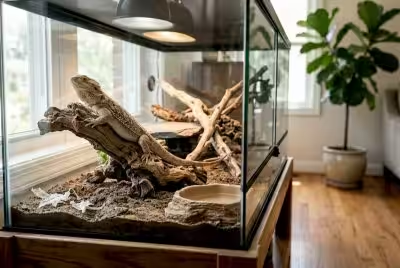
5. Maintaining a Healthy Habitat Environment
Your bearded dragon’s habitat is more than just a home it is a complex ecosystem that directly impacts their health, happiness, and overall quality of life. Creating the perfect environment requires careful attention to multiple factors that mimic their natural desert habitat.
Temperature and lighting are crucial components of a thriving bearded dragon habitat. These reptiles require specific temperature gradients to regulate their body temperature through movement. The habitat should include a warm basking area around 95 to 105 degrees Fahrenheit and a cooler zone around 80 to 85 degrees. Proper UVB lighting is equally important, supporting vitamin D production and preventing metabolic bone disease.
Habitat Maintenance Essentials:
- Create temperature gradient zones
- Install proper UVB lighting
- Use a substrate that mimics the natural environment
- Provide hiding spaces
- Maintain consistent cleanliness
- Monitor humidity levels
- Include climbing structures
Substrate selection plays a significant role in habitat health. Avoid loose substrates like sand, which can cause impaction, and instead choose reptile carpet, ceramic tiles, or newspaper. Regularly clean and disinfect the habitat, removing waste daily and performing a deep clean monthly. Ensure fresh water is always available and monitor your dragon for any signs of stress or environmental discomfort.
Pro Tip: Invest in a digital thermometer with multiple probe points to accurately track temperature variations across different habitat zones, ensuring your bearded dragon has the perfect climate for optimal health.
6. Inspecting and Brushing for Loose Scales
Bearded dragons are living armor-plated warriors of the reptile world, with intricate scale patterns that require careful maintenance and regular inspection. Understanding how to examine and care for their unique scale structure properly can prevent potential health issues and ensure your scaly friend stays in top condition.
Scale health is more than just cosmetic it represents your bearded dragon’s overall wellness. During shedding cycles, scales can become loose or stick together, potentially causing discomfort or restricted movement. Regular gentle brushing helps remove dead skin and prevents scale-related complications that could impact your dragon’s comfort and mobility.
Scale Inspection Techniques:
- Check for consistent scale coloration
- Look for signs of retained shed
- Examine scales for unusual texture changes
- Watch for raised or discolored scales
- Gently brush with soft-bristle tools
- Use natural light for thorough examination
- Be extra gentle around sensitive areas
When brushing, use a soft toothbrush or specialized reptile grooming brush. Move in the direction of scale growth and apply minimal pressure. Focus on areas prone to shedding issues like toes, tail tip, and around the head. If you notice persistent scale problems or unusual patches, consult a reptile veterinarian for professional assessment.
Pro Tip: Perform scale inspections during regular handling sessions to make the process feel natural and stress-free for your bearded dragon.
7. Checking and Caring for the Tail and Limbs
Bearded dragons are agile creatures with complex limb and tail structures that require specialized attention and regular monitoring. Understanding how to examine and care for these critical body parts properly can prevent potential mobility issues and catch early signs of health problems.
The tail and limbs are more than just locomotion tools for your scaly companion. They serve as indicators of overall health, nutrition, and potential underlying medical conditions. Regularly checking these areas allows you to detect early warning signs such as muscle weakness, scale irregularities, or potential injuries that might otherwise go unnoticed.
Tail and Limb Care Essentials:
- Inspect limbs for symmetry and strength
- Check toes for complete shedding
- Look for signs of swelling or discoloration
- Monitor tail for consistent color and texture
- Ensure no stuck shed around joints
- Observe walking and climbing patterns
- Verify full range of motion
During your inspection, gently handle your bearded dragon and observe their movement. Look for any signs of limping, uneven scale texture, or reluctance to use specific limbs. Pay special attention to the toes, ensuring no skin is retained during shedding that could restrict blood flow or cause discomfort.
Pro Tip: Perform a full tail and limb examination during your regular handling sessions to make the process feel natural and stress-free for your bearded dragon.
Below is a comprehensive table summarizing the care practices and benefits for maintaining the health and well-being of bearded dragons as discussed in the article.
| Care Practice | Key Actions | Benefits |
|---|---|---|
| Regular Bathing | Use lukewarm water (85-90°F), soak for 10-15 min, and use a soft toothbrush to remove debris. | Supports skin shedding, prevents infections, and aids hydration. |
| Nail Trimming | Use reptile clippers, trim every 4-6 weeks, and avoid cutting the quick. | Prevents scratches and discomfort. |
| Shedding Assistance | Maintain humidity (30-40%), provide rough surfaces, and warm baths. | Prevents stuck skin and ensures healthy shedding. |
| Eye and Nose Cleaning | Use soft cotton swabs with lukewarm water to gently clean and check for discharge. | Prevents respiratory issues and ensures clarity. |
| Habitat Maintenance | Create temperature gradients, install UVB lighting, and use appropriate substrates. | Supports overall health and prevents metabolic disorders. |
| Scale Inspection | Brush gently with soft-bristled tools, check for retained shed, and monitor under natural light. | Ensures comfort and prevents scale-related issues. |
| Tail and Limb Check | Regularly inspect for symmetry, swelling, and stuck shed; observe movement patterns. | Identifies early health signs and prevents mobility issues. |
Keep Your Bearded Dragon Healthy and Comfortable with Expert Care
Grooming your bearded dragon involves important tasks like regular bathing, gentle nail trimming, and habitat maintenance to prevent health issues like stuck shed or skin infections. These care routines can feel overwhelming, but are key to ensuring your scaly friend stays happy and thriving. If you want detailed, easy-to-follow guidance on every aspect of bearded dragon care, including essential grooming tips and habitat setup advice, you will find invaluable resources at Go Bearded Dragon.

Take control of your bearded dragon’s health today by exploring comprehensive care guides and expert tips on grooming essentials and habitat maintenance. Visit Go Bearded Dragon now to access trusted advice and boost your confidence as a dedicated pet owner.
Frequently Asked Questions
How often should I bathe my bearded dragon?
To maintain your bearded dragon’s skin health and hydration, bathe them every 1 to 2 weeks. Use lukewarm water and let them soak for about 10 to 15 minutes to promote effective shedding and hydration.
What tools do I need for trimming my bearded dragon’s nails?
You will need specialized reptile nail clippers or scissors for trimming your bearded dragon’s nails. Trim the nails every 4 to 6 weeks, focusing on the sharp tips while ensuring you don’t cut too deeply.
How can I help my bearded dragon during shedding?
To assist your bearded dragon during shedding, maintain proper humidity levels and provide warm baths to help loosen stuck skin. Aim to check your dragon regularly during shedding cycles and offer rough surfaces for natural skin removal.
What is the best way to clean my bearded dragon’s eyes and nose?
Use soft cotton swabs moistened with lukewarm water to clean your bearded dragon’s eyes and nostrils gently. Inspect these areas weekly for debris or unusual discharge to prevent potential infections and ensure clear vision and breathing.
How do I maintain a healthy habitat for my bearded dragon?
To create a healthy habitat, establish temperature-gradient zones, install appropriate UVB lighting, and choose a suitable substrate. Clean the habitat regularly, maintain consistent humidity levels, and ensure that fresh water is available at all times.
What should I look for when inspecting my bearded dragon’s tail and limbs?
Check your bearded dragon’s tail and limbs for symmetry, strength, and signs of swelling or discoloration. Inspect their movement patterns and monitor for any reluctance to use specific limbs, addressing any concerns promptly.