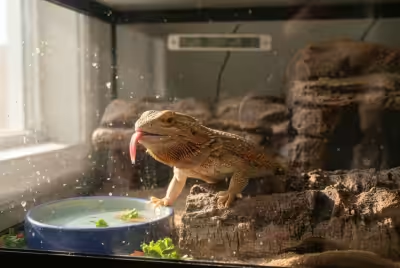
Bearded Dragon Dental Health – What Every Owner Needs
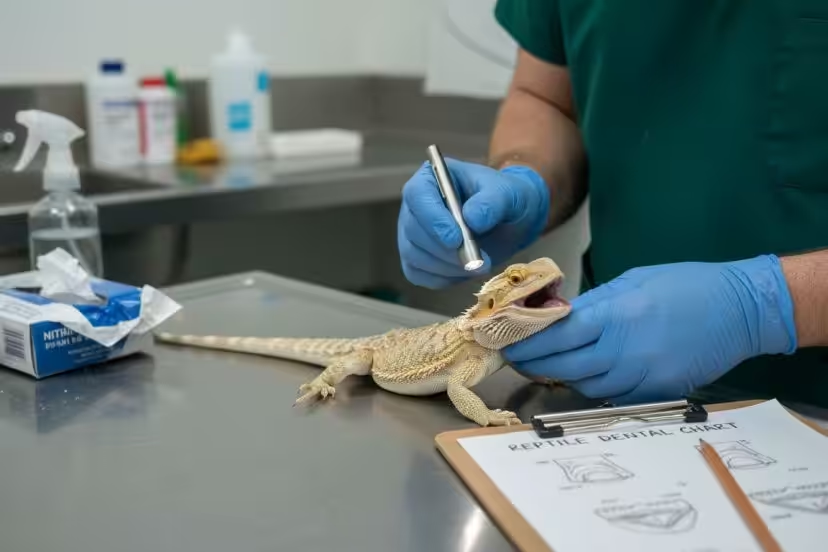
Over 60 percent of reptile owners admit dental health is one of the most confusing aspects of bearded dragon care. These fascinating creatures rely on strong teeth and healthy gums for their well-being, yet their unique dental anatomy means even minor issues can lead to serious problems. Understanding the basics of bearded dragon dental health can make a significant difference in preventing pain and supporting a longer, happier life for your scaly companion.
Table of Contents
- Bearded Dragon Dental Health Basics
- Common Dental Issues In Bearded Dragons
- Recognizing Signs Of Dental Problems
- Causes And Risk Factors For Oral Diseases
- Preventing Dental Problems Through Care
- Treatment And Recovery For Dental Conditions
Key Takeaways
| Point | Details |
|---|---|
| Dental Health Importance | Bearded dragons cannot regrow lost teeth, making proactive dental care essential for their health. |
| Common Issues | Malocclusion, periodontal disease, and tooth fractures are prevalent dental problems that can severely impact their well-being. |
| Preventive Measures | A balanced diet, regular veterinary check-ups, and environmental management are crucial for maintaining dental health. |
| Observation Techniques | Owners should regularly inspect their bearded dragon’s mouth for warning signs of dental distress, such as reluctance to eat or visible swelling. |
Bearded Dragon Dental Health Basics
Bearded dragons possess a unique dental anatomy that sets them apart from many other reptiles. Their specialized acrodont dentition means their teeth are directly fused to the jawbone, creating a delicate and irreplaceable dental structure. Unlike mammals, these scaly companions cannot regrow lost teeth, making dental care absolutely critical for their long-term health.
The complexity of bearded dragon dental anatomy goes beyond simple tooth placement. Research reveals they have a fascinating combination of polyphyodont and monophyodont teeth, which provides fascinating insights into vertebrate tooth development. This unique dental configuration means that any damage or disease can have significant long-term consequences for your reptilian friend. Periodontal issues can rapidly progress from mild gingivitis to more severe periodontitis, potentially leading to bone degradation and permanent tooth loss.
Maintaining your bearded dragon’s dental health requires a proactive approach. Regular visual inspections of their mouth can help you catch potential issues early. Look for signs like discolored gums, visible plaque buildup, swelling, or any changes in eating behavior that might indicate dental discomfort. Providing a balanced diet with appropriate calcium levels and avoiding soft foods that can contribute to plaque accumulation are crucial strategies for preventing dental problems.
Pro Tip: Dental Check Strategy: Schedule a professional reptile veterinarian examination every 6-12 months to perform a comprehensive oral health assessment and catch any potential dental issues before they become serious problems.
Common Dental Issues in Bearded Dragons
Bearded dragons are susceptible to a wide range of dental complications that can significantly impact their overall health and quality of life. Their complex dental anatomy makes them particularly vulnerable to several specific dental problems, including malocclusion, periodontal disease, and tooth fractures. Understanding these potential issues is crucial for proactive pet care and preventing long-term damage to your scaly friend’s oral health.
Malocclusion represents one of the most serious dental challenges for bearded dragons. This condition occurs when teeth do not align properly, which can lead to difficulties eating, chronic pain, and potential nutritional deficiencies. Periodontal disease is another significant concern, characterized by inflammation of the gums and potential bone degradation. This progressive condition can start with mild symptoms like slight gum redness and quickly escalate to severe infections that compromise the entire dental structure.
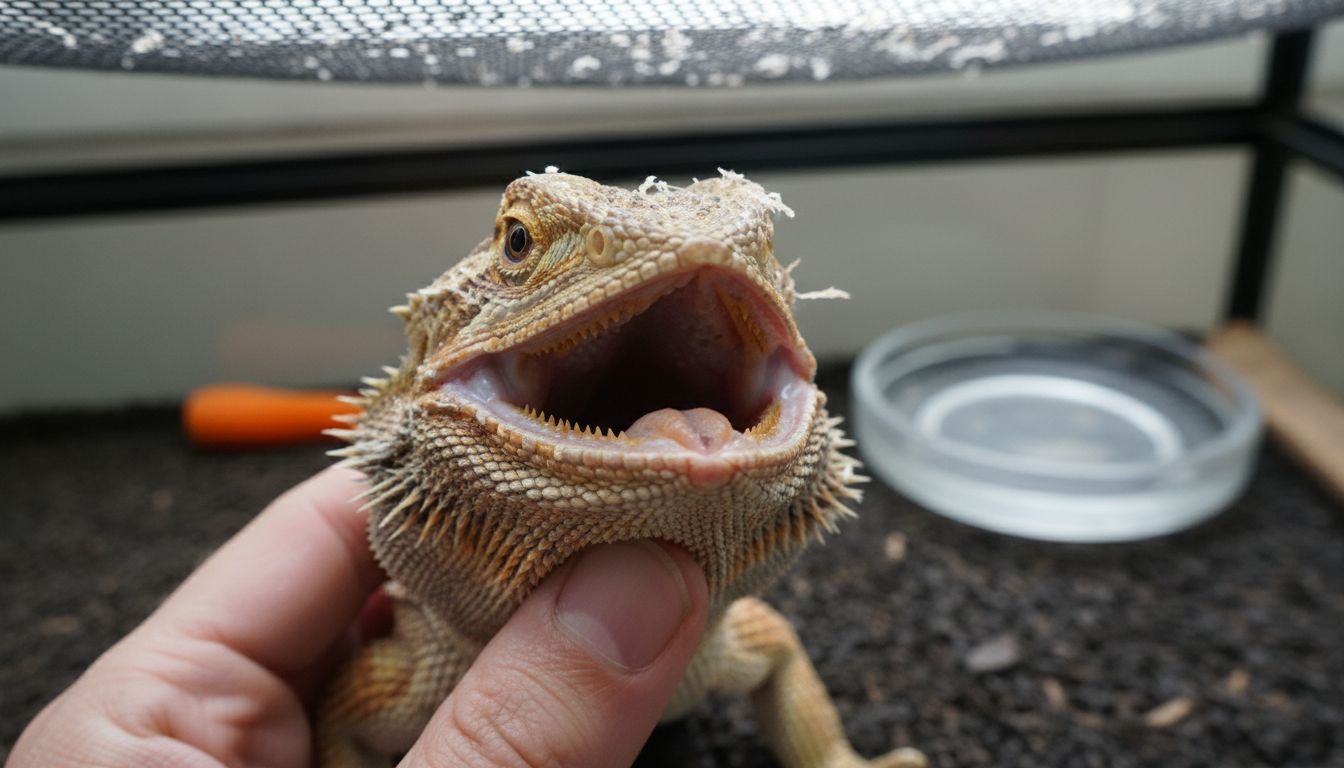
Tooth-related problems in bearded dragons can manifest through multiple symptoms. Watch for signs like reluctance to eat, visible swelling around the mouth, unusual drooling, discolored or bleeding gums, and changes in feeding behavior. Overgrown teeth, foreign objects trapped between teeth, and dental infections can cause significant discomfort and require immediate veterinary intervention. Factors such as inappropriate diet, lack of proper calcium intake, and inadequate habitat conditions can contribute to these dental complications.
Pro Tip: Dental Monitoring Technique: Perform weekly mouth inspections using a small flashlight and gentle handling, checking for any unusual color changes, swelling, or debris in your bearded dragon’s mouth to catch potential dental issues early.
Here’s a quick reference comparing common dental issues in bearded dragons and their distinguishing features:
| Dental Issue | Main Symptoms | Possible Causes | Potential Impact |
|---|---|---|---|
| Malocclusion | Misaligned teeth, difficulty eating | Genetics, improper diet | Nutritional deficiencies, pain |
| Periodontal Disease | Swollen gums, gum discoloration | Plaque buildup, lack of oral care | Bone loss, tooth loss |
| Tooth Fracture | Broken teeth, bleeding | Mouth trauma, hard food items | Infection risk, discomfort |
Recognizing Signs of Dental Problems
Detecting dental issues in bearded dragons requires keen observation and understanding of their unique physiological signals. These reptilian companions cannot verbally communicate their discomfort, making it crucial for owners to become expert interpreters of subtle health indicators. Dental problems can manifest through a variety of behavioral and physical changes that demand immediate attention and professional veterinary assessment.

The most prominent signs of dental distress in bearded dragons include noticeable changes in eating habits and oral appearance. Watch for red flags such as reluctance to eat or challenging food consumption, which might indicate pain or difficulty chewing. Visible symptoms like swollen gums, discoloration around the mouth, unusual drooling, or bleeding can signal advanced dental complications. Behavioral shifts are equally telling – a typically active bearded dragon becoming lethargic, showing decreased appetite, or displaying signs of mouth pain when attempting to eat are critical warning signals that something might be wrong with their dental health.
Physical examination techniques can help you identify potential dental issues before they become severe. Gently and carefully inspect your bearded dragon’s mouth, looking for signs of inflammation, unusual growths, or discoloration of the gum tissue. Check for any visible tartar buildup, tooth misalignment, or evidence of infection. Pay close attention to how your dragon manipulates food – difficulty picking up prey, dropping food frequently, or visible discomfort while eating could indicate underlying dental problems that require professional intervention.
Pro Tip: Diagnostic Mouth Check: Conduct a monthly mouth examination using a small flashlight in a quiet, calm environment, ensuring your bearded dragon is relaxed and comfortable to get the most accurate assessment of their oral health.
Causes and Risk Factors for Oral Diseases
Understanding the underlying causes of dental problems in bearded dragons is crucial for preventing potentially serious health complications. Poor husbandry practices can significantly compromise a bearded dragon’s immune system and oral health, creating an environment where infections and dental diseases can rapidly develop. The intricate balance of habitat conditions, diet, and overall care plays a critical role in maintaining your scaly friend’s dental wellness.
Dietary factors represent another significant contributor to oral diseases in bearded dragons. Nutritional choices can dramatically impact dental health, with certain food types promoting plaque growth and gum inflammation. Diets high in sugary fruits, predominantly soft or processed foods, and a lack of crunchy vegetables can accelerate dental deterioration. Additionally, feeding cooked vegetables instead of fresh, raw options can reduce the natural abrasive action that helps keep teeth clean and gums healthy.
Beyond diet and habitat, several environmental and physiological factors can increase the risk of oral diseases. Mouth trauma, such as injuries from rough substrate or aggressive feeding, can create entry points for infections. Chronic stress, improper temperature regulation, and inadequate humidity levels can weaken a bearded dragon’s immune system, making them more susceptible to oral infections. Genetic predispositions and individual variations in dental structure can also play a role in determining a dragon’s vulnerability to dental complications.
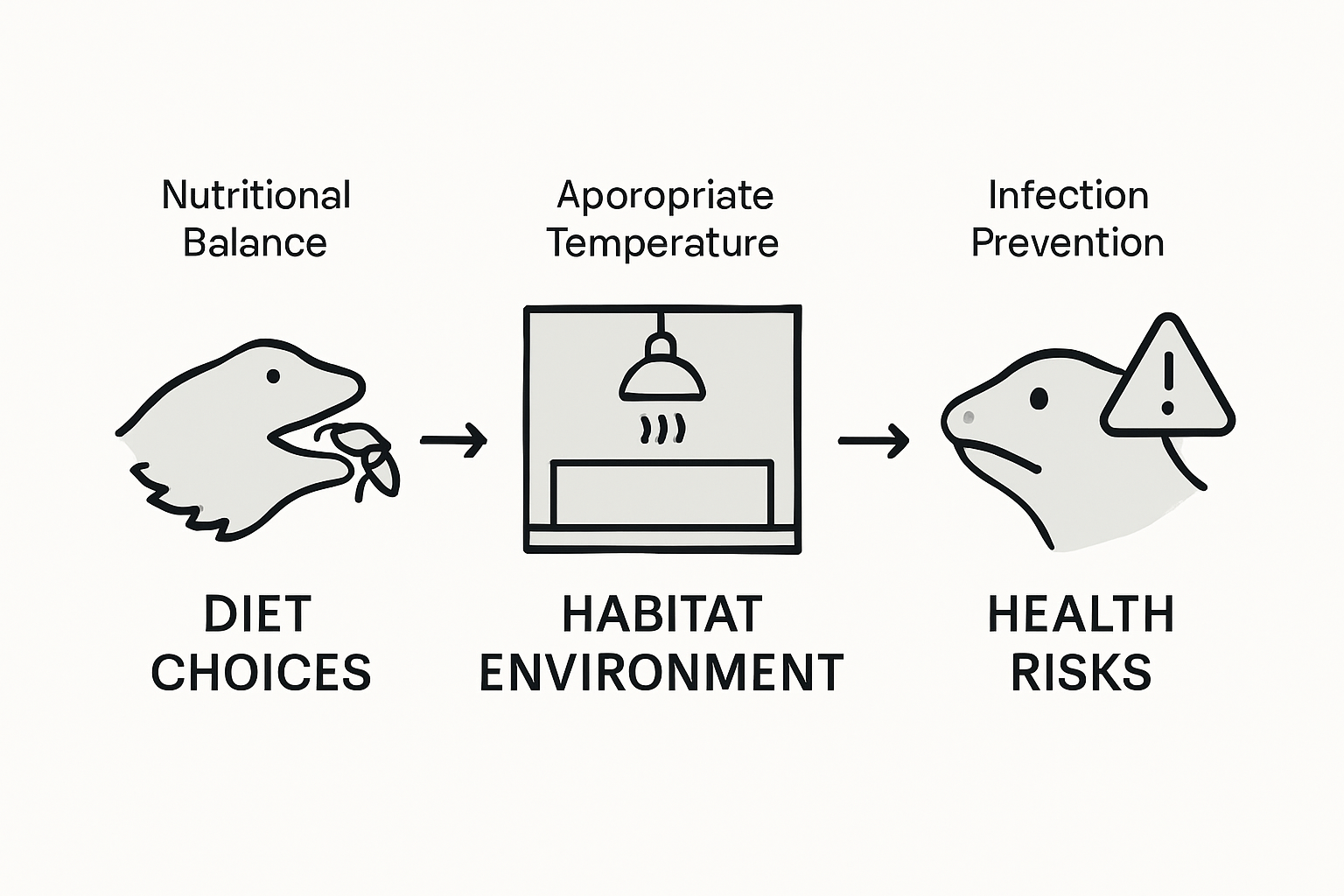
Pro Tip: Preventive Nutrition Strategy: Develop a balanced diet that includes a mix of live insects, fresh vegetables, and occasional calcium supplements to support strong teeth and reduce the risk of dental diseases.
Preventing Dental Problems Through Care
Preventative dental care for bearded dragons requires a comprehensive approach that addresses multiple aspects of their health and environment. Maintaining optimal oral health begins with creating a holistic care strategy that integrates nutrition, habitat management, and regular monitoring. By understanding the intricate relationship between diet, environment, and dental wellness, owners can significantly reduce the risk of potentially serious oral health complications.
Nutritional strategies play a crucial role in dental disease prevention. Carefully selecting diet components can naturally help clean teeth and promote gum health. Prioritize a diet rich in hard-bodied insects and fibrous plant materials that provide natural abrasive action against plaque buildup. Limit sugary fruits, avoiding dried or processed foods that can adhere to teeth. Incorporate crunchy vegetables that mechanically clean tooth surfaces while providing essential nutrients. Calcium supplementation is equally important, as it supports strong tooth and bone structure.
Beyond nutrition, habitat management and routine care are critical preventative measures. Maintain appropriate temperature and humidity levels to support your bearded dragon’s overall immune function. Use a smooth, non-abrasive substrate to minimize the risk of mouth injuries and ensure regular, gentle oral examinations. Create a stress-free environment with appropriate hiding spaces, proper lighting, and consistent handling techniques. Regular veterinary check-ups can help detect early signs of dental issues before they become serious health concerns.
Pro Tip: Dental Maintenance Routine: Implement a weekly oral inspection using a small flashlight, checking for any discoloration, swelling, or unusual growths while simultaneously providing a diet that naturally supports dental health.
The following table summarizes key preventive strategies for optimal bearded dragon dental health:
| Prevention Approach | Description | Benefit |
|---|---|---|
| Balanced Nutrition | Feed hard insects, fibrous vegetables | Reduces plaque buildup |
| Environmental Control | Maintain heat, humidity, and soft substrate | Lowers injury and infection |
| Routine Check-ups | Schedule regular oral and vet exams | Catches problems early |
Treatment and Recovery for Dental Conditions
Dental treatments for bearded dragons require a comprehensive, nuanced approach that addresses both immediate symptoms and underlying health factors. Professional veterinary intervention is crucial when dental complications arise, as these conditions can rapidly escalate and compromise your reptilian companion’s overall health. The treatment strategy typically involves a multi-step process that combines medical intervention, dietary modifications, and environmental adjustments.
The primary treatment protocol involves targeted medical management by a reptile-specialized veterinarian. Depending on the severity of the dental condition, this may include administering antibiotics to combat potential infections, anti-inflammatory medications to reduce oral tissue swelling, and pain management techniques. In more complex cases, veterinarians might perform professional dental cleaning, remove damaged tissue, or address specific oral wounds. Diagnostic procedures such as oral cultures, radiographs, and comprehensive physical examinations help veterinarians develop a precise, individualized treatment plan.
Recovery and rehabilitation require a holistic approach that extends beyond medical treatment. Owners must be prepared to implement significant changes in their bearded dragon’s habitat and nutrition. This includes maintaining optimal temperature and humidity levels, providing a soft diet during initial recovery, ensuring minimal stress, and gradually reintroducing standard feeding patterns. Follow-up veterinary appointments are essential to monitor healing progress, adjust treatment protocols, and prevent potential complications or recurrence of dental issues.
Pro Tip: Recovery Support Technique: Create a calm, warm recovery environment with easily digestible foods and minimal handling, while closely monitoring your bearded dragon’s oral health and following all veterinary-recommended post-treatment care instructions.
Protect Your Bearded Dragon’s Smile with Expert Care and Resources
Dental health is a vital part of your bearded dragon’s well-being. The article highlights serious challenges like malocclusion, periodontal disease, and tooth fractures that can cause pain and threaten your pet’s nutrition and happiness. Owners often face the frustration of monitoring subtle signs such as swollen gums, reluctance to eat, or visible tooth damage. These issues demand proactive attention and a solid care strategy to prevent long-term harm.

You do not have to face these dental health concerns alone. At gobeardeddragon.com, you can find detailed health guides, including tips on recognizing oral problems, prevention strategies, and effective recovery methods. Discover proven advice on nutrition, habitat optimization, and routine dental monitoring to keep your pet comfortable and thriving. Visit gobeardeddragon.com now to take control of your bearded dragon’s dental health and secure a happier, healthier companion today.
Frequently Asked Questions
How can I maintain my bearded dragon’s dental health?
Regular visual inspections of their mouth, providing a balanced diet rich in calcium, and scheduling veterinary check-ups every 6-12 months are essential for maintaining dental health.
What are common dental issues in bearded dragons?
Common dental issues include malocclusion, periodontal disease, and tooth fractures, which can lead to pain, nutritional deficiencies, and infection if not addressed.
What signs indicate my bearded dragon may have dental problems?
Signs of dental issues include reluctance to eat, swollen or discolored gums, unusual drooling, bleeding, and behavioral changes such as lethargy or difficulty chewing.
What dietary adjustments can help prevent dental diseases in bearded dragons?
Providing a diet of hard-bodied insects and fibrous vegetables, while avoiding sugary fruits and processed foods, can help reduce plaque buildup and support dental health.