7 Steps to a Safe Bearded Dragon Cleaning Checklist
Cleaning your bearded dragon’s habitat can feel overwhelming, especially when you want to avoid stressing your pet or missing critical steps. Using the right approach is key to keeping their environment safe, healthy, and comfortable. If you’ve ever wondered how to prevent bacteria, mold, or escape risks during cleaning, you are not alone.
This guide delivers actionable techniques for every stage of bearded dragon habitat care. You will discover calm handling strategies, proven cleaning routines, and smart hygiene tips—all backed by expert research. Get ready to master each step and keep your bearded dragon thriving.
Table of Contents
- 1. Gather Cleaning Supplies For Bearded Dragons
- 2. Remove Your Bearded Dragon From The Habitat Safely
- 3. Clear Out Old Substrate And Uneaten Food
- 4. Disinfect And Wipe Down Enclosure Surfaces
- 5. Clean Water And Food Dishes Thoroughly
- 6. Replace Substrate With Fresh, Safe Material
- 7. Return And Observe Your Bearded Dragon After Cleaning
Quick Summary
| Takeaway | Explanation |
|---|---|
| 1. Gather Essential Cleaning Supplies | Use specific tools like reptile-safe disinfectant and gloves to ensure cleaning is safe and effective for your bearded dragon. |
| 2. Handle Your Bearded Dragon Carefully | Always approach and lift your dragon gently, minimizing stress with calm movements and layers of support. |
| 3. Remove Old Substrate and Food Regularly | Clearing old substrate and uneaten food prevents bacteria and health risks, keeping your dragon’s habitat hygienic and safe. |
| 4. Disinfect Surfaces Thoroughly | Use reptile-safe disinfectants to clean and disinfect enclosure surfaces, following proper hygiene protocols to eliminate bacteria. |
| 5. Observe Your Dragon Post-Cleaning | Monitor your dragon’s behavior and health after reintroduction to ensure they are comfortable and adjusting well post-cleaning. |
1. Gather Cleaning Supplies for Bearded Dragons
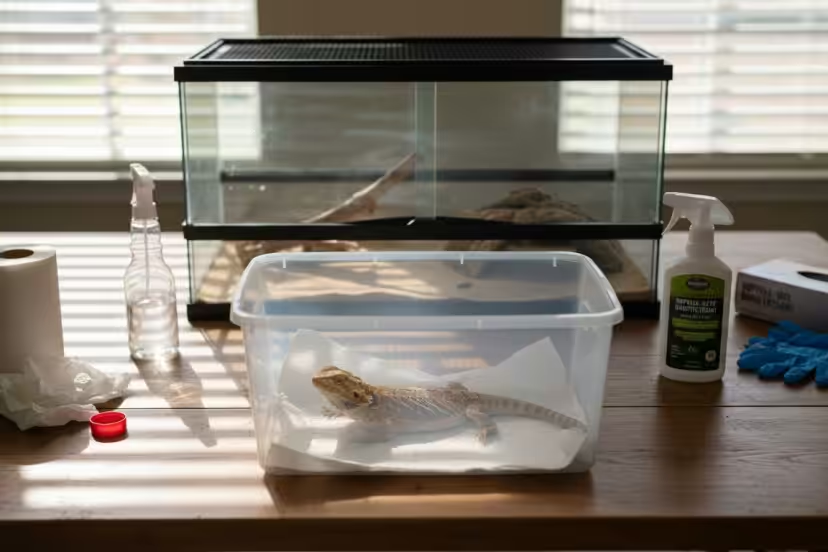
Preparing to clean your bearded dragon’s habitat requires more than just good intentions. You need the right tools and supplies to ensure a safe and thorough cleaning process that keeps your scaly companion healthy and happy.
Essential Cleaning Supplies Include:
- Disposable Gloves: Protect yourself from potential bacteria and prevent direct contact with waste
- Paper Towels: Ideal for quick cleanups and sanitizing surfaces
- Reptile Safe Disinfectant: Specifically formulated to be safe for reptile environments
- Small Plastic Scraper: Perfect for removing stuck debris from surfaces
- Shallow Plastic Container: For safe temporary housing during habitat cleaning
- Clean Spray Bottle: For applying disinfectant solutions evenly
- Soft Cleaning Brush: Helps remove stubborn residue without damaging surfaces
Choosing reptile-specific cleaning products is crucial. Regular household cleaners can contain harsh chemicals that might harm your bearded dragon. Reptile-safe disinfectants are formulated to eliminate bacteria while protecting your pet’s sensitive environment.
When gathering supplies, think of yourself as a dragon habitat hygiene professional. Each tool serves a specific purpose in maintaining a clean and healthy living space for your little scaled friend.
Pro tip: Keep a dedicated cleaning kit for your bearded dragon separate from household cleaning supplies to prevent cross-contamination and ensure maximum safety.
2. Remove Your Bearded Dragon From the Habitat Safely
Removing your bearded dragon from its habitat requires a gentle and strategic approach. Proper handling minimizes stress and ensures both your safety and your scaly friend’s comfort.
Preparation Steps Before Removal:
- Wash your hands thoroughly to prevent bacterial transfer
- Wear clean disposable gloves for additional protection
- Ensure the room is quiet and calm to reduce potential anxiety
Bearded dragons can become stressed easily during handling. Gentle handling techniques are critical to maintaining your pet’s well-being. When approaching your dragon, move slowly and confidently.
Key Handling Techniques:
- Support the entire body when lifting
- Approach from the side rather than directly overhead
- Use both hands to create a secure platform
- Avoid sudden movements that might startle your pet
Always remember that your bearded dragon relies on you to create a safe and comfortable environment during habitat cleaning. Maintaining a calm demeanor helps your pet feel secure throughout the process.
Pro tip: Practice gentle handling techniques regularly outside of cleaning times to help your bearded dragon become more comfortable with being picked up.
3. Clear Out Old Substrate and Uneaten Food
Keeping your bearded dragon’s habitat clean involves more than just surface tidying. Removing old substrate and leftover food is crucial for preventing potential health risks and maintaining a hygienic environment.
Why Clearing Substrate Matters:
- Prevents bacterial growth
- Eliminates potential parasite habitats
- Reduces risk of mold and fungal development
- Maintains overall habitat hygiene
What to Remove:
- Soiled or damp substrate
- Uneaten insects
- Rotting vegetables or fruits
- Fecal matter
- Shed skin fragments
Habitat maintenance practices are essential for your bearded dragon’s health. Decaying organic matter can quickly become a breeding ground for harmful microorganisms that could potentially make your scaly friend sick.
Removal Process:
- Use disposable gloves
- Carefully scoop out all visible organic waste
- Inspect the entire habitat thoroughly
- Dispose of waste in a sealed plastic bag
- Clean the area with reptile-safe disinfectant
Pay special attention to hidden corners and substrate areas where moisture and food particles might accumulate. Thorough cleaning prevents potential health complications and creates a safer environment for your bearded dragon.
Pro tip: Perform a quick daily spot check and a comprehensive substrate replacement every two to four weeks to maintain optimal habitat hygiene.
4. Disinfect and Wipe Down Enclosure Surfaces
Disinfecting your bearded dragon’s habitat is more than a simple cleaning task. It is a critical step in preventing potential health risks and maintaining a safe environment for your scaly companion.
Disinfection Process Breakdown:
- Remove all decorations and accessories
- Pre-clean surfaces to remove visible debris
- Apply reptile-safe disinfectant
- Allow proper contact time
- Thoroughly wipe and rinse surfaces
Reptile habitat cleaning protocols emphasize the importance of proper disinfection techniques. The CDC recommends a two-step process: cleaning to remove dirt, then disinfecting to kill germs.
Recommended Disinfection Supplies:
- Reptile-safe disinfectant
- Clean microfiber cloths
- Disposable paper towels
- Protective gloves
- Spray bottle
- Clean water for rinsing
Ensure you choose a disinfectant specifically designed for reptile environments. Regular household cleaners can contain chemicals harmful to your bearded dragon and should be avoided completely.
Surface Cleaning Steps:
- Wear protective gloves
- Remove all objects from the enclosure
- Scrub surfaces to remove organic matter
- Spray with reptile-safe disinfectant
- Let sit for the recommended contact time
- Wipe thoroughly with a clean cloth
- Rinse with clean water
- Dry completely before replacing items
Pro tip: Keep a dedicated set of cleaning supplies for your bearded dragon to prevent cross-contamination and potential chemical exposure.
5. Clean Water and Food Dishes Thoroughly
Your bearded dragon’s dishes are more than just eating accessories; they are critical health interfaces that require meticulous maintenance. Dirty dishes can become breeding grounds for harmful bacteria that could compromise your scaly friend’s wellness.
Why Daily Dish Cleaning Matters:
- Prevents bacterial growth
- Reduces risk of foodborne illness
- Maintains proper nutrition standards
- Eliminates potential parasite transmission
- Supports overall reptile health
Bearded dragon care guidelines emphasize the importance of daily dish cleaning as a fundamental health practice. Your dragon’s immune system depends on consistently clean feeding areas.
Comprehensive Cleaning Process:
- Empty all remaining food and water
- Rinse dishes with warm water
- Use mild reptile-safe soap
- Scrub thoroughly with a soft brush
- Rinse completely to remove soap residue
- Dry with a clean paper towel
- Inspect for any remaining debris
Consider using ceramic or stainless steel dishes that are easier to clean and less porous than plastic alternatives. These materials resist bacterial buildup and can be sanitized more effectively.
Recommended Cleaning Supplies:
- Soft bristle brush
- Reptile safe dish soap
- Hot water
- Paper towels
- Disinfectant spray
Pro tip: Keep two sets of dishes so you can immediately replace soiled ones while the others are being thoroughly cleaned and dried.
6. Replace Substrate With Fresh, Safe Material
Your bearded dragon’s substrate is more than just floor covering. It plays a critical role in the health of their habitat and can significantly impact their overall well-being.
Safe Substrate Options:
Dangerous Substrates to Avoid:
- Calcium sand
- Walnut shells
- Wood chips
- Small gravel
- Loose particulate materials
Substrate selection guidelines emphasize the importance of choosing materials that minimize impaction risks. Young bearded dragons are especially vulnerable to substrate-related health issues.
Substrate Replacement Considerations:
- Match the substrate to dragon’s life stage
- Choose materials that are easy to clean
- Avoid loose materials for younger dragons
- Ensure substrate provides proper traction
- Select materials that retain appropriate humidity
Different substrate types work better for different ages and environments. Ceramic tiles or reptile carpet offer excellent safety for younger dragons while providing stable walking surfaces.
Recommended Substrate Characteristics:
- Non toxic
- Easy to clean
- Low risk of ingestion
- Provides good traction
- Supports natural behaviors
Pro tip: Consider using multiple substrate types in different habitat zones to provide enrichment and simulate natural terrain.
7. Return and Observe Your Bearded Dragon After Cleaning
After meticulously cleaning your bearded dragon’s habitat, the final step is just as crucial as the cleaning process itself. Carefully reintroducing your scaly friend and monitoring their adjustment is key to ensuring their comfort and health.
What to Watch For:
- Normal movement patterns
- Active exploration of habitat
- Temperature regulation behaviors
- Appetite and hydration levels
- Stress indicators
Bearded dragon care guidelines recommend gentle reintroduction and close observation after habitat cleaning to ensure your pet’s well-being.
Reintroduction Steps:
- Allow the habitat to stabilize to normal temperature
- Place dragon gently in habitat
- Observe initial movement and positioning
- Check basking and hiding spots
- Monitor for first few hours
Watch your dragon’s body language. Signs of stress might include excessive hiding, lack of movement, or unusual coloration. A calm dragon will typically begin exploring or settle into a comfortable spot.
Signs of Healthy Adjustment:
- Moving freely
- Normal appetite
- Regular breathing
- Basking under heat lamp
- Responsive to environment
Pro tip: Keep a log of your dragon’s post-cleaning behaviors to track any potential health changes or unusual patterns.
Below is a comprehensive table summarizing the key steps and considerations for properly cleaning and maintaining a bearded dragon habitat as discussed in the article.
| Step | Details | Purpose/Benefits |
|---|---|---|
| Gather Cleaning Supplies | Collect recommended tools, such as reptile-safe disinfectants, soft brushes, and disposable gloves for hygiene during cleaning. | Ensures proper cleaning and reduces risks of residual chemicals or contaminants. |
| Remove the Bearded Dragon | Remove your pet gently with recommended handling techniques such as supporting its body and avoiding sudden movements. | Minimizes stress to the animal and ensures safe handling during habitat cleaning. |
| Clear Old Substrate | Remove soiled material, uneaten food, and waste. Dispose in sealed bags to maintain environmental hygiene. | Prevents bacterial growth, parasites, and habitat health risks. |
| Disinfect Surfaces | Clean and disinfect enclosure and accessories using reptile-safe disinfectants with proper contact time. | Eliminates harmful bacteria and supports the health of the habitat. |
| Clean Dishes | Wash food and water dishes daily with reptile-safe soap and dry them before refilling. | Prevents bacterial contamination and ensures safe feeding and hydration. |
| Replace Substrates | Use safe, age-appropriate materials such as reptile carpet or tile to mitigate risks. | Maintains hygiene, supports natural behaviors, and prevents ingestion issues. |
| Return and Monitor Dragon | Gently reintroduce the bearded dragon once the habitat has stabilized, and observe its behavior closely after cleaning. | Ensures the pet’s comfort and allows prompt detection of any potential stress signs. |
Keep Your Bearded Dragon Healthy With Expert Habitat Care
Cleaning a bearded dragon’s habitat safely requires careful attention to detail and the right steps to avoid health risks like bacterial infections or stress. This article highlights critical challenges such as removing soiled substrate, disinfecting surfaces with reptile-safe products, and handling your pet gently to keep it comfortable throughout the process. Achieving a truly clean and safe environment is essential for your pet’s well-being and requires consistent care and the right resources.

Discover comprehensive guides and practical tips on maintaining your bearded dragon’s habitat and overall health at gobeardeddragon.com. From in-depth cleaning checklists to nutrition advice and health care information, our site empowers you to create a thriving home for your pet. Start mastering your dragon care today by exploring our detailed Bearded Dragon Care Guides and learn how to transform routine cleaning into a stress-free and rewarding experience. Visit us now and take the next step toward exceptional reptile care.
Frequently Asked Questions
What cleaning supplies do I need for my bearded dragon’s habitat?
You need disposable gloves, paper towels, a reptile-safe disinfectant, a small plastic scraper, a shallow container for temporary housing, a clean spray bottle, and a soft cleaning brush. Gather these items to ensure a safe and effective cleaning process for your bearded dragon’s habitat.
How can I safely remove my bearded dragon from its habitat?
To safely remove your bearded dragon, wash your hands, wear clean gloves, and approach your pet slowly. Use both hands to support its body while lifting, ensuring a calm and secure transfer to a temporary container during cleaning.
What steps should I follow to clear old substrate and uneaten food?
First, use disposable gloves to scoop out all soiled substrate, uneaten food, fecal matter, and any other organic waste from the habitat. Inspect thoroughly for hidden waste; aim to complete this step weekly to prevent health issues from bacterial growth.
How do I disinfect and wipe down the enclosure surfaces?
Remove all accessories, pre-clean the surfaces to eliminate debris, then apply a reptile-safe disinfectant. Allow it to sit for the recommended contact time before wiping it down and rinsing with clean water, ensuring surfaces are completely dry before returning items to the enclosure.
When should I replace the substrate in my bearded dragon’s habitat?
Replace the substrate every two to four weeks, or sooner if it becomes soiled. Choose fresh, safe materials each time, and ensure they are appropriate for your bearded dragon’s life stage to promote a healthy environment.
What should I observe after returning my bearded dragon to its cleaned habitat?
After reintroducing your bearded dragon, monitor its movement patterns, appetite, and overall behavior for stress indicators. Watch for signs of normal activity, such as exploration and basking, within the first few hours to ensure a smooth adjustment.