DIY Bearded Dragon Enclosure Ideas
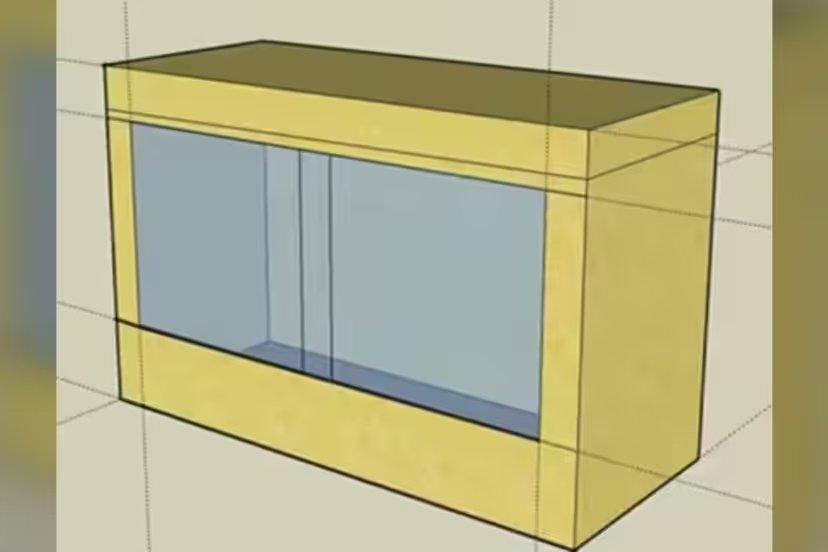
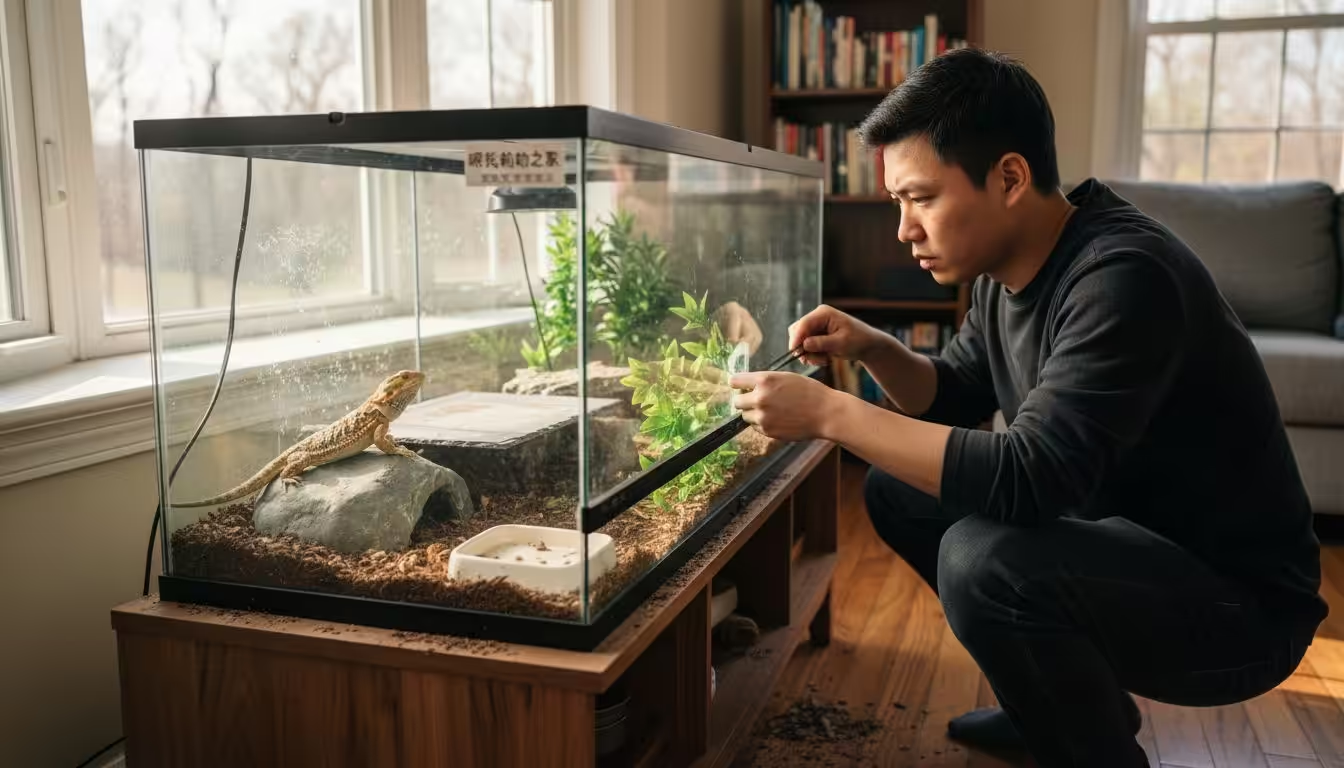
If you’re a proud owner of a bearded dragon or planning to become one, you probably already know how important their enclosure is. But store-bought tanks can be pricey, and honestly, where’s the fun in just buying one? Here are some creative, budget-friendly ways to design your own DIY bearded dragon enclosure that’s perfect for your scaly buddy.
Why Create Your Own Bearded Dragon Enclosure?
Benefits of a DIY Enclosure
Building your own enclosure isn’t just a money-saver; it’s also a chance to customize every detail for your dragon’s comfort and your home’s style. Want an enclosure that fits that awkward corner of your room? Or one that matches your furniture? A DIY project lets you do just that.
You also get to control the materials you use, which is great for ensuring safety and durability. And you get to watch your dragon live in something you built.
Common Mistakes to Avoid
Not all DIY projects go smoothly, so watch out for these common pitfalls. One big mistake? Skimping on ventilation. Bearded dragons need plenty of airflow to stay healthy. Another issue is forgetting to seal wooden enclosures properly, which can lead to moisture problems.
Must-Have Features of a Bearded Dragon Enclosure
Size Requirements for Different Growth Stages
A bearded dragon’s needs change as they grow. Baby dragons can manage with a 40-gallon tank, but adult dragons? They’ll need at least 120 gallons (4 x 2 x 2 feet). Plan ahead so you’re not rebuilding every few months.
Temperature and Lighting Needs
Your bearded dragon is a sun worshipper, and their enclosure should reflect that. UVB lighting keeps them healthy, and you need a basking surface of 95-105°F for adults (105-110°F for babies). Don’t forget a cooler area too, around 75-85°F, so they can regulate their body temperature.
Flooring Options: Pros and Cons
For the floor, avoid loose substrates like sand, which can cause impaction if swallowed. Safer options include tile, reptile carpet, or even linoleum. Each has its pros and cons, but they’re all easier to clean and maintain than loose materials.
Creative DIY Bearded Dragon Enclosure Ideas
Wooden Vivariums: A Classic Choice
Wooden enclosures are popular because they are sturdy, easy to customize and well insulated.
Building with Plywood and Melamine
Plywood is cost-effective and easy to work with, while melamine adds a smooth, wipeable finish. Just be sure to seal all edges to keep moisture out.
Waterproofing Your Wooden Enclosure
Non-toxic sealants like polyurethane are used to waterproof the wood. This prevents warping and keeps the enclosure looking great for years.
Glass and Acrylic Enclosures
If you’re into sleek, modern designs, glass or acrylic might be your jam.
Advantages of Glass Tanks
Glass enclosures look professional and offer great visibility. They’re also easy to clean and resistant to scratches.
Steps to Modify an Aquarium
Have an old fish tank lying around? Perfect! Add a mesh lid for ventilation and some climbing accessories, and you’re good to go.
🦎 Want all the essentials on one printable page?
The Complete Bearded Dragon Care Plan puts daily routines, feeding charts, safe vs. toxic foods and vet red flags into one 16-page PDF for $7.99.
See the Care Plan →Repurposing Old Furniture
Why not turn that dusty old dresser into a dragon’s paradise?
Converting a Dresser or Bookshelf
By removing shelves and adding a front-facing door, you can turn furniture into an enclosure that’s both functional and chic.
Ensuring Proper Ventilation
Drill holes or add mesh panels to ensure your dragon gets plenty of fresh air.
Budget-Friendly Tips for Building an Enclosure
Sourcing Materials Economically
Check out hardware stores, thrift shops, or even Facebook Marketplace for deals on materials. You’ll be surprised at what you can find!
Reusing and Recycling Supplies
Got leftover wood, glass, or acrylic from another project? Use them! Repurposing materials saves money and is eco-friendly.
Affordable Decor and Accessories
Decor doesn’t have to break the bank. Look for natural branches, rocks, and fake plants to create a fun, enriching environment for your dragon.
Maintenance and Upkeep of DIY Enclosures
Cleaning and Hygiene Best Practices
Keep your enclosure clean by spot-cleaning daily and doing a deep clean every month. Use a reptile-safe disinfectant to kill bacteria and prevent illnesses.
Regular Safety Checks
Inspect your enclosure regularly for wear and tear. Look for loose screws, cracks, or signs of moisture damage, and fix any issues promptly.
Conclusion
Creating your own bearded dragon enclosure is a rewarding project that can save you money and give your dragon a safe, comfortable home. With a bit of planning and creativity, you can build an enclosure that’s both functional and stylish. Pick a design, gather your tools and start building.
FAQs
How big should a bearded dragon enclosure be?
Adult bearded dragons need at least 120 gallons (4 x 2 x 2 ft). Bigger is better.
What materials are best for DIY enclosures?
Wood, glass, and acrylic are popular choices. Just make sure all materials are sealed and non-toxic.
Can I use second-hand furniture for my setup?
Yes. Old dressers, bookshelves, and cabinets can be repurposed into enclosures with a bit of creativity and ventilation.
How do I maintain the correct temperature inside the enclosure?
Use a combination of heat lamps, UVB lighting, and thermostats to create a temperature gradient.
Is it cheaper to build or buy a bearded dragon enclosure?
Building your own enclosure is often more cost-effective, especially if you use recycled materials and shop smart for supplies.

Love your beardie? Wear it proudly.
My Bearded Dragon Is My Spirit Animal Tee – from $18.45. Our own bearded dragon designs, printed on demand. Every order supports these free care guides.
View this design → Browse all gifts