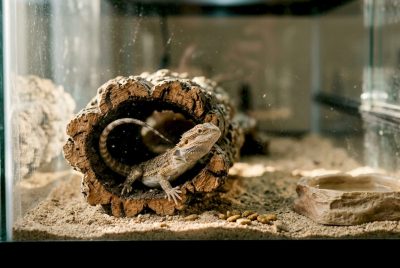
Blue Bearded Dragon: Color, Care and Facts
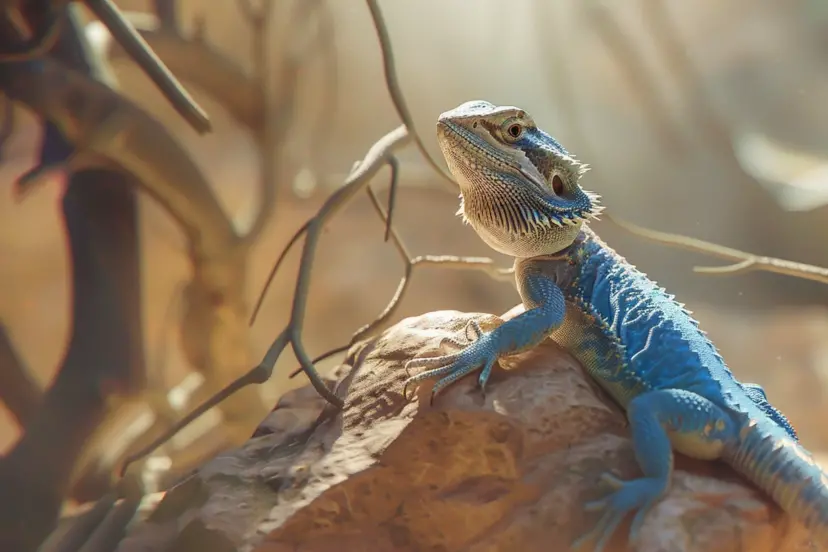
If you follow bearded dragon morphs, you have likely come across the beautiful and elusive blue bearded dragon. These fascinating creatures aren’t just any run-of-the-mill bearded dragon. Their striking color and gentle temperament make them a unique pet choice. This guide covers everything you need to know about the blue bearded dragon, from its origins to care tips, and everything in between.
Introduction to Blue Bearded Dragons
Bearded dragons, in general, are beloved by reptile enthusiasts for their docile nature and quirky personalities. But the blue bearded dragon, specifically, has been gaining traction in the pet world. Its unique blue hue sets it apart from the more common shades of yellow, orange, and brown.
What is a Blue Bearded Dragon?
You might be wondering, “What makes a blue bearded dragon so special?”
Color Morph Explained
A blue bearded dragon isn’t a distinct species but rather a color morph of the Pogona species. These dragons have a bluish tint on the sides or beard, most visible when they are excited or agitated. Breeders produced this color through selective breeding for blue pigment.
Origins of the Blue Bearded Dragon
Like all bearded dragons, blue morphs trace their roots back to Australia, where they inhabit arid regions. The blue morph, however, has been bred by reptile breeders who select for this particular color. While not as commonly found as other morphs, they are becoming increasingly popular.
🦎 Want the key care facts on one printable page?
The Complete Bearded Dragon Care Plan puts daily routines, feeding charts, safe vs. toxic foods and vet red flags into one 16-page PDF for $7.99.
See the Care Plan →Unique Characteristics of the Blue Bearded Dragon
Beyond their stunning color, blue bearded dragons have some characteristics that make them a joy to own.
Physical Appearance
The blue color stands out most, and its strength changes with the dragon’s mood, health and environment. These dragons typically grow to the same size as other bearded dragons, ranging between 16 to 24 inches in length.
Temperament and Personality
Bearded dragons, blue morphs included, are known for their calm and friendly temperament. They’re not aggressive and, with regular handling, they become quite tame. Many owners find them to be affectionate in their way, often enjoying gentle petting or lounging on their owner’s shoulder.
Caring for Your Blue Bearded Dragon
Blue bearded dragons need the same care as other morphs, with a few small differences.
Housing and Habitat Requirements
The right habitat keeps your blue bearded dragon healthy.
Ideal Enclosure Size
A good rule of thumb is to provide at least a 40-gallon tank for a young dragon, but an adult will need an enclosure of at least 120 gallons (4 x 2 x 2 feet). They love to explore and bask, so a spacious tank is a must.
Temperature and Lighting Needs
Like all reptiles, blue bearded dragons are ectothermic, meaning they rely on external heat sources to regulate their body temperature. A basking spot should be between 95°F to 110°F, while the cooler side of the tank should be around 80°F. They also need UVB light to prevent metabolic bone disease.
Humidity Levels
Bearded dragons are native to dry climates, so the humidity in their enclosure should stay between 20-40%. Too much humidity can lead to respiratory issues.
Diet and Feeding Tips
What your blue bearded dragon eats plays a huge role in its health.
What Do Blue Bearded Dragons Eat?
These omnivores need a balanced diet of leafy greens, vegetables and insects like crickets and dubia roaches. For adults, the ratio should be about 70% plant-based foods and 30% insects.
Feeding Schedule
Young dragons need more protein, so insects should make up a larger portion of their diet. As they grow, switch to more greens. Feeding them once a day is sufficient for adults, but juveniles may need feeding twice a day.
Hydration Needs
Although they get most of their moisture from food, always provide a shallow dish of fresh water. A warm bath once or twice a week helps keep them hydrated, more so if your home is dry.
Health and Wellness
Maintaining your blue bearded dragon’s health requires attention to detail.
Common Health Issues
Some health problems that can affect blue bearded dragons include impaction (from ingesting substrate), metabolic bone disease (from a lack of UVB light or calcium), and respiratory infections. Always keep an eye on their behavior, eating habits, and physical condition.
Preventative Measures for Blue Bearded Dragons
Providing the right diet, lighting, and habitat are the best ways to prevent most common health issues. Also, regular check-ups with a reptile vet will ensure your dragon stays in top condition.
Blue Bearded Dragon Behavior
Understanding your dragon’s behavior will help you bond with them and recognize when something is wrong.
Socializing with Humans and Other Pets
Bearded dragons, including the blue morph, are generally friendly creatures. They enjoy human interaction and can even get along with other pets (always supervise these interactions). Handle them gently and frequently to help them stay tame and comfortable around you.
Signs of Stress or Illness
If your dragon is hiding more than usual, showing a loss of appetite, or has a blackened beard (a sign of stress), it’s time to investigate. Changes in color, lethargy, or unusual behavior can be a red flag for health issues.
Breeding Blue Bearded Dragons
If you’re interested in breeding blue bearded dragons, there are a few things to keep in mind.
Is Breeding Blue Morphs Different?
Breeding blue morphs isn’t drastically different from breeding other bearded dragons, but selecting for the blue coloration can be tricky. Blue doesn’t always breed true, meaning not all offspring will display the blue hue.
Conclusion
Blue bearded dragons stand out in both looks and personality. Owning one comes with its responsibilities, but with the right care, they make fantastic pets. Their friendly demeanor, unique look, and manageable care requirements make them a joy to have around.
FAQs
1. Do blue bearded dragons stay blue throughout their life?
A: The blue color can fade as they age, and it may also fluctuate depending on their mood or health.
2. How much does a blue bearded dragon cost?
A: Due to their rarity, blue bearded dragons can be more expensive than standard morphs, ranging from $300 to $1,000.
3. Can I house two blue bearded dragons together?
A: It’s generally not recommended to house two bearded dragons together, as they can become territorial.
4. How long do blue bearded dragons live?
A: With proper care, they can live between 10 to 15 years.
5. What should I do if my blue bearded dragon stops eating?
A: If your dragon stops eating for more than a few days, consult a reptile vet, as it could be a sign of illness.

Love your beardie? Wear it proudly.
Dragon Whisperer T-Shirt – from $15.83. Our own bearded dragon designs, printed on demand. Every order supports these free care guides.
View this design → Browse all gifts