Central Bearded Dragon: Complete Guide

Introduction to Central Bearded Dragons
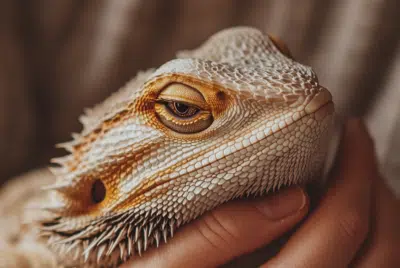
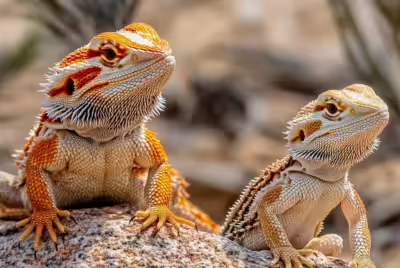
Central Bearded Dragons are calm, curious pets with quirky habits. Native to the deserts of central Australia, these reptiles are ideal for both beginner and experienced reptile owners alike. But owning a Central Bearded Dragon comes with the responsibility of providing the right care, and that starts with knowing exactly what they need.
🦎 Want all the essentials on one printable page?
The Complete Bearded Dragon Care Plan puts daily routines, feeding charts, safe vs. toxic foods and vet red flags into one 16-page PDF for $7.99.
See the Care Plan →Why Central Bearded Dragons Make Great Pets
Central Bearded Dragons are not only easy to care for, but they are also friendly and hardy creatures. They can adapt to a variety of environments, and once you’ve set up their home properly, you’ll find they’re quite low maintenance. Plus, they’re social, docile, and great with handling, making them perfect for individuals or families looking for a reptile companion. Captive breeding has produced many color and size lines of this species, including the German Giant, red bearded dragons, the Red Monster morph, citrus bearded dragons and blue bearded dragons. Our complete guide to bearded dragon morphs explains how they are inherited.
Choosing the Right Enclosure for Your Central Bearded Dragon
Your dragon’s home, or vivarium, is perhaps the most important investment you’ll make. It’s where they’ll spend most of their time, so you want to ensure it’s safe, comfortable, and stimulating.
Enclosure Size and Material Options
Size matters most when you choose an enclosure. For an adult Central Bearded Dragon, an enclosure of 120 gallons (4 x 2 x 2 feet) is the minimum, and bigger is better if you have the space. You want to give them room to roam, bask, and explore. As for materials, glass enclosures are popular because they retain heat well and offer great visibility. Wooden vivariums are another option, especially if you need to better control the temperature in colder climates.
Setting Up a Safe and Comfortable Habitat
Once you’ve chosen your enclosure, it’s time to create a welcoming habitat. The key is replicating their natural desert environment. Be sure to add climbing branches, rocks, and hideaways where they can feel secure. You also need to ensure they have a cool side and a warm side, which we’ll cover more in the lighting and heating section.
The Perfect Substrate for Your Bearded Dragon’s Habitat
Choose the substrate with care, since the wrong choice can lead to impaction (a blockage in the digestive system).
Substrate Options: What’s Safe, What to Avoid
Reptile carpet, newspaper or ceramic tile make safe substrates. These options are easy to clean and pose no risk of ingestion. On the other hand, avoid loose substrates like sand or wood chips, which can cause impaction if ingested by your bearded dragon. Even though sand looks natural, it’s best left out of your setup.
Cleaning and Maintaining the Substrate
To keep your bearded dragon healthy, spot clean the substrate daily by removing waste and leftover food. Every 1-2 weeks, give the enclosure a deep clean by replacing the substrate entirely and disinfecting the enclosure with a reptile-safe cleaner.
Lighting and Heating: Creating the Right Environment
Bearded dragons rely on external heat sources to regulate their body temperature and UVB light to synthesize Vitamin D3, which helps them absorb calcium.
The Importance of UVB Light
Without adequate UVB exposure, your Central Bearded Dragon could develop metabolic bone disease, a serious and potentially life-threatening condition. Run UVB for about 10-12 hours a day. Replace T5 tubes every 12 months and T8 tubes every 6 months, even if they still light up, because UVB output fades over time.
Heating and Temperature Requirements
Your bearded dragon needs a temperature gradient. The basking area should be between 100-110°F, while the cooler side of the enclosure should be around 75-85°F. Use thermometers on both sides of the enclosure to monitor and adjust the heat accordingly.
Feeding Your Central Bearded Dragon
Feeding your bearded dragon properly is key to their health and well-being. A balanced diet of insects, vegetables and occasional fruit keeps your dragon healthy.
Staple Foods for Bearded Dragons
Live insects like crickets, dubia roaches, and mealworms should make up the bulk of your bearded dragon’s diet, especially when they’re young and growing. As they mature, they’ll need more vegetables in their diet. Collard greens, mustard greens, and squash are excellent options.
Safe Vegetables, Fruits, and Insects
Vegetables like kale, dandelion greens, and bell peppers are great daily staples. You can also offer fruits like blueberries or apples as occasional treats. Be sure to gut-load the insects before feeding them to ensure they are nutritious.
Hydration: How to Keep Your Dragon Properly Hydrated
Bearded dragons don’t drink a lot of water in the wild, but it’s still important to provide fresh water in their enclosure.
Watering Tips
Place a shallow water dish in the enclosure and refresh it daily. You can also mist your dragon lightly every couple of days. They might not drink from the dish, but they’ll absorb moisture through their skin.
Signs of Dehydration and Overhydration
A well-hydrated dragon will have a healthy, plump appearance with clear, bright eyes. If you notice sunken eyes, wrinkled skin, or lethargy, these could be signs of dehydration.
Handling and Socializing Your Central Bearded Dragon
Central Bearded Dragons are generally friendly and enjoy being handled, but you’ll need to gain their trust first.
Best Practices for Handling
Always support their entire body when picking them up and avoid sudden movements. Start with short handling sessions and gradually increase the time as they become more comfortable with you.
Building Trust with Your Bearded Dragon
Talk to your dragon softly, and handle them gently. Over time, your bearded dragon will associate you with safety and may even look forward to being held.
Health and Wellness: Monitoring Your Bearded Dragon’s Health
Watch your bearded dragon for early signs of illness.
Common Health Issues to Watch For
Some common health concerns include metabolic bone disease, respiratory infections, and parasites. Be on the lookout for symptoms like lethargy, lack of appetite, or abnormal bowel movements.
Regular Check-Ups and Preventative Care
Schedule regular check-ups with a reptile vet, especially if you notice any unusual behavior or physical symptoms. Preventative care is key to keeping your dragon healthy.
Conclusion: Providing a Long, Happy Life for Your Bearded Dragon
Central Bearded Dragons are wonderful pets that bring joy and companionship. By providing the right care, from the perfect enclosure setup to a balanced diet and regular handling, you can ensure that your bearded dragon lives a long, happy, and healthy life.
FAQs
1. How often should I feed my Central Bearded Dragon?
Younger dragons should be fed 2-3 times a day, while adults get fresh greens every day and insects 2 to 3 times a week.
2. Can I house multiple bearded dragons together?
It’s generally not recommended. Bearded dragons are territorial and housing them together can lead to stress or aggression, especially between males.
3. Do I need to mist my bearded dragon?
Occasional misting can help with hydration, but it’s not necessary daily. Fresh water should always be available.
4. How often should I replace the UVB light bulb?
UVB bulbs should be replaced every 6-12 months, even if they still emit visible light, as their UVB output diminishes over time.
5. Why is my bearded dragon not eating?
Loss of appetite can be due to improper temperatures, stress, illness, or a change in environment. If the issue persists, consult a reptile vet for guidance.

Love your beardie? Wear it proudly.
Be a Bearded Dragon Scented Candle – from $21.47. Our own bearded dragon designs, printed on demand. Every order supports these free care guides.
View this design → Browse all gifts