Albino Bearded Dragon: Care Guide for this Unique Morph
Owning an Albino Bearded Dragon (Hypomelanistic Morph) is a unique experience, not only because of their striking appearance but also because they require special care compared to regular bearded dragons. This guide covers habitat, feeding, health and handling for albino bearded dragons.
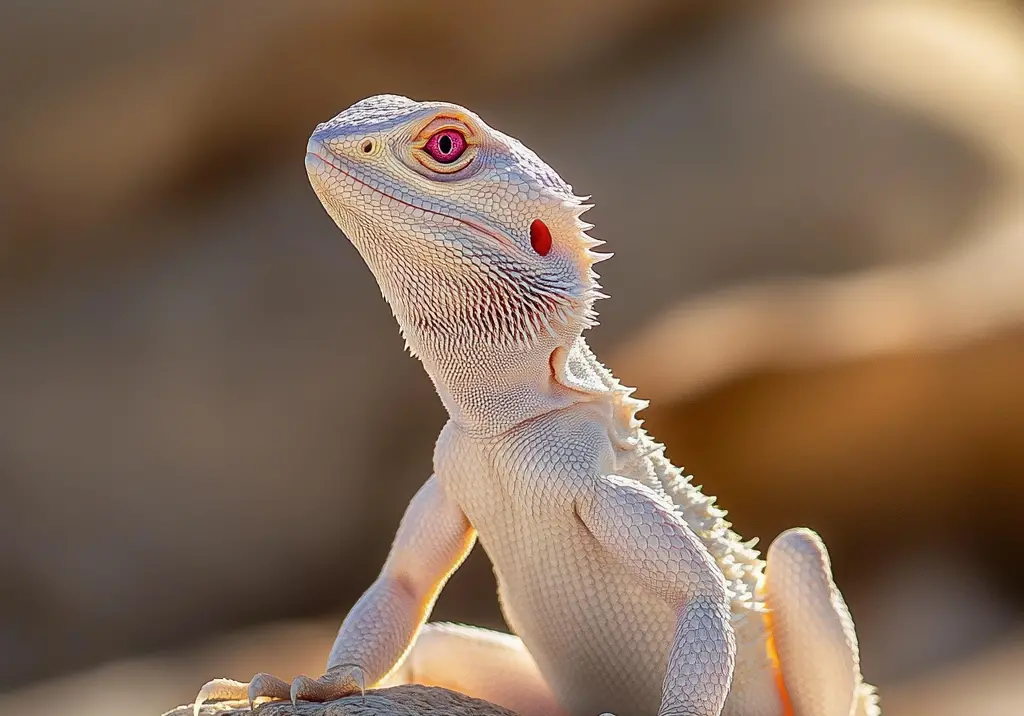
What Is an Albino Bearded Dragon?
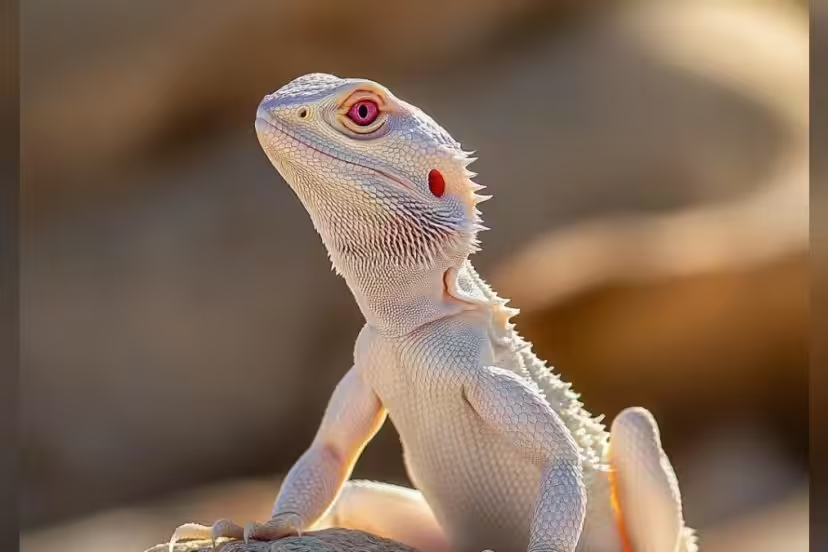
Albino bearded dragons are rare and highly sought after due to their unique lack of pigmentation, which gives them a striking pale or white appearance. Unlike regular bearded dragons, albinos lack the melanin responsible for typical color variations. Caring for them requires some special considerations due to their sensitivity to light and potential health issues.
🦎 Want all the essentials on one printable page?
The Complete Bearded Dragon Care Plan puts daily routines, feeding charts, safe vs. toxic foods and vet red flags into one 16-page PDF for $7.99.
See the Care Plan →The Genetics Behind Albino Bearded Dragons
To understand what makes albino bearded dragons special, it helps to know a bit about their genetics and how albinism affects their physiology.
Understanding Albinism in Reptiles
Albinism is a genetic condition where an animal lacks melanin, the pigment that gives skin, scales, and eyes their color. This results in the dragon’s pale, almost translucent appearance and makes them more sensitive to sunlight. True albinism is rare in bearded dragons, and many “albino” dragons are leucistic (partial loss of pigment) rather than fully albino.
Selective Breeding and Challenges
Due to their rarity, albino bearded dragons are often produced through selective breeding, but the process comes with challenges. Breeding two albinos can result in health issues due to limited genetic diversity. Reputable breeders take care to avoid overbreeding and prioritize the dragon’s well-being over aesthetics.
Appearance and Characteristics of Albino Bearded Dragons
Albino bearded dragons have physical traits that make them stand out from other morphs.
Color Variations and Pigmentation
While typical bearded dragons come in various colors and patterns, albino dragons have a pale white or pinkish appearance due to their lack of melanin, and their nails aren’t black like most morphs, they’re clear. Their eyes often appear pink or light blue due to the absence of pigmentation in the irises, which makes them more sensitive to light.
Size and Physical Traits
Albino bearded dragons grow to a similar size as regular bearded dragons, reaching between 18-24 inches in length. However, they may appear more delicate due to their lighter skin and unique coloring. They have the same stocky build and broad, spiny heads, but their bright appearance sets them apart.
Setting Up the Ideal Habitat for an Albino Bearded Dragon
Albino bearded dragons have specific environmental needs due to their sensitivity to light. The right habitat keeps them healthy.
Tank Size and Environment
Like other bearded dragons, albino dragons need plenty of space to roam and bask. A 40-gallon tank is the minimum for juveniles, but adults require an enclosure of at least 120 gallons (4 x 2 x 2 feet). Ensure the tank is well-ventilated and provides areas for basking as well as hiding spots where your dragon can retreat if it feels overwhelmed.
Special Lighting Requirements for Albino Morphs
Albino bearded dragons are more sensitive to UVB light, so you need to choose the right UVB bulb carefully. Use a lower-intensity UVB light (like a 5.0 bulb) to prevent eye strain and burns, and make sure the light is positioned far enough away to avoid direct exposure. Balance their need for UVB with their sensitivity to light.
Choosing the Right Substrate
For albino dragons, a safe, non-loose substrate like reptile carpet, paper towels, or slate tiles is ideal. Avoid loose substrates like sand, as they can cause impaction if ingested, which is a common concern for all bearded dragons.
Feeding Your Albino Bearded Dragon
Albino bearded dragons have the same dietary needs as other bearded dragons.
Insect Diet for Juveniles
Juvenile albino dragons need a high-protein diet, primarily consisting of crickets, dubia roaches, and mealworms. Feed them 2-3 times a day and make sure the insects are gut-loaded with nutritious food. This gives your dragon the vitamins and minerals it needs to grow.
Vegetables and Supplements for Adults
As your albino bearded dragon grows, transition their diet to include more vegetables like collard greens, mustard greens, and squash. Adults should have a diet consisting of 70-80% vegetables and 20-30% insects. Dust their food with calcium supplements containing vitamin D3 to support bone health and prevent metabolic bone disease.
Feeding Schedule and Portion Sizes
Juveniles should be fed 2-3 times daily, while adults get fresh greens every day and insects 2 to 3 times a week. Offer a variety of insects and vegetables, and make sure all food is appropriately sized to avoid choking or impaction.
Common Health Concerns for Albino Bearded Dragons
Albino bearded dragons are generally healthy but can face specific health concerns due to their albinism.
Sensitivity to Light and Vision Issues
Due to the lack of melanin in their eyes, albino bearded dragons are more sensitive to bright lights. You might notice them squinting or avoiding light sources. Make sure to provide shaded areas in their tank to help them manage this sensitivity.
Parasite Prevention and Care
Like all bearded dragons, albinos can get parasites, more so if their habitat is not cleaned often. Watch for signs like diarrhea, weight loss, or lack of appetite, and consult a reptile vet if you suspect a parasitic infection.
Metabolic Bone Disease: Causes and Prevention
Albino dragons are prone to metabolic bone disease (MBD) if they don’t receive enough UVB or calcium. To prevent MBD, ensure proper calcium supplementation and that their UVB light is functioning properly. Signs of MBD include swollen limbs, lethargy, and difficulty moving.
Handling and Socializing Your Albino Bearded Dragon
Handling an albino bearded dragon requires patience and care, but they can become just as social and interactive as other morphs.
Best Practices for Gentle Handling
When handling your albino dragon, always be gentle and supportive. Start with short handling sessions, around 5-10 minutes at a time, and gradually increase the duration as they become more comfortable. Albino dragons may be more sensitive to touch, so move slowly to avoid startling them.
Building Trust and Comfort
Like any bearded dragon, albinos do best with calm, regular handling. Spend time near their tank, handle them regularly, and offer treats to build a bond. Over time, they’ll become accustomed to being handled and will enjoy spending time with you.
Shedding in Albino Bearded Dragons
Shedding is a natural process for all bearded dragons, but it can be more pronounced in albino morphs due to their lighter skin.
How Often Albino Dragons Shed
Juvenile dragons shed more frequently than adults due to their rapid growth, often shedding every few weeks. As they age, the frequency of shedding decreases, but you may still notice skin flaking off several times a year. Albino dragons may show more visible signs of shedding because their lighter skin makes the shed skin stand out more.
Helping Your Albino Dragon Through Shedding
To help your albino dragon shed, keep humidity at 30-40% and offer a warm bath. Offer warm baths a few times a week during shedding periods, as this helps to soften the old skin and allows it to peel away more easily. Avoid pulling off the skin manually; instead, let it shed naturally. You can gently rub stuck areas with a soft cloth if needed, but be careful not to harm their delicate skin.
Breeding Albino Bearded Dragons: What You Should Know
Breeding albino bearded dragons is a delicate process that requires knowledge and attention to genetics. It’s important to be aware of the challenges and ethical considerations involved.
Ethical Considerations in Breeding
Albino bearded dragons can have genetic health problems, so avoid irresponsible breeding. Breeding two albinos raises the risk of genetic defects. Pair them with dragons of other morphs to keep the gene pool diverse.
Genetic Traits and Breeding Challenges
Albino bearded dragons are recessive, meaning both parents must carry the albino gene for offspring to display albino traits. This can make breeding for albino traits challenging. It’s important to work with experienced breeders who understand the genetic complexities and aim for healthy, vibrant offspring.
Conclusion: Caring for Your Albino Bearded Dragon
Caring for an albino bearded dragon is a rewarding experience that requires a bit more attention to detail than other morphs. Albino dragons need extra care with light, diet and habitat. With the right setup, feeding and handling, your albino dragon can grow into a healthy companion. Albino bearded dragons make striking pets for new and experienced keepers alike.
FAQs
- Are albino bearded dragons more sensitive to light?
Yes, albino dragons lack melanin, making their eyes more sensitive to bright lights. Give them a UVB setup at the lower end of the range and plenty of shade in the enclosure. - Do albino bearded dragons have a shorter lifespan?
With proper care, albino bearded dragons can live just as long as regular bearded dragons, typically between 10-15 years. However, they may face more health challenges if not cared for correctly. - How can I help my albino bearded dragon shed properly?
Offer regular warm baths and maintain proper humidity levels to help them shed smoothly. Gently rub stuck shed with a soft cloth if needed, but never force it. - What should I feed my albino bearded dragon?
Feed juveniles a protein-rich diet of insects like crickets and roaches, and adults a diet primarily of leafy greens with occasional insects. Always dust their food with calcium supplements. - Can I breed my albino bearded dragon with another morph?
Yes, but keep genetic diversity in mind. Breeding two albinos can increase the risk of genetic defects, so it’s best to pair albino dragons with other morphs to maintain healthy offspring.
By following these tips and understanding the unique needs of albino bearded dragons, you’ll be able to provide the best care for your rare and beautiful pet.

Love your beardie? Wear it proudly.
King of the Terrarium Tee – from $15.68. Our own bearded dragon designs, printed on demand. Every order supports these free care guides.
View this design → Browse all gifts