Red Bearded Dragon: Color, Care and Breeding Guide
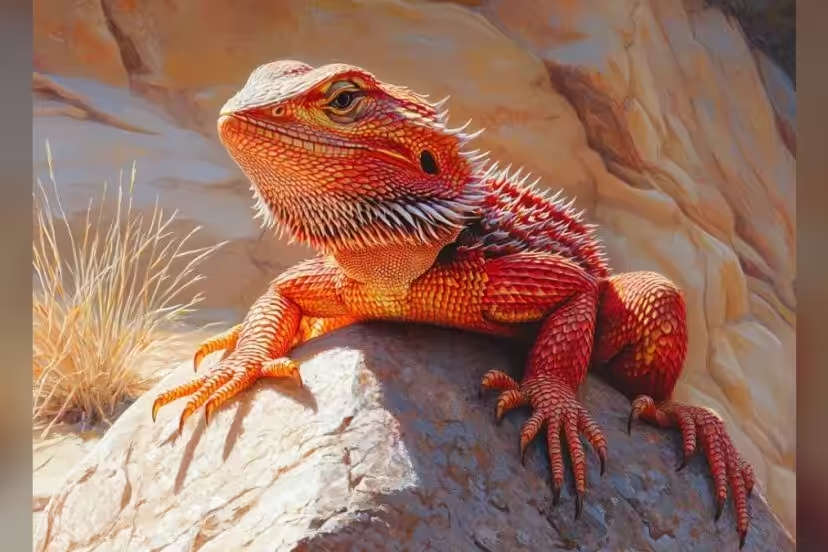
A red bearded dragon is a color morph of the central bearded dragon (Pogona vitticeps), not a separate species. Breeders select for red, orange and crimson tones over many generations. A red dragon needs the same care as any other bearded dragon: an enclosure of at least 4 x 2 x 2 feet, a hot basking spot, a linear UVB tube and a diet that moves from insects to greens as it grows.
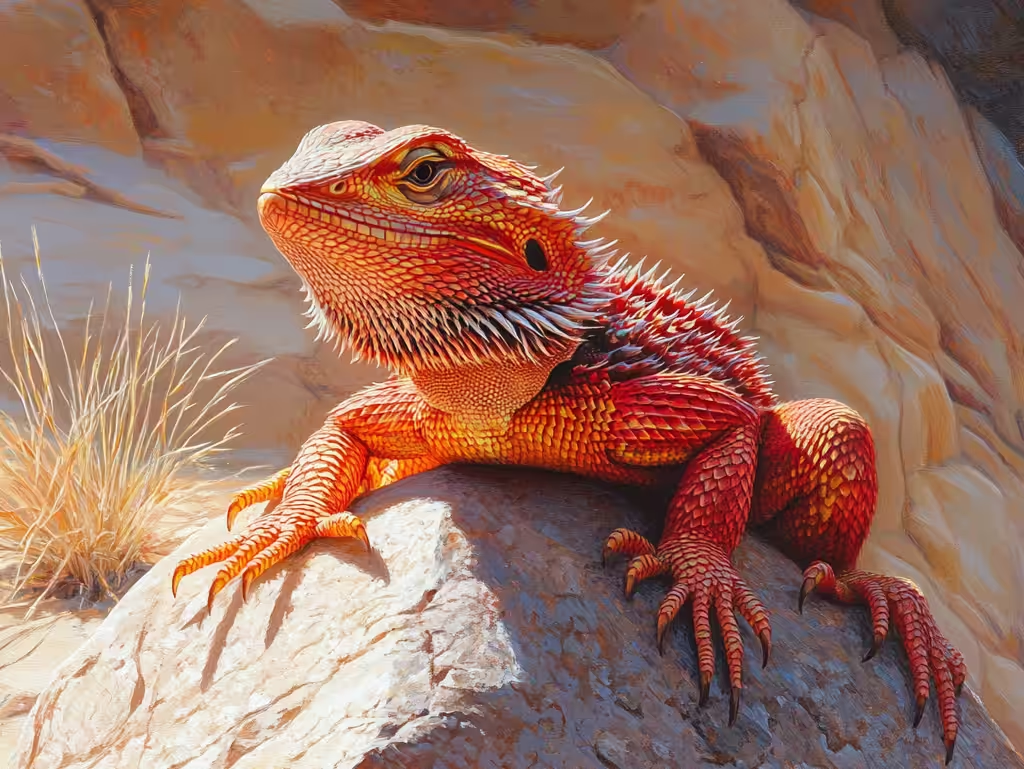
What Makes a Red Bearded Dragon Special?
The red color comes from selective breeding. Breeders pair the reddest dragons from each clutch, and over generations the red becomes stronger and more common in the offspring. The color is a polygenic trait, so many genes add to it, and no single gene switches it on.
Red morph variations
You will see names such as blood red, ruby red or red hypo in breeder listings. Most of these are line names chosen by breeders, not separate genetic morphs. A hypo (hypomelanistic) red has less dark pigment, so the red looks brighter and the nails are clear. Reds also come in combination with leatherback or translucent traits.
Color development
Baby red dragons often look pale or orange. The full red develops over the first one to two years. Temperature and mood also change how bright your dragon looks on a given day: a warm, relaxed dragon under the basking lamp shows more color than a cold or stressed one. Foods or supplements sold to boost color are not needed and can harm your dragon if they contain excess vitamin A.
🦎 Want all the essentials on one printable page?
The Complete Bearded Dragon Care Plan puts daily routines, feeding charts, safe vs. toxic foods and vet red flags into one 16-page PDF for $7.99.
See the Care Plan →Size and Appearance
Red bearded dragons grow to the same size as other central bearded dragons, about 18 to 24 inches (45 to 60 cm) from nose to tail tip. Males tend to be a bit larger than females and have broader heads. They have the same triangular head, spiny sides and beard as any bearded dragon.
Habitat Setup
Red dragons have no special habitat needs. Follow the same setup described in our bearded dragon tank guide.
Enclosure size
A juvenile can start in a 40-gallon tank for a few months. Adults need an enclosure of at least 120 gallons (4 x 2 x 2 feet) with good ventilation and a secure door.
Temperature and UVB
| Zone | Juvenile | Adult |
|---|---|---|
| Basking surface | 105 to 110°F (40 to 43°C) | 95 to 105°F (35 to 40°C) |
| Cool side | 75 to 85°F (24 to 29°C) | 75 to 85°F (24 to 29°C) |
| Night | 65 to 75°F (18 to 24°C) | 65 to 75°F (18 to 24°C) |
| UVB | T5 tube, 10 to 12 hours a day | T5 tube, 10 to 12 hours a day |
Substrate
Avoid loose calcium sand, which can cause impaction. Use tile, paper towels or a packed soil and sand mix. Tile is easy to clean and helps keep the nails short.
Feeding a Red Bearded Dragon
Juveniles
Juveniles need a lot of protein. Offer small, gut-loaded crickets, dubia roaches or black soldier fly larvae two to three times a day, as many as they eat in 10 to 15 minutes. Insects make up about 70 to 80 percent of a juvenile’s diet. Keep mealworms for adults, as an occasional treat.
Adults
Adults eat a daily salad of collard greens, dandelion greens, mustard greens and vegetables such as squash, with insects two to three times a week. Greens make up about 80 percent of an adult’s diet.
Supplements
Dust insects with calcium powder. Juveniles need calcium at most meals, adults a few times a week. Use calcium with vitamin D3 and a reptile multivitamin once or twice a week, following the product label. Too much vitamin D3 or vitamin A from supplements causes illness, so do not double up products.
Common Health Concerns
Red dragons are as hardy as other bearded dragons and face the same problems.
Metabolic bone disease
Metabolic bone disease comes from too little calcium or UVB. Look for a soft jaw, swollen or bent limbs, tremors and weakness. A linear UVB tube and calcium-dusted insects prevent it. A dragon with these signs needs a reptile vet.
Parasites and dehydration
Internal parasites cause runny stool, weight loss and a poor appetite. Have a vet run a fecal test when you get a new dragon and once a year after that. Prevent dehydration with a shallow water dish, misted greens and a lukewarm bath once or twice a week.
Handling
Red bearded dragons are as calm as other bearded dragons. Approach from the side, not from above, slide a hand under the belly and support the whole body including the back legs. Start with 5 to 10 minutes a day and build up as your dragon relaxes. Sitting near the enclosure and hand-feeding with tongs helps a nervous dragon get used to you.
Shedding
Juveniles shed every few weeks while they grow. Adults shed in patches a few times a year. Red dragons do not shed more often than other colors, though the pale old skin stands out more against the red.
Offer a lukewarm bath and a rough rock or branch to rub on. If shed sticks to the toes or tail tip, soak the area and rub it with a damp cotton swab. Do not pull off skin that is not ready. Our shedding guide has more detail.
Temperament
Color has no effect on temperament. Most red dragons are calm and tolerate handling well. Males can become more territorial and display more during the breeding season in spring. Keep each dragon in its own enclosure.
Breeding Red Bearded Dragons
Breeding takes planning, space for dozens of hatchlings and buyers lined up before the eggs hatch. A single clutch can contain 15 to 30 eggs.
- Pair two dragons with strong red color to raise the chance of red offspring.
- Know the genetics of any other traits. Breeding two leatherbacks produces silkbacks, which need special care for their scaleless skin.
- Breed healthy adults that are at least 18 months old and at a good weight, and give the female calcium and a laying box.
Read our breeding guide before you start.
Frequently Asked Questions
What makes a red bearded dragon different from other morphs?
The color. Red dragons are central bearded dragons selected for red tones, and they need the same care as any other bearded dragon.
How often should I feed my red bearded dragon?
Juveniles eat insects two to three times a day plus some greens. Adults eat greens every day and insects two to three times a week.
Do red bearded dragons need special lighting?
No. They need a basking spot of 95 to 105°F as adults, a cool side of 75 to 85°F and a linear T5 UVB tube for 10 to 12 hours a day.
How can I help my red bearded dragon during shedding?
Give lukewarm baths, keep a rough surface in the enclosure and soften stuck shed with a damp cotton swab. Never pull off skin that is not loose.
Can I breed my red bearded dragon with other morphs?
Yes, but learn the genetics first. Pairing two reds gives the best chance of red offspring, and some combinations, such as leatherback to leatherback, produce silkbacks with special care needs.

Love your beardie? Wear it proudly.
Bearded Dragon Spirit Animal Tote Bag – from $18.48. Our own bearded dragon designs, printed on demand. Every order supports these free care guides.
View this design → Browse all gifts