Newborn Bearded Dragon Care Guide
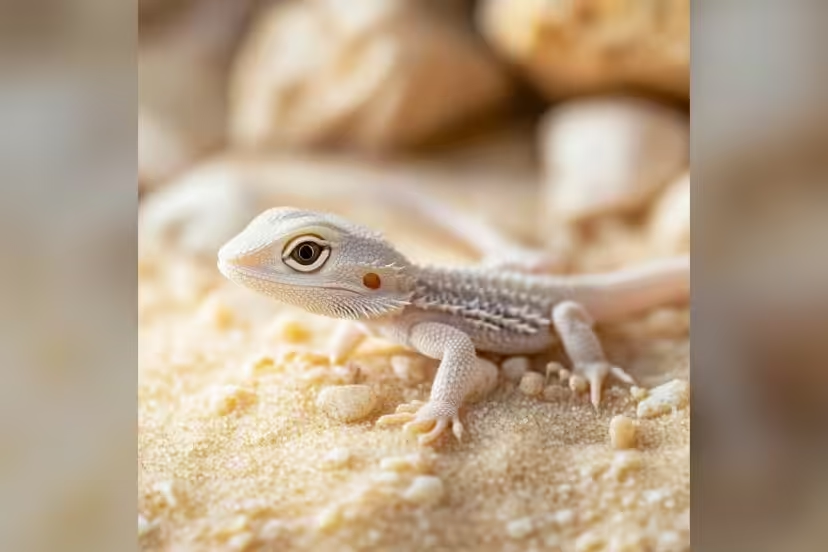
If you’ve just welcomed a newborn bearded dragon into your life, congratulations! These tiny dragons are fun to watch as they grow, but they need the right care from day one. This guide covers everything you need to know about taking care of a baby bearded dragon, from setting up the perfect habitat to ensuring they grow healthy and strong. Still looking for a name? Browse our funny and epic bearded dragon names.
Introduction: Welcoming a Newborn Bearded Dragon
Bringing home a newborn bearded dragon is an exciting experience, but it can also be overwhelming if you’re not sure what to expect. Baby bearded dragons need more attention than adults with their environment, diet and handling. By understanding their unique needs, you can set your hatchling up for success and ensure they have a long, healthy life.
🦎 Want all the essentials on one printable page?
The Complete Bearded Dragon Care Plan puts daily routines, feeding charts, safe vs. toxic foods and vet red flags into one 16-page PDF for $7.99.
See the Care Plan →Setting Up the Right Habitat for a Newborn Bearded Dragon
Set up the enclosure before you bring your baby dragon home. A good setup keeps your dragon healthy and growing.
Tank Size and Environment for Hatchlings
Although baby bearded dragons are small, they grow rapidly, so you’ll want to start with a tank that accommodates their eventual size. A 40-gallon tank works for the first few months, but you’ll need to upgrade to an enclosure of at least 120 gallons (4 x 2 x 2 feet) as they grow. The tank should be fitted with a secure screen lid to provide ventilation while keeping the dragon safe from external hazards.
Temperature Requirements: Keeping Your Baby Dragon Warm
Newborn bearded dragons are cold-blooded reptiles, meaning they rely on external heat to regulate their body temperature. The basking area in the tank should be maintained between 100-110°F, while the cooler side should stay around 75-85°F. This temperature gradient allows your baby dragon to move between warm and cool spots as needed.
UVB Lighting for Growth
Newborn bearded dragons need UVB light to develop. UVB lets them use calcium, which builds bone and prevents metabolic bone disease. Ensure the UVB light covers at least two-thirds of the tank, and replace the bulb every 6-12 months to maintain effectiveness.
Diet and Nutrition for Newborn Bearded Dragons
A proper diet is critical during the first few months of a bearded dragon’s life. Their nutritional needs are different from adults, so it’s important to know what and how to feed them.
What to Feed Your Baby Bearded Dragon
Newborn bearded dragons are insectivores during their first months, requiring a diet primarily made up of small, gut-loaded insects such as crickets, fruit flies, and small dubia roaches. You can also introduce finely chopped greens like collard greens or mustard greens once they’re a few weeks old, but insects should still make up about 80% of their diet at this stage.
Feeding Schedule: How Often Should They Eat?
Feed hatchlings insects 2 to 3 times a day, as many as they eat in 10 to 15 minutes. Make sure the insects are appropriately sized (no bigger than the space between your dragon’s eyes) to avoid choking or impaction. A good feeding routine not only promotes growth but also helps in developing a healthy digestive system.
Water and Hydration: Keeping Your Hatchling Hydrated
Although baby bearded dragons may not always drink from a water dish, it’s important to keep one available in their tank. Spray their greens with water to help them stay hydrated. You can also give them warm baths every few days to promote hydration and stimulate pooping.
Monitoring Growth and Development
Bearded dragons grow quickly in their first year, so it’s important to monitor their development to ensure they’re on the right track.
How Fast Do Baby Bearded Dragons Grow?
Newborn dragons can grow 1-2 inches per month in their first six months, with some even reaching 10-12 inches by the time they’re six months old. Weigh your dragon weekly to track their growth. A healthy hatchling should gain weight steadily.
Signs of Healthy Development
Healthy baby dragons should be alert, active, and have a good appetite. Their skin should look smooth and not excessively wrinkled, which can be a sign of dehydration. Regular pooping (every 1-2 days) is also a good indicator of proper digestion and growth.
Common Health Issues in Newborn Bearded Dragons
Like all reptiles, newborn bearded dragons are susceptible to certain health issues. Knowing what to look for can help you prevent minor problems from becoming major concerns.
Impaction: Prevention and Treatment
Impaction occurs when your dragon consumes something they can’t digest, such as large insects or loose substrate. Signs include lack of bowel movements, bloating, and lethargy. To prevent impaction, always feed appropriately sized insects and avoid using loose substrates like sand in your hatchling’s tank. If you suspect impaction, a warm bath and gentle belly massage can help move things along.
Dehydration: Symptoms and Solutions
Dehydration is a common issue in newborn dragons, especially if they aren’t drinking enough water or getting sufficient moisture from their food. Symptoms include sunken eyes, wrinkled skin, and lethargy. Regular misting and warm baths are effective ways to ensure they stay hydrated.
Parasites: What to Look For
Newborn bearded dragons are also vulnerable to parasites like coccidia and pinworms. Symptoms include diarrhea, weight loss, and lack of appetite. If you notice these signs, it’s important to take a fecal sample to the vet for testing. Parasite infestations can be treated with medication, but early detection is key.
Handling and Socializing Your Newborn Bearded Dragon
Baby bearded dragons are more fragile than adults, so handling must be done with care.
When to Start Handling
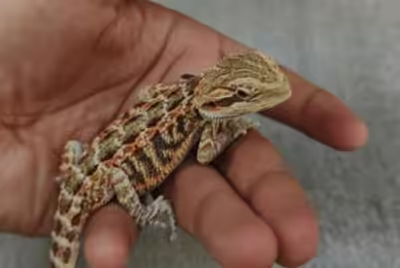
It’s best to give your newborn dragon a few days to acclimate to their new home before handling them. Once they seem comfortable, handle them for short periods of 5-10 minutes at a time. Gradually increase the handling sessions as they become more comfortable with human interaction.
Best Practices for Gentle Handling
Always support your baby dragon’s body fully, especially when lifting them. Avoid quick movements, and try to handle them close to the ground in case they decide to jump or wriggle. Consistent, gentle handling will help your dragon become more social and calm as they grow.
Shedding in Baby Bearded Dragons
Shedding is a natural process for bearded dragons, and it happens more frequently in juveniles due to their rapid growth.
How Often Do Newborns Shed?
Baby dragons shed every few weeks during their first year as they grow. You’ll notice their skin becoming dull or flaky right before shedding begins. During this time, they may become less active or have a reduced appetite.
Signs of Trouble During Shedding
Stuck shed on the tail or toes can cut off circulation. See a vet if a warm bath does not loosen it. Offer warm baths and gently rub the affected areas with a soft cloth to help remove stuck shed.
Creating a Safe Environment for Exploration
Newborn bearded dragons are naturally curious and benefit from a stimulating environment that encourages exploration.
Enrichment Activities for Newborn Bearded Dragons
Give your hatchling places to climb and explore to keep its body and mind active. Add rocks, branches, and hides in their enclosure to encourage natural behaviors like climbing, basking, and hiding. These enrichments keep your baby dragon active and engaged, which helps with their overall health and well-being.
Safe Décor and Hides for Baby Dragons
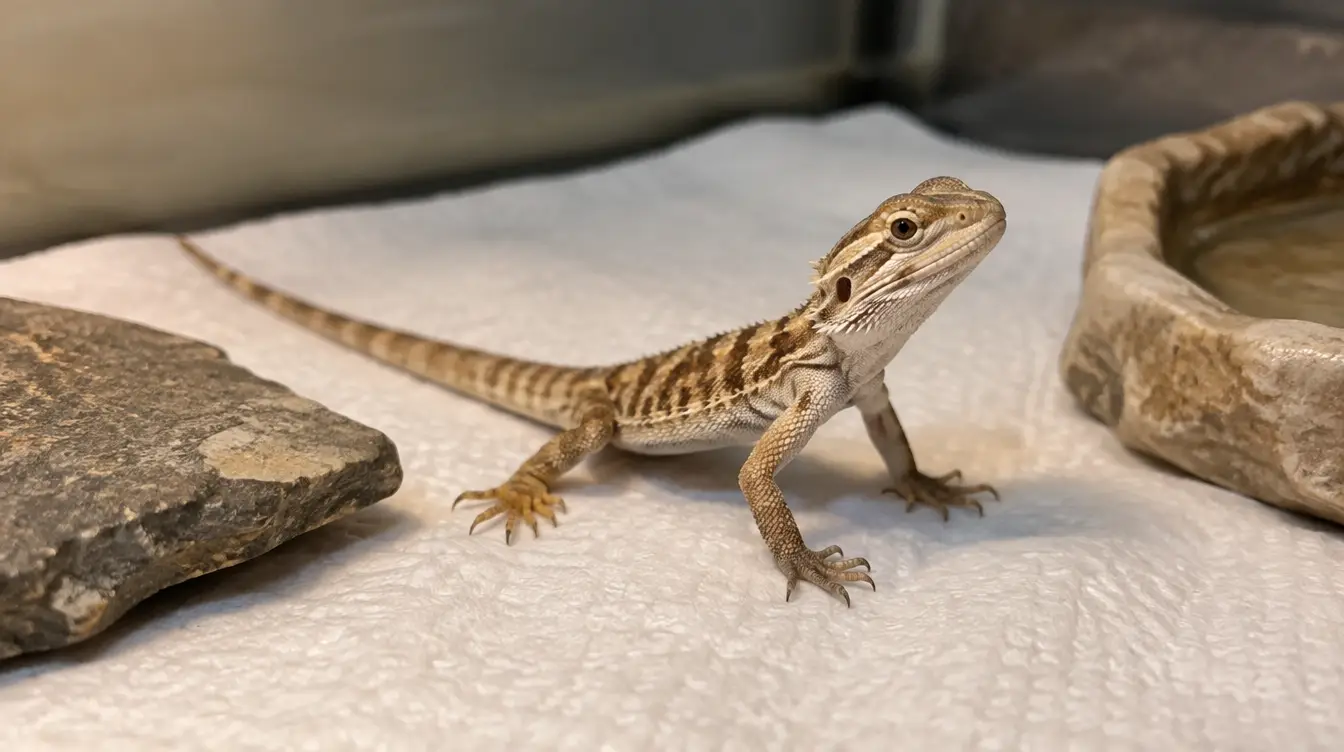
When decorating your newborn bearded dragon’s habitat, it’s important to use materials that are safe and easy to clean. Avoid small or sharp objects that could injure your dragon or pose a choking hazard. Look for smooth rocks, sturdy branches, and reptile-safe hides. Ensure that all items are properly sanitized before placing them in the enclosure to prevent the spread of bacteria or parasites.
Conclusion: Setting Your Newborn Bearded Dragon Up for Success
Caring for a newborn bearded dragon takes attention to detail, and it pays off. By providing a proper habitat, a balanced diet, consistent hydration, and plenty of enrichment, you can ensure your baby dragon grows into a healthy and happy adult. Stay observant of any changes in their behavior, health, or growth, and you’ll be able to catch any potential issues early on. With good care, your newborn dragon can grow into a healthy adult.
FAQs
- How often should I feed a newborn bearded dragon?
Baby dragons need to be fed 3-5 times per day, with a diet primarily focused on small insects like crickets and dubia roaches. - What temperature should a newborn bearded dragon’s tank be?
The basking area should be maintained at 100-110°F, with the cooler side of the tank around 75-85°F to allow proper digestion and comfort. - How do I prevent impaction in my baby bearded dragon?
Feed appropriately sized insects (no bigger than the space between their eyes) and avoid using loose substrates like sand in their enclosure. Opt for solid surfaces like reptile carpet or paper towels. - How can I help my newborn bearded dragon during shedding?
Offer warm baths and gently rub any areas with stuck shed. Ensure they are properly hydrated by misting their enclosure or offering water-rich vegetables. - When can I start handling my baby bearded dragon?
You can start handling them after a few days of settling into their new environment. Begin with 5-10 minute sessions, and increase the duration as they become more comfortable.
By following these guidelines and paying close attention to your newborn bearded dragon’s needs, you’ll be able to provide them with the best possible start in life! With time, patience, and the right care, your dragon will grow into a healthy, happy adult.

Love your beardie? Wear it proudly.
King of the Terrarium Tee – from $15.68. Our own bearded dragon designs, printed on demand. Every order supports these free care guides.
View this design → Browse all gifts